Boiler Symptom Diagnostic Tool
Select the symptoms you are currently experiencing to get a preliminary diagnosis and recommended next steps.
Analysis Results
Quick Checklist: Is Your Boiler Actually Broken?
Before you panic and call an emergency technician at 3 AM, run through these quick red flags. If you see more than two of these, you likely have a mechanical failure.
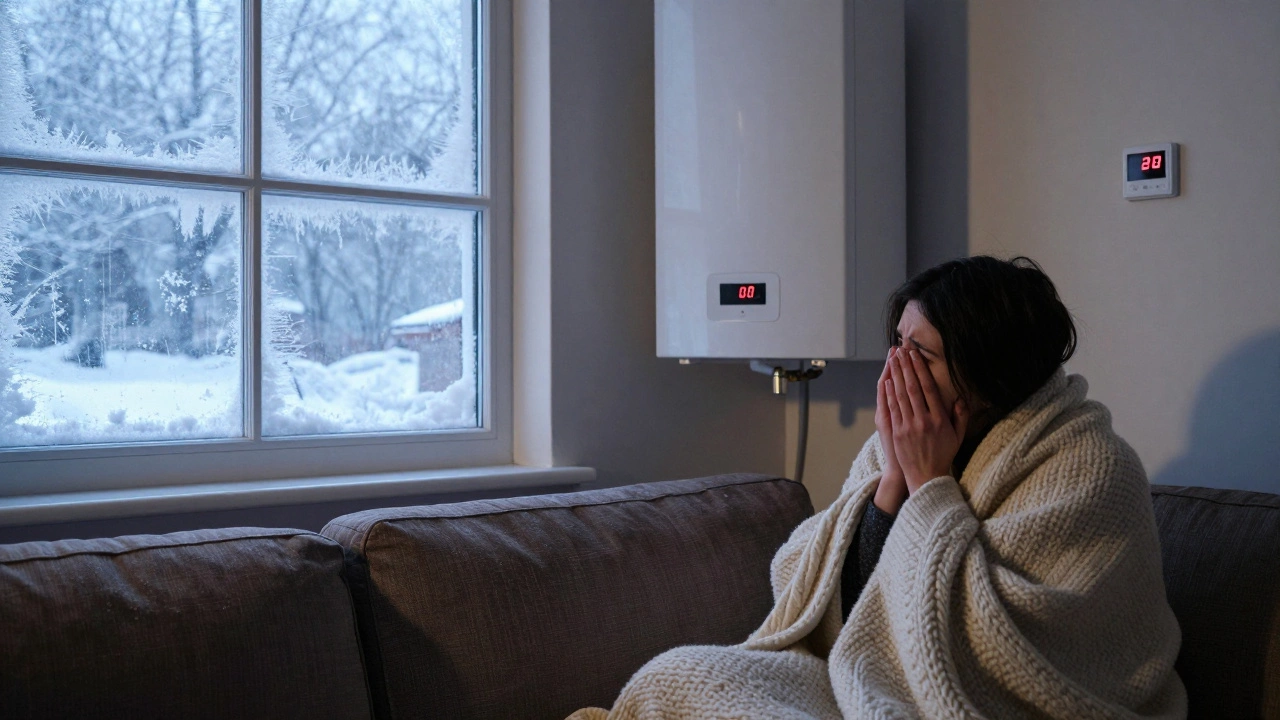
- No hot water coming from the taps.
- Radiators are cold at the top but warm at the bottom (or completely cold).
- Strange banging, whistling, or screeching noises from the unit.
- Water leaking from the bottom of the boiler or around the pipe joints.
- An error code flashing on the digital display.
- A sudden, massive spike in your monthly energy bill.
Decoding the Silence: When the Boiler Won't Fire Up
The most obvious sign is when the system simply refuses to start. You turn the dial, but the house stays cold. In this scenario, boiler repair is often needed because the ignition sequence has failed. A boiler is a heating system that burns fuel-usually natural gas or oil-to heat water for central heating and domestic use.
First, check the basics. Is the power on? Did a circuit breaker trip? If the electricity is fine, check your fuel source. If you use an oil tank, is it empty? If you're on natural gas, is the gas valve open? If the power and fuel are flowing but the boiler remains silent, the issue could be a failed Igniter a component that provides the spark or heat necessary to light the burner. Without that spark, the fuel can't burn, and your home stays cold.
The Mystery of the Cold Radiator
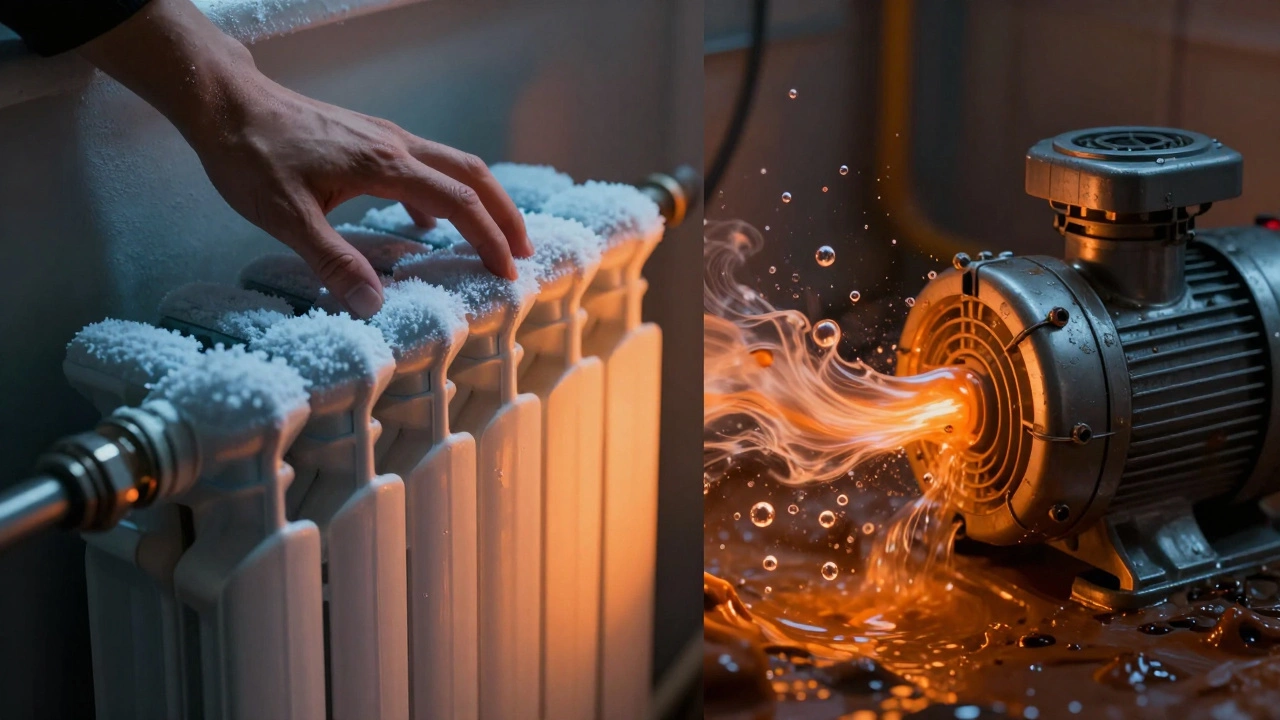
You might find that your boiler is running, but your rooms aren't warming up. If some radiators are hot and others are stone cold, you're likely dealing with a circulation issue. One common culprit is trapped air. When air gets into the Central Heating System, it blocks the flow of hot water, creating "cold spots" in your home.
Another possibility is a failed Circulator Pump the mechanical device responsible for pushing hot water through the pipes to the radiators. If the pump dies, the water just sits in the boiler, getting boiling hot while your bedrooms stay freezing. You can sometimes tell the pump is broken if the boiler is making a loud humming noise but no heat is moving through the house.
Listening to the Noise: Banging, Whistling, and Gurgling
Your boiler should generally be a quiet background hum. When it starts sounding like a percussion ensemble, something is wrong. Let's break down what these sounds actually mean:
- Banging or Clunking: This often points to "kettling." This happens when lime scale builds up inside the Heat Exchanger the part of the boiler where heat is transferred from the combustion process to the water. The water boils rapidly in small pockets, creating loud pops or bangs.
- Whistling or Screeching: This usually means there's a restriction in the water flow or a failing bearing in the pump. It's like a tea kettle that's about to boil over-the pressure is too high and has nowhere to go.
- Gurgling: This is the classic sign of air in the system. It sounds like a brook running through your walls. While annoying, this is often the easiest problem to fix by bleeding your radiators.
| Symptom | Likely Cause | Urgency | Fix Type |
|---|---|---|---|
| No Hot Water | Pilot Light / Igniter Failure | High | Professional Repair |
| Gurgling Pipes | Trapped Air | Low | DIY Bleeding |
| Water Leaking | Corroded Pipe / Seal Leak | Critical | Professional Repair |
| Loud Banging | Sludge / Limescale Build-up | Medium | System Flush |
When the Pressure Drops
Most modern boilers have a pressure gauge on the front. If the needle is dipping into the red zone (usually below 1.0 bar), the boiler will automatically shut down to prevent damage. This is a safety feature. But why does the pressure drop?
If you have to top up the pressure every few weeks, you have a leak. It might be a tiny pinhole in a pipe under the floorboards or a dripping valve inside the unit. A slow leak is dangerous because it can lead to dampness and mold in your walls long before you notice a puddle on the floor. If the pressure drops suddenly, check the Expansion Vessel a tank that allows water to expand as it heats up without bursting the pipes. If the internal membrane in the vessel ruptures, your pressure will fluctuate wildly.
The Danger Signs: When to Shut It Off Immediately
Some problems can wait until Monday morning; others require you to shut the system down right now. If you smell gas-a distinct "rotten egg" odor-do not flip any light switches or use your phone inside. Get everyone out of the house and call the gas company from the street. This is a sign of a Gas Leak, which can lead to explosions.
Another critical warning is the smell of burning plastic or a visible discoloration (soot) around the boiler casing. This suggests a problem with the Flue the vent pipe that carries combustion gases out of the building. If the flue is blocked or cracked, carbon monoxide-a colorless, odorless, deadly gas-could be leaking into your home. If your carbon monoxide detector goes off, evacuate immediately.
The Hidden Cost of Neglect
You might notice that your boiler still works, but your energy bills have skyrocketed. This is a subtle sign that your system is "broken" in terms of efficiency. Over time, a layer of sludge-mostly iron oxide-builds up in the bottom of your radiators. This sludge acts as an insulator, meaning the boiler has to work twice as hard to heat the water.
A professional Power Flush a process of cleaning the entire heating system using chemicals and high-pressure water can remove this debris. If you haven't had your system serviced in two years, you're likely wasting money every single month on inefficiency.
Can I fix a broken boiler myself?
You can perform basic tasks like bleeding radiators or topping up the pressure via the filling loop. However, any work involving gas lines, internal electrical components, or the combustion chamber must be done by a certified professional. Attempting to fix a gas leak or replace a heat exchanger yourself is extremely dangerous and often illegal in many regions.
Why is my boiler making a whistling sound?
Whistling is typically caused by water being forced through a narrow opening. This could be due to a partially blocked valve, a failing pump, or a buildup of limescale in the heat exchanger. It's a sign that the system is struggling to move water efficiently and should be inspected to prevent a total pump failure.
What does an error code on the boiler mean?
Error codes are the boiler's way of telling you exactly what's wrong. They range from "Low Water Pressure" to "Ignition Failure." You can usually find the meaning of these codes in your user manual. While some are simple fixes (like adding water), others indicate a sensor failure or a broken part that requires a technician.
How often should I service my boiler to prevent breakdowns?
Most manufacturers recommend an annual service. A yearly check-up allows a technician to clear out sludge, check the flue for blockages, and ensure the gas pressure is correct. This prevents the "sudden death" of a boiler in the middle of winter and keeps your energy bills lower.
Is it better to repair or replace an old boiler?
Use the "rule of 50%." If the cost of the repair is more than 50% of the cost of a new unit, or if the boiler is over 15 years old, replacement is usually the smarter financial move. Newer models are significantly more energy-efficient, which can save you hundreds of dollars a year in heating costs.
Next Steps and Troubleshooting
If you've identified that your boiler is broken, your path forward depends on the symptom. If you have no heat and no hot water, check your thermostat batteries and the pressure gauge first. If the pressure is low, try adding water. If it's still dead, call a pro.
For those dealing with strange noises or slow heating, schedule a non-emergency service call. A technician can perform a system flush and check for efficiency leaks. In all cases, keep a record of the error codes you see on your display; this helps the technician diagnose the problem faster, potentially saving you an hour of labor costs.