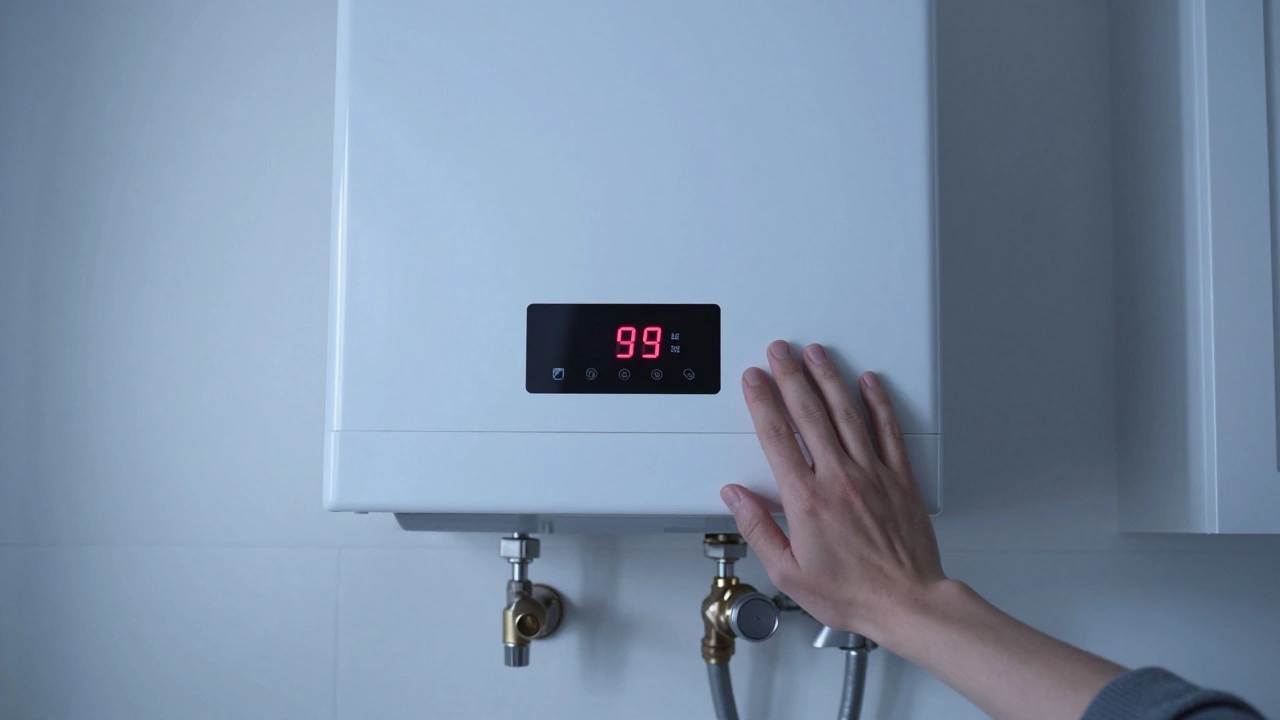
Boiler Help: Who Should I Call?
Select the symptom you're experiencing to find the right professional for the job.
Water & Pipe Issues
Leaking pipes, cold radiators, bleeding air, or water puddles under the unit.
- Leaky radiator valve
- Air in the system
- Water leak in copper pipes
- Filling loop issues
Gas & Combustion Issues
Error codes, pilot light issues, strange noises inside, or smell of gas.
- Blinking red lights / Error codes
- Loud banging (kettling)
- Pilot light keeps going out
- Soot or burner issues
Hire a General Plumber
Safe for Water/Wet Side✅ What they can do:
- Fix external leaks
- Bleed radiators
- Install TRVs
- Top up system pressure
⚠️ Stop them if:
They attempt to remove the boiler casing or touch the gas burner without showing a gas certification.
Hire a Gas Engineer
Critical Safety Requirement✅ What they must do:
- Diagnose internal error codes
- Test for CO leaks with an analyzer
- Calibrate gas pressure
- Clean the combustion chamber
🛡️ Protection:
Using a certified engineer ensures your manufacturer's warranty remains valid and your home stays safe.
🚨 EMERGENCY: If you smell a "rotten egg" odor, leave the building immediately and call your gas emergency line from outside. Do NOT flip any light switches.
Quick Summary: The Bottom Line
- General plumbers can handle leaks and pipework around the boiler.
- Only certified gas engineers or specialized heating engineers should touch the internal gas components.
- Working on a gas boiler without the right certification is illegal in many regions and voids warranties.
- Always check for specific gas safety credentials before allowing someone to open your boiler casing.
The Divide Between Plumbers and Gas Engineers
To understand who should fix your heating, we first have to look at what these roles actually mean. A Plumber is a skilled tradesperson who specializes in the installation and repair of pipes, fixtures, and water systems. They are the masters of the "wet side" of your home. If you have a burst pipe in the wall or a dripping faucet, they are your go-to. However, a boiler is a hybrid machine. It uses water, but it also uses gas or electricity to create heat.
This is where the Gas Engineer comes in. Unlike a general plumber, a gas engineer is specifically trained and certified to work with Natural Gas and LPG. They understand the chemistry of combustion, how to detect carbon monoxide leaks, and how to calibrate burners. In the UK, for example, this is managed by the Gas Safe Register, which is a legal requirement for anyone working on gas appliances. In other regions, similar licensing boards ensure that the person touching your fuel line knows exactly how to prevent an explosion.
When Your Plumber IS the Right Choice
It is a mistake to think a plumber has nothing to offer when it comes to your heating system. There are plenty of "external" issues that a standard plumber can solve without needing gas certification. If your boiler is working fine but your radiators are cold, you might have a problem with the Central Heating System pipework. This could be a simple case of air trapped in the lines.
You can call a general plumber for things like:
- Replacing a leaking valve on the outside of the boiler.
- Bleeding radiators to remove air pockets.
- Installing a new TRV (Thermostatic Radiator Valve) to control room temperature.
- Fixing a leak in the copper piping leading into the unit.
- Installing a new water pump that doesn't involve altering the gas burner.
The Danger Zone: Why Gas Certification Matters
Why can't a plumber just "figure it out"? Because boilers are essentially controlled explosions. A Combustion Chamber is designed to burn fuel safely. If a component is installed incorrectly or a seal is slightly off, you risk a Carbon Monoxide (CO) leak. CO is a colorless, odorless gas that can kill you in your sleep. This is why gas engineers use specialized flue gas analyzers to ensure the boiler is venting correctly.
Beyond the safety risks, there are financial stakes. Most modern boilers come with a manufacturer's warranty. If a non-certified person performs a repair on the internal gas assembly, that warranty is instantly voided. Imagine spending $3,000 on a new high-efficiency unit only to lose the 10-year guarantee because you let a general plumber swap a gas valve.
| Task | General Plumber | Certified Gas Engineer |
|---|---|---|
| Fixing a leaky radiator | Yes | Yes |
| Replacing a boiler pump | Usually Yes | Yes |
| Adjusting gas pressure | No | Yes |
| Cleaning the burner | No | Yes |
| Installing a new boiler | Only if gas-certified | Yes |
| Testing for CO leaks | No | Yes |
Common Boiler Problems and Who to Call
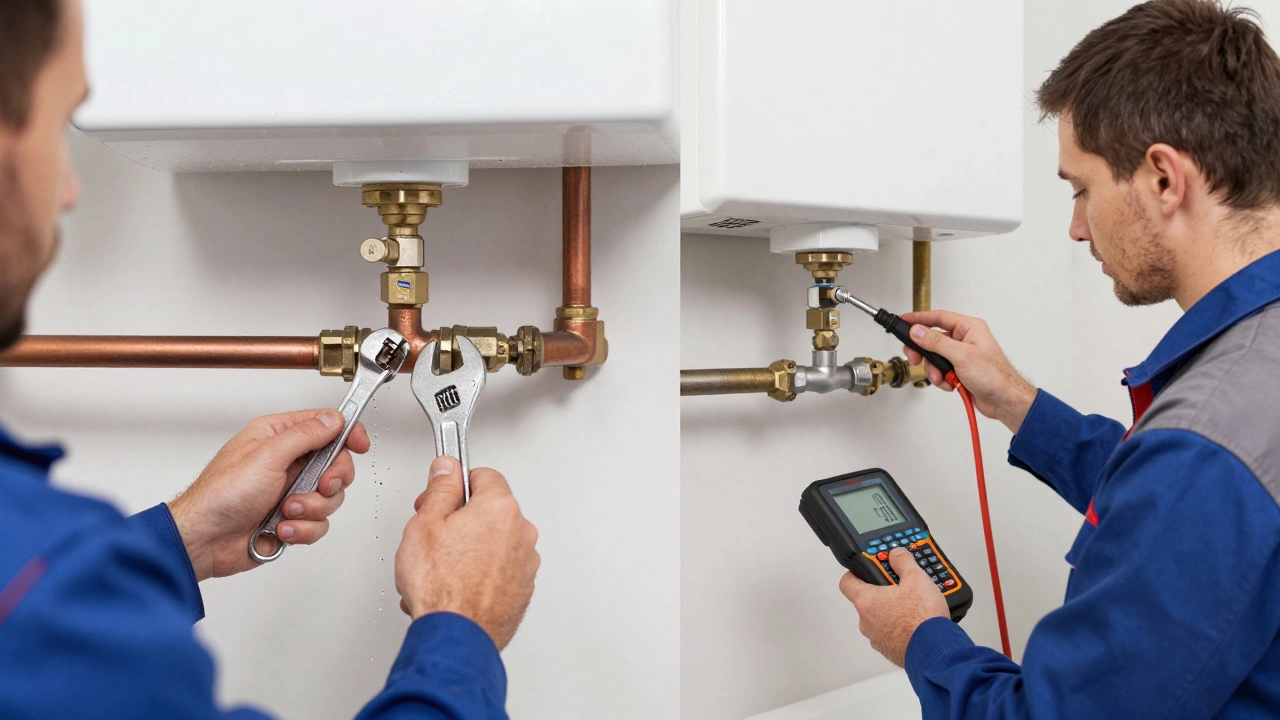
If you're staring at your boiler and aren't sure what's wrong, look at these common scenarios. If you see a puddle of water on the floor under the boiler, it's likely a leak in the pipework. A boiler repair specialist or a plumber can handle this. They will check the seals and the pressure relief valve to see where the water is escaping.
On the other hand, if the boiler is making a loud banging noise (known as "kettling") or if the pilot light keeps going out, you have a combustion issue. This requires a gas engineer. They will check the Heat Exchanger for buildup or check if the gas supply is inconsistent. If the unit is simply showing an error code like "F22" or "E110," don't try to guess. These codes often relate to internal sensors and electronic boards that only a trained technician should touch.
Another scenario is the loss of pressure. When the pressure gauge drops below 1 bar, your boiler might shut down to protect itself. While a plumber can help you top up the system using the filling loop, a gas engineer can tell you *why* it's losing pressure. It could be a faulty expansion vessel, which is a pressurized tank that prevents your pipes from bursting as water expands when heated.
How to Verify Your Technician's Credentials
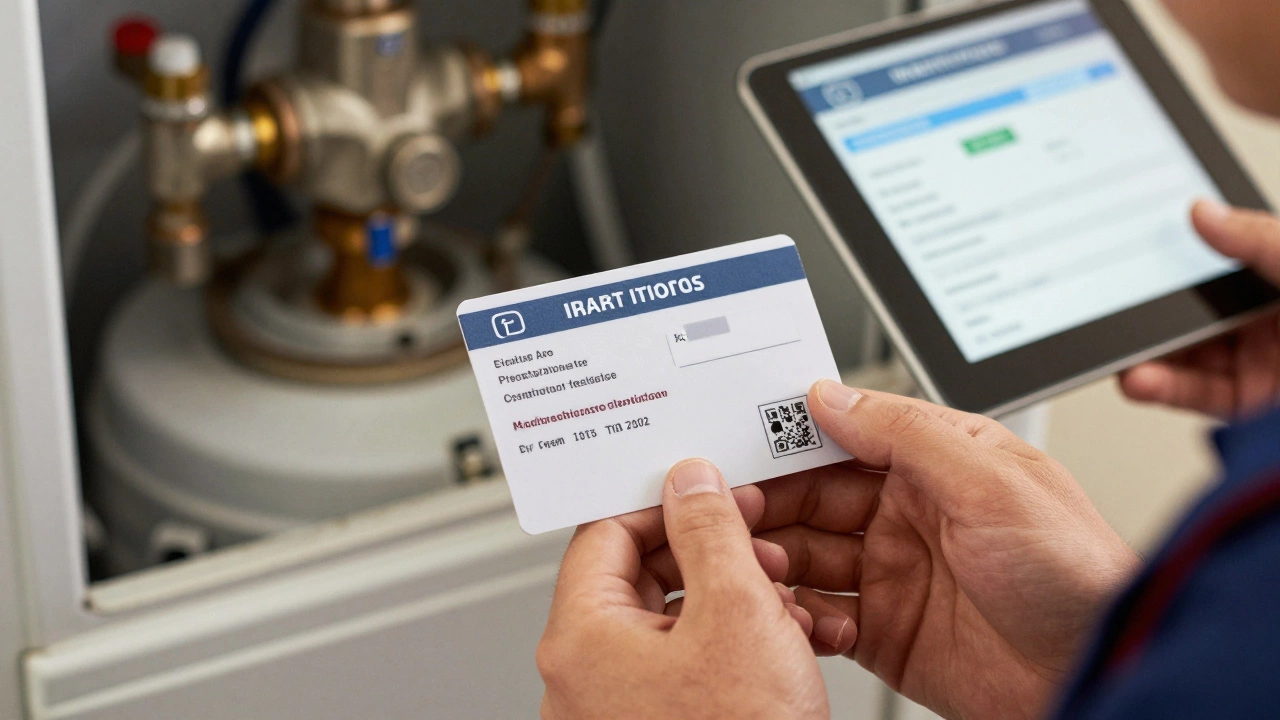
Don't take someone's word for it when they say they are "qualified." A real professional will be happy to prove it. If you are in a region with a central registry, ask for their registration number. You can usually plug this number into an official government or trade website to see exactly what they are licensed to do. For instance, some engineers are licensed for domestic boilers but not commercial ones.
Ask these three specific questions before they start work:
- "Are you certified to work on the gas side of this specific boiler brand?"
- "Do you have a current flue gas analyzer to check for leaks?"
- "Will you provide a certificate of compliance once the job is done?"
Maintenance Tips to Avoid Emergency Calls
The best way to avoid the plumber-vs-engineer debate is to make sure your boiler doesn't break in the first place. Most people ignore their heating until it stops working, but a yearly service can save you hundreds. A professional service involves cleaning the burner, checking the pressure, and ensuring the flue is clear of bird nests or debris.
You can do some basic maintenance yourself. Keep an eye on the pressure gauge; if you have to top it up every single week, you have a slow leak somewhere that needs professional attention. Also, keep the area around your boiler clear. If the intake vents are blocked by boxes or furniture, the boiler can't breathe, which leads to inefficient burning and potential safety hazards.
Is a plumber the same as a heating engineer?
No. While there is overlap, a plumber focuses on water and waste pipes. A heating engineer (or gas engineer) is specialized in the machinery and fuel systems that heat the water. Many people are both, but you must verify their gas certification specifically.
Can I fix my own boiler to save money?
You can perform very basic tasks like bleeding radiators or topping up system pressure. However, opening the boiler casing or touching gas valves is extremely dangerous and often illegal without a license. The risk of carbon monoxide poisoning or gas explosions far outweighs the cost of a professional.
How do I know if I have a gas leak?
The most obvious sign is a "rotten egg" smell, which is added to natural gas to make it detectable. If you smell this, do not turn on any lights or use your phone inside. Open all windows, leave the building immediately, and call your gas emergency line from outside.
Why is my boiler making a whistling sound?
This could be caused by several things: air in the system, a failing pump, or a blockage in the pipes. If the sound is coming from the pipes, a plumber can likely fix it. If the noise is coming from inside the combustion chamber, you need a gas engineer.
Does a boiler service really make a difference?
Yes. Regular servicing removes soot and debris from the heat exchanger, which makes the boiler run more efficiently. This lowers your monthly gas bills and prevents the sudden failure of expensive components like the circuit board or the pump.
What to Do Next
If your heating is out right now, start by checking your boiler's pressure gauge. If it's too low, try topping it up using the filling loop. If that doesn't fix the problem, check your boiler's manual for the specific error code on the display. Once you have that code, look for a technician who is explicitly certified in gas safety. Don't settle for a "handyman" or a general plumber if the issue is internal-your safety and your home's warranty are too important to gamble with.