Appliance Maintenance & Cost Calculator
Settings
Configure your appliances and local rates.
Your Appliances
-
High Risk BoilerService: Annually
-
Medium Washing MachineService: Every 2 Years
-
High Risk Tumble DryerService: Annually
-
Efficiency Fridge / FreezerService: Every 2 Years
-
Air Quality Extractor FanService: Every 6 Months
Estimated Annual Benefit: £0
Based on avoided emergency repairs, extended lifespan value, and improved energy efficiency.
Maintenance Cost
£0
Risk Avoided
£0
Potential emergency costsEnergy Saved
£0
From efficient operationYour washing machine just made a noise you’ve never heard before. Your oven is taking longer to preheat than it used to. Do you ignore it and hope for the best, or do you call someone out? This is the dilemma most homeowners face. We tend to treat our appliances like cars-we drive them until they break, then we fix them. But unlike a car, which has a strict service schedule mandated by law and warranty, household appliances are often left to run on their own until they die.
The short answer is yes, appliances need servicing. But it’s not always as simple as booking an annual check-up for every device in your kitchen and laundry room. Some appliances demand regular attention to stay safe and efficient, while others can go years without professional intervention if you handle basic cleaning yourself. Understanding which devices fall into which category can save you hundreds of dollars in emergency repairs and energy bills.
Why Regular Servicing Matters More Than You Think
We often think of appliance servicing as a way to avoid breaking down. That’s true, but it’s only half the story. The primary reason professionals recommend regular maintenance is efficiency. A dirty condenser coil on your fridge doesn’t just make the compressor work harder; it makes it draw more electricity. Over a year, that inefficiency adds up to a noticeable spike in your utility bill.
Safety is the other silent factor. Gas appliances, in particular, pose risks if not checked regularly. A blocked flue or a cracked heat exchanger in your boiler or gas cooker can lead to carbon monoxide leaks. These aren’t just inconvenient; they’re dangerous. Annual servicing isn’t just about keeping the machine running; it’s about ensuring your home remains a safe environment for your family.
Then there’s the longevity argument. An appliance that receives routine care often lasts significantly longer than one that is neglected. Manufacturers design these machines with specific tolerances. When lint builds up in a dryer vent or grease clogs an extractor fan, the motor strains against that resistance. Strain leads to wear, and wear leads to premature failure. By removing those obstacles, you’re essentially extending the life of the internal components.
Which Appliances Actually Need Professional Service?
Not all appliances are created equal when it comes to maintenance needs. You don’t need a technician to come out and check your toaster. However, major white goods and heating systems have complex internal mechanisms that benefit from expert eyes. Here is a breakdown of what needs attention and why.
| Appliance | Recommended Frequency | Key Tasks | Risk of Neglect |
|---|---|---|---|
| Boiler | Annually | Pressure check, flue analysis, component inspection | Carbon monoxide leak, total system failure |
| Washing Machine | Every 1-2 Years | Drum clean, filter check, hose inspection | Flooding, mold growth, drum imbalance |
| Tumble Dryer | Annually (Vented), Every 2 Years (Condenser) | Vent cleaning, condenser unit wash | Fires, high energy bills, poor drying |
| Extractor Fan | Every 6-12 Months | Grease filter cleaning, motor lubrication | Fire hazard, poor air quality, motor burnout |
| Fridge and Freezer | Every 2 Years | Coil cleaning, seal check, temperature calibration | Food spoilage, compressor failure |
The Case for DIY Maintenance vs. Professional Calls
You don’t need to pay for a service visit every time you notice a minor issue. In fact, many "service" tasks are designed for the homeowner. Knowing the difference between what you can do and what requires a pro is key to managing your budget.
DIY Tasks: Cleaning the lint trap in your dryer after every load is non-negotiable. It takes thirty seconds and prevents fires. Similarly, wiping down the door seals on your fridge and freezer prevents mold and ensures a tight closure. Vacuuming the coils behind or beneath your refrigerator once a year improves cooling efficiency. For your extractor fan, soaking the grease filters in hot soapy water monthly keeps airflow optimal. These tasks require no special tools and yield immediate benefits.
Professional Tasks: Anything involving gas lines, high-voltage electronics, or sealed refrigerant systems should be left to certified technicians. If your boiler pressure drops repeatedly, that’s a sign of a leak that needs professional diagnosis. If your washing machine is vibrating violently, it could be a worn-out suspension spring or an unbalanced drum bearing-issues that require disassembly and specialized parts. Attempting to fix these yourself often voids warranties and can lead to further damage.
Signs Your Appliance Is Crying Out for Help
Even if you stick to a schedule, appliances can develop issues unexpectedly. Learning to read the warning signs can prevent a small problem from becoming a catastrophic failure. Pay attention to these red flags:
- Unusual Noises: Grinding, squealing, or banging sounds usually indicate mechanical wear. A washing machine that rattles might have loose bolts, but a dryer that squeals likely has a failing belt or motor bearing.
- Performance Drops: If your oven takes twice as long to bake a cake, or your dishwasher leaves spots on glasses despite using rinse aid, something is wrong. Low water pressure, clogged spray arms, or faulty heating elements are common culprits.
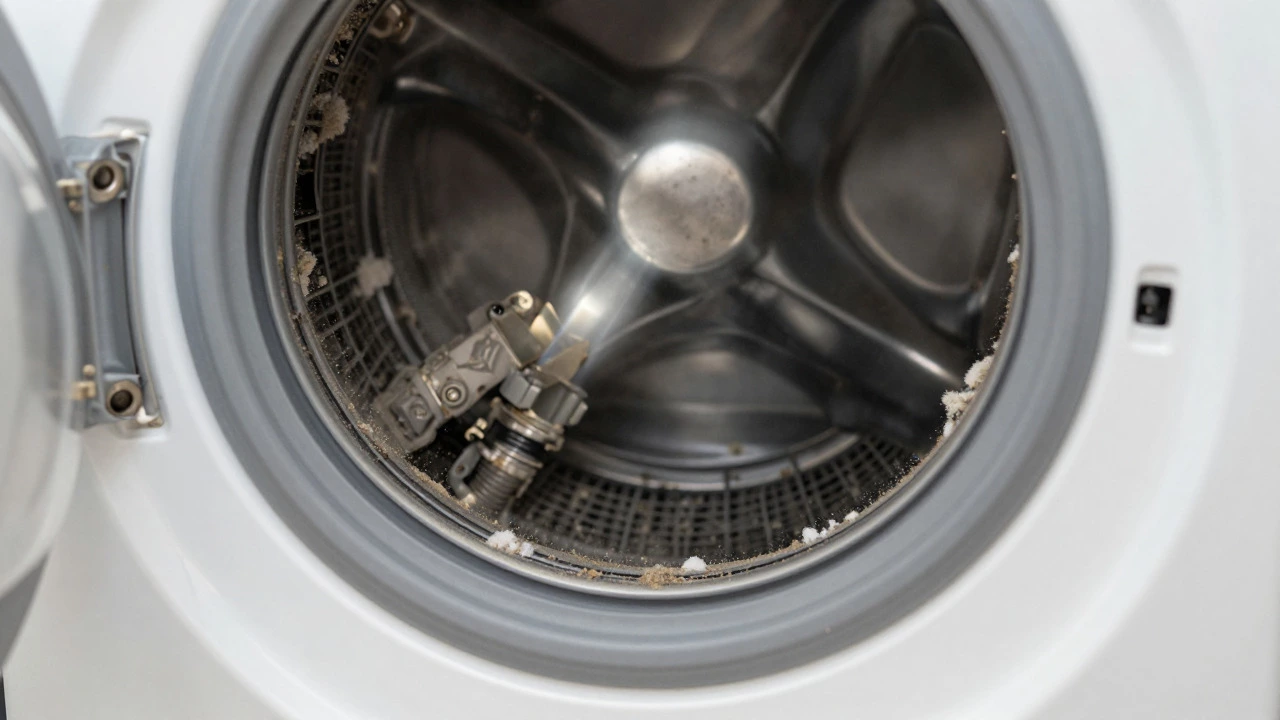
- Strange Smells: Burning smells are urgent. They can indicate electrical shorts or overheating motors. Musty odors in washing machines suggest mold buildup in the drum or detergent drawer, requiring a deep clean.
- Water Leaks: Small puddles under your fridge or washing machine shouldn’t be ignored. While a clogged drain pump filter might be an easy fix, a cracked tub or failed seal requires professional repair.
- Error Codes: Modern appliances display error codes when sensors detect faults. Don’t just reset the machine. Look up the code in your manual. It often points directly to the issue, saving you from guessing games during a service call.
Cost-Benefit Analysis: Is Servicing Worth the Money?
Let’s talk numbers. A standard annual service for a boiler or major appliance typically costs between £80 and £150, depending on your location and the provider. An emergency breakdown call-out, especially on weekends or holidays, can cost double that, plus parts and labor. Replacing a broken-down washing machine can set you back £400 to £800.
If a £100 service extends the life of a £600 appliance by three years, the math works in your favor. Moreover, many manufacturers require proof of annual servicing to keep the warranty valid. Without that stamped service card, you might find yourself paying full price for a replacement part that should have been covered.
Consider also the hidden cost of inefficiency. A boiler operating at 80% efficiency instead of 90% wastes fuel every single day. Over a heating season, that waste can amount to significant extra costs. Servicing restores efficiency, effectively paying for itself through lower energy bills.

How to Choose a Reliable Service Provider
When it’s time to call a professional, not all technicians are created equal. The market is flooded with companies, some reputable and others less so. Here’s how to vet them:
- Check Credentials: For gas appliances, ensure the engineer is registered with the appropriate safety scheme (like Gas Safe in the UK). For electrical work, look for NICEIC approval or similar certifications.
- Read Reviews: Look for recent reviews that mention punctuality, cleanliness, and honesty. Did they upsell unnecessary services? Were they transparent about pricing?
- Ask About Guarantees: Reputable companies offer guarantees on both parts and labor. If they replace a part, it should be covered for at least a year.
- Get a Quote: Avoid companies that give vague estimates over the phone. A good provider will explain what the service includes and provide a fixed price or a clear hourly rate.
Building a relationship with a trusted local technician pays off. They know your appliances, your home’s layout, and your preferences. When something goes wrong, you have someone who understands the history of your equipment.
Making a Maintenance Schedule Work for You
The hardest part of appliance servicing is remembering to do it. Life gets busy, and chores pile up. To make maintenance stick, integrate it into your existing routines.
Set calendar reminders for seasonal changes. Spring is a great time to service your AC units and check your fridge coils. Autumn is ideal for boiler checks before the cold weather hits. Tie DIY tasks to specific events: clean the dryer vent every time you buy a new box of tissues, or descale your kettle every six months.
Keep a log. Write down when each appliance was serviced and what was done. This record is invaluable when selling your home or claiming warranty repairs. It shows potential buyers that you’ve taken care of the property, potentially increasing its value.
Ultimately, treating your appliances with respect yields returns. They work hard for you, day in and day out. A little preventive care ensures they keep doing their job efficiently, safely, and for as long as possible. Don’t wait for the breakdown. Start planning your maintenance today.
How often should I get my boiler serviced?
You should get your boiler serviced annually. This is crucial for safety, as it checks for carbon monoxide leaks and ensures the system is running efficiently. Most manufacturers require annual servicing to keep the warranty valid.
Can I service my washing machine myself?
You can perform basic maintenance like cleaning the filter, wiping the door seal, and running an empty hot cycle with vinegar or a cleaner. However, a professional service every 1-2 years is recommended to check internal hoses, belts, and bearings for wear and tear.
Is it worth servicing old appliances?
It depends on the age and condition of the appliance. If it’s over 10 years old and has had multiple repairs, replacement might be more cost-effective. However, if it’s relatively new and just needs a tune-up, servicing can extend its life significantly and improve efficiency.
What happens if I don't service my tumble dryer?
Neglecting tumble dryer maintenance can lead to fire hazards due to lint buildup, higher energy bills because the dryer works harder, and eventual motor failure. Vented dryers need annual vent cleaning, while condenser dryers need the condenser unit washed regularly.
Does servicing my appliances increase my home's value?
Yes, having a complete service history for major appliances like boilers and central heating systems can increase your home's appeal to buyers. It demonstrates that the property has been well-maintained and reduces the buyer's risk of immediate post-purchase repairs.