Anode Rod Replacement: When and Why It Matters for Your Water Heater
When your water heater starts leaking or runs out of hot water faster than usual, you might think it’s the heating element or the tank itself. But often, the real culprit is something small and hidden: the anode rod, a sacrificial metal rod inside your water heater that protects the tank from corrosion. Also known as a sacrificial anode, it’s the reason your water heater lasts longer than it should. Without it, the tank’s steel lining rusts from the inside out—and once that happens, no repair can save it.
The anode rod works by attracting corrosive elements in the water, like minerals and oxygen, so they eat away at the rod instead of the tank. It’s not a fancy part, but it’s essential. Most rods last 3 to 5 years, depending on water hardness and usage. In hard water areas, they can go bad in just 2 years. If you haven’t checked yours in over three years, you’re playing Russian roulette with your water heater. Replacing it is cheap—usually under $50 for the part—and takes less than an hour for a pro. Skipping it? That’s how you end up with a flooded basement and a $1,200 replacement bill.
This isn’t just about water heaters. The same principle applies to any tank-based system that holds water long-term. Your water heater is one of the most overlooked appliances in your home, and the sediment buildup that comes with it makes things worse. When minerals settle at the bottom, they trap moisture against the tank walls and speed up rusting. A bad anode rod lets that rust spread unchecked. That’s why people in places like Glastonbury, where water is often hard, see water heaters fail sooner than expected. It’s not bad luck—it’s neglect.
You won’t see the anode rod unless you pull it out. But you’ll feel the effects: discolored water, a rotten egg smell, or sudden leaks. These aren’t just annoyances—they’re warning signs. A corroded anode rod doesn’t fix itself. It doesn’t get better with time. And if you wait until your tank bursts, you’ll pay far more than the cost of a simple inspection and replacement.
The posts below cover real-world cases where people ignored the anode rod, only to face costly repairs—or worse, a full replacement. You’ll find guides on how to check your own rod, what to look for when it’s failing, and why some water heaters die young while others last 15 years. Some even compare DIY replacement vs. calling a pro. Whether your heater is 2 years old or 10, this isn’t about fixing a broken part. It’s about stopping a slow, silent failure before it hits your walls, floor, and wallet.
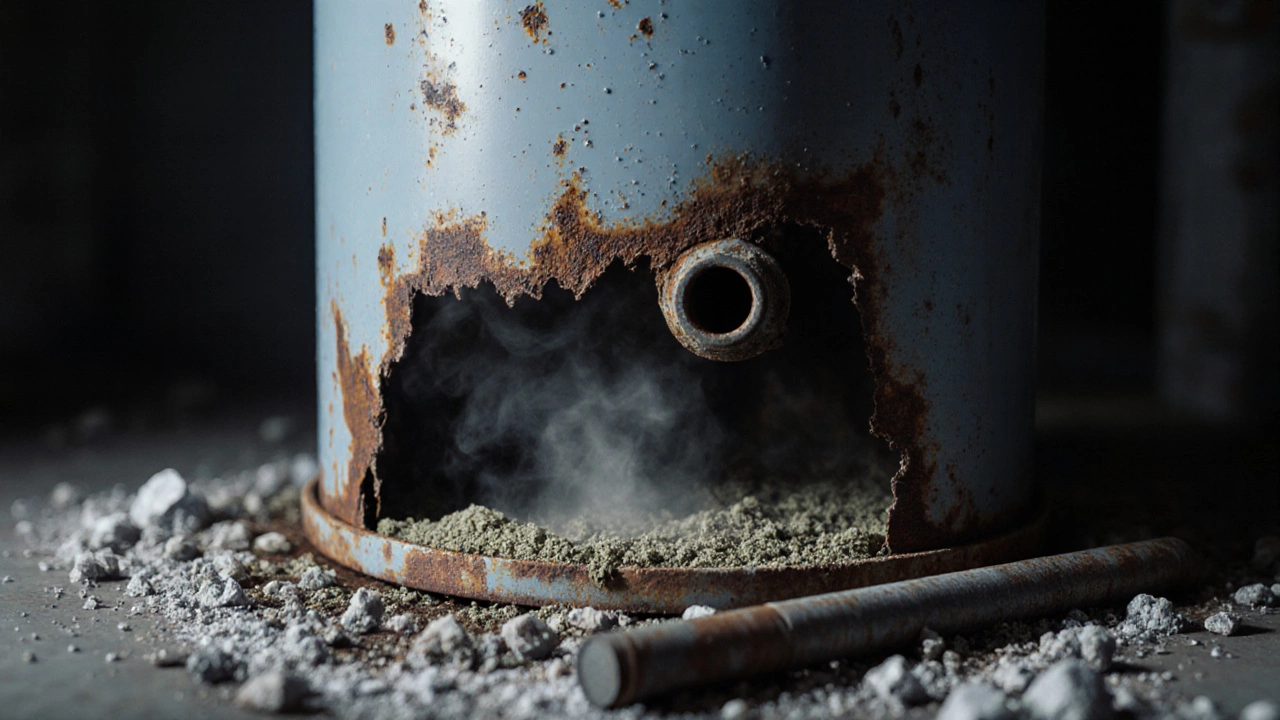
Why Do Water Heaters Fail So Quickly? Common Causes and How to Avoid Them
Water heaters often fail early due to hard water, sediment buildup, and neglected maintenance. Learn the real reasons behind premature failure and how to extend your heater's life with simple, proven steps.