Bad Heating Element: Causes, Fixes, and When to Call a Pro
When dealing with bad heating element, a component that turns electricity into heat inside appliances such as ovens, water heaters, dryers and some refrigerators. Also known as failed heating coil, it often leads to no heat, uneven heat or a sudden shut‑off. Water heater, the household unit that supplies hot water for showers and cleaning and Oven, the kitchen appliance that bakes, roasts and broils food are two of the most common gadgets where a faulty heating element shows up. The problem spreads to dryers, where a dryer heating element, creates the hot air that dries clothes may burn out, leaving damp laundry. In short, a bad heating element causes appliance failure, hurts energy efficiency, and can create safety hazards if ignored.
How a Bad Heating Element Impacts Different Appliances
First, a heating element that won’t heat means the whole device can’t perform its core job. In a water heater, this translates to cold showers; in an oven, recipes stay raw; in a dryer, clothes stay damp and may develop mildew. The root cause often ties back to three attributes: electrical continuity, material degradation, and excessive wear. Bad heating element typically shows up as a broken nichrome coil, a cracked ceramic coating, or a loose connection. You can confirm the issue with a simple multimeter test: set the meter to resistance (ohms), touch the probes to the element’s terminals, and look for an ‘infinite’ reading, which means an open circuit. If the reading is zero, the element may be shorted, another fault that forces the appliance’s safety switches to trip.
Repairing a heating element requires a few key steps: safely disconnect power, remove the faulty part, verify the replacement matches the original specifications (voltage, wattage, size), and reinstall with proper sealing to prevent water intrusion in heaters or moisture in ovens. These steps illustrate the semantic triple "repairing a heating element requires testing with a multimeter" and "matching specifications influences appliance longevity". When a DIY fix feels risky—especially with high‑voltage water heaters—calling a qualified technician is the safest route. Professionals bring tools like infrared cameras to spot hidden hot spots, and they have access to genuine OEM parts that guarantee the right fit and warranty coverage.
Below you’ll find a curated set of articles that dive deeper into specific scenarios: from diagnosing a bad oven control board, spotting water‑heater heating element failures, to fixing dryer heating problems. Each piece offers practical checklists, cost estimates, and safety tips so you can decide whether to tackle the repair yourself or schedule a pro visit.
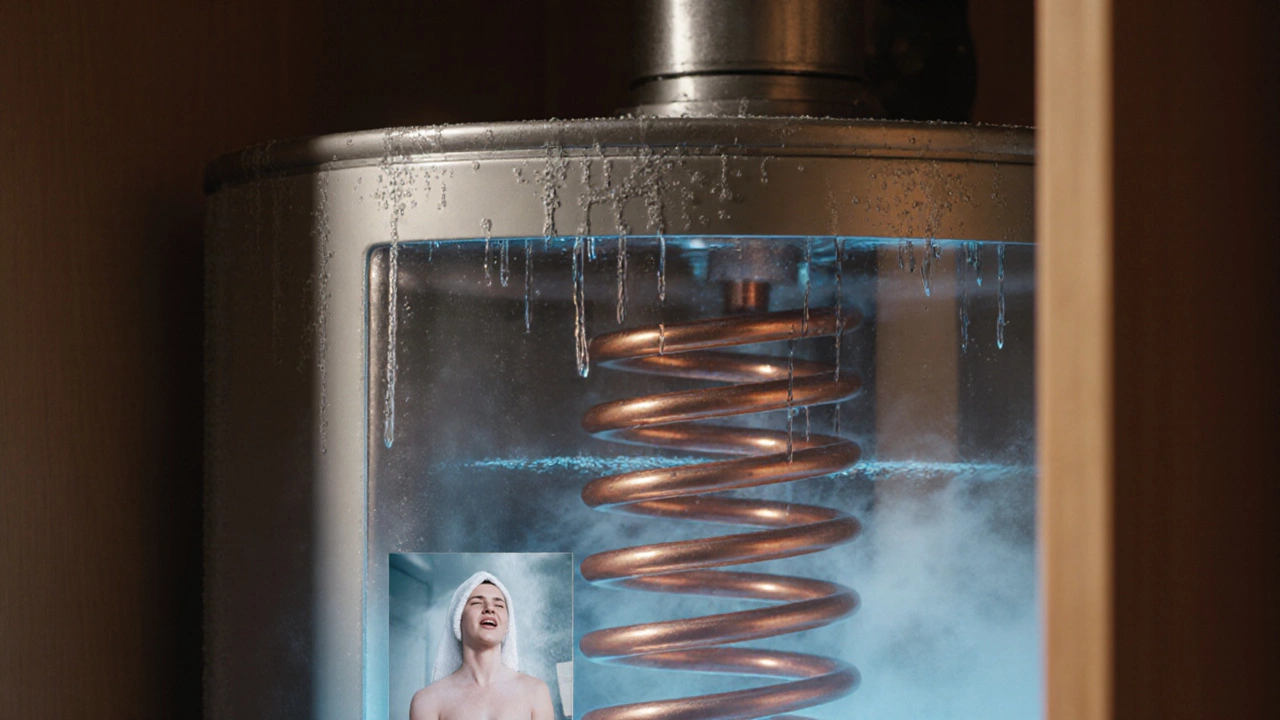
How to Identify a Bad Hot Water Heater Element - Simple DIY Test
Learn how to spot a bad hot water heater element, test it with a multimeter, and decide when to replace it or call a pro.