Hot Water Heater Problem? Common Causes and When to Repair or Replace
When your hot water heater problem, a system that provides consistent hot water for showers, laundry, and dishes. Also known as a water heater, it’s one of the most taken-for-granted appliances in your home—until it stops working. Suddenly, cold showers and icy dishes become your new normal. Most hot water heater problems aren’t mysterious. They’re usually caused by a few simple, predictable failures—like a dead heating element, sediment buildup, or a faulty thermostat.
One of the most common issues is a water heater element, the metal coil inside the tank that heats the water. If it burns out, you’ll get lukewarm or no hot water at all. Testing it takes a multimeter and five minutes. Another frequent culprit is sediment buildup, minerals that sink to the bottom of the tank over time. This slows heating, increases energy bills, and can cause loud popping noises. Flushing the tank yearly can fix this, but if your unit is over 10 years old, it might be cheaper to replace it than keep patching it up.
Not every problem needs a pro. If your water is only warm in the morning but gets hot later, it could be a simple thermostat issue. If you’re getting rust-colored water, your tank might be corroding inside. And if you hear water pooling around the base, that’s not a leak you can ignore—it’s a sign your tank is failing. Many people try to stretch out an old water heater with repairs, but every fix after the 8-year mark is usually just buying time. The average electric water heater lasts 8 to 12 years. If yours is older and you’re spending more than half the cost of a new unit on repairs, it’s time to think about replacement.
You’ll find real-life fixes below—how to test a heating element, what to listen for when your heater acts up, and when to call a technician instead of trying DIY. These aren’t theoretical tips. They’re the exact steps our technicians use in Glastonbury homes every week. Whether you’re dealing with a slow recovery, strange noises, or no hot water at all, the posts here will help you figure out if it’s a quick fix or a full replacement.
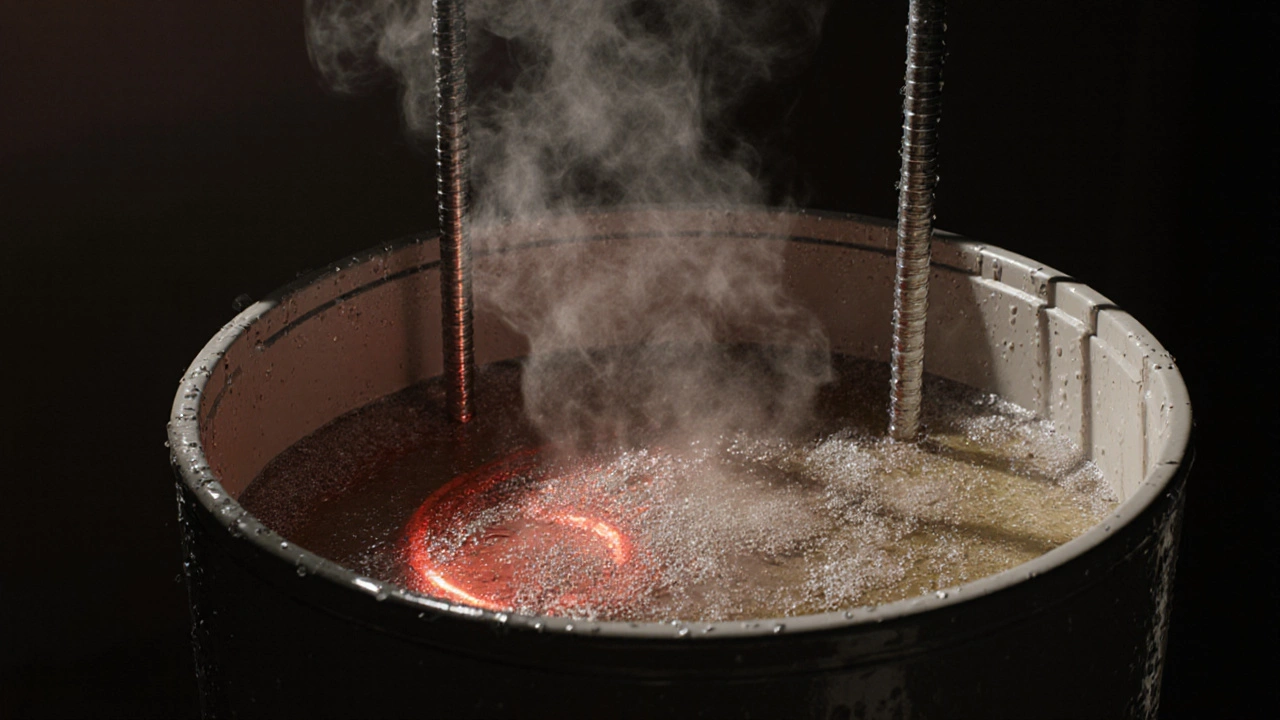
What Is the Most Common Problem with a Hot Water Heater?
The most common problem with a hot water heater is sediment buildup, especially in hard water areas like Brisbane. Learn how to identify it, flush your tank, and avoid costly repairs.