How Long to Replace a Boiler
When you're thinking about how long to replace a boiler, the process of removing an old heating system and installing a new one to keep your home warm and efficient. Also known as boiler installation, it's not just about swapping out a machine—it's about making sure your home stays safe, warm, and energy-efficient. Most people don’t realize that replacing a boiler isn’t a one-day task from start to finish. The actual swap might take 6 to 8 hours if everything goes smoothly, but the whole process—from diagnosis to final check—can stretch over days or even weeks, especially if you need permits, gas safety certifications, or a new flue.
The real question isn’t just how long, it’s when you should replace it. Most boilers last 10 to 15 years. If yours is older than that and starting to make strange noises, leak, or struggle to heat your home, it’s probably costing you more in repairs and energy bills than a new unit would. A faulty boiler isn’t just inconvenient—it’s a safety risk. Gas leaks, carbon monoxide buildup, and electrical faults don’t wait for a convenient time. That’s why so many Glastonbury homeowners choose to replace rather than repair once their boiler hits its mid-teens.
What affects the timeline? If your old boiler is in a tight space, or if you need to upgrade your gas line, water pressure system, or thermostat, that adds time. A simple combi boiler swap in a standard home usually takes less time than installing a system boiler with a separate hot water tank. And don’t forget: you need a Gas Safe registered engineer, a certified professional legally allowed to work on gas appliances in the UK. Also known as qualified gas technician, this person ensures your new boiler meets safety standards and runs efficiently. Skipping this step isn’t just illegal—it’s dangerous. You also can’t just pick any model. Your home’s size, insulation, and hot water demand determine the right type and size. Choosing wrong means higher bills and shorter lifespan.
There’s also the matter of timing. Replacing a boiler in winter is stressful—you’re cold while waiting. Many people wait until spring or early autumn to schedule it, so they’re not stuck without heat during a cold snap. And if your boiler breaks down unexpectedly? You’re at the mercy of repair schedules. That’s why proactive replacement, even if it’s still working, makes sense for many. It’s not about panic—it’s about planning.
Below, you’ll find real stories and facts from homeowners who’ve been through this. Some replaced their boiler after one too many repair bills. Others waited too long and ended up with no hot water in January. You’ll see what the actual job looks like, how much it costs, and what signs you can’t ignore. Whether you’re just curious or ready to act, the answers here will help you make a smart, safe choice—without being sold something you don’t need.
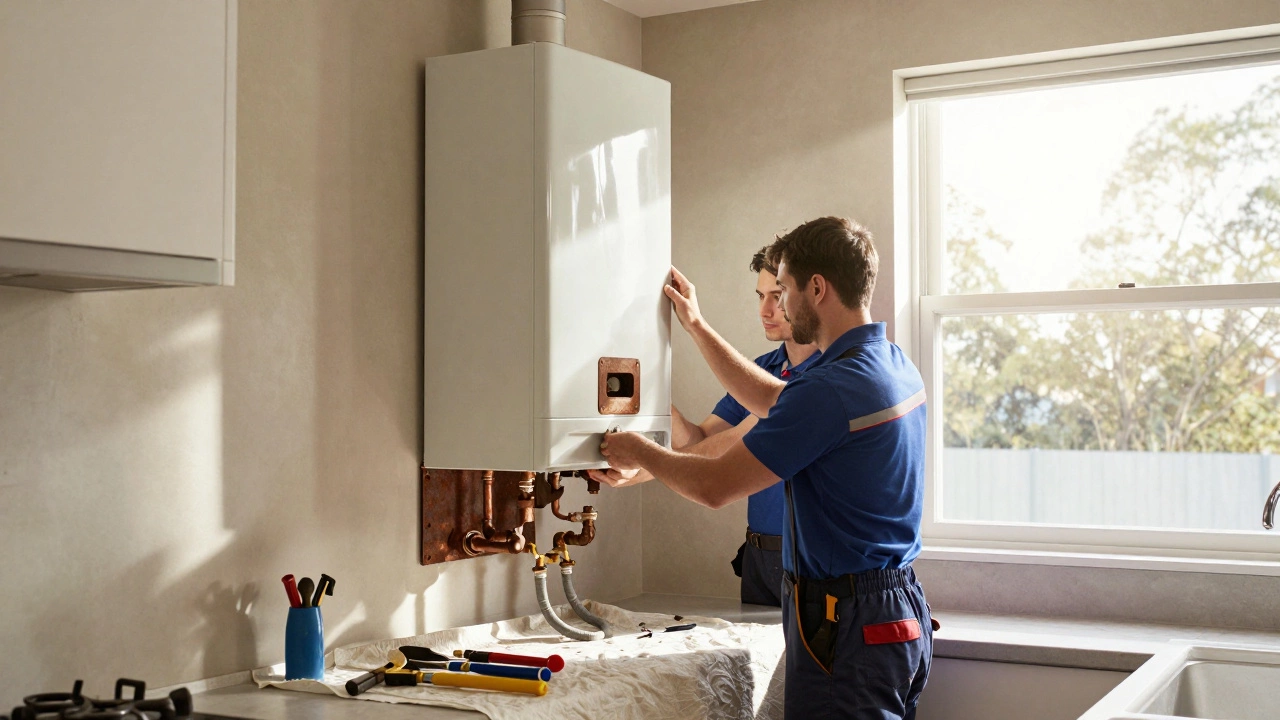
How Long Does It Take to Replace a Boiler? Realistic Timelines for Brisbane Homes
Replacing a boiler in Brisbane typically takes 1-3 days, depending on the complexity. Learn what affects the timeline, how to prepare, and what to expect after installation for a smooth process.