Microwave Lifespan: What to Expect and How to Extend It
When working with microwave lifespan, the typical number of years a countertop or built‑in microwave stays functional before performance drops. Also known as microwave life expectancy, it helps homeowners plan upgrades and avoid unexpected breakdowns. Understanding this helps you decide whether a repair or a new unit makes sense. In the sections that follow you’ll see how microwave lifespan ties into everyday use, maintenance, and energy costs.
Key Factors That Influence Microwave Lifespan
Two big drivers are brand durability and regular appliance maintenance. A well‑engineered brand can often push the useful life to eight or even ten years, while cheaper models may start showing wear after three to four years. Maintenance means more than a quick wipe‑down; it includes checking the door seals, cleaning the turntable motor, and ensuring ventilation isn’t blocked. When you keep these basics in check, the average microwave tends to stay reliable longer.
Another piece of the puzzle is how often you use the appliance. A family that cooks dinner, reheats leftovers, and runs a quick lunch snack every day is putting the magnetron, the core heating component, under constant stress. Heavy‑use kitchens see magnetron fatigue sooner, often around the five‑year mark. Light users—people who only pop popcorn once a week—can squeeze an extra year or two out of the same unit. This usage pattern directly influences the decision to call a technician or invest in a newer, more efficient model.
When something goes wrong, most owners first think about microwave repair. The most common fault is a failing magnetron, which usually shows up as uneven heating or total loss of heat. Door latch problems, capacitor leaks, and faulty control boards are other frequent culprits. If the cost of replacing a magnetron exceeds half the price of a new microwave, many choose to buy fresh. However, a simple door‑switch replacement can be done for a fraction of that cost and easily extends the device’s life.
Energy consumption is tied tightly to lifespan. Older microwaves often run at higher wattage without the efficiency tweaks modern units boast, meaning higher electricity bills. A ten‑year‑old 900‑watt model may use 10‑15% more power than a brand‑new 800‑watt version with smart sensors. Reducing the power level when reheating, using the right size container, and avoiding empty runs all shave off waste and lower the strain on internal components, indirectly supporting a longer lifespan.
Practical tips to squeeze every possible year out of your microwave are straightforward. First, keep the interior clean; food splatter can corrode the waveguide cover and affect heating. Second, never place metal objects inside—metal can spark, damage the magnetron, and create a safety hazard. Third, ensure the vent slots at the back stay clear; a blocked vent causes overheating and shortens component life. Fourth, schedule a quick check‑up with a local repair service every few years; they can spot worn door seals or loose wiring before a full breakdown occurs.
Choosing a durable microwave starts with research. Look for models with solid steel interiors, reputable brand warranties of three years or more, and user reviews that mention long‑term reliability. Some manufacturers even publish expected lifecycle data, noting an average of eight years with proper care. When the warranty expires, weigh the repair cost against the price of a newer energy‑efficient unit; often the latter wins on both performance and long‑term savings.
In short, a typical microwave lasts between five and ten years, depending on brand, usage, and upkeep. If you notice uneven heating, strange noises, or the unit won’t start, evaluate the repair cost first. When the price approaches half the cost of a new machine, it’s usually time to upgrade. Below you’ll find a curated collection of articles that dive deeper into repair steps, brand comparisons, and maintenance checklists, giving you the confidence to make the right call for your kitchen.
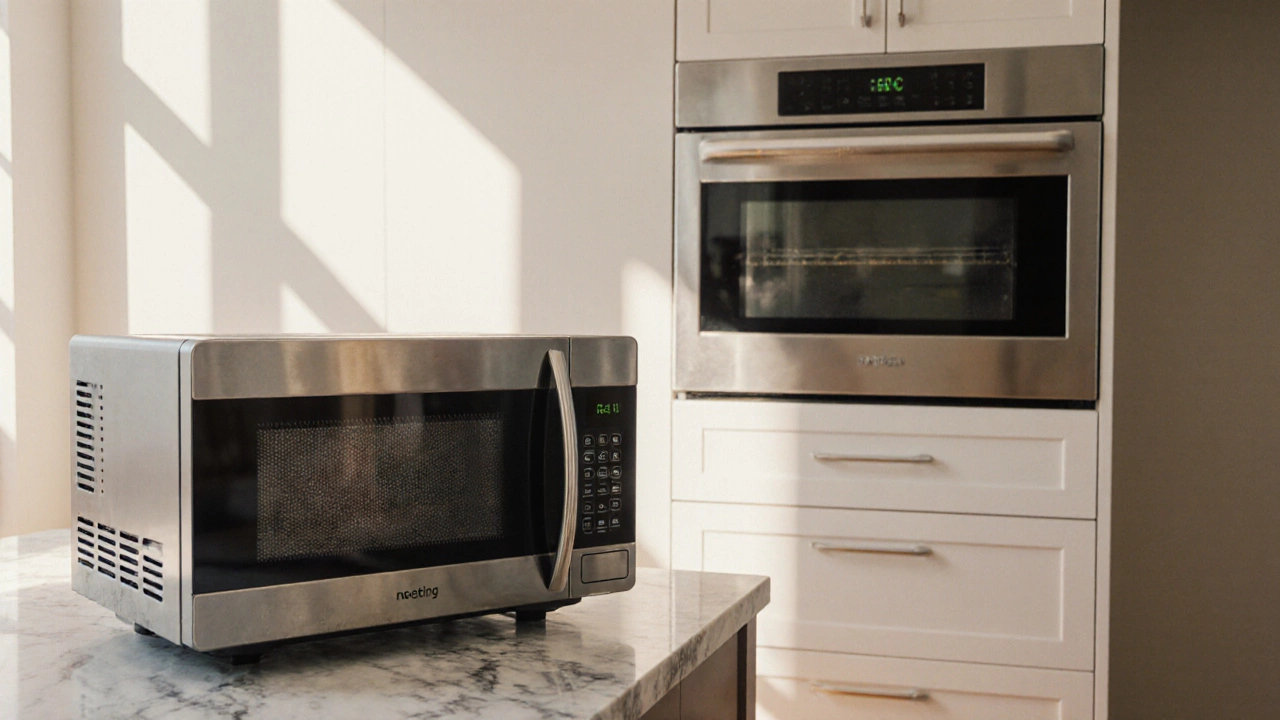
Microwave Lifespan: How Long Do Microwaves Really Last?
Learn the average microwave lifespan, key factors that affect durability, maintenance tips, and when to repair or replace your unit.