Refrigerator Parts: Common Issues, Replacements, and When to Fix It Yourself
When your fridge stops cooling, it’s rarely the whole unit that’s broken—it’s usually one of its refrigerator parts, the individual components that keep your fridge running, like the compressor, evaporator fan, or door seal. Also known as fridge components, these parts wear out over time, and knowing which ones fail most often can save you hundreds on a full replacement.
The compressor, the heart of the fridge that circulates refrigerant. Also known as cooling unit, it’s expensive to replace, but rarely fails unless the fridge is old or overheating. More common culprits are the door seal, the rubber gasket that keeps cold air in and warm air out. Also known as gasket, it cracks with age, letting cold escape and making the compressor work harder. Then there’s the evaporator fan, the little motor that blows cold air from the freezer into the fridge compartment. Also known as fan motor, when it dies, your fridge stays warm even if the freezer is freezing. These aren’t mystery parts—they’re the same ones you’ll find in repair guides, replacement kits, and technician toolkits across Glastonbury.
Many people assume a broken fridge means a new one, but 7 out of 10 fridge repairs involve replacing just one of these parts. A worn door seal costs under £20 and takes 15 minutes to swap. A faulty evaporator fan runs £50–£80, including labor. Even the compressor can sometimes be saved if the issue is a bad start relay, not the motor itself. You don’t need to be an electrician to check the door seal—just close a dollar bill in the door. If it pulls out too easily, the seal’s gone. You don’t need to guess if the fan’s dead—listen for a quiet hum when the fridge kicks on. No sound? That’s your clue.
What you’ll find below are real repair stories from people who fixed their fridges without calling a pro. Some replaced the condenser coil after noticing it was clogged with dust. Others swapped out a broken thermostat after their fridge ran non-stop. One person saved £300 by replacing a simple defrost heater that had frozen up the evaporator coils. These aren’t theory pieces—they’re fixes that worked in homes just like yours. Whether you’re checking your fridge’s parts for the first time or looking for the exact component your model needs, the guides below give you the clear, step-by-step truth—no fluff, no upsells, just what actually fixes it.
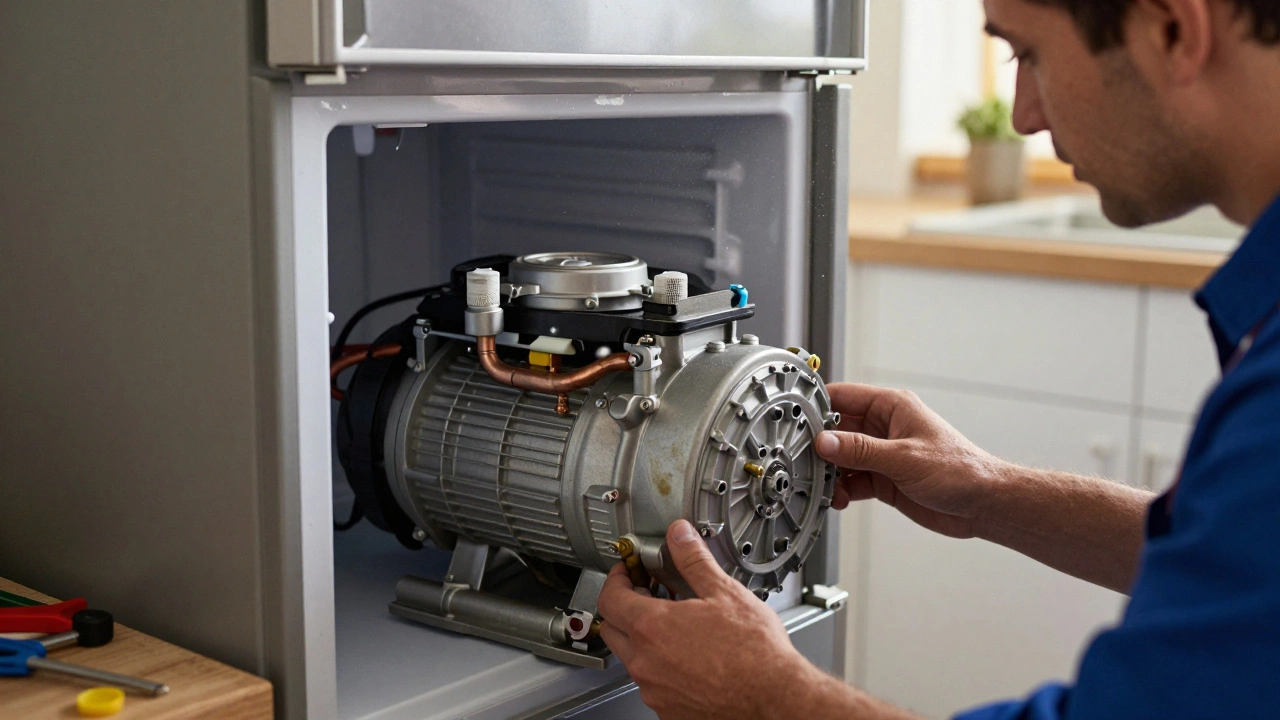
What Is the Most Expensive Thing to Fix on a Refrigerator?
The most expensive repair on a refrigerator is usually the compressor replacement, costing $800 to $1,500. Learn why it fails, how to spot early warning signs, and when to replace the whole unit instead.