Tank Water Heater Repair and Maintenance Guide
When your tank water heater, a storage-based system that heats and holds water in a large insulated tank for home use. Also known as storage water heater, it's one of the most relied-on but least noticed appliances in your home. Suddenly stops working, it’s not just an inconvenience—it’s a full-blown crisis. You’re stuck with cold showers, dirty dishes, and laundry piling up. Most tank water heaters last 8 to 12 years, but many fail way sooner because of simple, avoidable issues like sediment buildup or a dead anode rod.
The sediment buildup, mineral deposits that sink to the bottom of the tank over time, reducing efficiency and causing overheating. is the #1 killer of tank water heaters, especially in hard water areas. It doesn’t just make your heater work harder—it can crack the tank lining, leading to leaks you didn’t see coming. Then there’s the anode rod, a sacrificial metal rod that attracts corrosive elements to protect the tank from rusting inside.. Most people never check it, but when it’s gone, the tank itself starts corroding. Replacing it every 3–5 years can double your heater’s life. And if you’re hearing rumbling or popping noises? That’s not your heater singing—it’s sediment boiling under the bottom of the tank.
Water heater failure doesn’t always mean buying a new one. A faulty thermostat, a broken heating element, or a leaking pressure valve can all be fixed for under $200. But if your unit is over 10 years old and you’re paying more than half the cost of a new one to fix it, you’re throwing money away. Energy bills creeping up? Water that’s not hot enough? A puddle under the tank? These aren’t minor glitches—they’re red flags. The good news is, most of these problems show up early. You just need to know what to look for.
In the posts below, you’ll find real, no-fluff guides on how to diagnose tank water heater problems, when to flush the tank yourself, how to test the heating elements, and whether replacing the anode rod is worth your time. You’ll also see what actually happens when sediment takes over, why some repairs are DIY-friendly and others need a pro, and how to avoid the traps that make people replace heaters too soon—or too late.
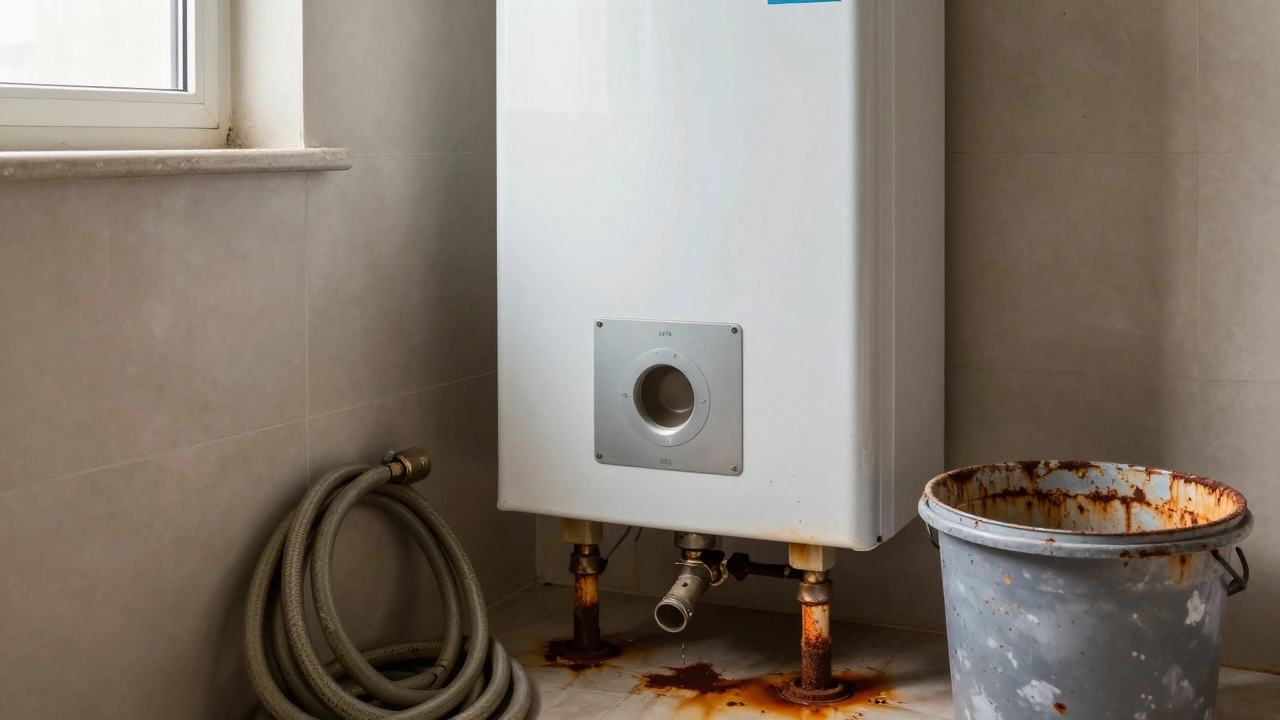
How Long Should a Water Heater Last? Realistic Expectations and Signs It’s Time to Replace
Most water heaters last 8-12 years, but maintenance and water quality affect lifespan. Learn the signs your heater is failing and when to replace it before it causes damage.