Water Heater Element Test: How to Check Your Hot Water System
When working with water heater element test, a method to verify the health of the heating coil inside a domestic water heater. Also known as element resistance check, it helps you spot a faulty coil before you lose hot water. The test is a core part of water heater, the appliance that stores and heats water for showers, washing machines and kitchens maintenance. By confirming whether the heating element, the electric resistor that turns electricity into heat inside the tank is still conductive, you can avoid expensive replacements and plan a quick fix. This simple check links directly to water heater element test results: a good element shows low resistance, a bad one reads infinite or very high resistance. Knowing this relationship lets you diagnose hot‑water loss without guessing.
Why Test the Element and What You’ll Need
The main reason to run a multimeter, a handheld meter that measures voltage, current and resistance is that it provides the exact resistance value of the coil. A healthy element typically measures between 10 and 30 ohms, depending on the model. Anything far outside that range signals corrosion, scale build‑up or a broken wire. When the element fails, the whole hot water system, the network of tank, thermostat, element and plumbing that delivers warm water can stop heating, leading to cold showers and higher electricity bills. The test also reveals if a thermostat or wiring issue is at fault, because an element that tests good but still doesn’t heat points to those other components. Safety is a must: always turn off power at the breaker, drain the tank to avoid shock, and use insulated gloves. Once you’ve isolated the element, disconnect the wires, set the multimeter to the ohms setting, and read the value. If the meter shows “OL” (open loop) or a wildly high number, replace the element. This step‑by‑step process turns a vague problem into a clear action plan.
Understanding how the element, multimeter and water heater interact empowers you to make smarter decisions. If the resistance checks out but you still face lukewarm water, the next steps might involve inspecting the thermostat, checking for sediment buildup, or calling a qualified technician. In the list below you’ll find articles that dive deeper into related topics: from spotting early signs of a failing water heater, to evaluating when a repair makes sense versus a full replacement, and even budgeting tips for Brisbane homeowners. Armed with this background, you’ll know exactly what to look for and how to act, whether you’re tackling the repair yourself or deciding it’s time for a pro. Let’s explore the full range of guides that will help you keep your hot water flowing smoothly.
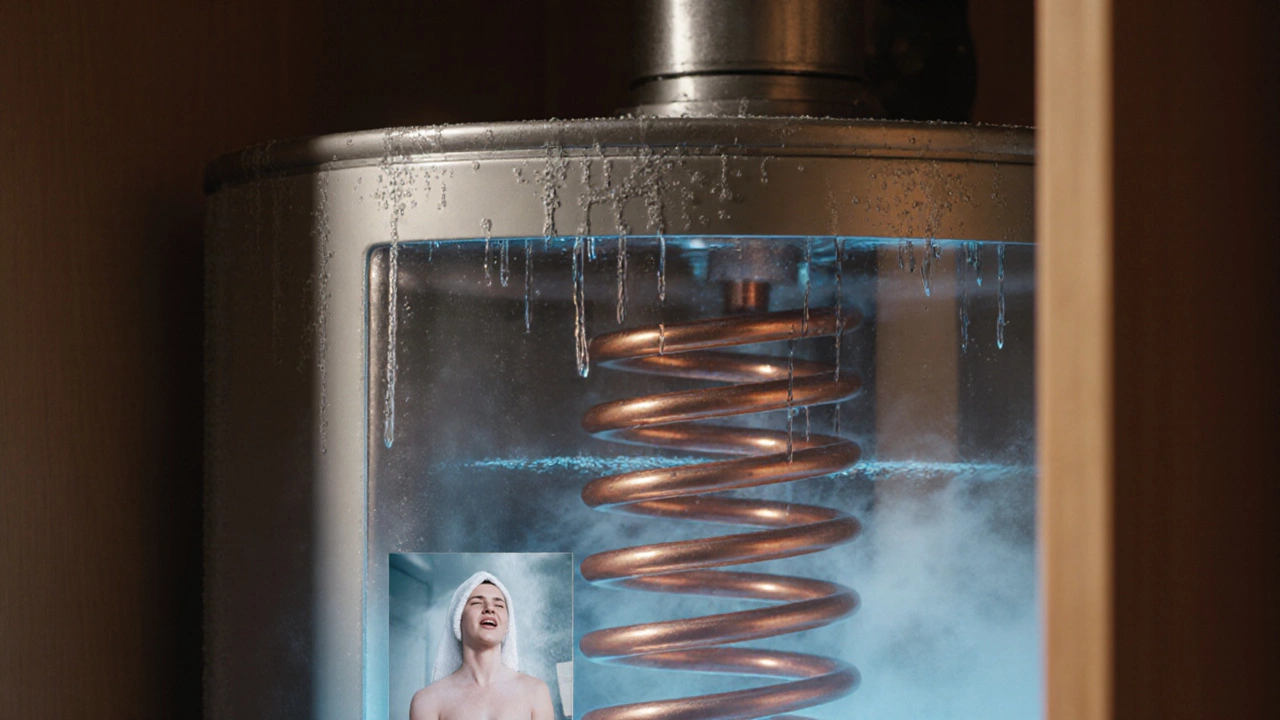
How to Identify a Bad Hot Water Heater Element - Simple DIY Test
Learn how to spot a bad hot water heater element, test it with a multimeter, and decide when to replace it or call a pro.