When to Replace Oven: Signs It’s Time to Swap vs Repair
When your oven, a key kitchen appliance used for baking, roasting, and broiling food. Also known as a range oven, it’s built to last—but not forever. Many people keep using theirs well past its prime, hoping it’ll just work longer. But ignoring clear warning signs can cost you more in energy bills, safety risks, and ruined meals. The average oven lasts 13 to 15 years. After that, parts get harder to find, repairs get expensive, and efficiency drops fast. If your oven is older than 10 years and starting to act up, it’s time to ask: is this fix worth it—or should I just replace it?
One of the biggest red flags is uneven heating. If your cookies burn on one side and stay raw on the other, your oven control board, the electronic brain that manages temperature and timing. It’s responsible for sending power to the heating elements. might be failing. Replacing it can cost $200–$400, and if the oven is already 10+ years old, that’s nearly half the price of a new unit. Then there’s the heating element. If it doesn’t glow red when turned on, or if your oven takes forever to heat up, that’s another common failure point. But here’s the catch: replacing a heating element is cheap—$50 or less—but if you’ve had to replace it twice in three years, the oven’s core components are wearing out. You’re just buying time.
Energy use is another silent killer. Older ovens leak heat through worn door seals and inefficient insulation. A 20-year-old oven can use 20–30% more electricity than a new Energy Star model. That adds up to $100+ extra per year on your bill. And if your oven’s display is flickering, buttons aren’t responding, or it turns off randomly, that’s not just annoying—it’s a sign the internal wiring or circuitry is degrading. That’s not a DIY fix. It’s a safety hazard. Gas ovens with faulty igniters or electric ovens with frayed wires can cause fires. Insurance companies don’t cover damage from neglected appliances.
Then there’s the cost comparison. A basic new oven runs $500–$800. A professional repair? $150–$300, plus parts. If you’ve spent more than $500 on repairs over the last two years, you’re already past the break-even point. And if your oven needs a new control board, that’s often the final straw. Most manufacturers stop making parts for models older than 10 years. That means you’ll either pay a premium for used parts or wait weeks for a specialty order. Meanwhile, your meals are on hold, and your kitchen is a mess.
Don’t wait for it to break completely. If you’re noticing any of these: inconsistent heat, strange noises, long preheat times, error codes you can’t fix, or if you’re tired of babysitting it during baking—those are your clues. Replacing your oven isn’t just about convenience. It’s about safety, savings, and getting back reliable performance. Below, you’ll find real stories and breakdowns from people who’ve been there: when they fixed it, when they walked away, and what they wish they’d known sooner.
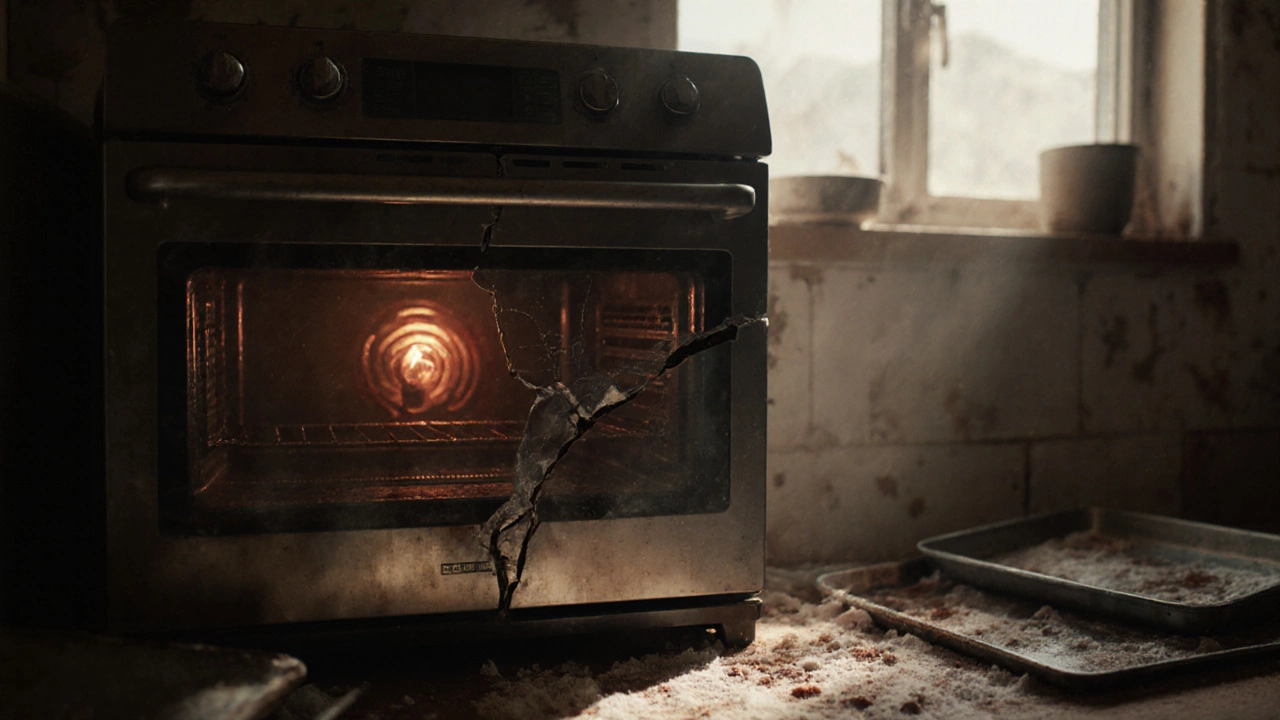
What Is the Life Expectancy of an Oven? Real-World Durability and When to Replace
Most ovens last 10 to 15 years, but signs like uneven heating, high energy bills, or repeated repairs mean it’s time to replace. Learn how to extend your oven’s life and when to walk away.
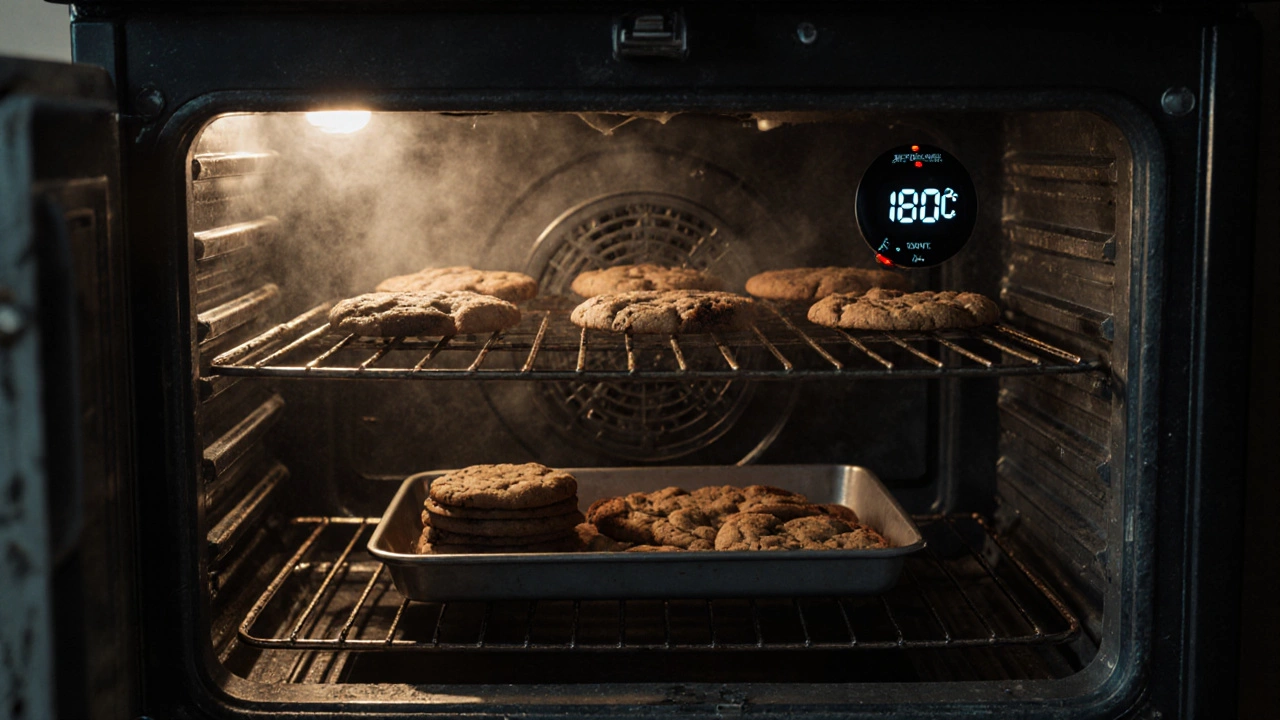
How Do I Know When My Oven Needs to Be Replaced?
Learn the key signs your electric oven needs replacing-uneven heating, rising bills, strange smells, and more. Save money, energy, and avoid safety risks by knowing when to replace instead of repair.