Water Heater Diagnostic Tool
Check the symptoms you are experiencing to get a diagnosis and recommended action.
Select your symptoms and click "Diagnose" to see recommendations.
You’re standing in the shower, waiting for that perfect warm stream, and suddenly it turns ice cold. Or maybe you walk into the laundry room and spot a small puddle near the base of your tank. These aren’t just minor annoyances; they are distress signals from your water heater. Ignoring them often leads to a burst tank at 3 AM or a massive energy bill spike next month. Knowing what to look for can save you hundreds in emergency call-out fees.
The Puddle on the Floor: Is It a Leak or Condensation?
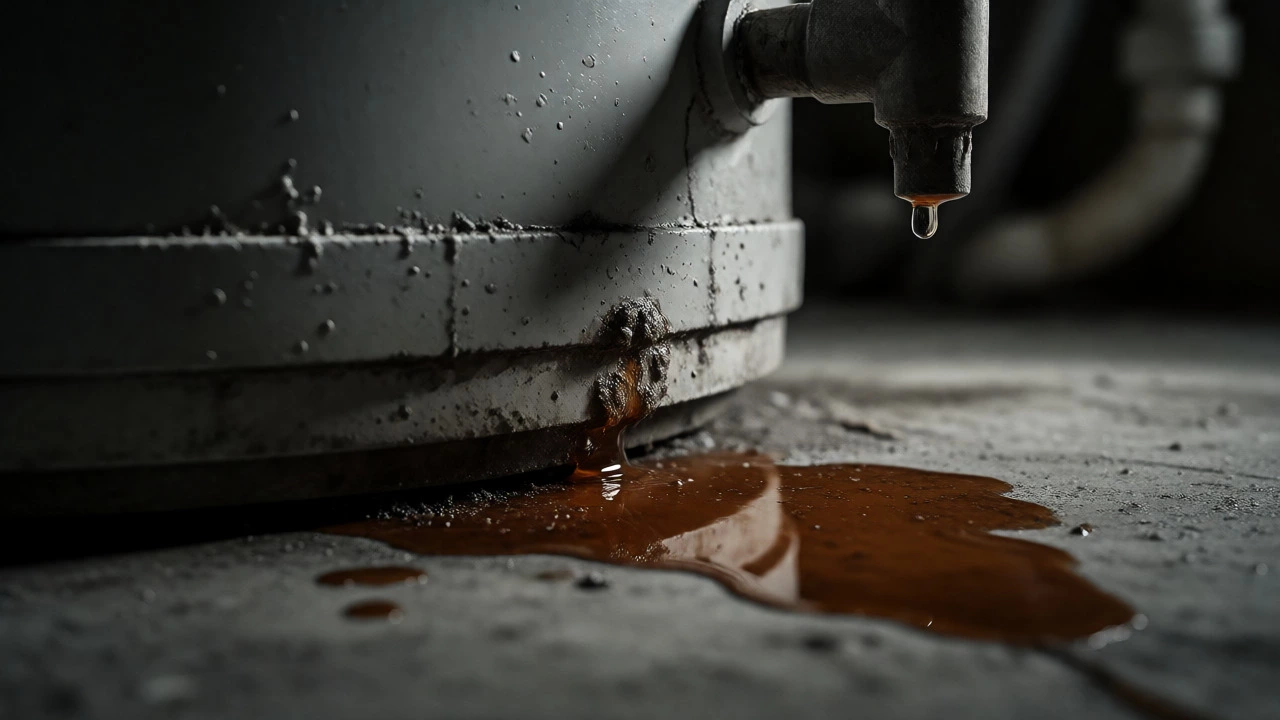
Nothing causes more panic than seeing water where it shouldn’t be. But before you grab a bucket, check the source. A tiny drip from the pressure relief valve is different from a steady stream from the tank body. If the water is clear and coming from the top pipes, it might be condensation, especially in humid Brisbane summers. However, if the water is rusty or coming directly from the tank seams, you have a serious problem.
Tank corrosion is the silent killer here. Over time, sediment builds up inside the tank, causing the bottom metal to rust through. Once the tank itself starts weeping water, no amount of tightening will fix it. You need a replacement. According to standards set by AS/NZS 3500, residential tanks typically last 8-12 years depending on water hardness. If yours is older and leaking, replace it immediately.
Strange Noises: The Sound of Sediment Buildup
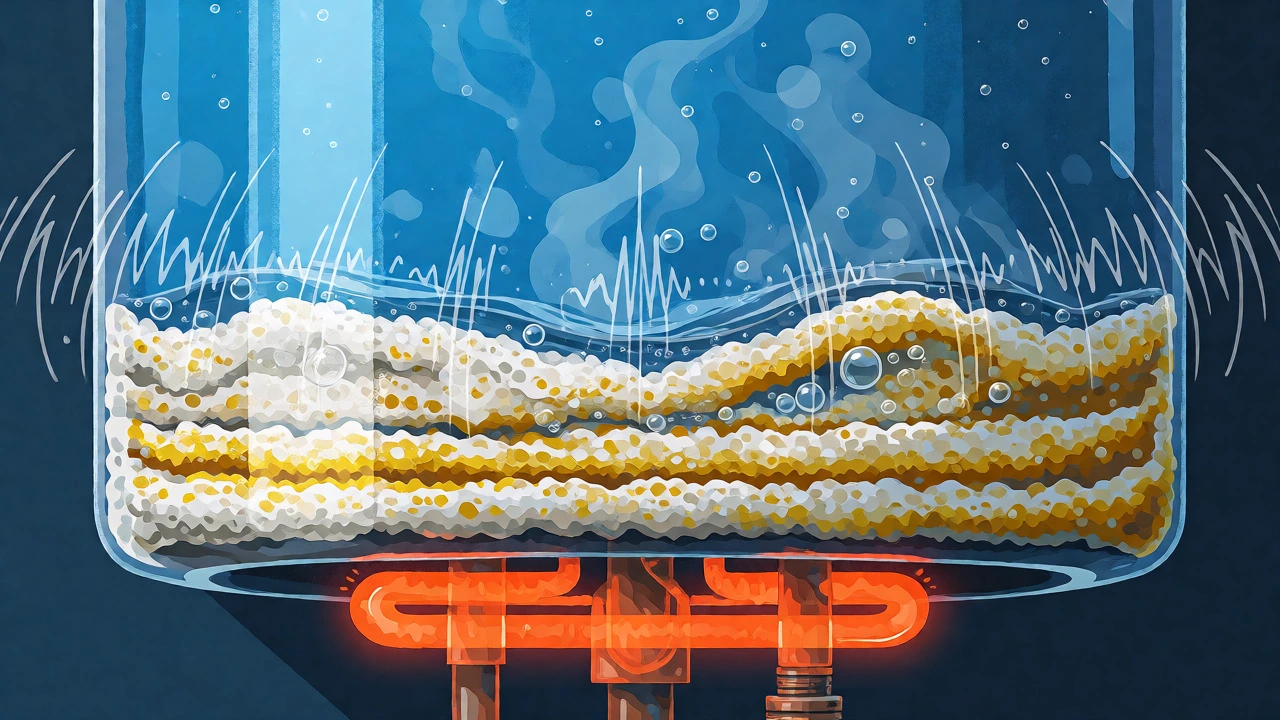
Does your heater sound like a kettle about to boil? Or worse, does it pop and crack like a campfire? That rumbling isn’t normal operation. It’s usually hard water minerals settling at the bottom of the tank. When the heating element fires up, it boils the water trapped under this layer of scale, causing those loud popping sounds.
This isn’t just noisy; it’s inefficient. The sediment acts as an insulator, forcing your unit to work harder to heat the water above it. In areas with hard water, this buildup happens faster. If you hear these noises, flushing the tank might help temporarily, but if the noise persists after a flush, the internal components may already be damaged. Replacing the heating element or the entire unit becomes necessary to prevent catastrophic failure.
Discolored Water: Rust Inside Your Pipes
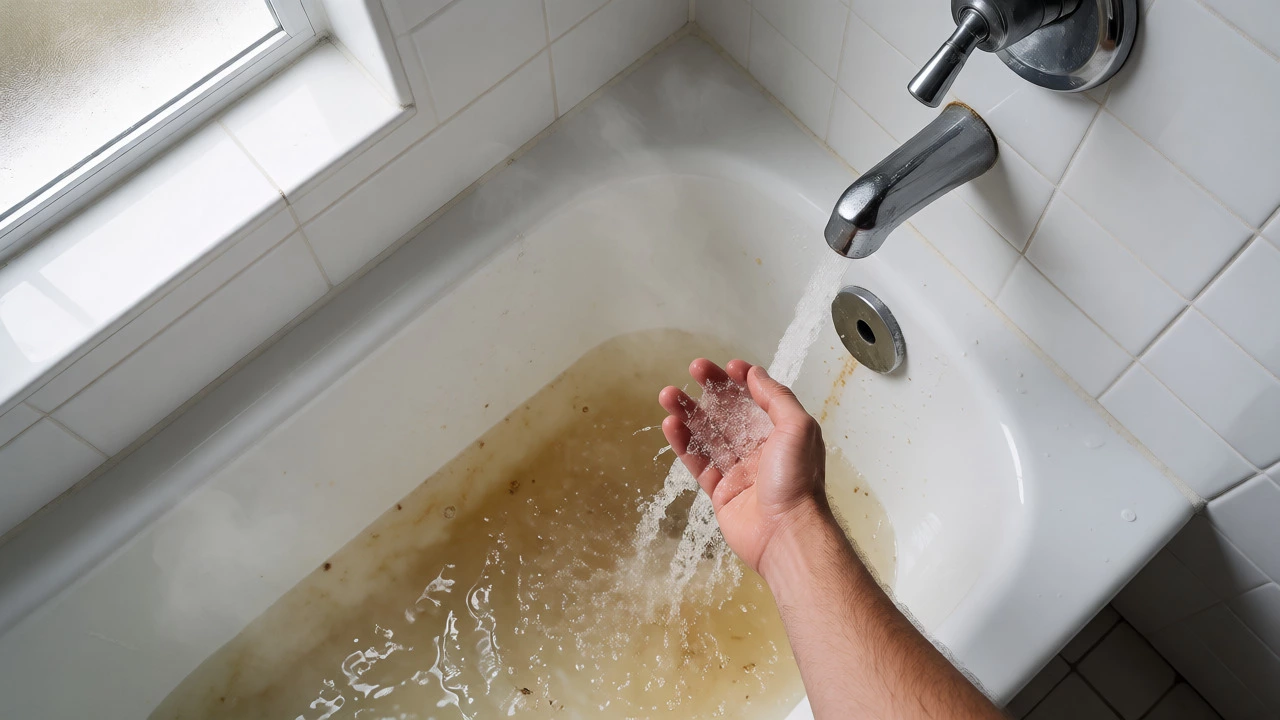
Turn on the hot tap. Is the water brown, yellow, or cloudy? Cold water discoloration usually points to pipe issues, but hot water discoloration almost always comes from the heater. This is a classic sign of internal rusting. The anode rod, a sacrificial component designed to attract corrosive elements, has likely dissolved completely. Without it, the steel tank starts rusting from the inside out.
You might think running the tap until it runs clear fixes it. It doesn’t. The rust keeps coming because the source is still corroding. While replacing the anode rod can extend the life of a newer tank, an old tank with significant rust output is nearing its end. Don’t wait for the rust to clog your faucets and washing machine valves.
Inconsistent Temperature: Too Hot or Not Enough
If your showers are scalding one day and lukewarm the next, something is wrong with the temperature regulation. For electric heaters, this often means a faulty thermostat. One element might be working while the other has failed, leading to uneven heating. For gas units, a failing thermocouple or pilot light issue could cause the burner to cut out prematurely.
Check the thermostat settings. They should be around 60°C (140°F) for most homes. If you turn the dial and nothing changes, the thermostat is dead. Replacing it is a relatively cheap repair compared to a new tank, but only if caught early. If the water never gets hot at all, check if the circuit breaker has tripped. A shorted heating element often trips the breaker repeatedly.
Smell and Taste: Sulfur and Bacteria
Do you notice a rotten egg smell when you use hot water? This is hydrogen sulfide gas produced by bacteria reacting with the magnesium anode rod. It’s harmless health-wise but unpleasant. Switching to an aluminum-zinc anode rod often solves this specific issue without needing a full system overhaul.
However, if the water tastes metallic or chemically, it indicates heavy mineral contamination or degraded internal linings. In some cases, high levels of chlorine in municipal water supplies can accelerate the breakdown of the glass lining inside the tank. If the taste lingers even after flushing, consult a professional to assess whether the tank interior is compromised.
| Symptom | Likely Cause | Urgency Level |
|---|---|---|
| Water pooling at base | Tank leak or loose fitting | High - Replace Tank |
| Rumbling/Popping noises | Sediment buildup | Medium - Flush Tank |
| Brown/Yellow water | Corroded tank/anode rod | High - Inspect/Replace |
| No hot water | Failed element/thermostat | Medium - Component Swap |
| Rotten egg smell | Bacterial reaction with anode | Low - Change Anode |
Age Matters: When to Stop Repairing
Here is a simple rule of thumb: if your water heater is over 10 years old and showing any of the above signs, stop trying to repair it. Repairs on old units are often throwing good money after bad. Parts become scarce, and the risk of a total tank failure remains high regardless of how many thermostats you replace.
Newer models, particularly heat pump water heaters and high-efficiency gas units, offer significant energy savings. In Australia, government rebates sometimes offset the initial cost difference. Calculate your current energy usage versus potential savings. Often, the payback period for a new efficient unit is less than two years, making replacement a smarter financial move than repeated repairs.
Quick Checklist Before Calling a Plumber
- Check the age: Look for the manufacturing date sticker on the side of the tank.
- Inspect the connections: Tighten inlet/outlet pipes gently to rule out loose fittings.
- Test the relief valve: Lift the lever on the pressure relief valve. If it doesn’t snap back or continues dripping, it needs replacement.
- Listen closely: Note exactly when the noise occurs (startup vs. continuous).
- Check the breaker: Ensure the switch hasn’t tripped due to an electrical fault.
How long do water heaters typically last?
Most standard storage tank water heaters last between 8 and 12 years. Gas units tend to last slightly longer than electric ones due to fewer electrical components failing. Regular maintenance, such as annual flushing and anode rod checks, can extend this lifespan toward the upper end of the range.
Can I fix a leaking water heater myself?
If the leak is from a loose connection or the pressure relief valve, yes, you can often tighten or replace those parts yourself. However, if the water is seeping from the tank body itself, it is a structural failure. You cannot patch a rusted tank permanently; it requires a full replacement by a licensed plumber.
Why is my hot water running out quickly?
This is often caused by sediment buildup reducing the effective capacity of the tank. Alternatively, a broken dip tube allows cold water to mix with hot water too early, reducing efficiency. In smaller households, an undersized unit for your demand might also be the culprit. Flushing the tank is the first step to diagnosing this.
Is it safe to shower if my water heater is leaking?
It depends on the severity. A slow drip is manageable for a few days, but you should place a pan underneath. If there is a steady flow or the area around the heater is wet, shut off the power/gas and the water supply immediately. Electrical hazards are a real risk if water reaches the wiring or control panel.
What does a popping noise mean?
Popping or rumbling noises indicate sediment accumulation at the bottom of the tank. Hard water minerals settle there, and when heated, steam bubbles form beneath the sediment layer and burst loudly. This reduces efficiency and stresses the tank walls. Flushing the tank annually prevents this issue.