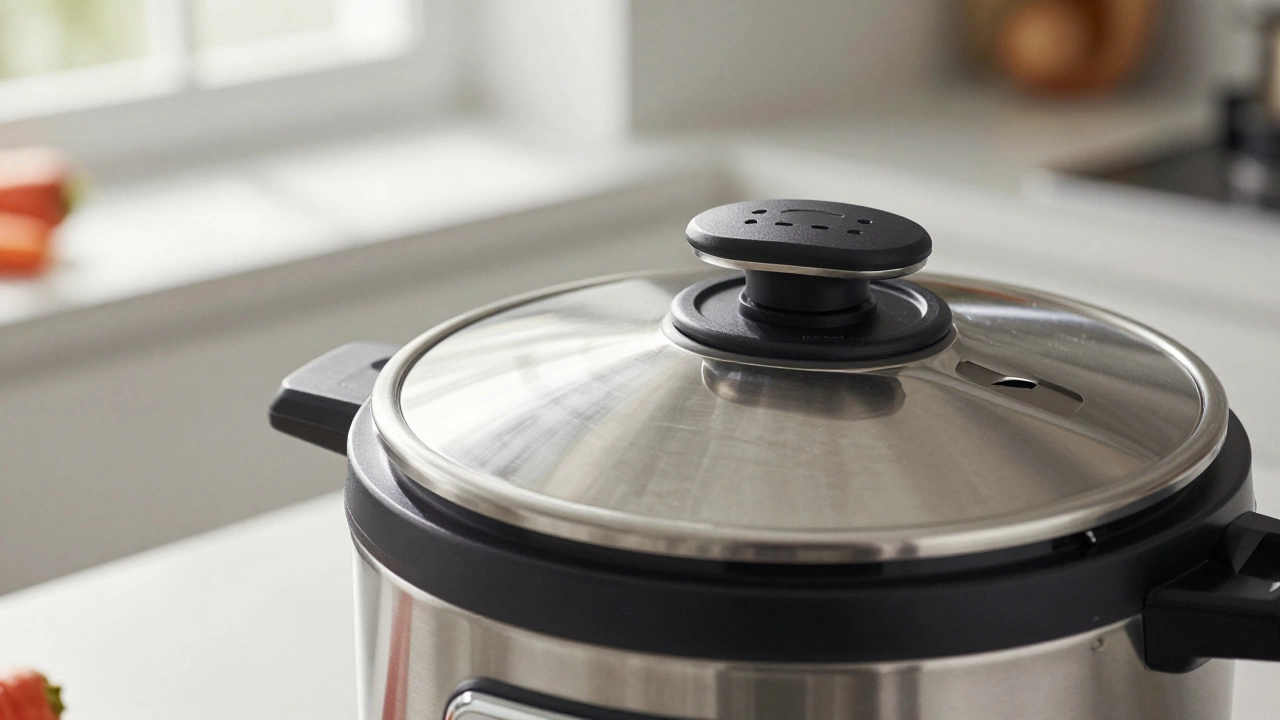
Pressure Cooker Diagnostic Tool
Select your primary symptom below to begin troubleshooting. This tool will guide you through a series of questions to identify the root cause and provide specific repair instructions.
What problem are you experiencing?
Stuck Lid
Won't open or close properlyLeaking Steam
Steam escaping from sidesError Code
Display shows error messageWon't Build Pressure
Float valve won't riseBurn Error
Food burning at bottomValve Problems
Stuck or malfunctioning valveImagine this: you’ve spent twenty minutes prepping ingredients, sealed the pot, and set it to cook. Ten minutes later, instead of a tender roast or fluffy rice, you’re staring at a puddle on your stove. Or worse, the lid is jammed shut like it’s been welded by a blacksmith. Panic sets in. You wonder if you need to call a professional or toss the whole thing in the bin.
You are not alone. Whether you own a traditional stovetop model or a modern electric multi-cooker, pressure cooker issues are among the most common kitchen appliance headaches we see. The good news? Most of these problems aren’t catastrophic failures. They are usually simple fixes involving cleaning, alignment, or replacing a cheap rubber seal.
Understanding how these devices work-and where they typically fail-saves you money, reduces food waste, and keeps your kitchen safe. Let’s break down the most frequent culprits behind pressure cooker malfunctions and how to fix them yourself.
The Stuck Lid Dilemma
If there is one universal fear among pressure cooker owners, it is the lid that won’t open. This happens more often than you might think, especially with newer models or when users rush the cooling process. But before you grab a wrench or try to pry it open with a knife (please don’t), understand why it’s happening.
A pressure cooker works by trapping steam inside a sealed chamber. As the water heats up, it turns to steam, increasing the internal pressure. This higher pressure raises the boiling point of water, allowing food to cook faster. When the cooking cycle ends, that pressure needs to release. If any pressure remains inside, the safety lock mechanism engages. This is a feature, not a bug. It prevents the lid from popping off explosively while hot steam is still trapped inside.
Here is how to handle a stuck lid:
- Wait it out: Natural release can take 15 to 30 minutes depending on the amount of liquid and food density. Patience is your best tool here.
- Quick release carefully: If your recipe allows, use the quick-release valve. Stand back and direct the steam away from your face and hands. Hot steam causes severe burns instantly.
- Cold water trick: For stovetop models, running cold water over the lid (not the bottom) can help condense the steam and lower pressure faster. Never do this with electric models unless the manufacturer explicitly says it’s safe, as water can damage the electronics.
If the pressure is fully released (the float valve has dropped) but the lid still won’t turn, the issue is likely mechanical. Check the alignment marks on the lid and pot. Sometimes, during cleaning, the lid isn’t seated correctly, causing the threads to cross-thread. Gently wiggle the lid while turning it counter-clockwise. If it resists, stop. Forcing it will strip the metal.
Leaks: The Silent Saboteur
A leaking pressure cooker is messy, wasteful, and potentially dangerous. If steam escapes from the sides of the lid rather than through the designated vent, your cooker cannot build pressure. Without pressure, your food won’t cook properly, and the temperature sensor in electric models may trigger an error code.
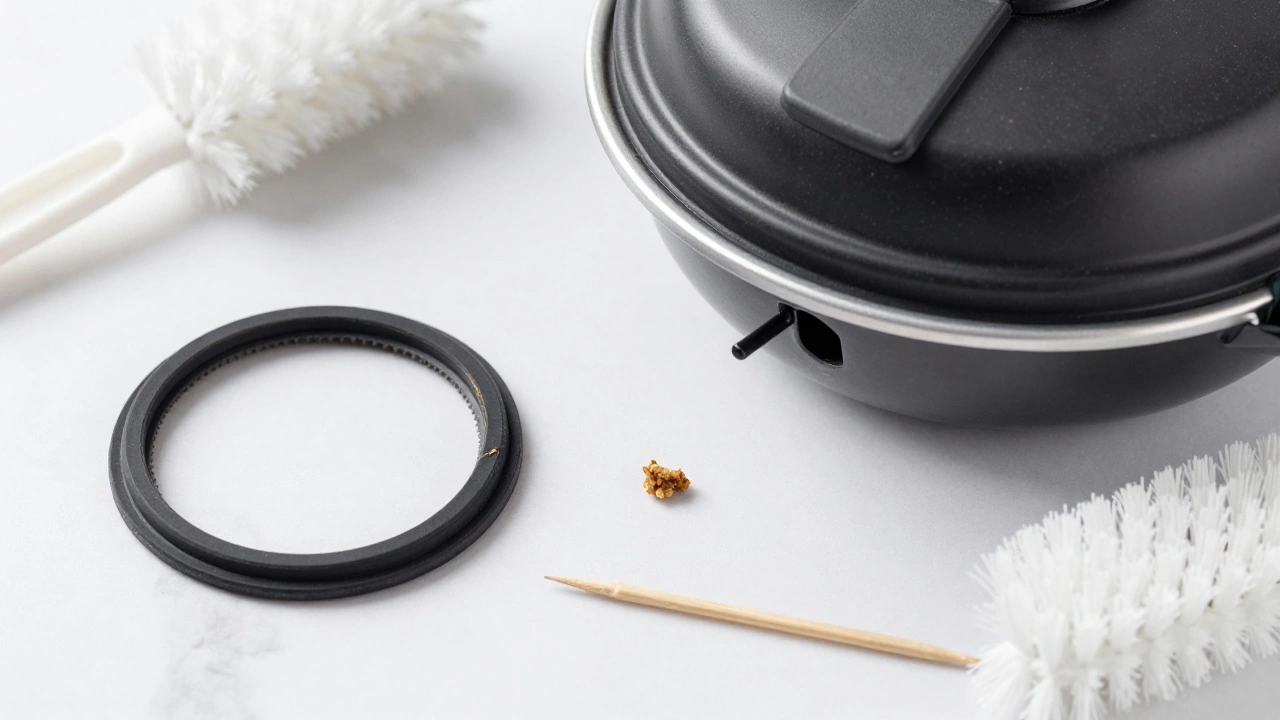
The primary suspect in almost all leak cases is the Silicone Sealing Ring, also known as the gasket. This rubbery ring sits in a groove around the rim of the lid. Over time, heat, grease, and dishwasher detergents degrade the silicone. It becomes brittle, loses its elasticity, or develops tiny cracks. Even a hairline fracture is enough to let steam escape.
Another common cause is food debris. Bits of rice, pasta, or meat sauce can get trapped between the lid and the pot rim. This creates a gap that breaks the seal. Before every use, wipe the sealing surface of both the lid and the pot with a damp cloth. Ensure the sealing ring is seated evenly in its groove without twists or kinks.
If cleaning and reseating the ring doesn’t stop the leak, it’s time to replace it. Silicone rings are inexpensive and widely available for most brands. Consider keeping two rings-one for savory dishes and one for sweet or strong-smelling foods like curry-to prevent flavor transfer. This small habit extends the life of your seals significantly.
The Safety Valve and Venting Issues
The pressure release valve (or regulator weight) is the heart of your cooker’s safety system. It controls when and how steam escapes. Problems here range from minor annoyances to serious hazards.
In stovetop whistling cookers, the weighted valve might stick due to dried-on food residue. If it doesn’t move freely, it can’t regulate pressure accurately. This might cause the cooker to whistle continuously (wasting energy and drying out food) or, worse, fail to release excess pressure. Clean the valve regularly with warm soapy water and a soft brush. Never use abrasive scrubbers that could scratch the metal.
Electric multi-cookers use a different mechanism. They have a manual release button and an automatic anti-block shield. Food particles can clog the steam vent hole under the shield. If you notice steam hissing from the side of the lid instead of the center vent, the path is blocked. Turn off the appliance, unplug it, and let it cool completely. Then, carefully remove the anti-block shield and clean the vent area with a toothpick or small brush.
Never attempt to clean the vent while the cooker is hot or pressurized. Steam burns are no joke. Also, check the float valve-the little pin that pops up when pressure builds. If food debris jams it in the 'up' position, the cooker thinks it’s still pressurized and won’t allow you to open the lid, even after natural release. Clean around the float valve stem to ensure it moves freely.
Error Codes in Electric Models
If you own a digital pressure cooker, you’ve probably seen an error code flash on the screen. These codes are diagnostic tools, not just random glitches. Understanding them helps you troubleshoot quickly.
| Error Code | Typical Meaning | Probable Cause | Fix |
|---|---|---|---|
| HE / E1 | Overheating | Not enough liquid, burnt food at bottom, or faulty heating element | Add liquid, clean inner pot, check heating plate |
| UE / E2 | Lid Not Closed | Lid not aligned, dirty sealing surface, or broken latch | Realign lid, clean rim, inspect latch mechanism |
| FL / F0 | Food Burnt | Thick sauces sticking to bottom, insufficient stirring before pressure | Use deglaze function, add more liquid, avoid creamy sauces at start |
| OC / E4 | Open Circuit | Loose connection between lid and base, or damaged wiring | Check contacts, restart unit, contact support if persistent |
The "Burn" or "Hot" error is particularly common. It occurs when the heating element gets too hot because there isn’t enough liquid to absorb the heat. Thick ingredients like oatmeal, beans, or tomato paste can settle at the bottom and scorch. Always stir thick mixtures well before starting the pressure cycle. Some models have a "Sauté" function that lets you thicken sauces safely before pressurizing. Use it wisely.
If you frequently get "Lid Not Closed" errors despite the lid appearing secure, check the magnetic sensors. Modern electric cookers use magnets to detect if the lid is properly locked. If the magnet in the lid or the sensor in the base is covered in grime, the connection fails. Wipe both areas with a dry cloth. If the problem persists, the sensor might be damaged, requiring professional repair.

When to Call a Professional
Most pressure cooker issues can be resolved with basic maintenance. However, some signs indicate deeper problems that require expert attention. Ignoring these can lead to safety risks or complete appliance failure.
- Cracked Inner Pot: If the stainless steel or non-stick inner pot has visible cracks or deep scratches, replace it immediately. Cracks can worsen under heat and pressure, potentially causing leaks or structural failure.
- Damaged Heating Element: If the base of an electric cooker shows burn marks, warping, or doesn’t heat evenly, the element is failing. This is a fire hazard. Do not continue using it.
- Electrical Faults: Sparks, burning smells from the cord, or tripping circuit breakers mean there’s an electrical short. Unplug the device and contact a certified technician. Do not attempt to open the base housing yourself; high voltage components remain charged even when unplugged.
- Warped Lid or Pot Body: Physical deformation from dropping the cooker or extreme overheating compromises the seal. No amount of cleaning will fix a warped surface. Replacement parts or a new unit are necessary.
In Brisbane, many appliance repair services specialize in major kitchen appliances. While smaller shops might focus on fridges and washing machines, larger centers often handle premium cookware and multi-cookers. Always ask if they carry genuine replacement parts for your specific brand. Generic parts may fit but often lack the durability and safety certifications of original equipment.
Maintenance Tips to Prevent Future Problems
Prevention is always cheaper and easier than repair. Adopting a few simple habits can extend the life of your pressure cooker by years.
- Clean After Every Use: Wash the inner pot, lid, and sealing ring thoroughly. Avoid putting the lid’s electronic components (if any) in the dishwasher unless specified. Hand wash the base exterior with a damp cloth only.
- Inspect Seals Regularly: Every three months, pull out the silicone ring and check for cracks, stiffness, or discoloration. Replace it annually for heavy users.
- Descale Your Cooker: If you live in an area with hard water, mineral buildup can affect heating efficiency and clog vents. Run a cycle with equal parts water and white vinegar, then rinse thoroughly.
- Don’t Overfill: Most manufacturers recommend filling no more than two-thirds full for regular foods and half-full for foamy foods like beans or pasta. Overfilling blocks the steam vent and causes leaks.
- Store Properly: Store the lid upside down on top of the pot or separately. Leaving the lid closed for long periods can deform the sealing ring and trap odors.
By understanding the mechanics behind these common failures, you transform from a frustrated user into a confident operator. Your pressure cooker is a robust tool designed for decades of use. Treat it with respect, keep it clean, and address small issues before they become big ones. Happy cooking!
Why does my pressure cooker leak from the sides?
Side leaks are usually caused by a dirty or damaged silicone sealing ring, food debris on the lid rim, or a misaligned lid. Clean the sealing surfaces thoroughly, ensure the ring is seated correctly in its groove, and check for cracks in the silicone. If the ring is old or hardened, replace it.
Can I force open a stuck pressure cooker lid?
No, never force a stuck lid. If pressure remains inside, forcing it can cause an explosive release of hot steam, leading to severe burns. Wait for the float valve to drop, indicating pressure has released. If the lid is still stuck after pressure release, check for cross-threading or food blockage, and gently wiggle it open.
How often should I replace the pressure cooker sealing ring?
Replace the sealing ring every 6 to 12 months depending on usage frequency. Inspect it monthly for signs of wear such as cracks, loss of elasticity, or permanent deformation. Using separate rings for savory and sweet dishes can also extend their lifespan by reducing odor absorption and chemical degradation.
What does the "Burn" error mean on an electric pressure cooker?
The "Burn" error indicates that the food at the bottom of the pot is overheating or burning. This usually happens when there is insufficient liquid or when thick ingredients like oats, beans, or sauces settle and stick to the heating element. Stir ingredients well before cooking, add more liquid, and use the sauté function to deglaze the pot before pressurizing.
Is it safe to use a pressure cooker if the safety valve is stuck?
No, it is not safe. The safety valve regulates internal pressure. If it is stuck closed, pressure can build to dangerous levels, risking explosion. If it is stuck open, the cooker cannot reach pressure, and food won’t cook properly. Clean the valve thoroughly or replace it before using the cooker again.