Extractor Fan Installation Guide & Cost Estimator
Step 1: What is the job?
Select the scenario that best matches your situation.
Step 2: Complexity Check
Answer these questions to refine your needs.
Professional Required
Description goes here.
Safety & Legal Warning
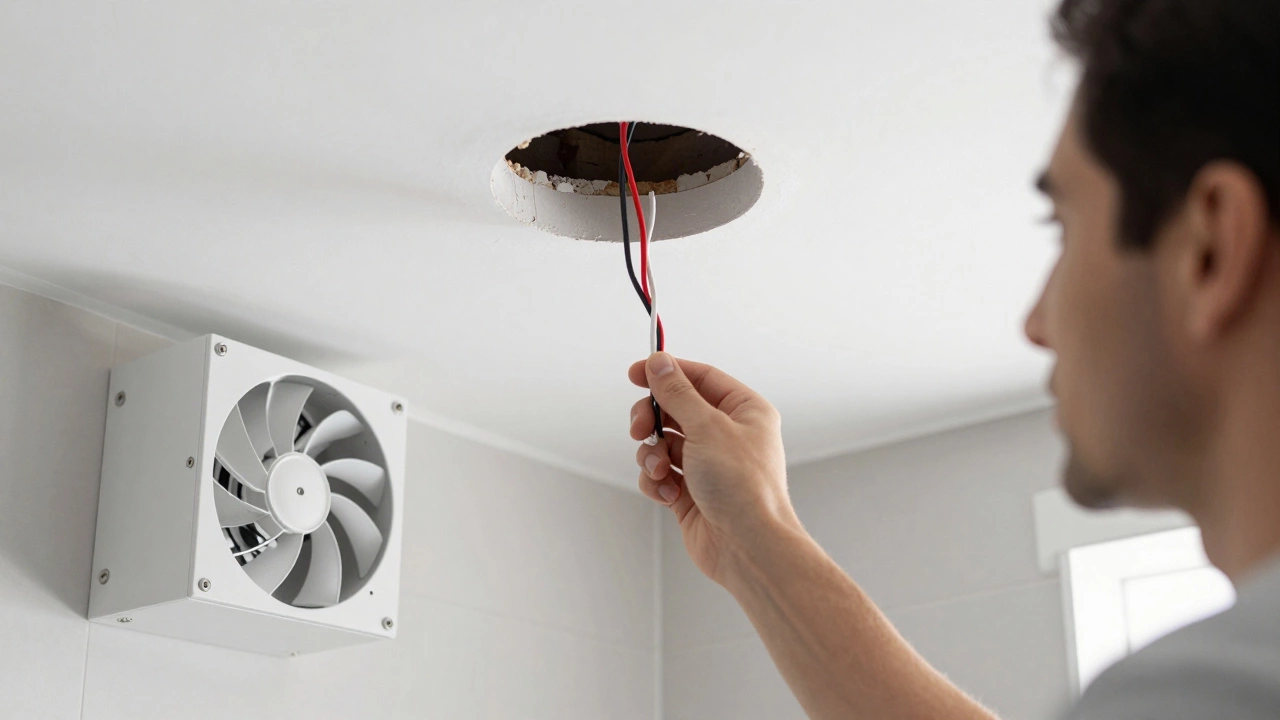
You stare at the hole in your ceiling. The old fan is gone, and the new box sits on the counter. It looks simple enough, right? Just screw it in and plug it in. But then you look at the wires. Red, black, white... and maybe a switch wire that doesn't seem to match anything in your wall. Who actually puts these things in? Is it an electrician? A plumber? Or can you handle it yourself?
The answer isn't as straightforward as you might think. It depends entirely on where the fan is going, what kind of power it needs, and whether you are dealing with ducting or just a simple swap. In Brisbane, where humidity can make a bathroom feel like a swamp within minutes of a shower, getting this right matters for more than just airflow. It matters for mold prevention and safety.
Is It a Simple Swap or a New Installation?
Before we talk about who does the work, we need to define the job. There are two very different scenarios here. The first is a like-for-like replacement. You have an existing extractor fan. It died. You bought a new one that fits the same hole and uses the same electrical connection. This is often a DIY job if you are comfortable with basic tools.
The second scenario is a new installation. You never had a fan before. You need to cut a hole in the plasterboard, run a duct through the roof or an external wall, and pull new electrical wiring from a junction box or light switch. This is rarely a weekend project for a beginner. It involves structural changes and electrical work that usually requires a licensed professional.
| Task | DIY Friendly? | Pro Required? |
|---|---|---|
| Replacing a dead fan with same model | Yes (if wired correctly) | No |
| New hole in ceiling/wall | Moderate (tools needed) | Recommended |
| Running new electrical cable | No (Safety Risk) | Yes (Electrician) |
| Connecting to main switchboard | No (Illegal/Dangerous) | Yes (Licensed Electrician) |
| Ducting through roof space | Moderate | Recommended |
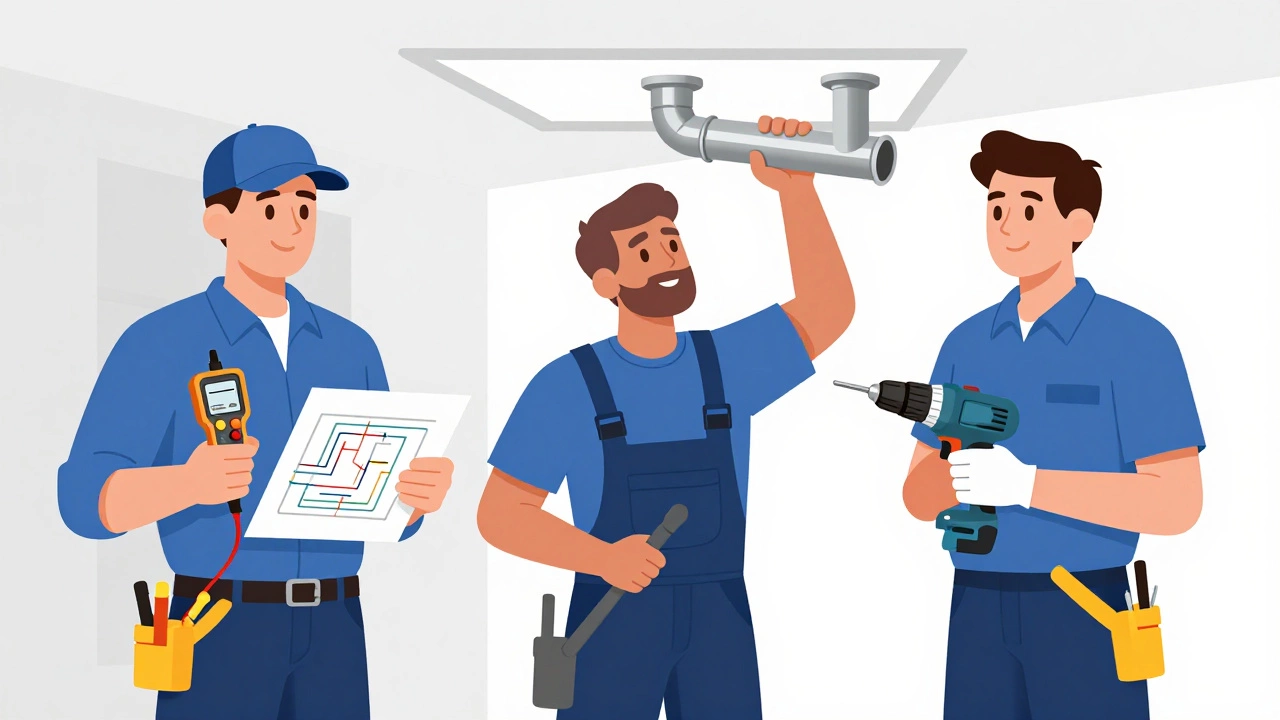
The Electrician: When Power Comes Into Play
If your new extractor fan requires a new power source, you need an electrician a licensed tradesperson qualified to install, maintain, and repair electrical systems. In Australia, electrical work is strictly regulated. You cannot just splice wires into a light switch unless you are licensed. Even if you are handy, touching live wires without certification is dangerous and illegal.
An electrician will handle the "rough-in" phase. They run the low-voltage control wire and the mains power cable from your switchboard to the location of the fan. They ensure the circuit has enough capacity. Most modern extractor fans run on 240V AC, but some high-end models use low voltage DC motors for quieter operation. These often require a transformer. An electrician knows how to size that transformer and wire it safely.
Here is a pro tip: If you are renovating a bathroom, call the electrician early. It is much cheaper to run a cable while the walls are open and drywall hasn't been installed yet. Once the plasterboard is up, they have to cut holes, fish wires, and patch paint. That costs extra time and money.
The Plumber: The Ducting Specialists
This surprises people. Why would a plumber install a fan? Because an extractor fan is part of your home's ventilation system, which is closely tied to plumbing codes. In many cases, especially in commercial kitchens or large bathrooms, plumbers are certified to install exhaust ducting. They know how to route pipes through wet areas without causing leaks or structural damage.
For residential homes, a plumber might not wire the fan, but they are excellent at installing the ductwork. They ensure the duct goes straight out of the house, not into the roof cavity (which causes condensation issues). They also install the external grille or rain cap. If you hire a plumber for a bathroom renovation, they can often coordinate with the electrician to get both jobs done seamlessly.
In Brisbane, we deal with heavy rain. A plumber ensures that the external vent is positioned so water doesn't blow back into the duct during a storm. They also check that the duct material is rigid metal or high-quality plastic, not flexible foil tape, which collapses and traps moisture.
The Handyman: The Middle Ground
Sometimes you don't need a full-blown electrician or plumber. You might have a spot where a previous fan was removed, and the wiring is still there, capped off neatly. You just need someone to mount the new unit, connect the wires using Wago connectors (the push-in type), and seal the edges. This is where a general handyman comes in.
A good handyman can handle the mechanical side of the installation. They drill the mounting holes, secure the bracket, and fit the faceplate. However, be careful. Not all handymen are allowed to do electrical connections. Check their license. If they say they can "just twist the wires," walk away. In Queensland, even simple splicing should be done by someone with an electrical license to comply with the Electrical Safety Act.
Can You Do It Yourself? The DIY Reality Check
Let’s be honest. Many homeowners want to save the $150-$300 labor cost. If you fall into the "like-for-like replacement" category, you probably can do it. Here is what you need to check before you start:
- Power Off: Turn off the circuit breaker. Test the wires with a voltage tester. Never trust the switch alone.
- Wiring Match: Does the new fan have the same wire colors and functions as the old one? Usually, Live (Red/Brown), Neutral (Blue/White), and Earth (Green/Yellow) are standard. If the new fan has a humidity sensor or timer, it might need a constant live feed, not just a switched live. This complicates things.
- Ducting Size: Ensure the new fan matches the diameter of your existing duct. Mismatched sizes cause noise and poor performance.
- Sealing: Use silicone caulk around the edges to prevent air leaks. Air leaks reduce suction and let pests in.
If any of these steps make you nervous, stop. Call a pro. A bad installation can lead to electrical fires or carbon monoxide buildup if the fan fails to vent properly.
Common Mistakes to Avoid
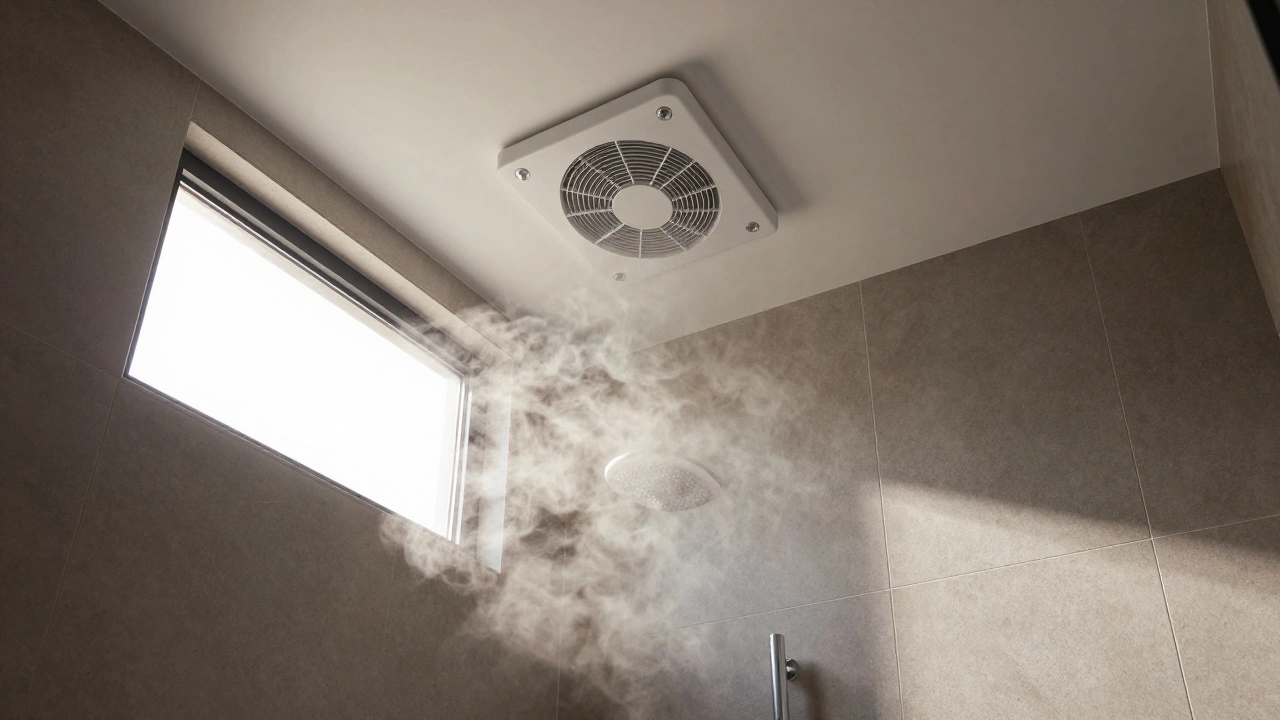
I see the same errors over and over in Brisbane homes. First, people install the fan too far from the shower or bath. For effective moisture removal, the fan should be directly above or adjacent to the water source. If it is on the opposite side of the room, it won’t catch the steam before it spreads.
Second, they use flexible ducting. Flexible aluminum ducts are cheap and easy to bend, but they create turbulence. Turbulence creates noise and reduces airflow. Always use rigid PVC or metal ducting for the main run. Only use flexible duct for the final short connection if absolutely necessary.
Third, ignoring the external vent. Many people forget to clean the external grille. Leaves, bird nests, and dirt block the opening. If the fan works hard but the exit is blocked, pressure builds up inside the duct, potentially blowing the seals and leaking moist air into your roof space. Check the exterior vent every six months.
Cost Breakdown: What Should You Pay?
Pricing varies based on complexity. Here is a rough guide for Brisbane in 2026:
- Simple Replacement (DIY): Cost of fan only ($50-$150).
- Handyman Mount & Connect: $80-$150 labor + parts.
- Electrician New Install (Wiring Only): $200-$400 depending on distance from switchboard.
- Full Install (Electrician + Ducting): $300-$600 including materials.
- Commercial Kitchen Hood: $1,000+ due to grease filters and heavy-duty ducting.
Always ask for a fixed quote. Avoid hourly rates for new installations because unexpected issues (like finding old asbestos or rotting timber) can inflate the bill quickly.
Choosing the Right Fan for Your Space
Who installs it matters less if you buy the wrong fan. Match the fan to the room size. A small bathroom needs a fan with an airflow rating of at least 10 liters per second (L/s). Larger bathrooms or ensuites may need 20 L/s or more. Kitchen range hoods need higher extraction rates, often measured in cubic meters per hour (m³/h). Look for a minimum of 600 m³/h for a standard cooktop.
Also consider noise levels. Measured in decibels (dB), a quiet fan runs under 30 dB. Anything louder than 40 dB will annoy you every time you turn on the tap. Brands like Fantech, Renson, and Broan offer reliable options available locally in Australia.
Do I need an electrician to install an extractor fan?
If you are replacing an existing fan with a new one that uses the same wiring and location, you may not need an electrician if you are competent with basic electrical safety. However, if you are installing a new fan where no power exists, or running new cables from the switchboard, you legally require a licensed electrician in Australia.
Can a plumber install an extractor fan?
Plumbers typically handle the ducting and ventilation aspects of the installation. They can install the housing and connect the ductwork. However, they usually cannot perform the electrical wiring unless they hold a dual trade license. It is common to hire a plumber for the ducting and an electrician for the power.
How much does it cost to install a bathroom extractor fan in Brisbane?
A simple replacement costs between $80 and $150 for labor. A new installation involving electrical wiring and ducting typically ranges from $300 to $600. Prices vary based on the difficulty of accessing the roof space and the distance from the nearest power source.
What is the difference between a ducted and non-ducted fan?
Ducted fans push moist air outside your home through a pipe. Non-ducted (recirculating) fans filter the air and push it back into the room. Ducted fans are superior for moisture control and preventing mold. Non-ducted fans are only suitable if external venting is impossible, such as in some apartments.
Why is my extractor fan noisy after installation?
Noise is often caused by improper ducting. Using flexible ducting creates turbulence. Also, if the fan is not level or the mounting brackets are loose, it vibrates against the ceiling. Ensure the duct is straight, rigid, and securely sealed. Check that the fan is mounted tightly to the frame.