Gas Appliance Troubleshooter
Follow these steps in order to identify why your gas appliances aren't working. Each step builds on the previous one.
Step 1: Safety First - Smell Test
Check for gas leaks before proceedingDo you smell anything like rotten eggs or sulfur?
Step 2: Check Main Gas Valve
Verify the main isolation valve positionLocate your main gas stopcock (usually near where gas enters your home). Look at the handle position:
Valve Position
Perpendicular (90°) = Gas is OFF
Step 3: Inspect Gas Meter
Check for Emergency Control Valve and meter activityVisual representation of gas meter dial
• Is there a button pushed in on the meter face? (ECV)
• Does the dial spin when an appliance runs?
• Is the digital display blank or showing errors?
Step 4: Power & Ignition Systems
Check electrical supply and ignition typesElectronic Ignition
Modern appliances that require electricity to spark the gas
Standing Pilot Light
Older appliances with continuous small flame
Step 5: External Factors
Check neighborhood and utility issuesSometimes the problem isn't inside your house at all. Utility maintenance or roadwork can affect gas supply to entire neighborhoods.
Current Status
Complete each step to receive a diagnosis
Quick Reference
- Main valve parallel ON
- Main valve perpendicular OFF
- ECV button out Normal
- ECV button in Tripped
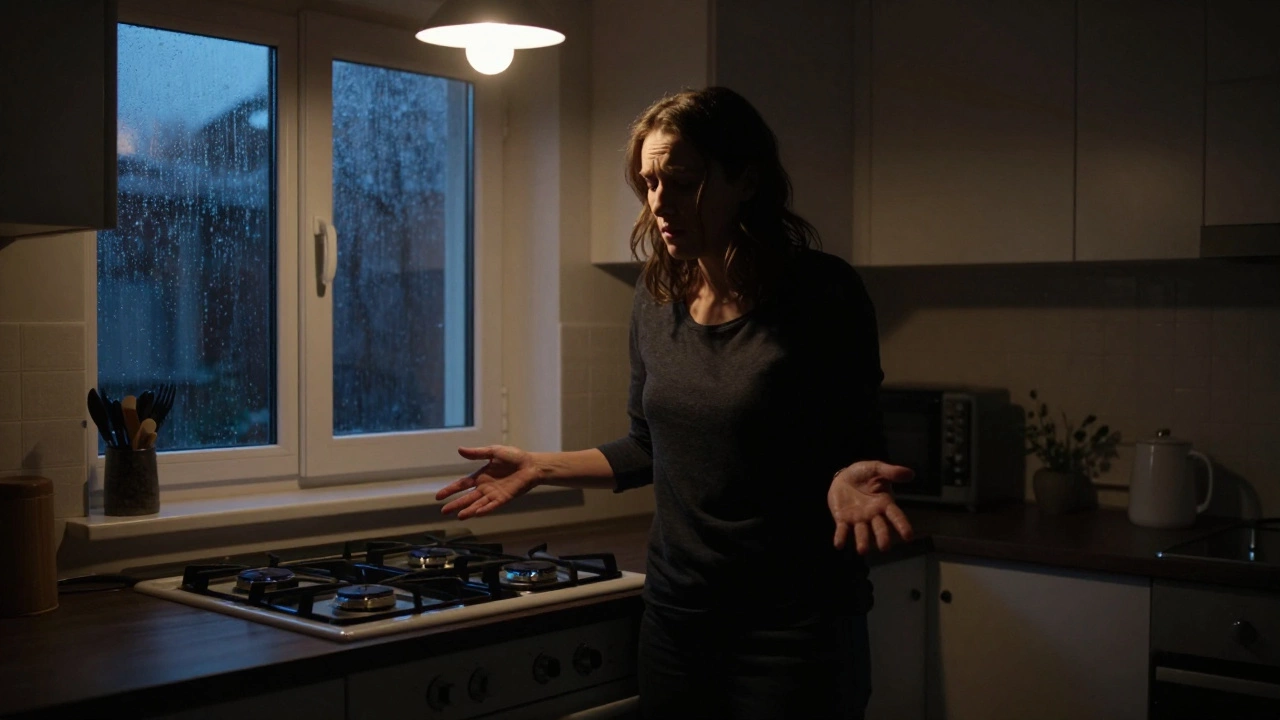
Imagine coming home to a cold house, a dark kitchen, and no hot water. You reach for the stove, turn on the boiler, and flip the switch on the dryer-nothing happens. It is a frustrating scenario that turns your comfortable home into an uncomfortable maze of dead equipment. But before you start calling three different repair technicians or tearing apart your walls, there is likely one simple explanation: the gas isn't reaching them.
When multiple gas appliances fail simultaneously, it is rarely a coincidence that every individual unit broke down at the exact same second. Instead, this points to a systemic issue with the gas supply itself. Whether it is a tripped safety valve, an empty meter, or a main line disruption, identifying the root cause quickly can save you hundreds of dollars in unnecessary service calls. Here is how to troubleshoot why none of your gas appliances are working, safely and effectively.
The First Rule: Smell and Sense
Before you touch any knobs or switches, pause and use your senses. The most critical question is: do you smell gas? Natural gas is odorless, but utility companies add a chemical called mercaptan to give it that distinct rotten egg scent. If you detect this smell anywhere in your home, do not proceed with troubleshooting. Do not flip light switches. Do not use your phone inside the house. Leave immediately and call your local gas emergency number from outside.
If there is no smell, you are likely dealing with a mechanical or supply interruption rather than a leak. This is good news. It means you can safely investigate the source of the outage without risking an explosion. However, if you suspect a leak even slightly, err on the side of caution. Evacuate and let the professionals handle it.
Check the Obvious: Is the Gas On?
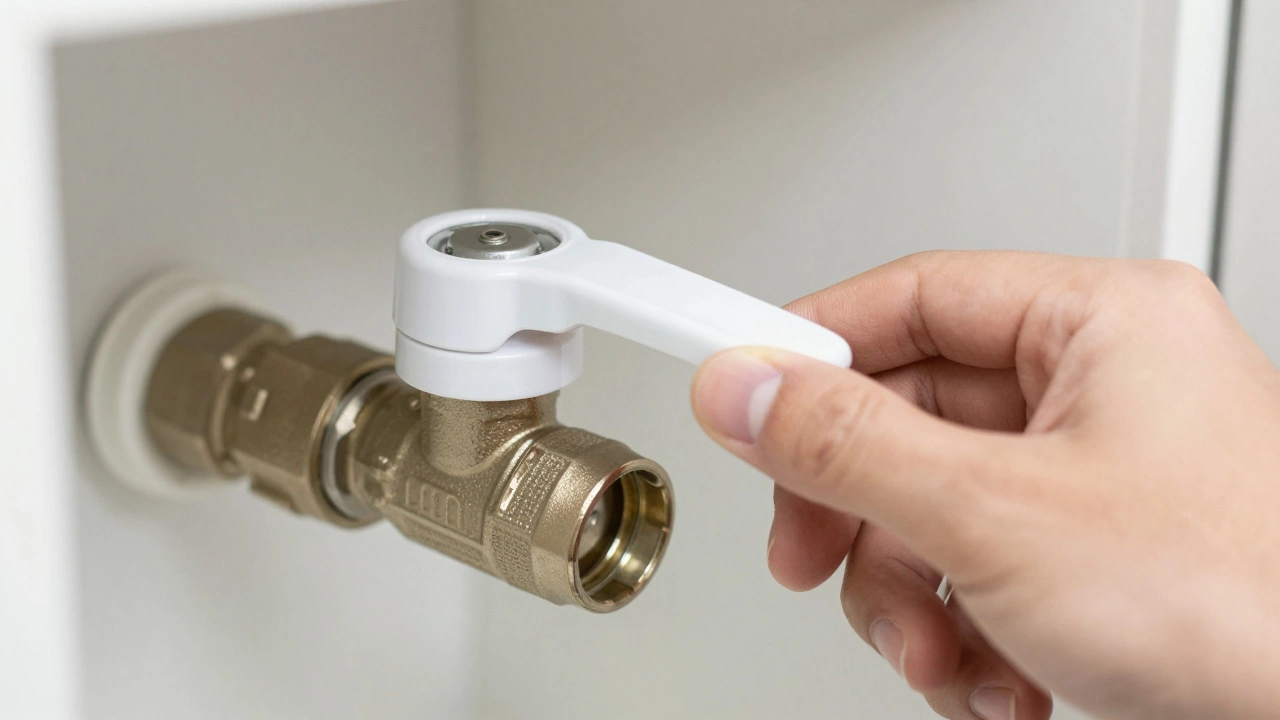
It sounds trivial, but it happens more often than you might think. Have you recently had work done on your home? Did a contractor replace a pipe or install a new appliance? Sometimes, the main isolation valve gets accidentally turned off during renovations. Locate your main gas stopcock. In many homes, this is a lever-style valve located near where the gas pipe enters the building, often in the basement, garage, or utility room.
Look at the position of the handle. If the handle is perpendicular (at a 90-degree angle) to the pipe, the gas is off. If it is parallel to the pipe, it is on. If you find it closed, try turning it back on slowly. Wait a few minutes for the pressure to stabilize, then test your appliances. If they start working, you have solved the problem. If not, move to the next step.
Where is my main gas isolation valve located?
The location varies by region and home age. In the UK, it is often under the kitchen sink or in the hallway cupboard. In the US, it is typically found where the gas line enters the home, often near the water heater or furnace. Check your home's utility closet or basement for a white or black lever connected to the gas pipe.
The Gas Meter: Your Supply Dashboard
Your gas meter is the gatekeeper between the street supply and your home. Modern digital meters often display error codes or simply go blank when power is lost or when the internal battery dies. Older analog meters with spinning dials can also provide clues. Look through the glass window of your meter. If you have a dial, it should be spinning slowly when an appliance is running. If it is completely still while you have a burner lit, the gas is not entering your home.
Some modern meters have an Emergency Control Valve (ECV). This is a small plastic button or switch on the face of the meter. If this has been pushed in, it cuts off the gas supply to the entire house as a safety measure. This can happen if the meter was bumped, dropped, or if there was a significant pressure surge. To reset it, you usually need to pull the button out. However, if you are unsure, do not force it. A stuck ECV requires a technician to replace the meter or reset the mechanism properly.
Pilot Lights and Ignition Systems
If your gas supply is active but your appliances still won't work, consider the type of ignition system they use. Older boilers and ovens rely on standing pilot lights-a small flame that stays lit continuously to ignite the main burners. If the wind blew out the pilot, or if the thermocouple failed, the appliance will shut off the gas flow to prevent leaks. If you have multiple older appliances, it is unlikely all pilots went out at once unless there was a strong draft or power fluctuation affecting their sensors.
Newer appliances use electronic ignition. These require electricity to spark the gas. If your home recently experienced a power outage, your gas appliances might appear "dead" because their control boards lost power. Once power returns, some systems reset automatically, while others require a manual reboot. Check the display panels on your boiler, oven, or dryer. Are they showing error codes? A code like "E1" or "F28" often indicates an ignition failure or a lack of gas flow, which helps narrow down whether the issue is electrical or fuel-related.
| Cause | Symptoms | Solution |
|---|---|---|
| Main Valve Closed | No gas flow to any device; valve handle perpendicular to pipe. | Turn handle parallel to pipe. |
| Meter ECV Tripped | Meter button is pushed in; no gas flow despite open valves. | Pull button out or call gas company. |
| Utility Outage | Neighbors also have no gas; meter shows zero flow. | Contact local gas provider. |
| Power Loss | Electronic igniters don't spark; displays are blank. | Wait for power restoration; reset units. |
Is It a Neighborhood Issue?
Sometimes, the problem isn't inside your house at all. Utility companies perform scheduled maintenance on main lines, or accidental damage from roadwork can sever the primary feed. If your neighbors are also complaining about no gas, the issue is external. Check your local utility company's website or social media pages for outage maps. They often post updates faster than they can answer phone calls.
If you live in an apartment complex, the building manager may have shut off the gas for maintenance. Ask a neighbor or check community bulletin boards. Knowing the scope of the outage saves you from diagnosing a problem that is miles away from your doorstep.
When to Call a Professional
If you have checked the main valve, verified the meter, confirmed power is on, and ruled out neighborhood outages, yet your appliances remain dead, you have a blockage or a fault within your internal piping. This could be a collapsed hose, a clogged regulator, or a faulty manifold. Attempting to fix internal gas lines yourself is dangerous and often illegal without proper certification.
Contact a licensed gas engineer or plumber. Explain that you have already isolated the issue to the internal supply line. This information helps them prepare the right tools and parts, potentially reducing the time they spend at your home. Never ignore a persistent gas supply issue. Running appliances without adequate pressure can lead to incomplete combustion, producing carbon monoxide-a silent, deadly gas.
Preventing Future Headaches
Once the issue is resolved, take steps to prevent recurrence. Install carbon monoxide detectors on every floor, especially near sleeping areas. These devices alert you to dangerous byproducts of gas combustion before they become lethal. Additionally, label your main gas shut-off valve clearly so that in an emergency, anyone can locate and operate it instantly. Consider having your gas lines inspected annually, especially if your home is over 20 years old. Corrosion and wear can weaken connections, leading to intermittent supply issues that escalate into total failures.
Understanding your home's gas infrastructure empowers you to act calmly during an outage. By following these logical steps, you can distinguish between a simple user error and a serious mechanical failure, ensuring both safety and efficiency in your home.
Can I reset a tripped gas meter myself?
In many regions, homeowners can reset the Emergency Control Valve (ECV) by pulling the button out. However, laws vary. If you are unsure or if the button does not stay out, contact your gas supplier. Forcing it can damage the meter or create a leak.
How long does it take for gas to return after resetting the valve?
It usually takes a few minutes for pressure to stabilize throughout the pipes. After turning the main valve on, wait 5-10 minutes before attempting to relight pilots or using appliances. This ensures air pockets are cleared and pressure is consistent.
Why would my gas bill be high if appliances aren't working?
If appliances are not working but your bill is high, you may have a slow leak. Gas continues to flow and register on the meter even if it isn't being used. If you suspect a leak, evacuate and call emergency services immediately.
Do gas appliances need electricity to work?
Modern appliances with electronic ignition require electricity to spark the gas. Older models with standing pilot lights do not need power to ignite, but their fans and controls might. During a power outage, check if your appliances have backup batteries or manual override options.
Is it safe to leave the main gas valve on when not in use?
Yes, it is generally safe to leave the main valve on if your appliances are functioning correctly and you have working CO detectors. Shutting it off is only necessary during emergencies, long vacations, or repairs. Frequent cycling of the valve can wear out the mechanism.