Brisbane Hot Water Diagnostic Tool
What type of system do you have?
Most Brisbane homes use either Electric or Gas systems. The location of your unit usually gives it away.
Describe the symptoms
Be honest! This helps us distinguish between a plumbing blockage and a mechanical failure.
Diagnosis Complete
It’s a Tuesday morning in Brisbane. You’re rushing to get ready for work, and you turn on the shower expecting a warm rinse. Instead, you get a blast of icy water that makes you jump back. Five minutes later, you walk into the kitchen to make coffee, and the tap runs with perfectly hot water. What gives? Your brain tells you the system is broken, but your gut says it’s just weirdly inconsistent.
This isn’t a ghost in the pipes. It’s usually a simple mechanical or plumbing issue. In fact, about 40% of hot water complaints in Queensland homes stem from this exact scenario: one fixture works, another doesn’t. The good news? You don’t always need a full replacement. Often, it’s a fix you can diagnose yourself before calling a pro.
The Two Most Likely Culprits
When hot water reaches the kitchen but not the bathroom, we have to look at how your home distributes heat. There are two main systems in play here: Electric Hot Water Systems and Gas Hot Water Cylinders. Both work differently, which means the failure points differ too.
- Distance and Pipe Lagging: If your kitchen is close to the hot water unit (often located under the house or in the roof space) and the bathroom is far away, the water might be cooling down in the pipes. This is common in older Brisbane homes with poor insulation.
- Thermostat or Element Failure: In electric systems, if the lower heating element fails, you might still get some hot water from the top tank, but it won’t last long or reach distant taps.
- Blocked Mixer Valve: In bathrooms, mixer taps combine hot and cold water. If the hot side is blocked by sediment or limescale, you’ll only feel cold water coming out.
Let’s break these down so you know exactly what to check first.
Is It a Distance Problem?
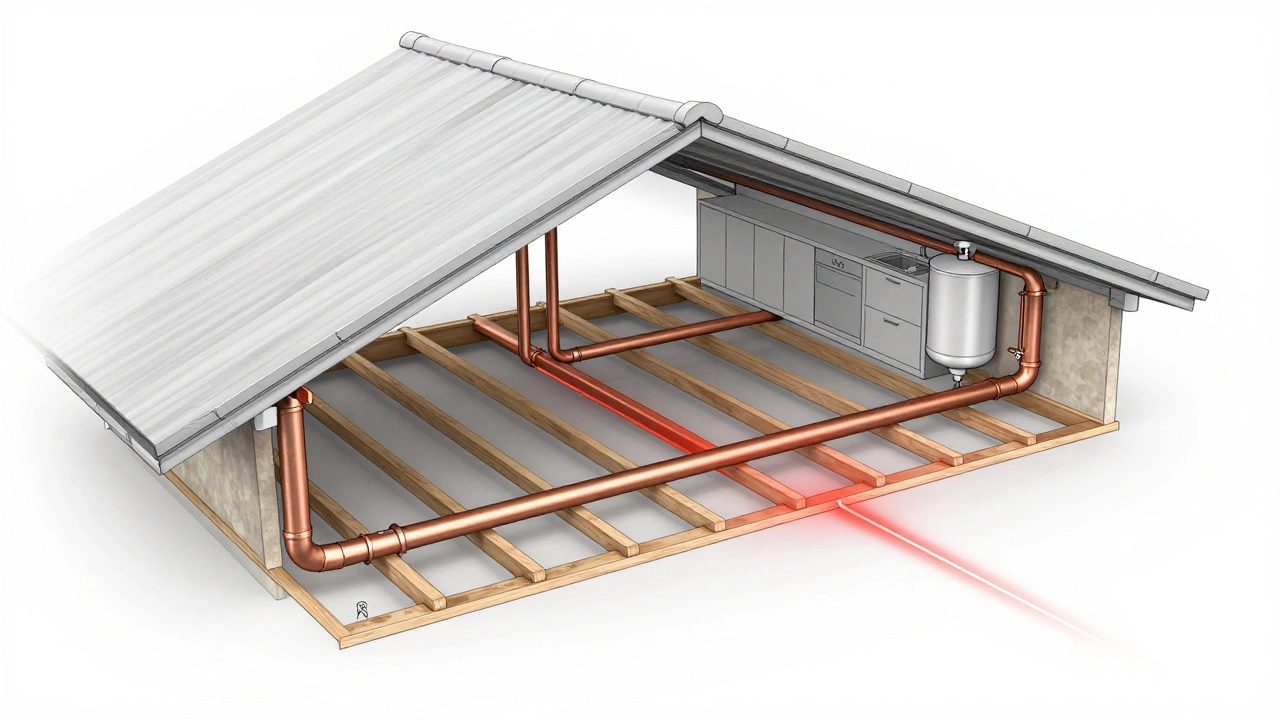
In many Australian homes, especially those built before 2010, the hot water cylinder is tucked away in the roof cavity or under the floorboards. If your kitchen sink is right next to this unit, you’ll get instant hot water. But if your bathroom is on the other side of the house, that water has to travel through meters of uninsulated pipe.
Here’s the thing about physics: water loses heat as it sits in pipes. In summer, the ambient temperature helps keep it warm. But in winter, or if your pipes run through an unheated garage, that water cools significantly before it ever reaches your showerhead.
| Symptom | Likely Cause | Quick Test |
|---|---|---|
| Hot water takes 2+ minutes to arrive | Poor insulation / Long distance | Run water until hot; measure time |
| No hot water at all in bathroom | Blocked valve / Failed element | Check other bathroom taps |
| Hot water stops after 30 seconds | Low capacity / Thermostat issue | Run kitchen tap simultaneously |
If your hot water eventually gets warm but takes forever, you likely need better pipe lagging. Foam pipe insulation costs around $2-$5 per meter and can be installed DIY-style. Wrap every inch of exposed hot water pipe, especially those running through cool areas like subfloors.
The Electric System Check
If you have an Electric Hot Water Cylinder, a storage tank heated by immersion elements controlled by thermostats. These units typically have two heating elements: an upper one for quick recovery and a lower one for maintaining overall temperature.
When the lower element burns out, the top half of the tank stays warm, but the bottom stays cold. Since hot water rises, you might still get a short burst of warmth at nearby taps (like the kitchen), but distant fixtures (like the bathroom) draw from the colder bottom layer first. This explains why your kitchen works but your shower doesn’t.
To test this:
- Turn off power to the hot water unit at the switch near the cylinder.
- Remove the access panel on the front of the unit.
- Use a multimeter to check continuity on both heating elements.
- If one reads infinite resistance, it’s dead and needs replacing.
Replacing an element costs between $80-$150 in parts, plus labor if you hire someone. Many Brisbane plumbers charge $90-$120 per hour for this job. If you’re handy, it’s a straightforward swap-just remember to drain the pressure first!
Gas Hot Water Issues
If you use a Gas Hot Water System, a unit that heats water via natural gas or LPG combustion. the problem is rarely the burner itself. Gas heaters fire up quickly and heat the entire tank uniformly. So if the kitchen is hot, the tank is likely working fine.
Instead, blame the plumbing. Specifically, check your isolation valves. Every hot water outlet should have a small valve where the pipe connects to the wall. Over time, these can corrode shut or get partially blocked by debris from old pipes.
Try this:
- Locate the hot water isolation valve behind your bathroom vanity or near the shower riser.
- Ensure it’s fully open (handle parallel to the pipe).
- If it feels stiff or gritty, it may be seized. Don’t force it-you could snap it.
In older Brisbane homes with galvanized steel pipes, rust flakes can accumulate inside the valve body, restricting flow. A plumber can flush or replace the valve for under $200.
Mixer Taps and Limescale
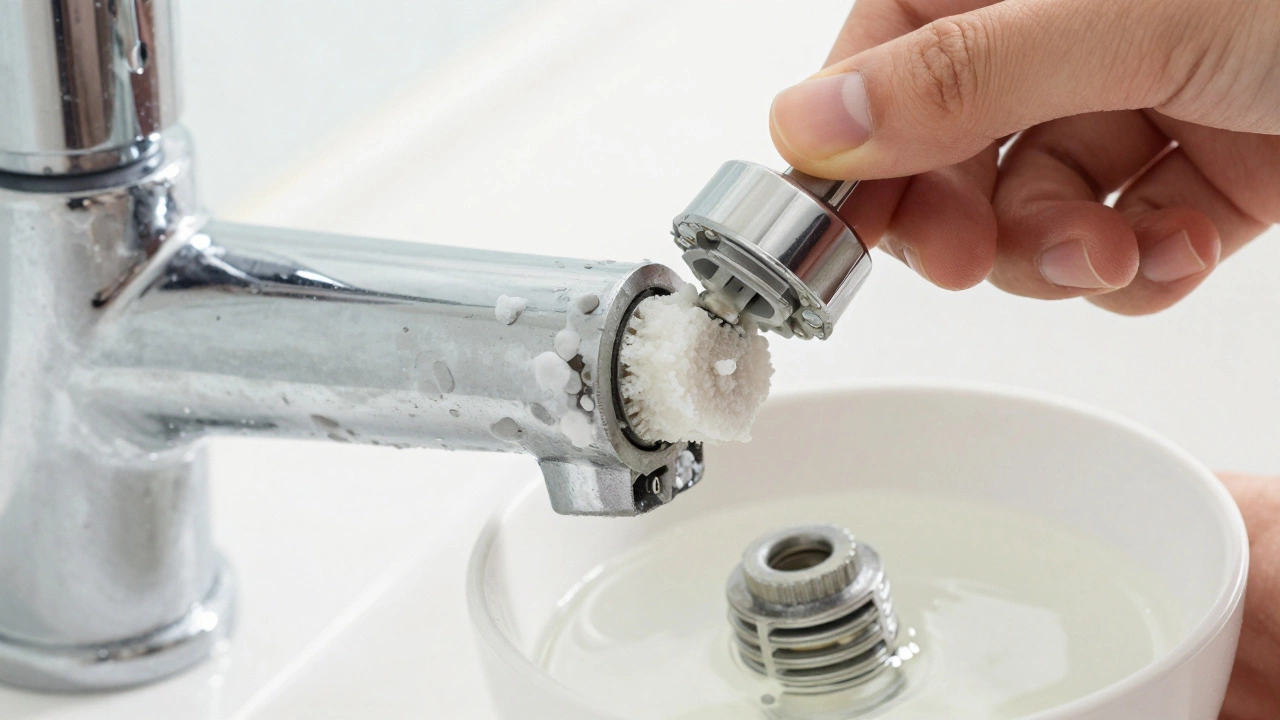
Brisbane’s water supply has moderate hardness levels. Over years, calcium and magnesium build up inside tap aerators and mixer cartridges. This is especially true in bathrooms, where showers run longer and harder than kitchen sinks.
If your kitchen tap flows freely but your bathroom shower sputters or runs lukewarm despite the tank being hot, you’ve got a blockage. Here’s how to tell:
- Remove the showerhead and run water directly from the hose. If it’s now hot, the showerhead was clogged.
- Unscrew the aerator from your basin tap. Soak it in white vinegar for 30 minutes. Rinse and reinstall.
This fixes nearly 30% of “cold bathroom water” calls we see in South East Queensland. No tools required, no plumber needed.
When to Call a Professional
You should book a licensed plumber if:
- The hot water unit is making banging or rumbling noises (sign of sediment buildup).
- You notice leaks around the base of the cylinder.
- The thermostat keeps tripping the safety cut-off.
- You’ve checked valves and insulation, but the problem persists.
In Brisbane, expect to pay $150-$250 for a diagnostic visit. If they recommend a new unit, ask for quotes on both continuous flow (instantaneous) and storage models. Continuous flow units save energy but require higher gas pressure. Storage tanks are cheaper upfront but lose heat over time.
Don’t ignore persistent issues. A failing thermostat can lead to scalding risks or complete loss of hot water during peak demand times-like school mornings or weekend gatherings.
Preventive Maintenance Tips
Keep your system running smoothly with these habits:
- Flush your hot water cylinder annually to remove sediment.
- Inspect pipe lagging every two years, especially after storms.
- Replace showerheads and aerators every 3-5 years.
- Set your thermostat to 60°C-not hotter-to prevent scale formation and reduce energy bills.
A little maintenance goes a long way. Most homeowners who follow this schedule extend their unit’s life by 3-5 years.
Why is my hot water cold in the bathroom but hot in the kitchen?
This usually happens due to distance from the hot water unit, poor pipe insulation, or a blocked mixer valve in the bathroom. If the kitchen is closer to the cylinder, it receives hotter water faster. Check for limescale buildup in bathroom taps and ensure isolation valves are fully open.
How much does it cost to fix cold bathroom water in Brisbane?
Minor fixes like cleaning aerators or adjusting valves cost nothing to $50. Replacing a heating element runs $80-$150 in parts plus labor ($90-$120/hour). Full system diagnostics start at $150. Major replacements range from $1,200-$3,000 depending on type and installation complexity.
Can I fix this myself without calling a plumber?
Yes, if the issue is related to blocked aerators, closed valves, or lack of pipe insulation. For electrical components like heating elements or thermostats, only attempt repairs if you’re experienced with wiring. Always turn off power and water supply before working on any part of the system.
What’s the best way to insulate hot water pipes?
Use pre-slit foam pipe insulation rated for high temperatures (up to 110°C). Cut sections to fit each pipe segment, slide them on, and seal seams with waterproof tape. Focus on pipes running through unconditioned spaces like roofs, garages, or subfloors. Cost is roughly $2-$5 per meter.
Should I upgrade my hot water system if this keeps happening?
Only if your current unit is over 10 years old or shows signs of corrosion/leaks. Newer systems offer better efficiency and consistent delivery. Consider continuous flow gas units for large households or solar hybrid systems for eco-friendly savings. Get multiple quotes before deciding.