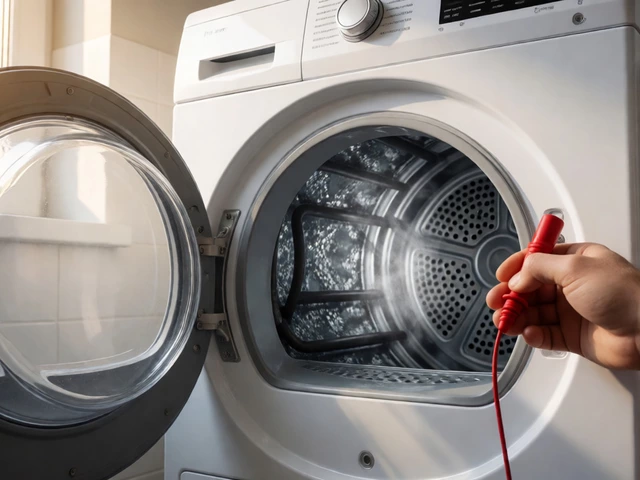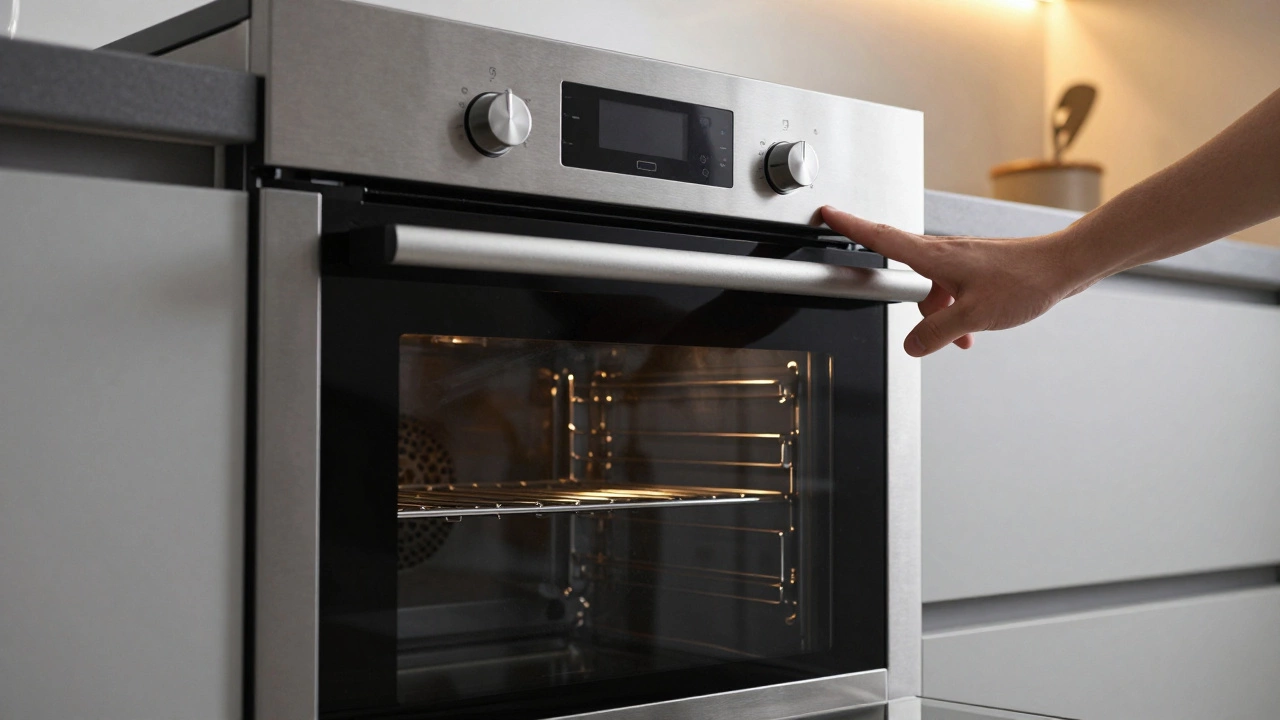
Oven Repair Decision Tool
Follow the steps below to identify who can fix your oven issue.
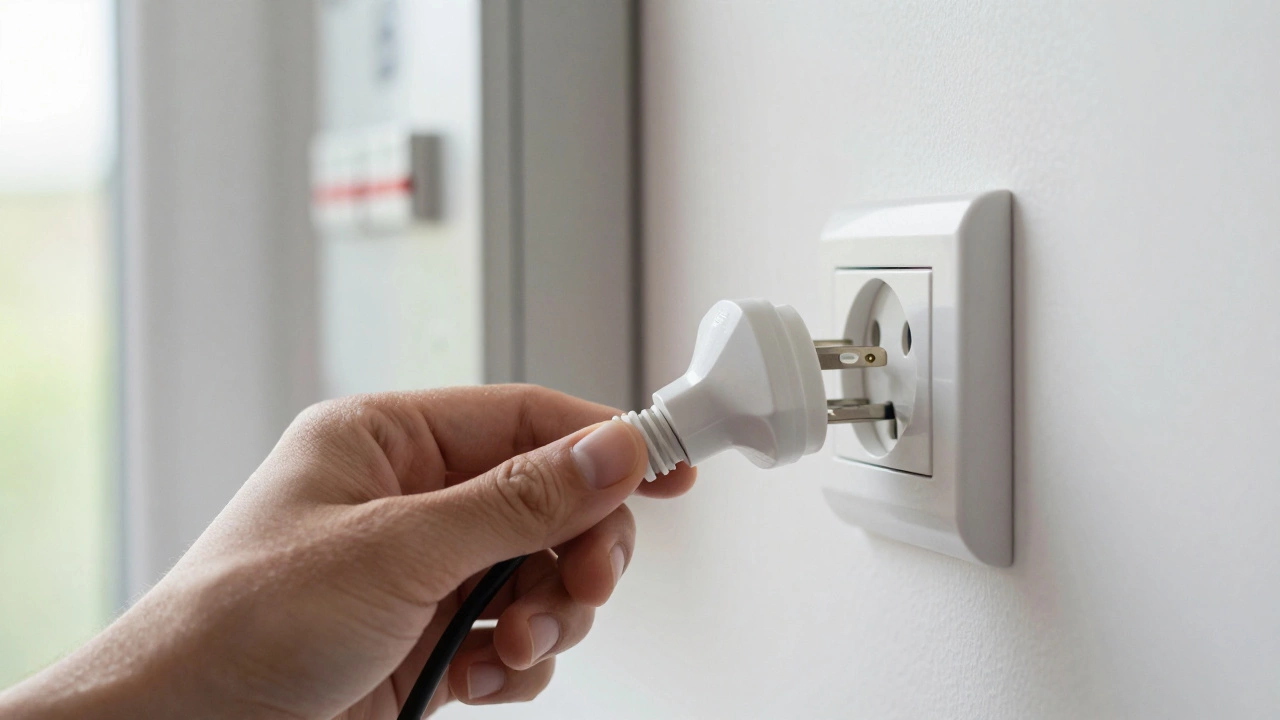
Plug a hairdryer or lamp into the socket where the oven is connected. Does it work?
Go to your switchboard. Is the kitchen/oven breaker in the middle (tripped) position?
Flip the breaker OFF then ON. Did it stay reset, or did it trip again immediately?
The socket has power, but the oven isn't working. What happens when you turn the oven on?
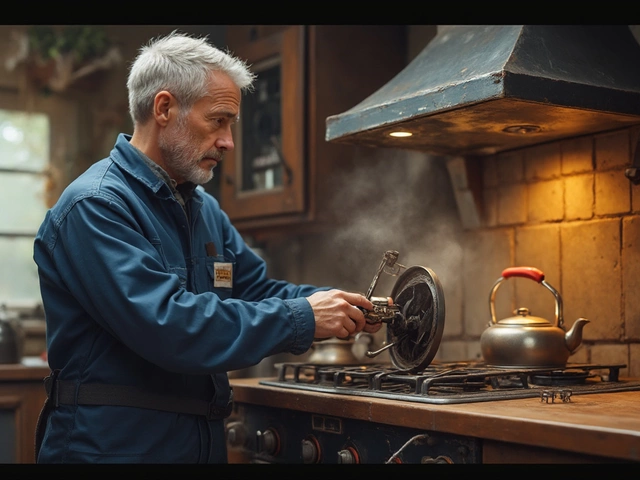
Picture this: it’s Sunday evening in Brisbane. You’ve planned a roast dinner for the family, but when you turn on your electric oven is a kitchen appliance that uses electricity to generate heat for cooking food, nothing happens. The light doesn’t come on. The racks are cold. Panic sets in.
Your first instinct might be to call the handy guy who fixed your bathroom lights last month. After all, it’s an *electric* oven. He deals with *electricity*. It makes sense, right?
Here is the hard truth: calling a general electrician for an oven repair is often like calling a mechanic to fix your car’s GPS system. They understand the engine (the power supply), but they don’t know how to reprogram the navigation software (the control board).
In Australia, specifically under the Electrical Safety Act, there are strict boundaries between what a licensed electrician can touch and what requires a specialized appliance technician. Getting this wrong can void your warranty, create a fire hazard, or leave you with a bill that costs more than a new oven.
The Difference Between Power and Appliance Logic
To understand why you shouldn't just call any sparky, we need to look at how an electric oven actually works. An oven isn't just a box with a heater inside. It is a complex system of sensors, relays, and computer chips.
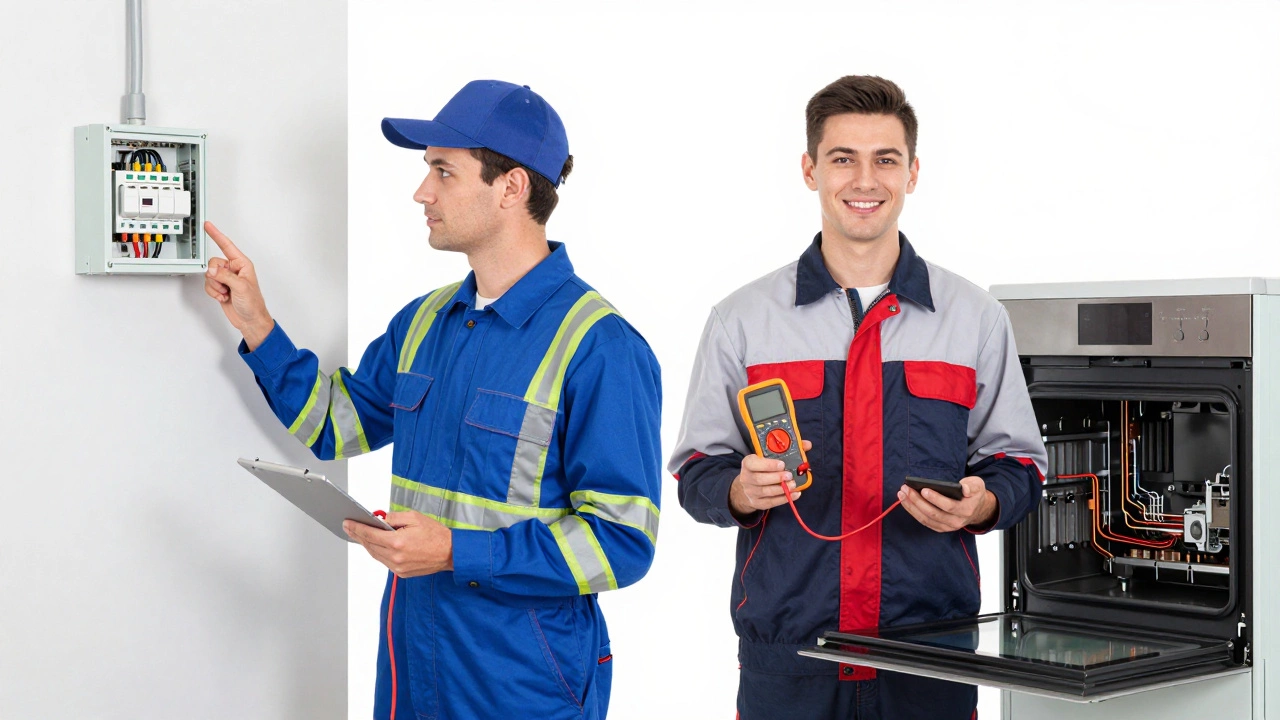
An licensed electrician is a tradesperson qualified to install, maintain, and repair electrical wiring and systems in buildings focuses on the infrastructure. Their job stops at the point where the power enters your home-the switchboard-and usually extends to the outlet or hardwired connection point of the appliance.
If your oven has no power at all, the problem could be:
- A tripped circuit breaker in your main panel.
- A faulty wall socket.
- Damaged wiring in the wall leading to the oven.
These are jobs for an electrician. However, if the power is reaching the oven but the oven still won’t work, the issue is internal. This involves components like the thermal cutout is a safety device that disconnects power if the oven overheats, the control board is the electronic brain that manages temperature settings and timers, or the door interlock switches.
General electricians are not trained to diagnose these specific mechanical and electronic failures. They lack the schematics for brands like Fisher & Paykel, Samsung, or Bosch. Trying to force them to do so is risky because they may not have the proper multimeter settings or diagnostic tools for low-voltage appliance electronics.
When Should You Call an Electrician?
There are specific scenarios where an electrician is the correct call. If you suspect the issue lies outside the appliance itself, here is your checklist:
- No Power to Multiple Appliances: If your microwave and toaster also won’t work on that same counter circuit, you likely have a tripped RCD (Residual Current Device) or MCB (Miniature Circuit Breaker). An electrician resets this safely.
- Burning Smell from the Wall: If you smell burning plastic coming from the wall socket behind the oven, unplug it immediately and call an electrician. This indicates a wiring fault in your home’s infrastructure.
- Hardwired Installation Issues: If you are installing a new built-in oven and it needs to be wired directly into the house electrics (not plugged in), an electrician must perform the termination at the junction box to comply with Australian Standards AS/NZS 3000.
- Faulty Outlet: If the plug feels loose or sparks when inserted, the socket itself is damaged. Replace it via an electrician.
In these cases, the oven might be perfectly fine. The problem is the path the electricity takes to get there.
When You Need an Appliance Technician Instead
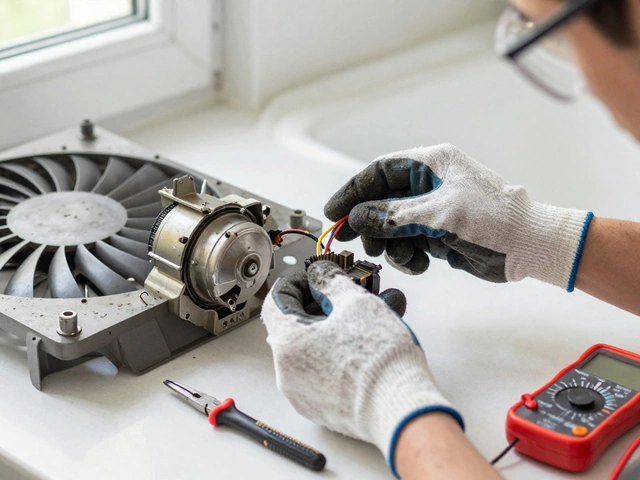
If the power is flowing to the oven (you can test this by plugging a lamp into the same socket), but the oven fails to heat, bake, or self-clean, you need an appliance technician is a specialist who diagnoses and repairs domestic appliances using brand-specific knowledge.
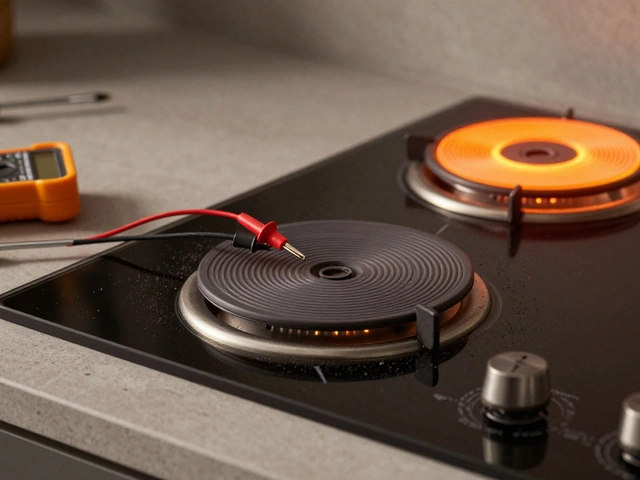
Why? Because modern ovens use high-voltage heating elements controlled by low-voltage signals. A technician knows how to safely discharge capacitors and test continuity on a heating element is a metal coil that glows red hot to cook food without getting shocked. They also carry the proprietary parts needed for repair.
Common internal faults include:
- Blown Thermal Fuse: This safety device blows if the oven gets too hot. It looks like a simple wire, but replacing it requires knowing exactly which rating to use for your specific model.
- Failed Door Switch: Many ovens won’t start if the door isn’t detected as fully closed. This is a mechanical/electrical hybrid issue.
- Corroded Control Board: Moisture from steam cleaning can corrode the PCB (Printed Circuit Board). An electrician cannot replace this; only a technician with the specific part number can.
The Legal and Safety Risks in Australia
In Queensland, where Brisbane is located, electrical work is heavily regulated by Energy Queensland and the Electrical Safety Office. Only a person holding an Electrical Worker’s License can perform restricted electrical work.
While an electrician has a license, their scope is defined by the type of license. A "Restricted" license might allow them to work on lighting and power points, but not necessarily on complex appliance internals. More importantly, most major appliance manufacturers void warranties if unauthorized personnel open the unit.
Imagine paying $300 for an electrician to tell you, "I can't open this," then paying another $200 for a technician to come out and find the $15 thermal fuse. That is a common scenario. It wastes time and money.
Furthermore, safety standards for gas and electric cookers (AS/NZS 5601.1) require specific clearances and ventilation checks. An appliance technician is trained to ensure that repairing the oven hasn’t compromised the airflow, which is critical for preventing carbon monoxide buildup in dual fuel models.
| Issue | Who to Call | Why |
|---|---|---|
| Oven has no power; other outlets dead too | Electrician | Main circuit or switchboard fault |
| Sparkling/burning smell from wall socket | Electrician | House wiring hazard |
| Oven powers on but doesn’t heat | Appliance Technician | Internal element or relay failure |
| Error codes on digital display | Appliance Technician | Control board or sensor error |
| Door won’t latch or lock during clean cycle | Appliance Technician | Mechanical linkage or switch issue |
How to Diagnose Before You Call Anyone
Before spending money, do a quick check. This saves you from unnecessary service calls.
First, check the circuit breaker. Go to your switchboard. Look for the switch labeled "Kitchen" or "Oven." If it’s in the middle position, it’s tripped. Flip it off, then back on. If it trips again immediately, stop. Do not keep flipping it. This indicates a short circuit. Call an electrician.
Second, check the plug and cord. If your oven plugs in, inspect the cord for chew marks (rats love oven cords near floors) or cracks. Ensure it’s firmly seated in the wall.
Third, listen. When you turn the oven on, do you hear a click? A click usually means the relay is engaging. If you hear a click but no heat, the element is likely broken. If you hear silence, the control board or timer might be dead.
Cost Comparison: Is Repair Worth It?
In Brisbane, labor rates vary. An electrician typically charges between $80 and $120 per hour, plus a call-out fee. An appliance technician might charge a flat diagnostic fee of $70-$90, with repairs added on top.
If your oven is less than five years old, repair is almost always worth it. Modern ovens cost between $800 and $2,500. Replacing a heating element costs around $150-$250 including labor. Replacing a control board might run $300-$400.
If your oven is over ten years old, consider the efficiency. Newer models use significantly less energy. Sometimes, the best "repair" is a replacement, especially if the insulation has degraded.
Next Steps for Brisbane Homeowners
If you are stuck with a dead oven, follow this decision tree:
- Test the power: Plug a hairdryer into the oven’s socket. Does it work?
- If YES: The house wiring is fine. Call an appliance repair specialist. Mention the brand and model number.
- If NO: Check the switchboard. Reset the breaker. If it stays reset, try the hairdryer again.
- If still NO: The issue is in your home’s wiring or the socket. Call a licensed electrician.
Don’t guess. Guessing with electricity is dangerous. Knowing who to call saves you money, keeps your family safe, and gets your roast dinner ready on time.
Can a general electrician fix a broken heating element in my oven?
Generally, no. While an electrician understands electricity, they are not trained to disassemble complex appliance interiors or source specific OEM (Original Equipment Manufacturer) parts. Attempting to replace a heating element without proper training can damage the oven's casing or void the warranty. It is safer and more cost-effective to hire an appliance technician.
How much does it cost to call an electrician to check an oven outlet?
In Brisbane, expect to pay between $80 and $150 for a call-out fee, plus hourly labor if repairs are needed. If the issue is simply a tripped breaker or loose plug, they may resolve it within the call-out fee. Always ask for a quote before authorizing work.
Is it safe to open the back panel of my electric oven myself?
No. Even when unplugged, some components can hold a charge. Additionally, you risk damaging delicate clips, wires, or sensors. If you are not a qualified technician, leave the internal diagnostics to professionals to avoid injury or further damage.
What should I do if my oven smells like burning plastic?
Turn off the oven and unplug it immediately. If the smell persists or comes from the wall socket, evacuate the area and call an electrician. This could indicate melting wiring, which is a serious fire hazard. Do not attempt to use the oven until inspected.
Does an appliance repair technician need to be licensed in Australia?
Yes. In Australia, anyone performing electrical repairs on appliances must hold a valid Electrical Worker’s License issued by the state regulator (e.g., Energy Queensland). Ensure your technician provides proof of licensing before allowing them to work.