Washing Machine Fault Finder & Cost Calculator
Likely Issue Found!
There is nothing more frustrating than walking downstairs to find a dark, wet patch under your laundry basket. You open the cupboard door, and the Washing Machine is a household appliance designed to clean clothes through mechanical agitation and chemical detergent action. It has stopped working. This scenario plays out in homes across Brisbane every single day. While manufacturers promise ten-year lifespans, reality often hits sooner. Some components simply wear out faster than others. Understanding which parts give up first helps you avoid panic when the unit stops mid-cycle. You also know whether to call a technician or tackle the fix yourself.
We see patterns in repairs. Certain parts fail due to physics, others due to chemistry, and some just because of cheap manufacturing materials. Below, we break down exactly what usually goes wrong, the specific signs to look for, and how long these parts typically last in Australian conditions.
Mechanical Wear and Tear: The Moving Parts
The drum spins. To spin, something has to turn. This simple requirement leads to the most frequent mechanical failures. Friction generates heat, and heat degrades material over time.
The Motor and Carbon Brushes
In older machines, universal motors use carbon brushes. These small blocks of graphite conduct electricity to the rotating coil. When they wear down too short, the connection breaks. You notice this when the tub hums but doesn't spin. Or worse, it spins slowly and struggles to drain.
Induction Motor is a type of electric motor used in many modern washing machines known for durability and low noise. Unlike brushed motors, induction motors have fewer moving parts. However, they still contain bearings. When the bearing grease dries out, metal rubs on metal. The result is a high-pitched screeching sound. If ignored, the rotor seizes. At that point, the motor itself needs replacing.In Brisbane, our dry season dust settles on top of machines. Air vents suck this grit directly onto the motor coils. Cleaning the lint filter monthly helps keep airflow clear, which reduces thermal stress on the windings.
Drive Belts and Couplings
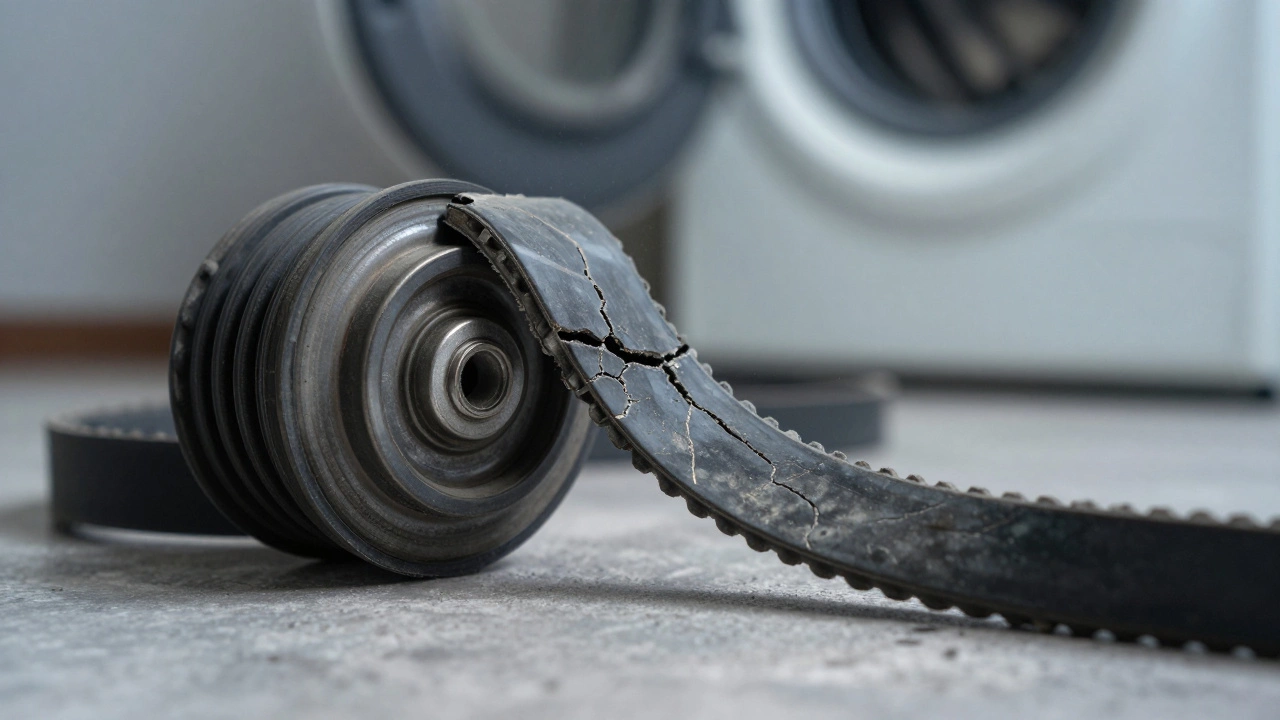
Front loaders connect the motor to the drum with a belt. Over years, rubber stretches. Heat accelerates cracking. One morning, the machine vibrates violently, and you hear a slapping sound. Usually, the belt has snapped off the pulley. A cracked belt snaps loudly inside the casing, sending plastic shrapnel into the drum area.
Some brands skip belts entirely and use a metal coupling between the transmission and motor. Metal fatigue here is harder to detect. You might notice the washer makes a loud clanking noise during the spin cycle. This indicates the coupling teeth have sheared off. Replacing the coupling requires pulling out the whole unit to access the back panel.
Plumbing and Water Flow Issues
A washing machine moves large volumes of water constantly. This exposure guarantees corrosion and blockage over time. Clogged pipes are the most frequent reason why water won't fill or drain.
Water Inlet Valve
Water Inlet Valve is an electromechanical valve that controls the flow of water from the tap to the internal tub. Sediment from the municipal supply clogs the fine mesh screens inside the solenoid valves. If you live in an older part of Brisbane, pipe rust can settle here quickly. Symptoms include slow filling times or water spraying everywhere once the timer cycles. Sometimes the solenoid coil burns out, leaving water flowing continuously until someone unplugs the plug.Drain Pump and Filter
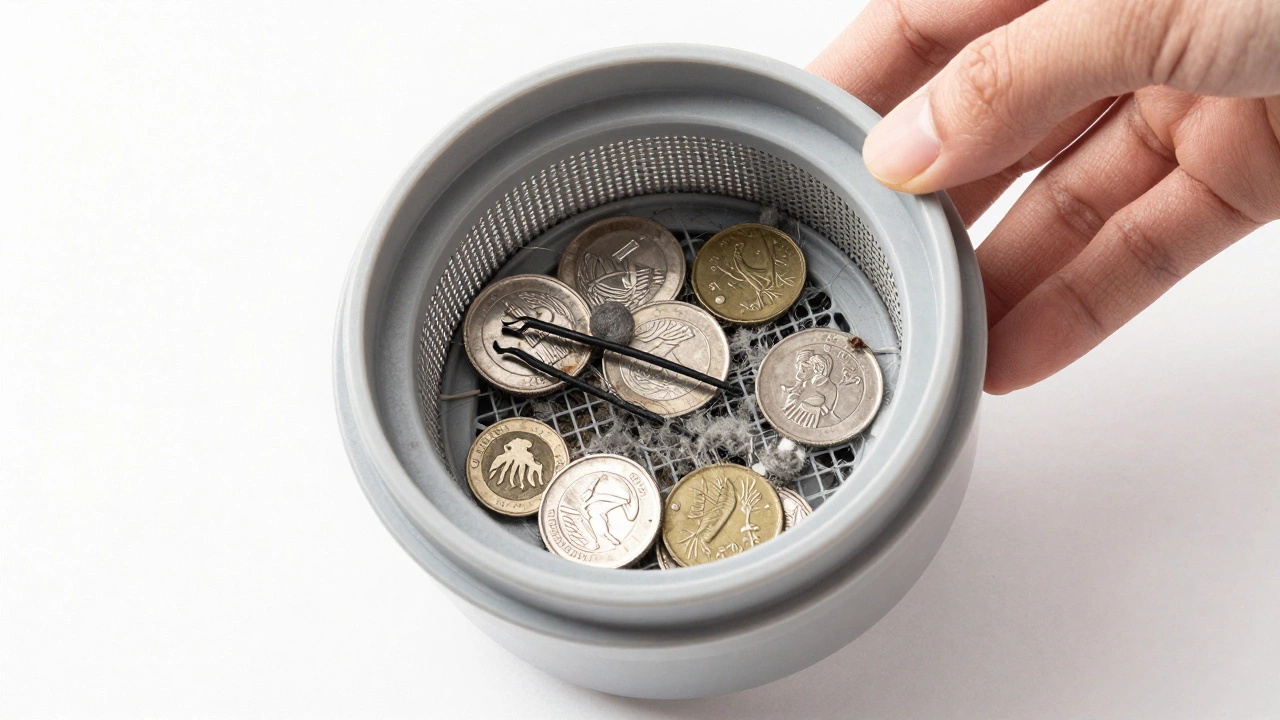
Small objects love hiding near the pump. Coins, hairpins, or children's toy bits drop into pockets and end up jamming the impeller blades. The pump whirs but does not move water. Many machines have a service hatch at the bottom right corner. You pull out a cap to reveal the filter.
If this filter stays dirty, moisture gets trapped. We often find mold growing there after six months of neglect. More critically, if the pump motor overheats, the thermal fuse blows. You won't feel heat, but the water sits heavy in the tub. In 2025 and 2026 models, pumps are quieter but cheaper. Plastic impellers crack easily if debris hits them hard.
Thermal System Failures
Hot wash cycles require getting water temperature up to 60 degrees Celsius or higher. This puts immense pressure on electrical heaters. These are the second most common failures after the drive mechanism.
Heating Element is a stainless steel or ceramic rod submerged in water that heats it using electrical resistance. Limescale is the enemy here. Even though Brisbane isn't the hardest water region, minerals deposit on the element surface. Buildup insulates the heater. The element draws high power but fails to get hot. Eventually, it burns out completely.Symptoms are easy to spot. The cycle runs, but the clothes come out cold despite the setting saying "Hot." You can measure continuity with a multimeter. If resistance reads infinite ohms, the wire has broken inside. Replacing the heating element involves tilting the machine and unscrewing three nuts behind the rear panel. Be careful with sharp edges inside the cabinet.
Electronics and Control Logic
Modern appliances look like computers on legs. They rely on logic boards to tell motors when to start and heaters when to warm. When electronics fail, the diagnosis gets tricky because the error codes can be vague.
Control PCB and User Interface
The printed circuit board handles all timing. A power surge from the grid fries capacitors on the board. Often, this happens during storms in summer. Lightning strikes nearby transformers spike voltage. The board protects by melting a resistor. Suddenly, no lights come on, and buttons don't click.
Printed Circuit Board is the central computer of the appliance managing user input and appliance functions. Moisture damage is another killer. Spill water while cleaning? It drips down the control panel gap. The corrosive electrolytes eat the copper tracks. Repairable sometimes, but often you need a full replacement.Door Interlock Switch
Safety regulations mandate that the machine must lock before spinning. The door latch engages mechanically and sends an electrical signal. Rubber seals harden in our tropical heat. The plastic housing cracks from the impact of slamming doors. If the switch does not close the circuit, the motor refuses to start.
You hear a clicking sound when pressing Start, but nothing else happens. This is the latch testing. Testing voltage at the terminal tells you if the switch is stuck open. A loose wire is easier than replacing the entire latch assembly. However, stock shortages in late 2026 mean waiting weeks for a specific OEM part.
Structural and Vibration Problems
Heavy drums spin at thousands of RPMs. The frame absorbs vibration. When supports wear, the machine walks across the tiles. This movement eventually loosens mounting bolts.
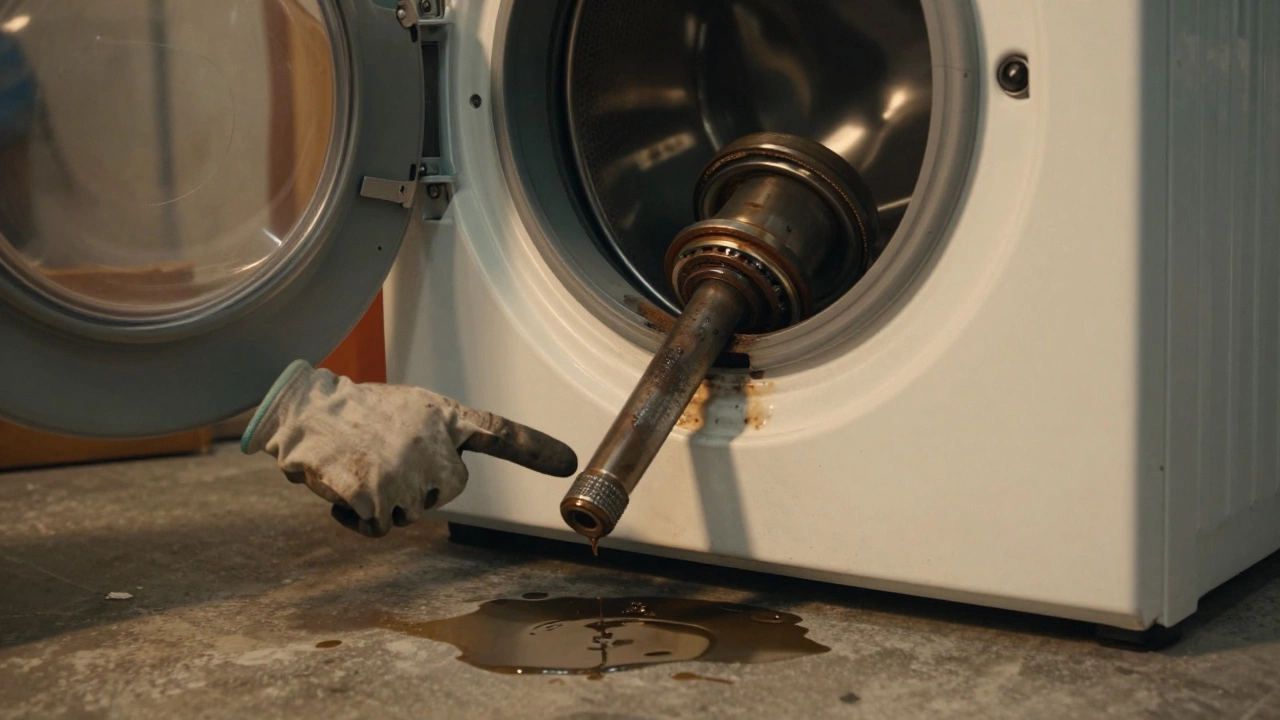
Shock Absorber is a hydraulic cylinder located under the drum to dampen vibration during spin cycles. Once the oil leaks out, the damper loses stiffness. The tub bangs against the side of the cabinet. You hear a booming sound at the highest spin speeds. Over time, this vibration fractures the welds holding the inner tub.Tub Bearings and Seal
This is the big one. The shaft that holds the inner drum rotates through the outer tub. A seal keeps water out of the bearing housing. When the seal rots, water lubrication washes away the grease. Rust forms instantly. Now the drum rattles heavily even by hand. This failure mode usually kills the machine economically. Labor to rebuild a tub exceeds buying new. Most professionals recommend replacement unless sentimental value outweighs cost.
Cost and Lifespan Comparison
Before you buy parts, consider the age of the unit. Here is a realistic view of component lifespan versus repair cost in our currency.
| Component | Typical Lifespan | Replacement Cost (AUD) | Difficulty |
|---|---|---|---|
| Detergent Cup | 5 Years | $40 - $70 | Easy |
| Door Gasket | 6 Years | $80 - $150 | Moderate |
| Drain Pump | 7 Years | $90 - $120 | Moderate |
| Heating Element | 8 Years | $60 - $100 | Moderate |
| Main Control Board | 9 Years | $150 - $300 | Hard |
| Bearing Kit | 10+ Years | $250 - $450 + Labor | Expert |
Maintenance Habits That Extend Life
You cannot stop entropy, but you can slow it down. Keeping the environment stable matters just as much as fixing things.
- Clean the lint filter weekly. Trapped lint restricts airflow. Overheating damages the motor controller.
- Leave the door ajar. Humidity breeds mold inside the seal. Brisbane humidity is high year-round. Letting air circulate prevents black mould growth which rots rubber quickly.
- Level the feet properly. Vibration is structural stress. Ensure the unit doesn't rock when pushed.
- Check hoses annually. Rubber degrades. Burst hoses cause flooding. Replace reinforced braided hoses every four years regardless of looks.
Prevention saves money in the long run. A quick inspection takes five minutes. Ignoring a small drip turns into a floor restoration bill.
Frequently Asked Questions
Why does my washing machine smell bad?
Bad smells usually come from the door gasket where slime accumulates. Run a hot empty wash with vinegar or bleach cleaner. Check the detergent drawer for moldy residue too.
Is it worth repairing a 15-year-old machine?
Generally no. Efficiency drops significantly in older units. Energy savings from a new rated model offset the purchase price over two years.
What causes random error codes?
Error codes indicate sensor mismatches. Loose wiring harnesses or voltage spikes trigger false alarms. Restart the machine after a power cut to clear temporary glitches.
Can I fix a leaking pump myself?
Yes, if it's a blocked filter or hose connection. If the pump housing cracks, you need a replacement part. Always disconnect power before accessing internals.
How do I stop excessive vibration?
Adjust the leveling feet until the unit is stable. Do not install on soft rugs. Consider shock pads underneath if your floorboards are old and flexing.
Diagnosing issues correctly saves you time and cash. Most breakdowns follow predictable paths. Watch the symptoms, check the specific parts mentioned, and decide based on the cost of labour versus parts. Keep your machine happy, and it will serve you longer.