Gas Appliance Lifespan & Repair Calculator
Enter details to see results
That humming sound from your old gas heater or the slightly uneven flame on your cooktop might be telling you something important. It’s not just about comfort; it’s about safety and efficiency. You’re probably wondering how much longer that trusty machine will keep going before it becomes a hazard or an energy drain. The short answer? It depends heavily on what kind of appliance it is, but most gas appliances have a clear window where they perform safely and efficiently.
In Brisbane, where we heat our homes and cook our meals with gas for much of the year, understanding these timelines is crucial. Replacing a unit too early wastes money, but keeping one too late risks carbon monoxide leaks and skyrocketing energy bills. Let’s break down exactly how long each major gas appliance should last, what signs indicate it’s time to say goodbye, and why regular maintenance can add years to their useful life.
The Average Lifespan of Common Gas Appliances
Not all gas appliances are created equal. Some are built like tanks, while others wear out faster due to high usage and complex internal components. Knowing the baseline expectations helps you plan your home budget and avoid unexpected breakdowns.
| Appliance Type | Average Lifespan (Years) | Key Factors Affecting Longevity |
|---|---|---|
| Gas Stove / Cooktop | 15 - 20 | Spill-over cleaning, burner corrosion, ignition system wear |
| Gas Oven | 15 - 20 | Door seal integrity, thermostat accuracy, heating element fatigue |
| Gas Water Heater | 10 - 13 | Sediment buildup, tank corrosion, thermocouple failure |
| Gas Boiler | 15 - 30 | System pressure, water quality, annual servicing frequency |
| Gas Space Heater | 10 - 15 | Usage intensity, ventilation clearance, filter maintenance |
| Gas Dryer | 13 - 15 | Lint trap cleaning, vent blockage, drum bearing wear |
These numbers aren’t guarantees. They represent the period during which the appliance operates at peak efficiency and safety. After this window, repairs become more frequent, and the risk of catastrophic failure increases significantly. For example, a Gas Water Heater might technically still produce hot water after 15 years, but the likelihood of a rust-through leak in the tank rises sharply, potentially causing thousands of dollars in water damage.
Why Maintenance Matters More Than Age
Age is just a number; condition is everything. Two identical gas boilers installed in different Brisbane homes in 2010 can have vastly different remaining lifespans in 2026. The difference usually comes down to maintenance habits.
Regular servicing isn’t just a suggestion from manufacturers; it’s a critical safety protocol. During an annual service, a qualified technician checks for gas leaks, ensures proper combustion, cleans burners, and verifies that carbon monoxide levels are within safe limits. In Queensland, regulations require gas appliances to be serviced regularly, especially those connected to sealed combustion systems.
- Annual Servicing: Essential for boilers, space heaters, and water heaters. This includes checking the flue for blockages and testing safety controls.
- Cleanliness: Grease and dust accumulation on gas stoves and dryers can interfere with airflow and ignition. Clean burners every few months.
- Ventilation: Ensure vents are clear of debris, bird nests, or leaves. Blocked vents cause incomplete combustion, leading to soot buildup and dangerous gas emissions.
A well-maintained gas oven can easily hit the 20-year mark, while a neglected one might fail prematurely due to a cracked heat exchanger or faulty thermostat. Think of maintenance as an investment that delays the costly replacement cycle.
Signs Your Gas Appliance Is Reaching Its End
You don’t always need a calendar to tell you when an appliance is done. These machines send warning signals long before they completely fail. Ignoring these signs can lead to unsafe conditions or expensive emergency repairs.
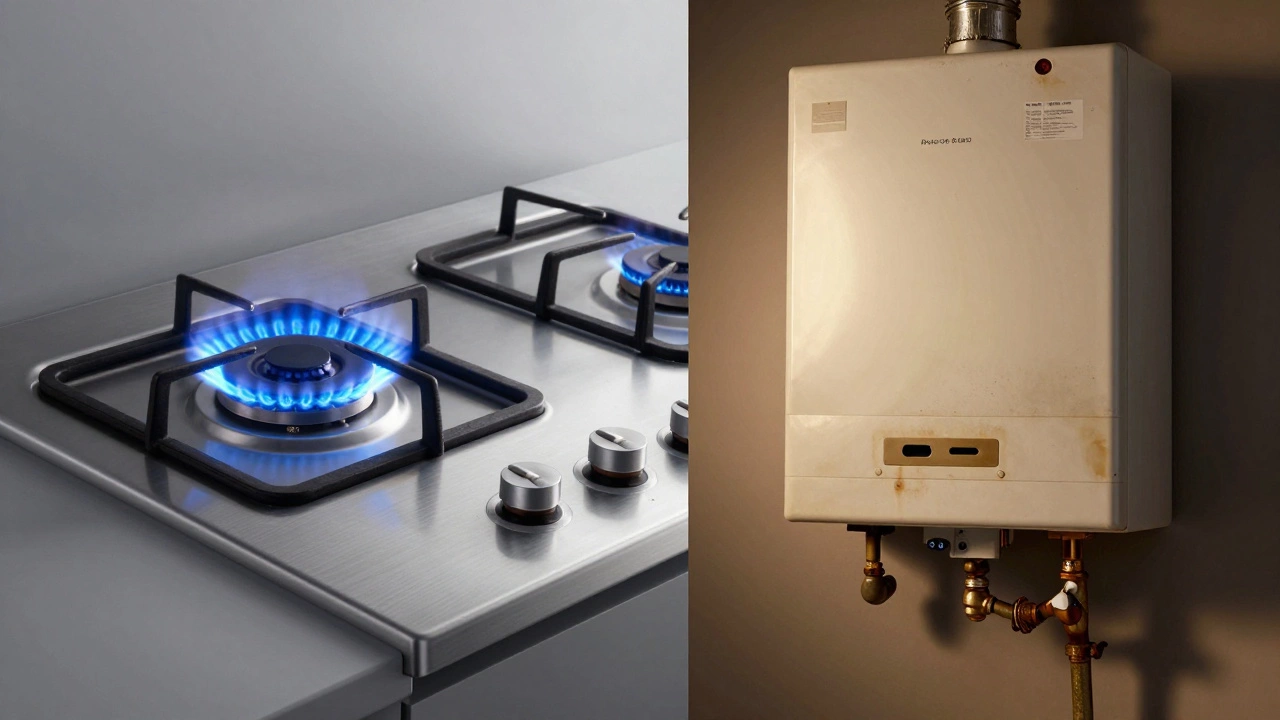
First, watch the flames. A healthy gas flame should be blue. If you see yellow, orange, or flickering flames, it indicates incomplete combustion. This could mean dirty burners, but in older units, it often points to failing internal components that can no longer mix gas and air correctly. This is a serious red flag for carbon monoxide production.
Second, listen to the noise. Newer gas appliances are relatively quiet. If your water heater starts rumbling loudly, it’s likely due to sediment buildup at the bottom of the tank. While flushing the tank can help, persistent rumbling in an older unit suggests the tank itself is corroding. Similarly, clicking sounds that continue without ignition indicate worn-out spark igniters or electrodes.
Third, monitor your energy bills. As appliances age, their efficiency drops. Heat exchangers crack, seals degrade, and thermostats lose calibration. If your gas bill spikes without a change in usage patterns, your appliance is working harder to do the same job. This inefficiency is a strong indicator that replacement is more cost-effective than continued repair.
Finally, check for physical signs of distress. Rust around the base of a water heater, moisture near the appliance, or soot stains on the walls are immediate danger signs. These indicate leaks or improper venting that pose fire and health risks.
Repair vs. Replace: Making the Right Decision
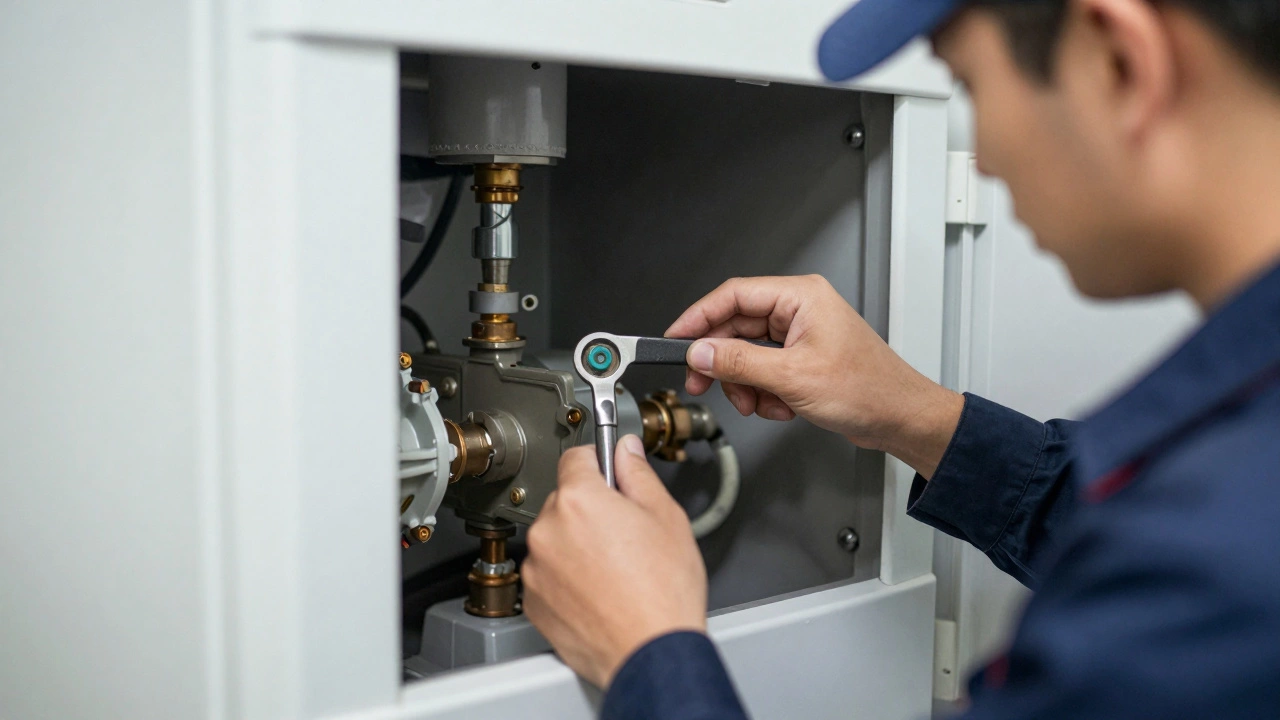
When your gas appliance breaks down, the instinct is often to fix it. But is that always the smart move? Here’s a simple rule of thumb: if the repair cost exceeds 50% of the price of a new unit, or if the appliance is past its average lifespan, replacement is usually the better option.
Consider a 18-year-old gas water heater. The tank is likely nearing the end of its structural integrity. Even if you replace the thermocouple or control valve for $200, the tank could leak next month, causing $5,000 in water damage. Investing in a new, energy-efficient model pays off through lower gas bills and peace of mind.
However, some components are worth repairing. A broken door hinge on a 10-year-old oven or a clogged burner on a 5-year-old stove are minor issues. Fixing these extends the life of a still-healthy core unit. Always consult with a licensed gas fitter who can assess the overall condition of the appliance, not just the specific fault.
Safety First: Carbon Monoxide Risks
The biggest risk associated with aging gas appliances is carbon monoxide (CO) poisoning. CO is odorless, colorless, and deadly. Older appliances are more prone to developing cracks in heat exchangers or blocked flues, which allow CO to enter your living space instead of being vented outside.
In Brisbane homes, ensure you have working carbon monoxide detectors installed on every level, particularly near sleeping areas. Test them monthly. If a detector alarms, evacuate immediately and call emergency services. Do not re-enter until a professional has inspected and cleared the area.
Never ignore a smell of gas. If you detect rotten eggs (the odorant added to natural gas), turn off the gas supply at the meter, open windows, and leave the house. Call your gas provider or a licensed emergency plumber from a neighbor’s phone.
Choosing a Replacement: Efficiency and Features
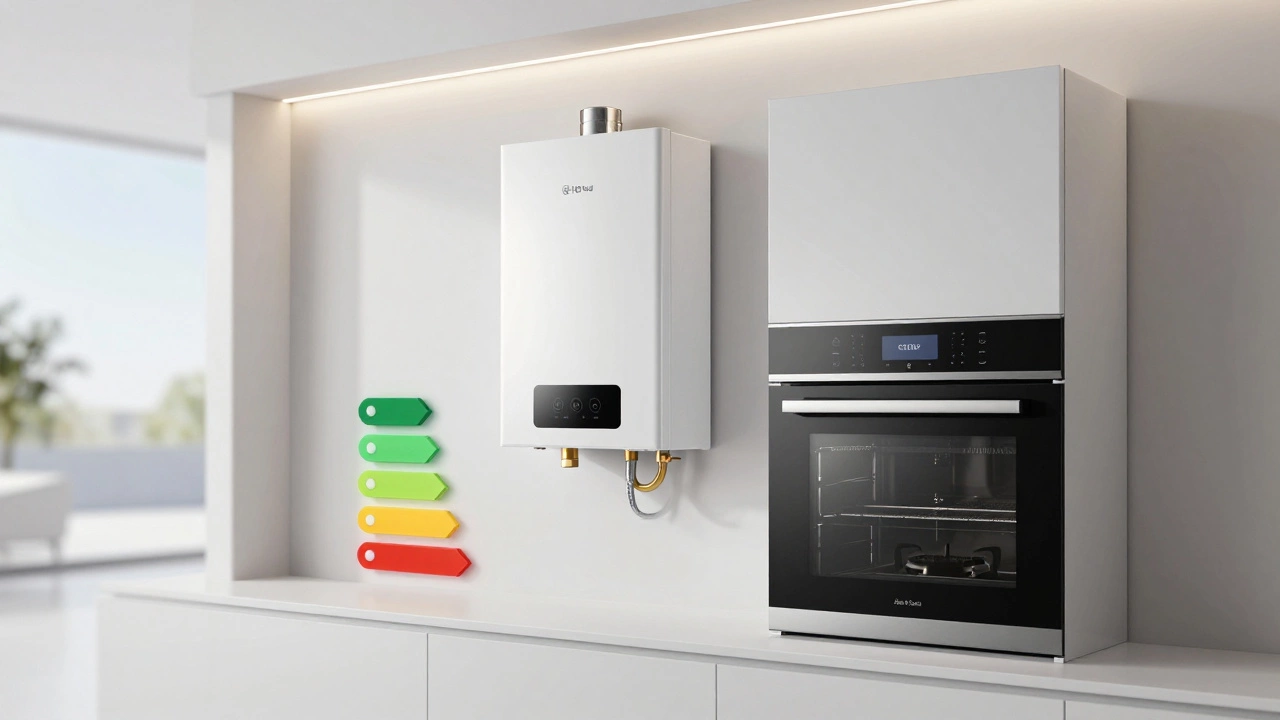
When it’s time to replace an old gas appliance, you have opportunities to upgrade efficiency and convenience. Modern models are significantly more efficient than those from 10 or 20 years ago.
Look for appliances with high energy ratings. In Australia, the energy rating label shows how much gas or electricity the appliance uses. Higher stars mean lower running costs. For water heaters, consider instantaneous (tankless) models, which heat water on demand and eliminate standby heat loss. They also tend to last longer because they don’t store water in a corrosive tank.
Newer gas ovens and cooktops offer features like auto-ignition, precise temperature control, and self-cleaning cycles. These improvements enhance cooking performance and reduce maintenance effort. When shopping, compare not just the upfront price, but the long-term operating costs. A slightly more expensive, efficient model can save hundreds of dollars over its lifetime in gas bills.
Local Regulations and Standards in Queensland
Queensland has strict regulations regarding gas appliances to ensure public safety. All gas work must be performed by licensed tradespeople. DIY repairs on gas appliances are illegal and dangerous.
When installing a new appliance, ensure it meets Australian Standards (AS/NZS). This certification guarantees the appliance has been tested for safety and performance. Keep records of all installations and services. These documents are valuable if you sell your home, as buyers increasingly request proof of compliant gas systems.
Additionally, some local councils may have specific requirements for flue termination points. Ensure your installer checks these rules to avoid compliance issues later.
Frequently Asked Questions
How do I know if my gas water heater needs replacing?
If your gas water heater is over 10 years old, producing rusty water, making loud rumbling noises, or leaking from the base, it likely needs replacing. Sediment buildup reduces efficiency and causes tank corrosion. A professional inspection can confirm if the tank is compromised.
Is it safe to use a gas stove that is 20 years old?
It can be safe if it has been regularly serviced and shows no signs of wear like yellow flames, gas smells, or damaged hoses. However, components like ignition switches and valves degrade over time. Annual servicing by a licensed gas fitter is essential to ensure safety.
What is the most common cause of premature gas appliance failure?
Lack of maintenance is the primary cause. Dirty burners, clogged vents, and ignored minor faults lead to inefficient combustion and component stress. Regular cleaning and annual professional servicing prevent most premature failures.
Should I repair or replace a gas dryer that is 12 years old?
At 12 years, your dryer is approaching the end of its typical lifespan. If the repair is minor (like a belt or sensor), it might be worth fixing. However, if the issue involves the gas valve or drum motor, replacement is often more cost-effective and safer due to potential wear in other unseen parts.
How often should I service my gas boiler?
You should service your gas boiler annually. This ensures efficient operation, prevents carbon monoxide leaks, and maintains warranty validity. In Brisbane’s climate, servicing before winter is recommended to ensure reliability during peak heating demand.
Can I extend the life of my gas appliances?
Yes, by performing regular maintenance. Clean stove grates and burners monthly, flush your water heater annually to remove sediment, and ensure dryer vents are clear of lint. Professional annual servicing catches small issues before they become major failures.
What are the signs of a gas leak in an appliance?
The most obvious sign is the smell of rotten eggs. Other signs include hissing sounds near the appliance, dead vegetation near outdoor gas lines, or unexplained increases in your gas bill. If you suspect a leak, evacuate immediately and contact your gas provider.
Are newer gas appliances more efficient than older ones?
Yes, significantly. Modern gas appliances meet stricter energy efficiency standards. They feature improved combustion technology, better insulation, and smarter controls. Upgrading from an appliance over 10 years old can reduce gas consumption by 10-20%.