Heat Pump Repair vs. Replace Calculator
Based on the "$5,000 Rule": Age × Repair Cost = Score.
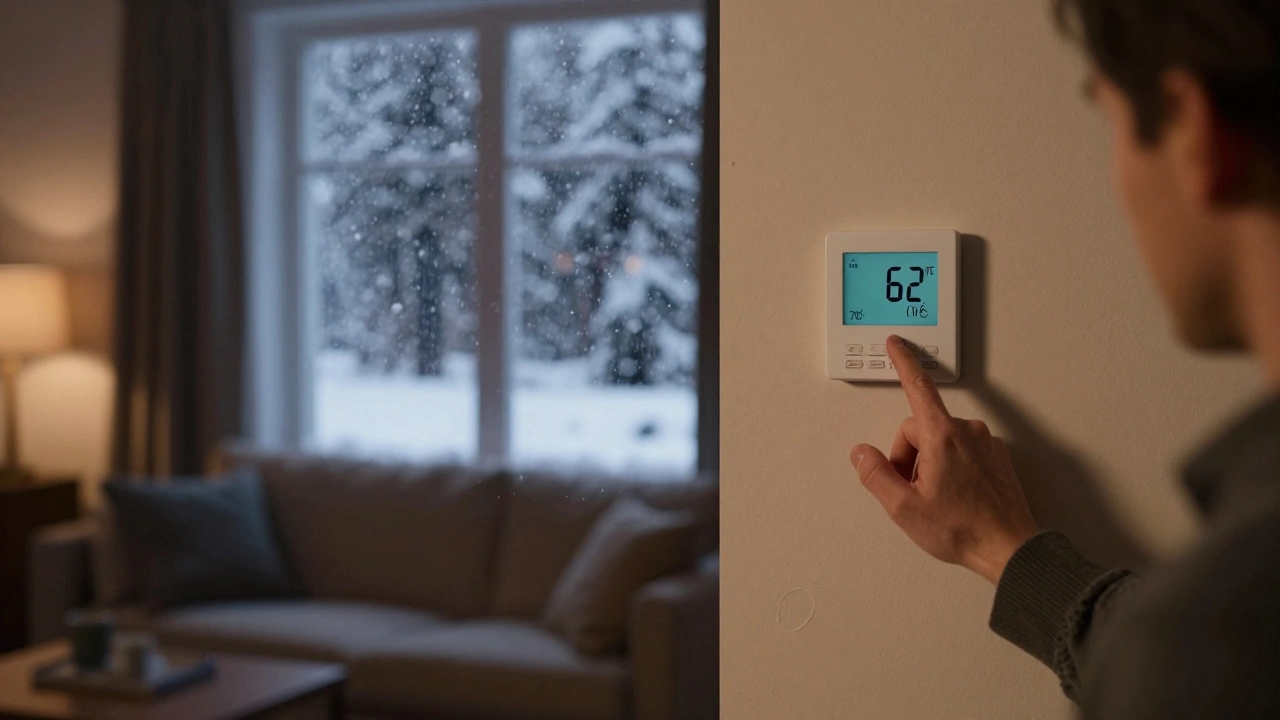
It’s the middle of January. The wind is howling outside, and your indoor thermostat reads 62 degrees even though you set it to 70. You check the breaker; it’s fine. You clean the filter; still nothing. Your heating bill from last month was already higher than usual, but now you’re staring at a system that simply won’t keep up with the cold. This isn’t just an inconvenience-it’s a financial drain and a comfort crisis.
You might be asking yourself: Is this a quick fix, or is my heat pump finally done for? Deciding between repairing an aging unit and buying a new one is one of the most stressful homeowner dilemmas. A bad decision here means either throwing good money after bad on a dying machine or spending thousands on a new system you didn’t actually need yet.
Knowing exactly when to pull the plug requires looking beyond simple noise levels. It involves understanding your system's age, its energy efficiency ratings, and the cumulative cost of repairs. Let’s break down the concrete signs that tell you it’s time to upgrade, so you can stop guessing and start planning with confidence.
The Age Factor: When Time Runs Out
Every mechanical system has a finite lifespan. For a standard air-source heat pump, that window is typically between 10 and 15 years. If your unit is pushing past the 10-year mark, you are entering the danger zone where major component failures become more frequent.
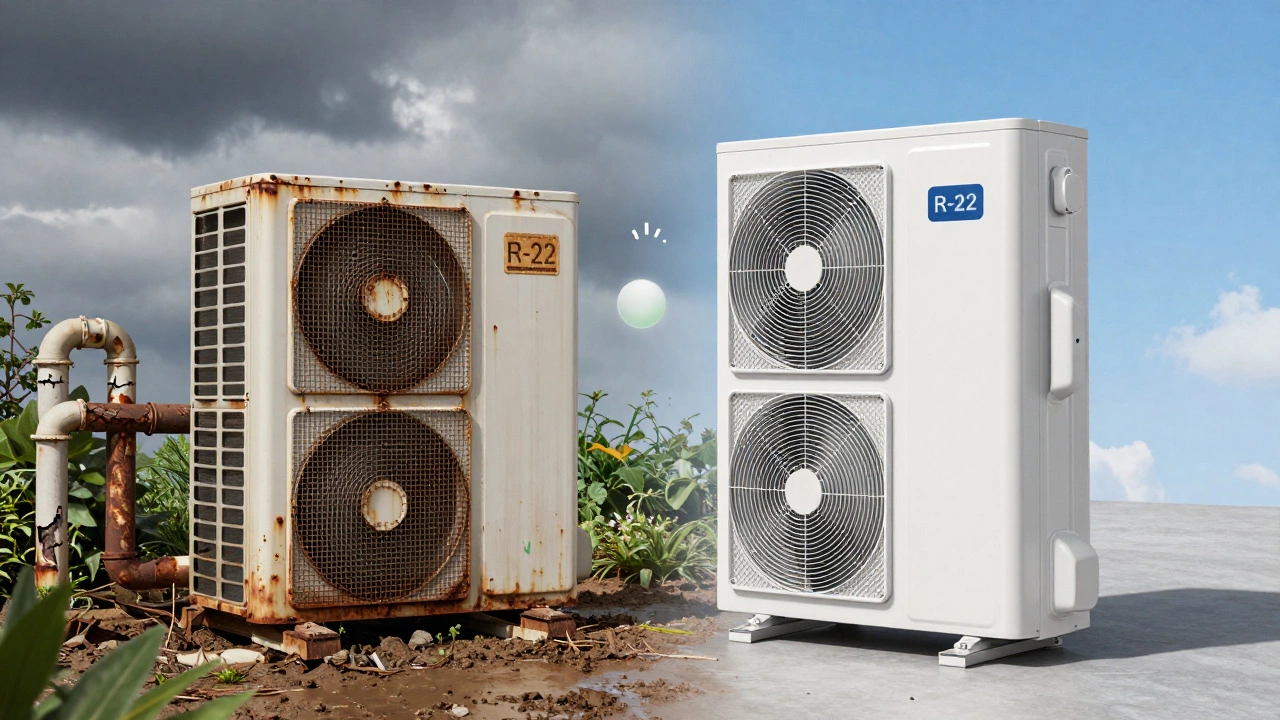
Why does age matter so much? It comes down to refrigerant changes and wear-and-tear. Older systems often use R-22 refrigerant (Freon), which was phased out in the US due to environmental concerns. If your unit leaks, replacing that refrigerant is prohibitively expensive because it must be reclaimed and recycled. Newer systems use R-410A or the even newer R-32 refrigerants, which are more efficient and legally available. So, if your technician tells you there’s a leak in a 12-year-old unit, the math usually points toward replacement rather than repair.
Check the manufacturer’s label on the outdoor condenser unit. Look for the serial number. The first two digits often indicate the year of manufacture. If those numbers say 2012 or earlier, your system is well into its twilight years. At this stage, even small fixes are temporary band-aids on a deeper structural decline.
Rising Energy Bills Without Explanation
Your utility bills are the most honest indicator of your home’s health. If your electricity usage for heating has crept up steadily over the last two winters, despite similar weather patterns, your heat pump is losing efficiency. An inefficient heat pump works harder to move the same amount of heat, burning through kilowatt-hours like crazy.
This inefficiency often stems from worn compressor parts or dirty coils that haven't been cleaned properly during maintenance. While a professional tune-up can help, significant drops in performance usually signal internal degradation. Think about it this way: if your car suddenly gets half the mileage it used to, you don’t just keep driving until the engine seizes. You investigate. With heat pumps, the investigation often leads to the conclusion that the compressor-the heart of the system-is failing.
A new high-efficiency model can reduce your heating costs by 30% to 50%. That savings alone can help offset the initial investment within a few years. Don’t ignore the red flag of skyrocketing bills; it’s your wallet telling you the system is no longer economical.
Frequent Repairs and the ,000 Rule
We’ve all had that one appliance that breaks every other winter. Maybe it’s the capacitor. Then it’s the fan motor. Next season, it’s the reversing valve. When repairs start happening annually, you need to apply a simple financial heuristic known as the "Rule of Thumb" or sometimes called the $5,000 rule.
Here is how it works: Multiply the age of your heat pump by the cost of the current repair. If the result exceeds $5,000, it’s generally smarter to replace the unit. For example, if your 10-year-old heat pump needs a $800 compressor repair, the calculation is 10 x 800 = 8,000. Since 8,000 is greater than 5,000, replacement is the logical choice.
This rule helps prevent the "death by a thousand cuts" scenario where you spend hundreds on minor fixes every year, only to face a catastrophic failure right before the next harsh winter. Newer units come with warranties that cover parts and labor for several years, giving you peace of mind that older, off-warranty systems cannot provide.
Strange Noises and Inconsistent Temperatures
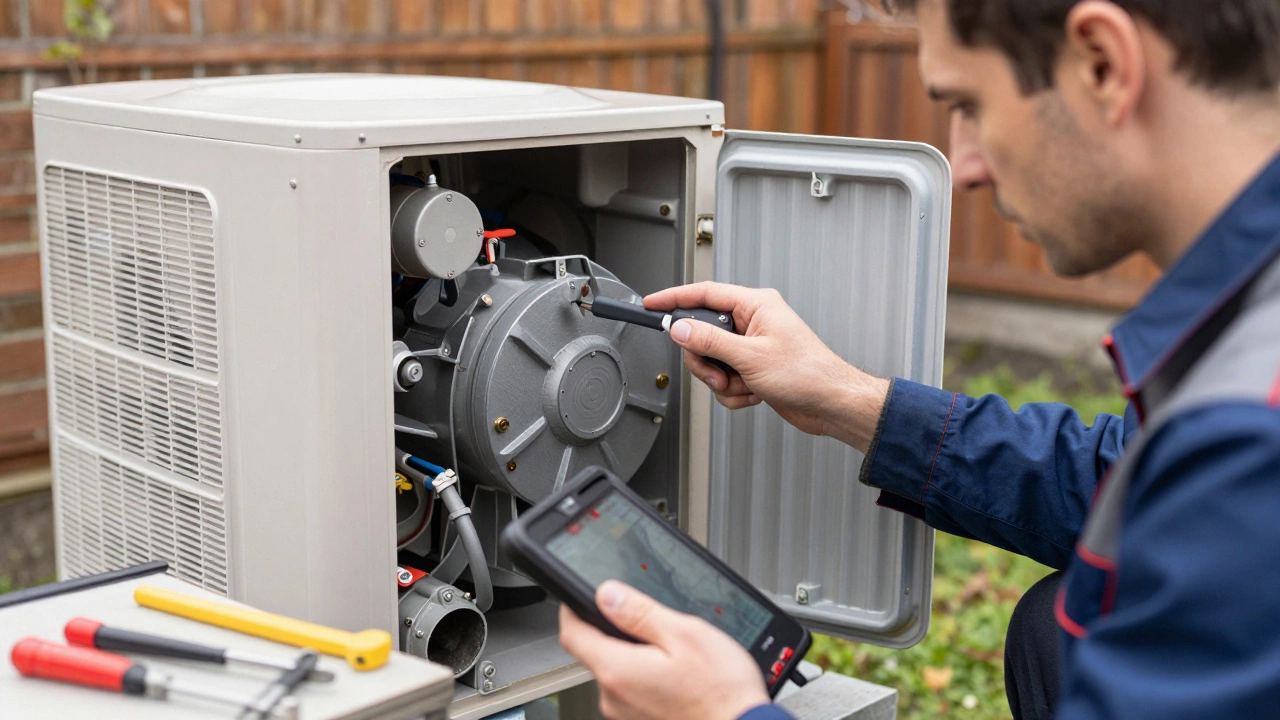
Your heat pump should hum quietly. It shouldn’t bang, screech, or rattle. Loud noises often point to loose components, broken fan blades, or issues with the compressor mounting. While some noises can be fixed with tightening bolts or lubrication, persistent grinding or clanking sounds usually indicate severe mechanical damage inside the sealed system.
Beyond noise, pay attention to temperature consistency. Does one room stay freezing while another feels like a sauna? This could be a ductwork issue, but if your whole house struggles to maintain the set temperature, your heat pump might not have enough capacity left to handle the load. Short cycling-where the system turns on and off rapidly without completing a full heating cycle-is another major warning sign. This behavior stresses the electrical components and wastes energy, signaling that the control board or thermostat sensors are failing.
Efficiency Ratings: SEER and HSPF Explained
If you decide to replace your unit, you’ll encounter terms like SEER and HSPF. These aren’t just marketing buzzwords; they are critical metrics for determining long-term value. SEER stands for Seasonal Energy Efficiency Ratio, measuring cooling efficiency. HSPF stands for Heating Seasonal Performance Factor, measuring heating efficiency.
Older systems might have a SEER rating of 10 or lower. Modern minimum standards require a SEER of 14 or higher, with premium models reaching 20+. Similarly, HSPF ratings have jumped from around 6.8 in older units to 8.2 or higher in new ones. Upgrading from a low-efficiency model to a high-efficiency one doesn’t just save money; it reduces your carbon footprint. In many regions, utilities offer rebates for installing high-efficiency heat pumps, further lowering the upfront cost.
| Attribute | Old System (10+ Years) | New High-Efficiency System |
|---|---|---|
| Refrigerant Type | R-22 (Phased out, expensive) | R-410A / R-32 (Eco-friendly, efficient) |
| SEER Rating | 8 - 10 | 14 - 20+ |
| HSPF Rating | 6.8 - 7.5 | 8.2 - 10+ |
| Warranty Coverage | Expired or limited | 5-10 years on parts/compressor |
| Noise Level | Loud, vibrating | Quiet, variable-speed fans |
Repair vs. Replace: Making the Final Call
So, how do you make the final decision? Start by getting a professional inspection. A qualified HVAC technician can assess the condition of the coils, the integrity of the electrical connections, and the overall state of the compressor. Ask them specifically about the remaining life expectancy of the unit.
If the technician recommends a major component replacement-like the compressor or the heat exchanger-and your unit is over eight years old, lean heavily toward replacement. Major repairs rarely extend the life of an old system significantly. Instead, they buy you a few months of operation before the next part fails.
Consider your future plans too. If you plan to sell your home in the next few years, a new heat pump adds value and makes the property more attractive to buyers who worry about immediate maintenance costs. Conversely, if you’re staying put for decades, the long-term energy savings of a new, efficient system will compound nicely over time.
Don’t wait until the system dies completely on a freezing night. Emergency repairs cost more, and you’ll be left shivering while waiting for a technician. By recognizing these early warning signs-age, rising bills, frequent repairs, and poor efficiency-you can take control of the situation, budget appropriately, and ensure your home stays comfortable year-round.
How long does a typical heat pump last?
Most residential heat pumps last between 10 and 15 years. Proper maintenance, such as annual inspections and regular filter changes, can help reach the upper end of this range. However, once a unit passes the 10-year mark, the likelihood of major component failure increases significantly.
Is it worth repairing a 12-year-old heat pump?
Generally, no. Unless the repair is very minor (like a simple sensor replacement), investing in a 12-year-old unit is risky. Apply the "$5,000 Rule": multiply the age (12) by the repair cost. If the total exceeds $5,000, replacement is the better financial decision. Additionally, older units may use obsolete refrigerants that are costly to service.
What are the signs of a failing heat pump compressor?
Signs include loud humming or buzzing noises without airflow, the system running constantly but not heating or cooling effectively, tripping circuit breakers frequently, and visible oil leaks around the compressor housing. Compressor failure is often a death sentence for the entire unit, necessitating full replacement.
Can I replace just the outdoor unit of my heat pump?
It is possible to replace only the outdoor condenser if the indoor air handler is relatively new and compatible. However, mixing old and new components can void warranties and reduce overall system efficiency. Most experts recommend replacing both the indoor and outdoor units simultaneously to ensure optimal performance and warranty coverage.
Do new heat pumps qualify for tax credits or rebates?
Yes, in many regions, including the US under the Inflation Reduction Act, homeowners can claim significant tax credits for installing high-efficiency electric heat pumps. Local utility companies also often offer rebates. Always check current federal and local incentives before purchasing, as these can offset a substantial portion of the installation cost.