Hot Water Heater Replacement Decision Tool
Answer these questions about your current hot water system to get a personalized recommendation.
Reasons for Recommendation:
Financial Analysis:
Next Steps:
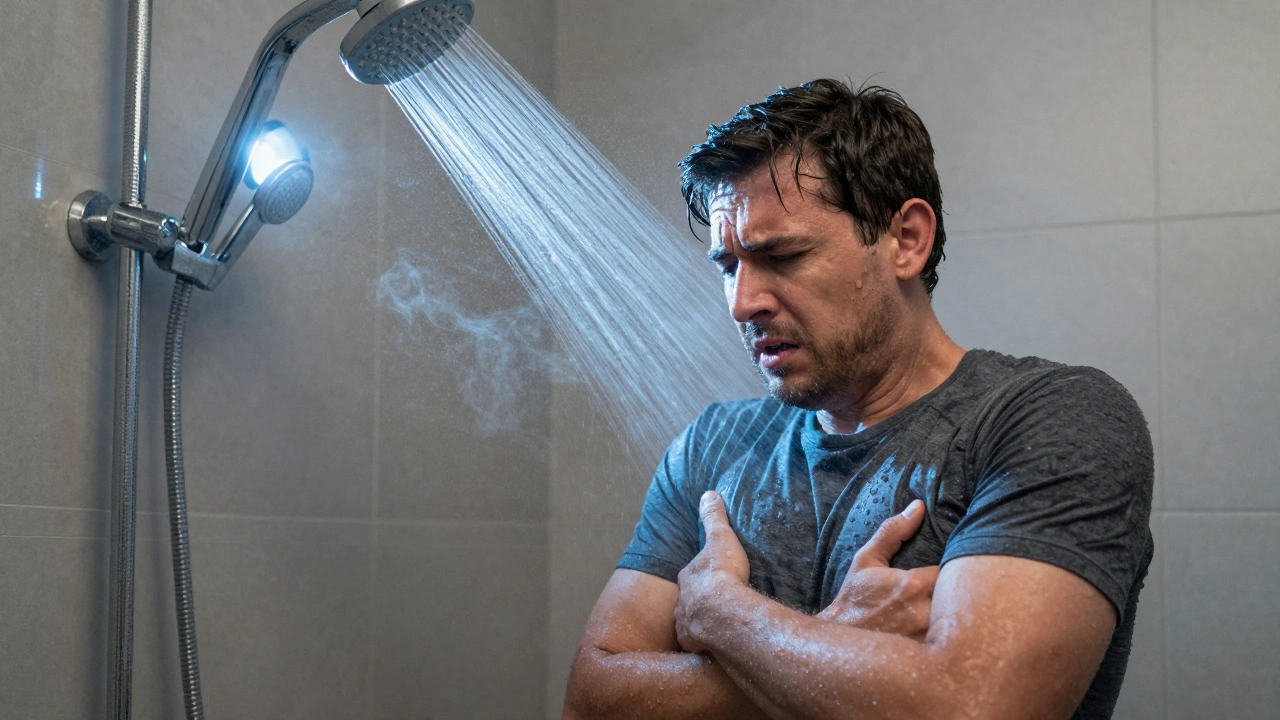
There is nothing worse than stepping into the shower after a long day in the Brisbane heat, only to be greeted by a blast of ice-cold water. It happens fast, and it ruins your mood instantly. You check the thermostat. You wait ten minutes. Nothing changes. Now you are standing there shivering, wondering if this is a quick fix or if you need to call a professional for a major replacement.
Deciding whether to repair or replace your hot water heater is a decision that balances immediate comfort against long-term home maintenance costs can feel like a gamble. Most homeowners want to squeeze every last year out of their current unit. But sometimes, holding on too tight leads to catastrophic leaks, higher energy bills, and safety hazards. The truth is, your water heater will usually give you plenty of warning signs before it completely gives up the ghost. You just need to know what to look for.
The Age Factor: When Is Your Unit Too Old?
The first thing you need to consider is age. It sounds simple, but most people do not know when their system was installed. In Australia, the average lifespan of a traditional storage-tank electric water heater is between eight and twelve years. Gas models might push towards fifteen years, but they require more maintenance due to combustion components. If your unit is older than ten years, you are already in the danger zone.
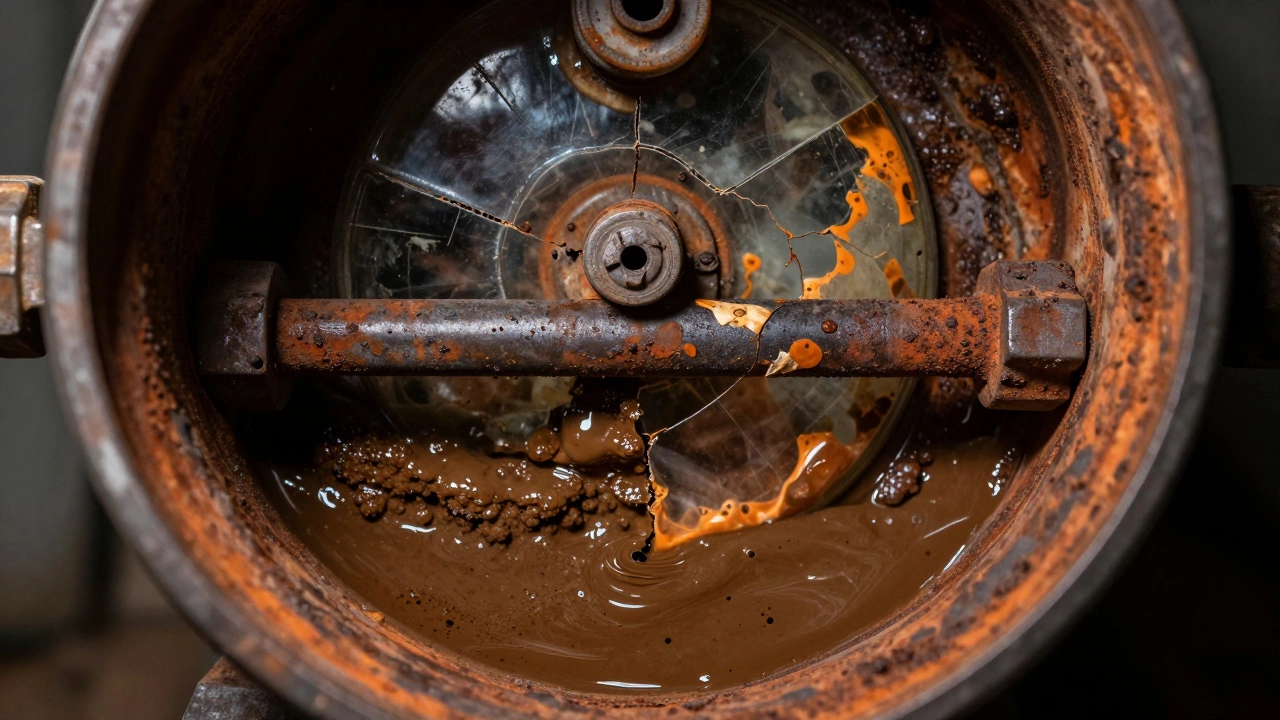
Why does age matter so much? Inside that metal tank, sediment builds up over time. Minerals from our local water supply settle at the bottom, creating a layer of sludge. This sludge acts as an insulator between the heating element (or burner) and the water. Your heater has to work harder and longer to heat the same amount of water. Over a decade, this stress weakens the internal glass lining designed to prevent rust. Eventually, the lining cracks, the steel corrodes, and the tank develops pinhole leaks. At that point, repair is no longer an option. Replacement is the only choice.
Check the serial number plate on your unit. Manufacturers often encode the installation date in the first few characters. If you cannot find the manual, a quick search online with the brand name and serial number format can reveal the manufacturing year. If that year is more than a decade ago, start budgeting for a new one now, rather than waiting for an emergency.
Fluctuating Temperatures and Strange Noises
If your water temperature starts acting erratic, your heater is struggling. One minute the water is scalding hot; the next, it turns lukewarm or cold. This inconsistency often points to a failing thermocouple in gas units or a broken heating element in electric ones. While these parts can be replaced, doing so on an old unit is often throwing good money after bad. If the tank itself is nearing the end of its life, fixing one component might just delay the inevitable failure of another.
Noises are another dead giveaway. Have you heard popping, rumbling, or banging sounds coming from the closet or garage where your heater sits? That is sediment hardening and cracking under intense heat. Think of it like boiling pasta in a pot with food stuck to the bottom-it burns and pops. These noises indicate significant mineral buildup. Flushing the tank might help temporarily, but if the noise persists, the internal corrosion is likely advanced. In Brisbane, where we have relatively hard water in many suburbs, this sediment issue accelerates faster than in areas with soft water.
Visible Leaks and Rusty Water
Water pooling around the base of your heater is a critical red flag. Small condensation might be normal in humid Australian summers, but steady dripping or puddles suggest a breach in the tank. Check the pressure relief valve and the inlet/outlet pipes first. If those are dry and the leak is coming directly from the tank body, you have a ruptured vessel. This is not a repairable situation. A leaking tank will eventually burst, potentially causing thousands of dollars in flood damage to your floor, cabinetry, and electrical systems.
Rusty water is equally concerning. If you turn on the hot water tap and the water comes out brown or orange, but the cold water runs clear, the problem is inside the tank. The sacrificial anode rod, which protects the tank from corrosion, has likely been consumed. Once that rod is gone, the tank itself begins to rust. You can replace the anode rod, which extends the life of the unit, but if the water remains discolored after flushing, the tank lining has failed. Drinking or bathing in rusty water is unpleasant and can stain your fixtures and laundry.
Rising Energy Bills Without Explanation
Have you noticed your electricity or gas bill creeping up even though your usage habits haven't changed? An inefficient water heater is one of the biggest energy drains in a home. As insulation degrades and sediment builds up, the unit consumes more power to maintain temperature. If your unit is ten years old, it could be using significantly more energy than modern, high-efficiency models.
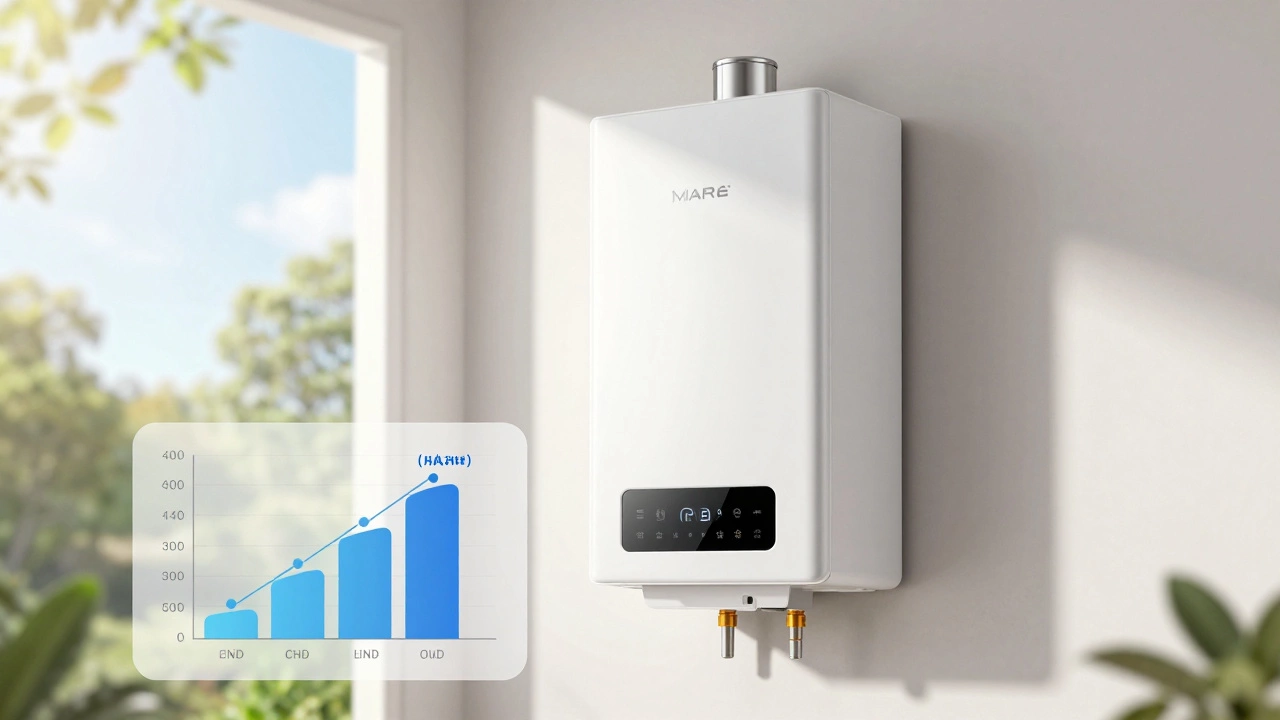
Modern systems, including heat pump water heaters and instantaneous (tankless) units, are designed to meet stricter Australian energy efficiency standards. Switching from an old electric storage tank to a newer model can reduce your energy consumption for water heating by 30% to 50%. Over five years, those savings can offset the cost of the new unit. Calculate your average monthly bill for water heating. If it seems disproportionately high compared to neighbors with similar household sizes, your heater might be wasting money every day it stays installed.
Signs of Sediment Buildup and Capacity Issues
Another subtle sign is running out of hot water faster than usual. Did you used to get three showers back-to-back, but now the second person gets cold water? This indicates reduced capacity. Sediment takes up space inside the tank, leaving less room for actual water. Additionally, the thick layer of debris prevents efficient heat transfer. The water near the elements heats up, but the bulk of the water remains cool because the heat cannot penetrate the sediment layer effectively.
You can test this by checking how long it takes for the water to recover after heavy use. If recovery times have slowed dramatically over the past year, the internal efficiency has dropped. While a professional flush can remove some sediment, heavily scaled tanks often cannot be fully restored. If you find yourself constantly adjusting the thermostat higher to compensate for lukewarm output, you are fighting a losing battle against corrosion and scale.
Comparing Repair Costs vs. Replacement Value
When deciding whether to fix or replace, apply the 50% rule. If the cost of the repair exceeds 50% of the price of a new unit, replacement is usually the smarter financial move. For example, if a new efficient water heater costs $1,500 installed, and a technician quotes you $800 to replace multiple heating elements and a control board, buy the new unit. You are paying nearly half the price of a new system for a temporary fix on aging hardware.
| Factor | Repair Makes Sense If... | Replace Makes Sense If... |
|---|---|---|
| Age of Unit | Less than 6 years old | Older than 10 years |
| Cost of Fix | Under 50% of new unit cost | Above 50% of new unit cost |
| Frequency of Breakdowns | First major issue ever | Second or third issue in 2 years |
| Energy Efficiency | Current bills are stable | Bills have risen significantly |
| Leak Source | Pipes or valves (external) | Tank body (internal) |
Consider also the frequency of repairs. If you have called a plumber twice in the last two years, your unit is becoming unreliable. Reliability matters more than saving a few hundred dollars in the short term. A sudden breakdown during winter or a busy holiday weekend can leave you without hot water for days while waiting for parts or scheduling a new installation.
Choosing the Right Replacement System
Once you decide to replace, you have options beyond just buying the same old-style tank. In Queensland's climate, heat pump water heaters are increasingly popular. They pull heat from the air to warm the water, using up to three times less electricity than conventional resistance heaters. They are quiet, efficient, and eligible for government rebates in some cases.
Instantaneous gas or electric systems are another strong contender. They heat water on demand, meaning you never run out and do not waste energy keeping a large tank hot all night. They save space and offer endless hot water. However, they require adequate gas lines or high-amperage electrical circuits. Consult with a licensed plumber or electrician to assess your home's infrastructure before committing to a specific type.
Regardless of the type, ensure the new unit is sized correctly for your household. Undersized units struggle to keep up; oversized units waste energy cycling on and off. Look for units with a Star Rating of at least 4 stars for energy efficiency. This small detail pays dividends in lower quarterly bills over the next decade.
How long should a hot water heater last in Australia?
In Australia, traditional electric storage tanks typically last 8-12 years, while gas models may last up to 15 years. Heat pump systems often have a lifespan of 10-15 years. Instantaneous units can last 15-20 years if maintained properly. Factors like water hardness, usage volume, and maintenance frequency significantly impact longevity.
Can I extend the life of my current water heater?
Yes, regular maintenance can extend life. Flush the tank annually to remove sediment. Replace the sacrificial anode rod every 3-5 years. Insulate the tank and pipes to reduce heat loss. Keep the area around the unit clear for proper ventilation. However, these measures cannot stop eventual corrosion in very old units.
Is it safe to ignore small leaks?
No. Small leaks from the tank body indicate internal corrosion that will worsen rapidly. Ignoring them risks sudden catastrophic failure, leading to extensive water damage. Leaks from pipes or valves can sometimes be repaired, but tank leaks require immediate replacement.
What is the most energy-efficient water heater type?
Heat pump water heaters are generally the most energy-efficient, using 60-70% less electricity than standard electric storage tanks. Solar hot water systems are also highly efficient but require upfront investment and roof space. Instantaneous gas heaters are efficient for moderate usage but rely on fossil fuels.
Do I need a permit to replace my water heater in Brisbane?
In Queensland, replacing a water heater with a like-for-like unit usually does not require a building permit, but it must be installed by a licensed plumber or electrician who will provide a compliance certificate. Changing fuel types (e.g., electric to gas) or relocating the unit may require additional approvals from local council or energy providers.