Electric Hob Lifespan Estimator
How long will your electric hob last?
Calculate your hob's estimated remaining lifespan based on usage patterns, maintenance habits, and environmental factors. This tool helps you decide if it's time to repair or replace your appliance.
Most people don’t think about how long their electric hob will last until it stops working. You turn the knob, nothing happens. Or one of the rings heats unevenly. Or the control panel flickers like a faulty lightbulb. That’s when you start wondering - is this thing done for good? Or can I fix it and get a few more years out of it?
The truth is, electric hobs don’t have a fixed expiration date. But they do have a typical life span - and knowing what to expect can save you money, stress, and a lot of last-minute grocery runs.
How long do electric hobs usually last?
On average, a well-maintained electric hob lasts between 10 and 15 years. That’s the number you’ll hear from most appliance technicians and manufacturers. But that’s not a guarantee. Some last less than 7 years. Others keep going past 20.
What makes the difference? It’s not magic. It’s how you use it, how often you clean it, and whether you ignore small problems until they become big ones.
In Brisbane, where humidity and salt air can creep into kitchen appliances, electric hobs tend to wear out faster than in drier climates. Corrosion on wiring, mineral buildup under the glass surface, and moisture in control boards are common culprits behind early failures.
What breaks first on an electric hob?
Not everything fails at once. Usually, one part gives out before the whole unit dies. Here’s what tends to go wrong - and how it affects longevity:
- Heating elements: These are the coils or halogen rings under the glass. They can burn out after 8-12 years of daily use. If one ring stops working, you might think the whole hob is dead - but often, it’s just that one element.
- Control knobs or touch panels: Electronic controls are the weakest link in modern hobs. Moisture, grease, or just age can fry the circuitry behind the buttons. A flickering display or unresponsive controls doesn’t always mean the hob is dead - just the interface.
- Thermostats and sensors: These regulate temperature. If your hob overheats or won’t get hot enough, the sensor might be faulty. Replacing it is usually cheaper than replacing the whole unit.
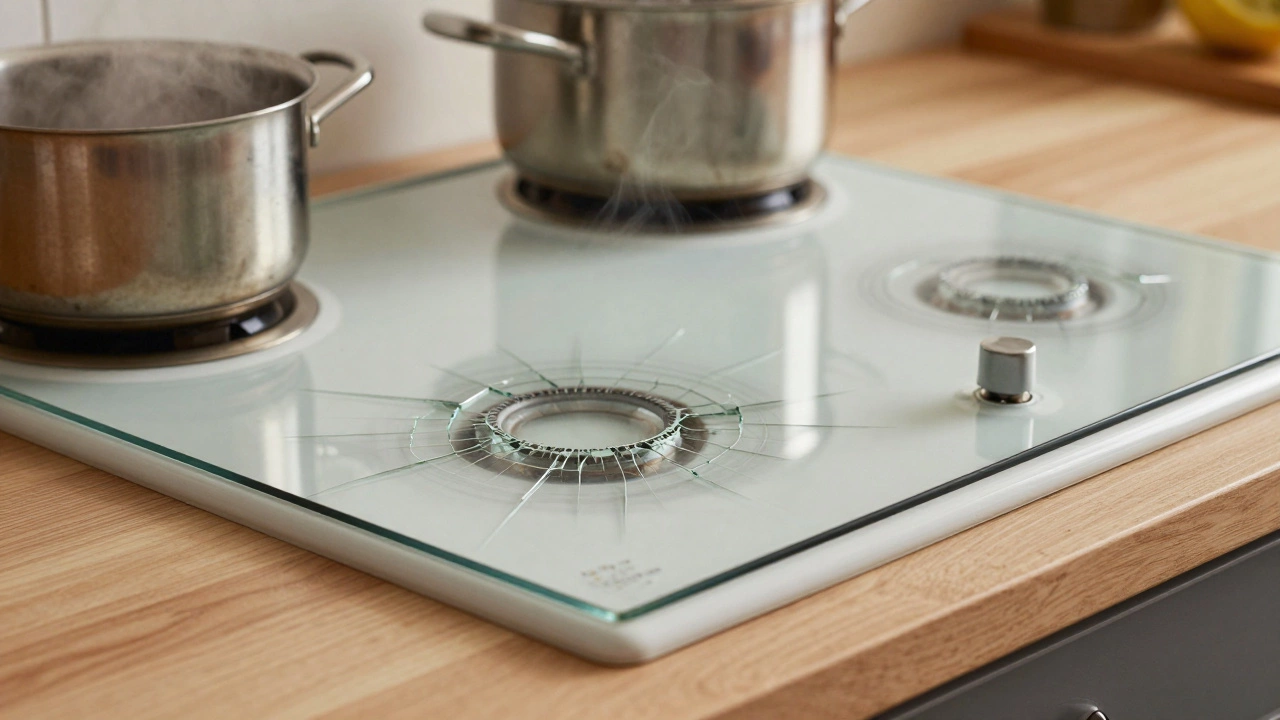
- Glass ceramic surface: Cracks or deep scratches from heavy pots or dropped utensils can make the hob unsafe. Even if the electronics work, a cracked surface means it’s time to replace the whole unit.
Here’s the thing: if only one component fails, you can often fix it for under $150. But if two or more parts are failing, it’s usually not worth the repair cost.
Signs your electric hob is nearing the end
You don’t need to wait for it to stop working completely. Watch for these warning signs:
- It takes longer to boil water than it used to - even on high.
- One or more zones heat unevenly - food cooks on one side but stays cold on the other.
- The control panel behaves strangely - buttons respond late, lights flash randomly, or it turns on by itself.
- You smell burning plastic or ozone near the hob - that’s electrical insulation breaking down.
- There are visible cracks, bubbles, or discoloration on the glass surface.
If you’re seeing two or more of these signs, your hob is likely in its final years. Don’t wait for it to break during dinner party prep. That’s when you’ll regret putting off a replacement.
What kills electric hobs faster?
Some habits shorten lifespan dramatically. Here’s what to avoid:
- Using metal scourers or abrasive cleaners on the glass surface. Even "non-scratch" pads can create micro-scratches that trap moisture and lead to cracks.
- Leaving spills uncleaned - especially sugary or acidic liquids. They bake onto the surface and eat away at the coating over time.
- Placing cold pots on a hot surface. Thermal shock from rapid temperature changes can crack the glass.
- Ignoring small electrical issues. A buzzing sound, a slight shock when touching the hob, or a tripping circuit breaker? These aren’t "just quirks." They’re warning signs.
- Overloading circuits. Electric hobs draw a lot of power. If your kitchen circuit is shared with other appliances, it can stress the hob’s internal wiring.
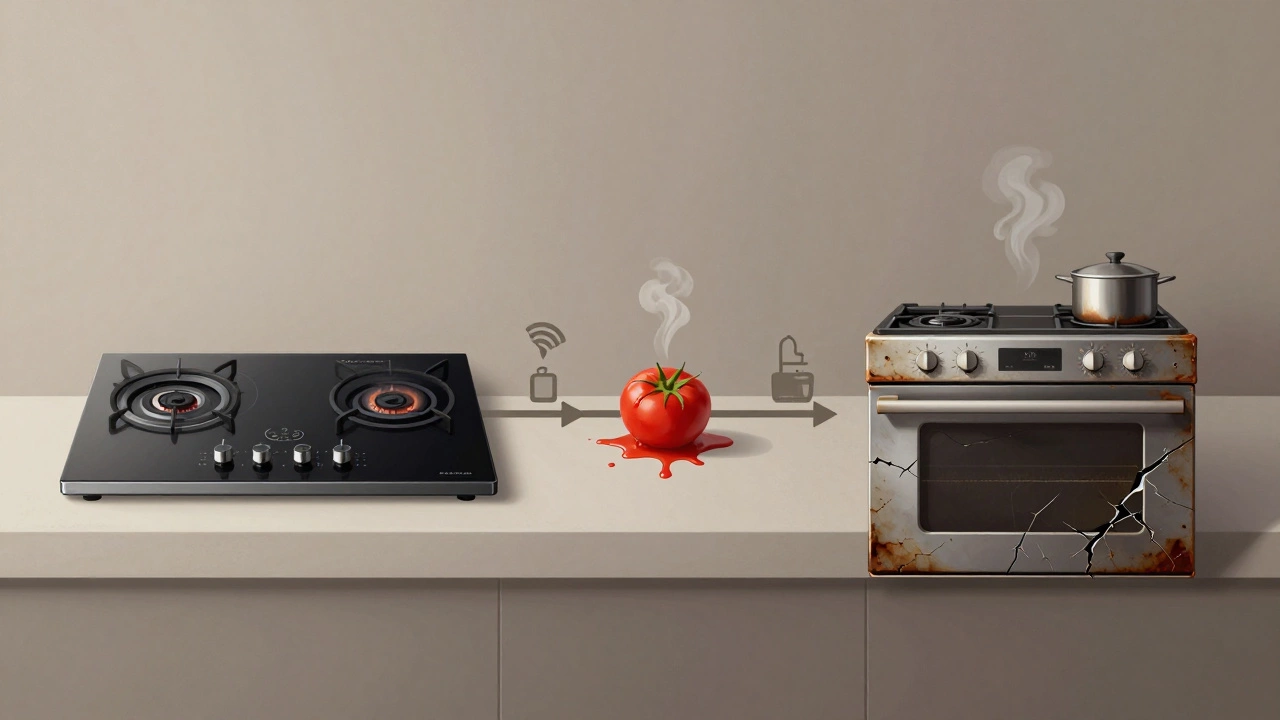
One real example from a Brisbane kitchen: a family used their hob daily, cleaned it with steel wool, and left spilled tomato sauce for days. After 6 years, the glass cracked. The repair quote was $420. A new hob cost $580. They chose to replace it.
When is repair worth it?
Here’s a simple rule: if the repair cost is less than half the price of a new hob, and the hob is under 10 years old, fix it.
Let’s say you have a 7-year-old hob. One heating element fails. Replacement part: $80. Labor: $120. Total: $200. A new mid-range hob? $700. Easy call - fix it.
But if your hob is 12 years old and the control board is fried? That’s $300 to replace. A new hob is $650. You might think, "I’ll just live with it." But here’s the catch: older hobs are less energy efficient. They use 15-25% more power than modern models. Over 3 years, that adds up to more than $150 in extra electricity bills.
Also, spare parts for older models become harder to find. If you fix it now, you might not be able to fix it again next year.
How to make your electric hob last longer
You can extend its life with simple habits:
- Clean it after every use. Wipe down the surface with a damp cloth and a ceramic hob cleaner. Don’t wait for stains to bake on.
- Use flat-bottomed pots. Warped or uneven bases cause uneven heating and stress the glass.
- Don’t slide pots across the surface. Lift and place them. Scratching the glass invites moisture and cracks.
- Check the power supply. Make sure the circuit breaker isn’t tripping. If it is, get an electrician to check the wiring.
- Don’t overload the hob. Running all four zones at max power for hours stresses the internal components.
- Keep the area dry. Moisture from steam or spills near the controls can seep in. Use a hood or fan to reduce humidity.
These steps won’t make your hob last forever - but they can easily add 3-5 years to its life.
What to look for in a new electric hob
If it’s time to replace, here’s what matters:
- Induction vs. traditional electric. Induction hobs heat faster, use less energy, and are safer (the surface stays cool). But they need magnetic cookware. If you’re happy with your current pots, stick with traditional electric.
- Warranty length. Look for at least a 2-year warranty. Brands like Bosch, Siemens, and Smeg offer 3-5 years on parts.
- Availability of spare parts. Ask the retailer: "Will you still have replacement elements for this model in 5 years?" If they hesitate, skip it.
- Energy rating. Choose a 4-star or higher model. It saves money over time.
For most households, a 4-zone traditional electric hob with a 3-year warranty and a ceramic glass surface is the sweet spot. You’re not paying for smart features you won’t use - just reliable heat.
Final thoughts
Electric hobs are built to last. But they’re not indestructible. Treat them like a car - regular care keeps them running. Ignore them, and they’ll fail when you least expect it.
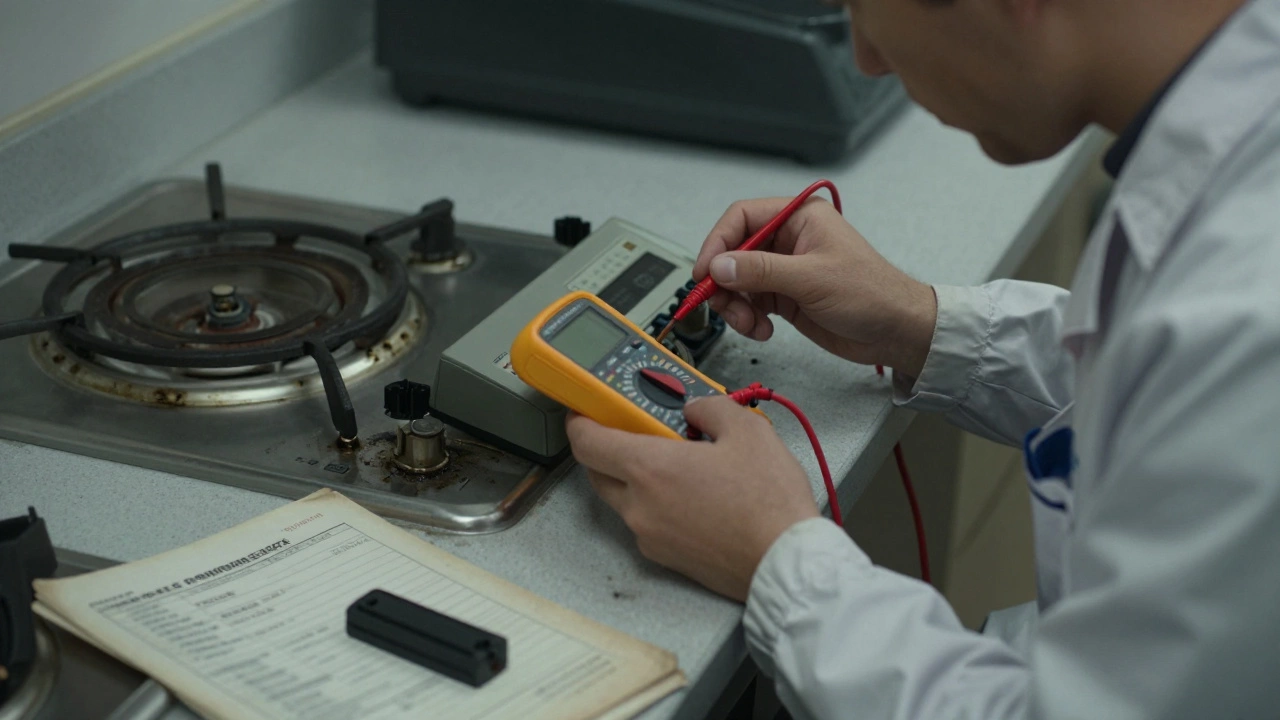
If your hob is under 10 years old and only one part is broken, fix it. If it’s over 12 years old and multiple things are failing, replace it. And if you’re unsure, get a technician to check it. A $75 diagnostic call can save you hundreds.
There’s no magic number for how long your hob will last. But with smart use and timely care, you can easily get 12-15 years out of it. That’s more than enough to cook through a few family milestones - and maybe even a few renovations.
Can I repair my electric hob myself?
You can replace a simple heating element if you’re comfortable with basic tools and have experience with electrical appliances. But anything involving the control panel, wiring, or glass surface should be left to a professional. Mistakes can cause electrical hazards or void your warranty. If you’re not sure, call a technician.
Is it cheaper to repair or replace an electric hob?
If the repair costs less than half the price of a new hob and your unit is under 10 years old, repair is usually the better choice. If the hob is older than 12 years or multiple components are failing, replacement is more cost-effective in the long run - especially when you factor in rising energy bills from an inefficient unit.
Do electric hobs wear out faster than gas hobs?
Electric hobs typically last slightly longer than gas hobs - 10-15 years vs. 8-12 years for gas. But gas hobs have fewer electronic parts, so when they do fail, repairs are often simpler. Electric hobs are more prone to control board failures and glass damage, while gas hobs suffer from burner clogs and ignition problems.
Why does my electric hob trip the circuit breaker?
This usually means the hob is drawing too much power - either because of a faulty heating element, short circuit, or an overloaded kitchen circuit. It could also mean your home’s wiring is outdated. Don’t keep resetting the breaker. Call an electrician to check both the hob and your circuit panel.
Can I replace just the glass surface on my electric hob?
In most cases, no. The glass surface is bonded to the internal components and isn’t sold as a standalone part. If the glass is cracked or badly scratched, you’ll need to replace the entire hob unit. Some high-end models allow surface replacement, but they’re rare and expensive - often costing nearly as much as a new hob.
Next time you clean your hob, take a moment to check the edges for cracks, wipe behind the controls, and test each zone. Small habits now prevent big headaches later.