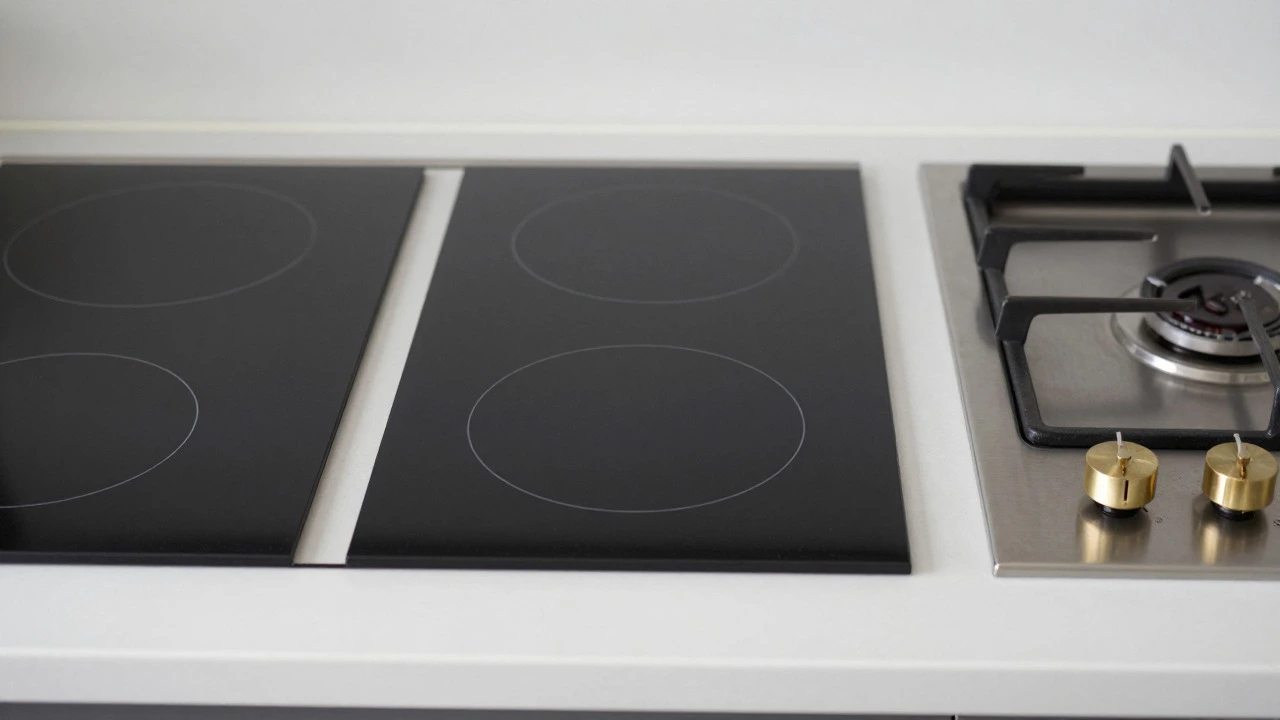
Hob Repair vs. Replace Calculator
Use the 50% rule and age factors to make a smart decision about your cooking surface.
- Repair cost represents 0% of a new unit.
- Your hob is at 0% of its expected life.
Efficiency Opportunity
Safety Check
There is nothing quite as frustrating as standing in your kitchen, ready to cook dinner, only to realize your hob has decided to quit on you. Maybe the flame won’t light, or perhaps the induction zone just stopped heating up entirely. Before you rush out to buy a brand-new unit, it helps to know if you are dealing with normal wear and tear or if your appliance simply reached its natural end. The short answer is that most modern hobs should last between 10 and 15 years. However, this number varies wildly depending on whether you have a gas, electric, or induction model, and how hard you work that surface every day.
In Brisbane, where we cook through humid summers and mild winters, our appliances face specific stressors. Salt air can corrode metal components faster than inland areas, and heavy use during holiday gatherings puts extra strain on burners and heating elements. Understanding what determines the lifespan of your hob allows you to make smarter decisions about repair versus replacement. It also saves you from throwing away a perfectly good appliance that just needs a minor fix.
The Average Lifespan by Hob Type
Not all cooking surfaces are created equal. The technology inside your hob dictates how long it will survive daily abuse. If you are trying to guess when your current unit might fail, look at the type installed in your kitchen.
| Hob Type | Average Lifespan | Key Failure Points |
|---|---|---|
| Gas Hobs | 10-15 years | Clogged burner ports, faulty igniters, gas valve leaks |
| Electric Ceramic Hobs | 10-12 years | Cracked glass tops, failed heating elements, control board issues |
| Induction Hobs | 12-15+ years | Electronic component failure, fan motor issues, sensor errors |
| Solid Plate Electric Hobs | 8-10 years | Warped plates, broken thermostats, wiring degradation |
Gas hobs tend to be the most durable in terms of mechanical simplicity. Because they rely on open flames rather than complex electronics, there are fewer parts that can break electronically. However, the physical components like brass burner caps and ignition switches wear out over time. In coastal areas like Gold Coast or Brisbane’s northern suburbs, salt corrosion can eat away at these metal parts faster, reducing their effective life by a few years.
Induction hobs are often marketed as high-tech marvels, and they do offer longevity benefits. Since there is no direct heat source touching the pot, the surface itself suffers less thermal shock. The main weakness lies in the electronic circuitry. Power surges, which are not uncommon in older Australian homes with outdated wiring, can fry the sensitive control boards. If protected by a surge protector, an induction hob can easily outlast a ceramic one.
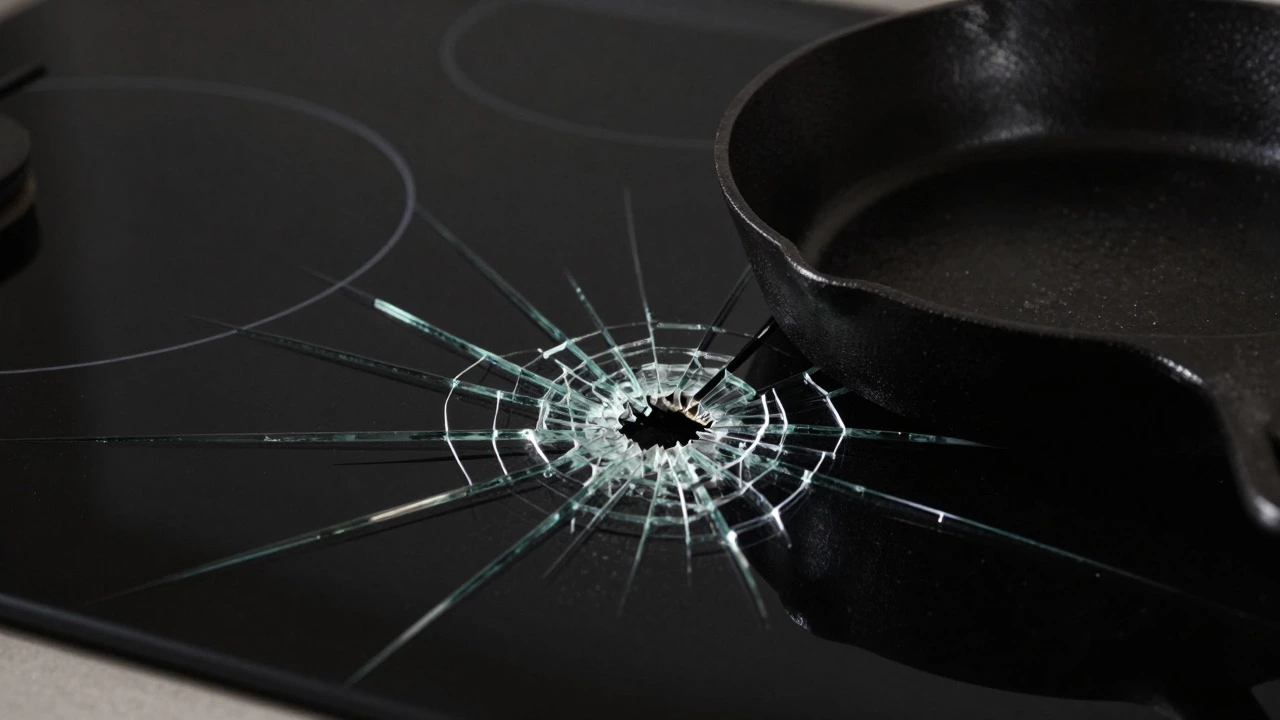
Electric ceramic hobs sit in the middle. The glass-ceramic top is tough but brittle. A single drop of a heavy cast-iron pan can crack the entire surface, rendering the hob useless regardless of the internal health of the heating elements. This makes accidental damage a bigger threat to lifespan than gradual wear.
Signs Your Hob Is Reaching the End of Its Life
You don’t need to be an appliance technician to spot trouble brewing. There are clear warning signs that indicate your hob is struggling. Ignoring these signals can lead to safety hazards, especially with gas models.
- Inconsistent Heating: If your pots take forever to boil or heat unevenly, the heating elements or gas flow regulators may be failing. On induction hobs, this could mean the sensors are misreading the cookware.
- Frequent Error Codes: Modern hobs display error messages when something goes wrong. If you see codes like "E0" or "F1" repeatedly, even after resetting the unit, the internal logic board is likely degrading.
- Physical Damage: Cracks in the glass top of an electric or induction hob are immediate red flags. Not only do they look bad, but moisture can seep into the electronics below, causing shorts or shocks.
- Ignition Issues: For gas hobs, if you find yourself lighting the burner with a match more often than the spark works, the igniter electrode is worn out. While this is a cheap fix, it often signals other aging components nearby.
- Weird Noises: Humming, buzzing, or clicking sounds that weren’t there before usually indicate loose connections, failing fans (in induction models), or gas pressure irregularities.
If your hob is over ten years old and showing two or more of these symptoms, it is probably time to consider replacement. Repairing multiple aging components can quickly add up to the cost of a new, more efficient unit.
Repair vs. Replace: Making the Right Choice
This is the biggest dilemma homeowners face. Do you call a technician for a $200 repair, or do you bite the bullet and spend $800-$1,500 on a new hob? The decision isn’t just about money; it’s about efficiency, safety, and future-proofing your kitchen.
Here is a simple rule of thumb used by many appliance repair professionals in Australia: the 50% rule. If the cost of repair exceeds 50% of the price of a comparable new unit, replace it. However, age matters too. If your hob is five years old and needs a $300 part, repair it. If it is fifteen years old and needs the same part, replace it.
Consider energy efficiency as well. Older electric hobs consume significantly more power than modern induction models. Switching to induction can reduce your electricity bill by up to 40% for cooking tasks alone. Over five years, those savings can offset the initial purchase price. Gas prices in Queensland have been volatile, so if you are currently on gas, switching to induction might hedge against future fuel cost spikes.
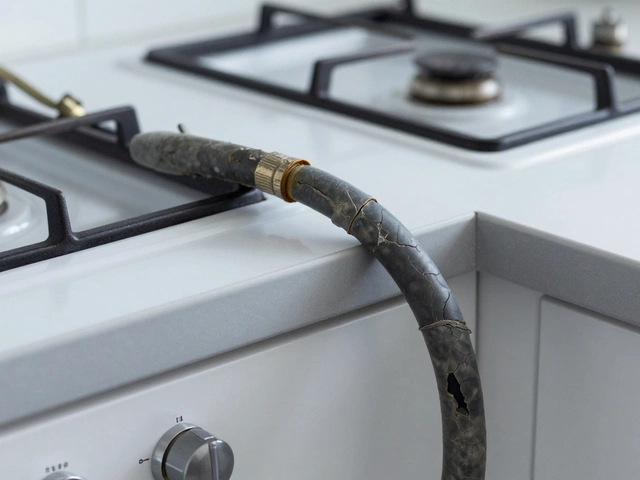
Safety is another critical factor. Old gas valves can leak slowly without you noticing. Carbon monoxide detectors are essential, but preventing the leak altogether is better. If your gas hob is leaking or the flame color is yellow instead of blue, do not wait. Call a professional immediately.
How to Extend the Life of Your Hob
You can push your hob closer to the upper end of its lifespan with proper care. Most premature failures are caused by neglect rather than inherent defects. Here are practical steps to keep your cooking surface running smoothly.
- Clean Regularly, But Gently: For ceramic and induction hobs, use a dedicated scraper and cleaner. Avoid abrasive scouring pads that create micro-scratches, which weaken the glass over time. Wipe spills immediately to prevent sugar or starch from burning onto the surface.
- Use the Right Cookware: Flat-bottomed pans are crucial. Warped pans cause hot spots on electric hobs and poor contact on induction units. Heavy, flat stainless steel or cast iron works best. Avoid using small pots on large burners, as this wastes energy and stresses the element.
- Protect Against Moisture: Water is the enemy of electronics. Keep the area around your hob dry. If you have a splashback, ensure it is sealed properly. For gas hobs, regularly remove and clean the burner caps to prevent food debris from clogging the gas ports.
- Install a Surge Protector: Especially for induction and digital electric hobs, a whole-home surge protector or a dedicated plug-in protector can save the control board from lightning strikes or grid fluctuations. This is particularly important in older Brisbane homes with aging electrical infrastructure.
- Annual Professional Checkup: Just like a car, your hob benefits from occasional inspection. A technician can check gas pressures, tighten electrical connections, and clean out hidden grease buildup that you can’t reach. This preventive maintenance can add several years to the appliance’s life.

Common Myths About Hob Durability
There is a lot of misinformation floating around online regarding appliance longevity. Let’s clear up a few common myths that might be influencing your decision-making.
Myth: Induction hobs break down faster because they are too complicated.
Reality: While induction hobs have more electronic components, they have fewer moving parts than gas hobs. There are no fans blowing dust into burners, no thermocouples to degrade, and no gas lines to corrode. With proper installation, they are among the most reliable cooking surfaces available.
Myth: You must replace the entire hob if one burner stops working.
Reality: On modular gas hobs, individual burners can often be replaced independently. On electric and induction hobs, if one zone fails, it is sometimes possible to replace just the heating element or the driver module for that specific zone, though this depends on the manufacturer’s design.
Myth: Cheaper hobs last just as long as expensive ones.
Reality: Budget models often use lower-grade materials for internal components. The glass may be thinner, the control boards less robust, and the seals less durable. Premium brands invest in higher-quality capacitors, thicker glass, and better heat dissipation systems, which directly translate to longer lifespans.
When to Call a Professional
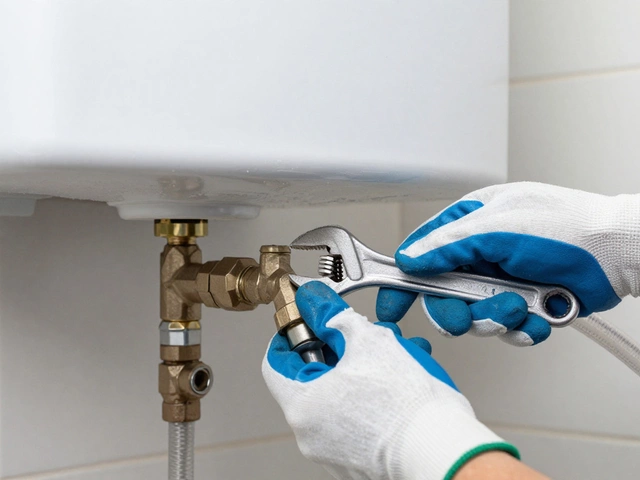
Some issues are DIY-friendly, like cleaning burner ports or replacing a knob. Others require a licensed technician. In Australia, gas appliance repairs must be performed by a licensed gas fitter. Attempting to fix a gas leak or replace a gas valve yourself can be dangerous and may void your home insurance.
For electric and induction hobs, basic troubleshooting like checking the fuse box or resetting the breaker is safe. However, if the problem involves opening the unit to access the control board or heating elements, hire a professional. High-voltage components remain charged even when unplugged, posing a shock risk.
If you live in Brisbane or surrounding areas, look for technicians who specialize in your specific brand. Generic appliance repair shops may not have the proprietary diagnostic tools or genuine spare parts needed for high-end models like Miele, Bosch, or Fisher & Paykel.
Is it worth repairing a 15-year-old hob?
Generally, no. At 15 years old, your hob has exceeded its average lifespan. Even if you fix the immediate issue, other components are likely nearing failure. Replacement is usually more cost-effective and safer, offering improved energy efficiency and modern safety features.
Why does my gas hob take longer to ignite?
This is usually caused by a dirty or misaligned igniter electrode, or clogged burner ports. Food residue can block the spark path or gas flow. Cleaning the burner assembly with a toothbrush and vinegar solution often resolves this. If the problem persists, the ignition switch may need replacement.
Can I replace a cracked induction hob glass top myself?
Technically yes, but it is difficult and risky. The glass is glued to the frame with specialized adhesive that requires heat guns to remove safely. Improper installation can lead to water ingress or electrical shorts. Unless you are experienced with appliance repair, hiring a professional is recommended.
Do induction hobs work with all cookware?
No. Induction hobs require magnetic cookware. If a magnet sticks firmly to the bottom of your pan, it will work. Aluminum, copper, and glass pots need an induction-compatible base plate to function. Using non-magnetic cookware will result in error codes and no heating.
How much does it cost to replace a hob in Australia?
Prices vary widely. Basic electric hobs start around $300-$500, while mid-range induction models cost $600-$900. Premium brands can exceed $1,500. Installation costs typically range from $150-$300 for electric and $200-$400 for gas, depending on complexity and local labor rates in Brisbane.