Extractor Fan Replacement Cost & Need Estimator
Results
Fill out the form to see if you need a new fan and what it will cost.
That humming noise in your kitchen or bathroom isn't just background music; it’s the sound of stale air, grease, and moisture being pushed out of your home. But what happens when that hum turns into a rattle, or worse, stops entirely? You’re left with steamy mirrors, lingering cooking smells, and potentially dangerous mold growth. The question on every homeowner’s mind is simple but tricky: how often do you actually need to replace an extractor fan?
The short answer? Most extractor fans last between 8 to 15 years, depending heavily on usage and maintenance. However, waiting until the unit dies completely is a mistake. By then, you might be dealing with structural damage from condensation or fire hazards from grease buildup. Knowing the signs of failure before they become emergencies saves money and keeps your indoor air quality high.
Understanding Extractor Fan Lifespan
Not all fans are created equal. The lifespan of your ventilation system depends largely on where it’s installed and what it’s tasked with moving. A fan in a small guest bathroom used once a week will likely outlast the heavy-duty hood over a stove in a family kitchen that cooks three meals a day.
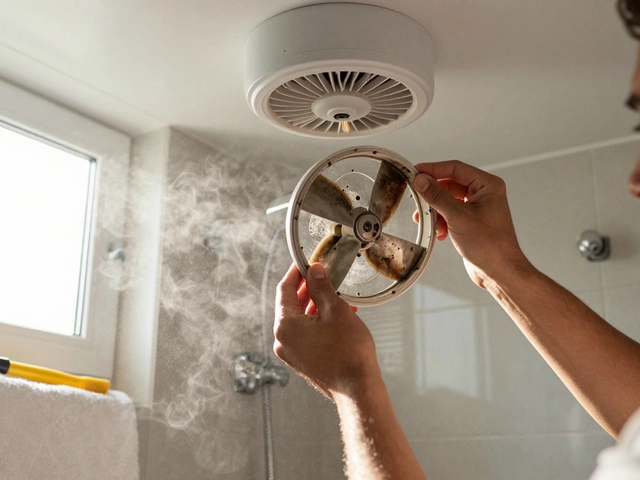
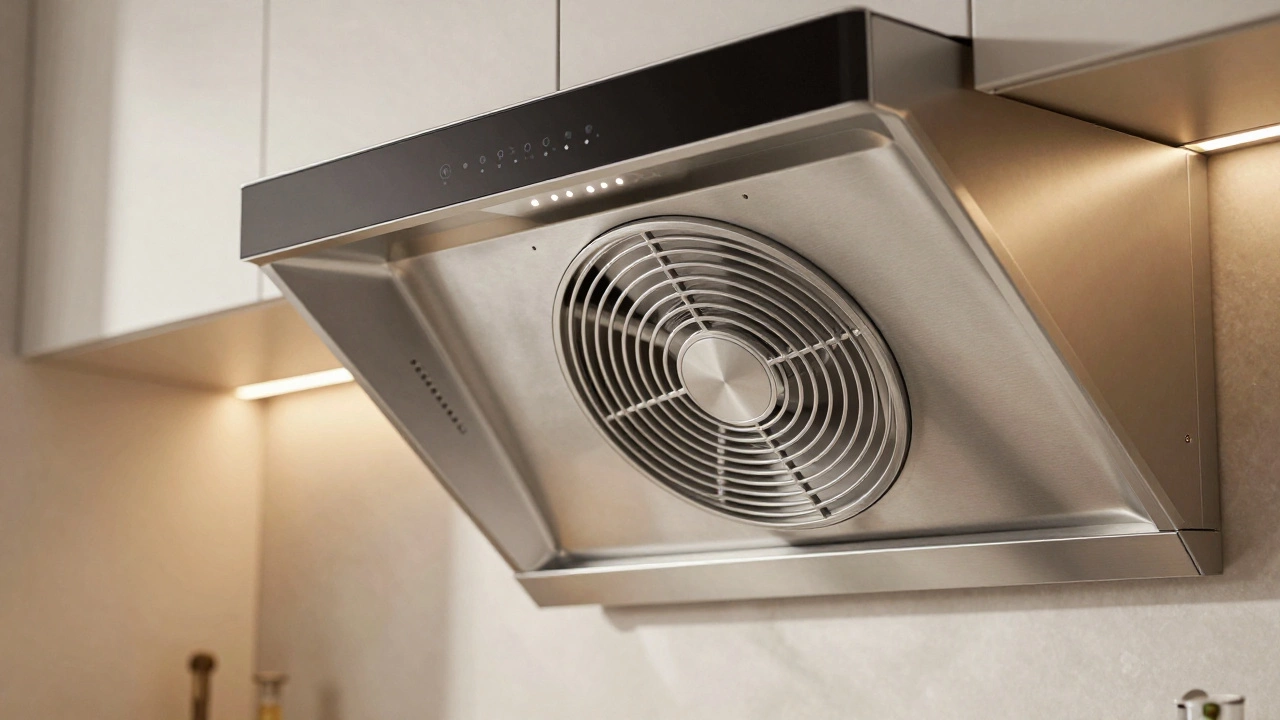
Kitchen extractor fans face the harshest environment. They deal with heat, oil vapors, and particulate matter. Grease coats the internal components, acting as a glue for dust and dirt. This adds weight to the impeller blades, forcing the motor to work harder. Over time, this extra strain leads to premature wear. In contrast, bathroom fans primarily handle humidity. While moisture can cause corrosion if not properly managed, it doesn’t clog the mechanics quite like grease does.
Quality also plays a massive role. Budget models often use plastic housings and lower-grade bearings that degrade faster under continuous operation. Higher-end units, particularly those with stainless steel construction and sealed bearings, can push past the 15-year mark. If you bought a cheap unit during a renovation ten years ago, don’t be surprised if it starts struggling now.
Signs Your Extractor Fan Needs Replacement
You don’t need a degree in engineering to tell when your fan is failing. Pay attention to these common warning signs:
- Noise levels have increased: A healthy fan runs quietly. If you hear grinding, screeching, or excessive rattling, the bearings are likely worn out. Lubrication might help temporarily, but persistent noise usually means the motor is dying.
- Reduced airflow: Light a candle near the vent outlet while the fan is running. If the flame doesn’t flicker significantly, the fan isn’t moving enough air. This could be due to a blocked duct, but if cleaning doesn’t fix it, the motor may lack power.
- Visible grease or dust buildup: In kitchens, thick layers of grease on the exterior grill indicate that the interior is equally coated. This restricts airflow and poses a fire risk.
- Frequent tripping of circuit breakers: If the fan causes electrical issues, the motor is drawing too much current due to friction or short circuits. This is a serious safety hazard.
- Condensation and mold: If your bathroom remains humid after showers, or if you see black spots around the fan housing, the ventilation is insufficient. This isn’t just uncomfortable; it damages drywall and promotes unhealthy spores.
If you notice two or more of these symptoms, it’s time to evaluate whether repair or replacement is the smarter move.
Repair vs. Replacement: Making the Right Choice
Before tossing your old fan, consider if a repair makes sense. Motors are often the first point of failure. Replacing just the motor can extend the life of the unit by several years, especially if the housing and ductwork are still in good condition. Bearings can sometimes be lubricated or swapped out, offering a cheaper alternative to buying a new system.
However, replacement becomes necessary when:
- The housing is cracked or corroded.
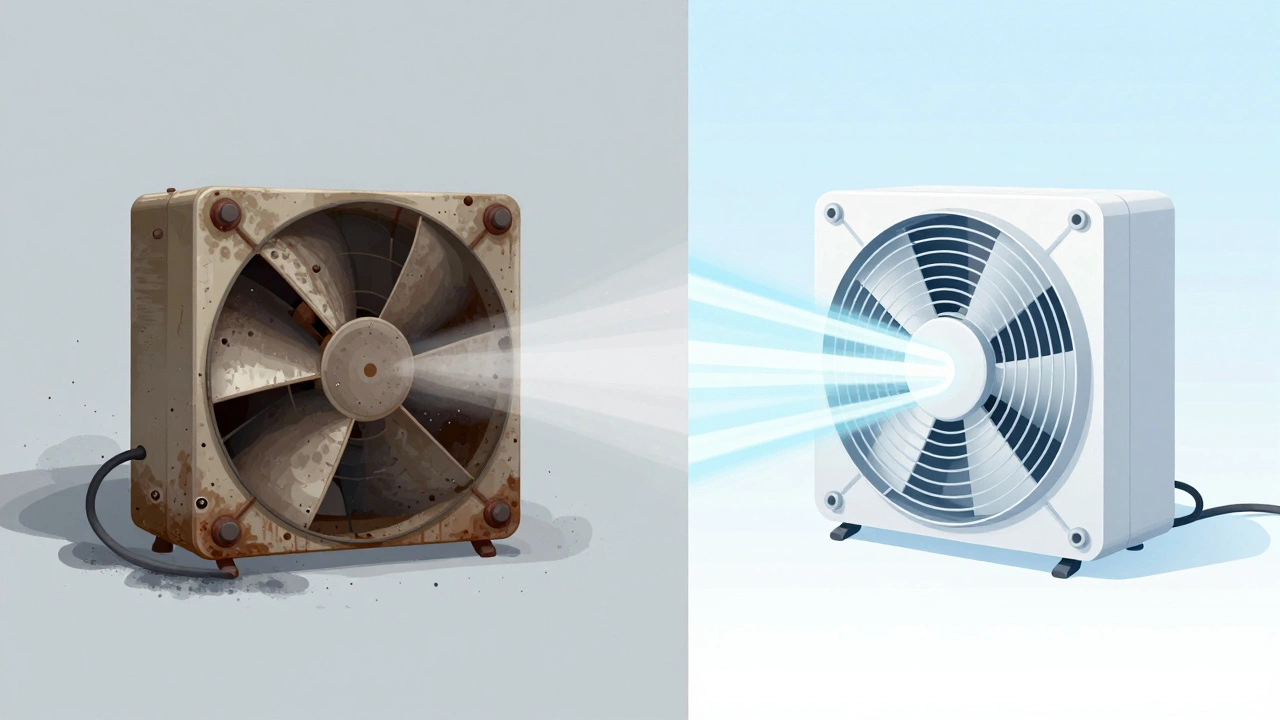
- The fan is outdated and inefficient, consuming more electricity than modern models.
- Repairs cost more than 50% of a new unit’s price.
- The noise persists despite bearing replacement.
In Brisbane’s humid climate, older fans often suffer from rust inside the ducting. If the duct itself is compromised, patching it up is rarely worth the effort. Installing a new fan allows you to upgrade to a more efficient model, which pays for itself in energy savings over time.
Cost of Replacing an Extractor Fan
Budgeting for a replacement involves more than just the price tag of the unit. Labor, materials, and potential electrical upgrades add to the total. Here’s a breakdown of typical costs in Australia:
| Component | Cost Range (AUD) |
|---|---|
| Basic Bathroom Fan | $150 - $300 |
| Kitchen Range Hood (Mid-Range) | $400 - $800 |
| Premium Kitchen Hood | $800 - $2,000+ |
| Electrician Labor | $80 - $120 per hour |
| Ductwork Modifications | $200 - $500 |
Labor costs vary based on complexity. Replacing a simple inline bathroom fan might take an electrician an hour. Rewiring a large kitchen hood with integrated lighting and sensors could take half a day. Always get multiple quotes, but remember that cheap labor can lead to poor installation, which affects performance and safety.
Maintenance Tips to Extend Fan Life
Proper maintenance is the cheapest insurance policy for your extractor fan. Regular care can double its lifespan. Here’s what you should do:
- Clean filters monthly: Grease filters in kitchens should be washed with hot soapy water or placed in the dishwasher. Mesh filters in bathrooms should be vacuumed or brushed clean to remove dust and hair.
- Inspect the exterior grill: Wipe down the surface regularly to prevent grease accumulation. Use a degreaser for stubborn kitchen grime.
- Check ductwork annually: Ensure there are no blockages, leaks, or disconnections. Sealed ducts maintain suction efficiency.
- Lubricate bearings if applicable: Some older models allow for bearing lubrication. Consult your manual before adding oil to avoid damaging sealed units.
- Test airflow seasonally: Use the candle test mentioned earlier to ensure consistent performance. Declining airflow signals impending issues.
Ignoring these steps forces the motor to compensate for restricted airflow, leading to overheating and burnout. A few minutes of maintenance each month prevents costly repairs later.
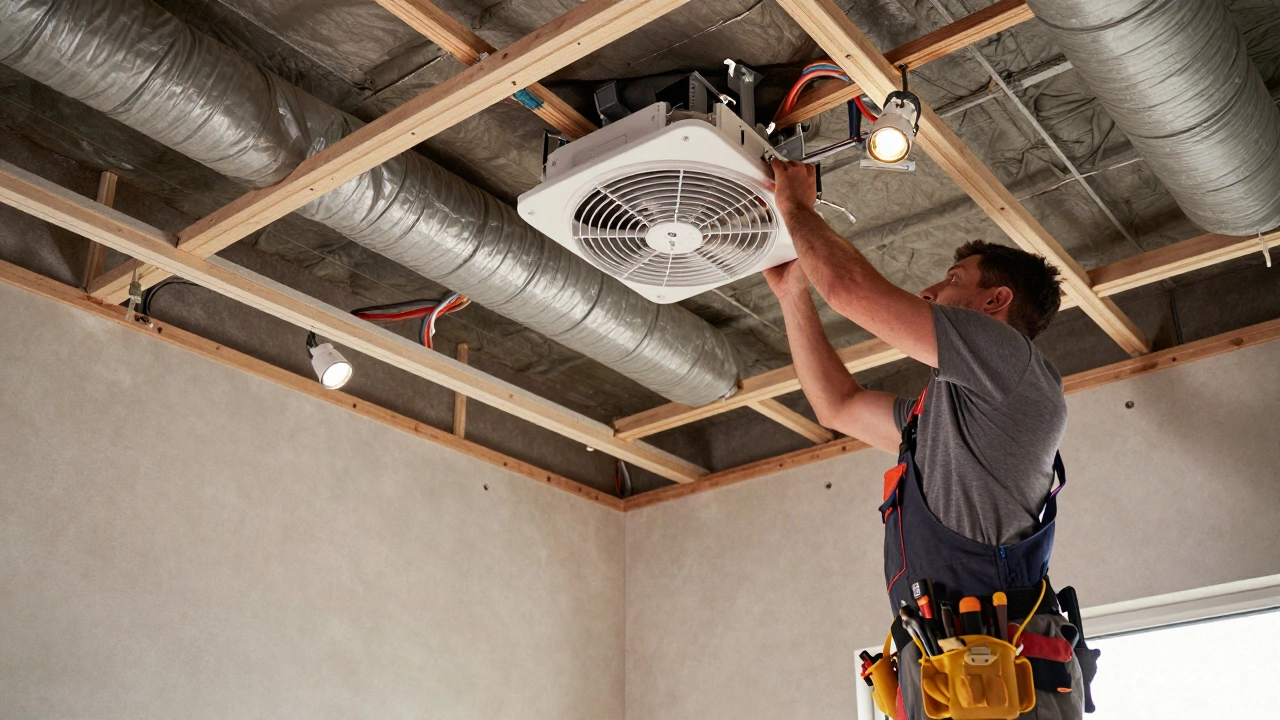
Choosing the Right Replacement Fan
When shopping for a new extractor fan, focus on performance metrics rather than aesthetics alone. Key specifications include:
- Airflow rate (L/s): Measured in liters per second. Bathrooms typically require 15-25 L/s, while kitchens need 60-100+ L/s depending on stove type.
- Sound level (dB): Look for units under 40 dB for bedrooms and bathrooms. Kitchens can tolerate slightly higher noise levels.
- Energy efficiency: Modern EC (Electronically Commutated) motors use up to 70% less energy than traditional AC motors.
- Installation type: Ceiling-mounted, wall-mounted, or inline. Inline fans offer quieter operation since the motor is hidden in the ceiling space.
Consider smart features like humidity sensors that automatically activate the fan when moisture levels rise. These are particularly useful in bathrooms where forgetting to turn off the fan is common. For kitchens, look for models with easy-to-remove filters and self-cleaning functions to minimize maintenance hassle.
Environmental Impact and Efficiency
Older extractor fans waste significant amounts of energy. Upgrading to a high-efficiency model reduces your carbon footprint and lowers electricity bills. In Australia, energy ratings are clearly displayed on appliances. Aim for units with a high star rating for optimal performance.
Additionally, proper ventilation reduces the need for artificial cooling. By removing excess heat and humidity, your air conditioning system works less hard, further saving energy. It’s a win-win for both your wallet and the planet.
Can I replace an extractor fan myself?
While replacing a simple plug-in fan might be DIY-friendly, most extractor fans involve hardwired electrical connections. In Australia, electrical work must comply with strict safety standards. Hiring a licensed electrician ensures correct installation and avoids voiding warranties or creating fire hazards.
How long does it take to install a new extractor fan?
A straightforward replacement typically takes 1-2 hours. Complex installations involving new ductwork or electrical upgrades can take half a day or more. Factors like access to ceiling spaces and existing wiring conditions affect the timeline.
What is the average lifespan of a kitchen range hood?
Kitchen range hoods generally last 10-15 years. Heavy use, frequent cooking of greasy foods, and lack of filter cleaning can shorten this period. High-quality brands with stainless steel components often exceed 15 years.
Why is my extractor fan making noise?
Noise usually indicates worn bearings, loose mounting screws, or debris caught in the fan blades. Grinding sounds suggest motor issues, while rattling may mean loose parts. Cleaning and tightening components can help, but persistent noise often requires professional repair or replacement.
Do I need a permit to replace an extractor fan?
In most cases, no permit is required for standard fan replacements. However, if you’re altering ductwork, changing electrical circuits, or modifying building structures, local council regulations may apply. Always consult your electrician or local authority to confirm compliance.