Boiler Maintenance Safety Checker
How to use: Select the task you are considering performing on your boiler to see the risk level and professional requirement.
Bleeding Radiators
Removing trapped air from heating elements.
Checking Pressure
Monitoring and adjusting system water pressure.
Visual Inspection
Looking for external leaks or soot marks.
Filter Cleaning
Cleaning magnetic sludge filters.
Valve Testing
Testing the PRV and expansion vessel.
Internal Cleaning
Cleaning the burner and heat exchanger.
Combustion Test
Flue gas analysis and air-to-fuel ratios.
Gas Valve Work
Adjusting or replacing gas flow components.
Chassis Dismantling
Removing the boiler casing for internal repair.
Quick Reality Check
- Legality: In many regions, it's illegal for an unqualified person to work on gas appliances.
- Safety: Carbon monoxide is odorless and colorless; you won't know it's there until it's too late.
- Warranty: Opening your boiler chassis usually voids your manufacturer's warranty instantly.
- Efficiency: A poor DIY job can actually increase your energy bills by reducing heat exchange efficiency.
The Legal Minefield of Gas Work
If you live in the UK, the Gas Safe Register is the gold standard. It's not just a suggestion; it's a legal requirement. Only engineers on this register are legally allowed to work on gas appliances. If you try to service your own boiler and something goes wrong, your home insurance provider will likely refuse to pay out for any damages because the work wasn't performed by a certified professional. In other parts of the world, like Australia or the US, similar licensing laws apply. Using a Licensed Gas Fitter ensures that the work meets local safety codes. If you're caught performing unlicensed gas work, you could face heavy fines. More importantly, if you sell your house, a surveyor will look for the service history. A gap in professional records or a 'DIY' stamp can tank the value of your property or scare off buyers who don't want a potential bomb in their utility closet.What Actually Happens During a Professional Service?
Many people think a service is just a quick glance and a thumbs-up. In reality, it's a deep dive into the boiler's health. A certified engineer performs tasks that require specialized tools you simply don't have in your garage. First, they perform a Flue Gas Analysis. This involves using a calibrated electronic analyzer to measure the ratio of carbon monoxide to carbon dioxide in the exhaust. If the ratio is off, it means the boiler is producing toxic fumes. You can't 'see' or 'smell' this with your nose. Next, they check the Heat Exchanger. Over time, sludge and debris build up here, acting like an insulating blanket that forces the boiler to work harder and burn more gas to heat the same amount of water. A pro will clean this out and check for cracks. They also test the Pressure Relief Valve (PRV) to make sure it opens at the right threshold. If this valve sticks, the pressure can build up until a pipe bursts or the unit fails catastrophically.| Task | DIY Approach | Professional Approach | Risk Level |
|---|---|---|---|
| Visual Inspection | Looking for leaks | Check for corrosion, cracks, and wear | Low |
| Pressure Check | Topping up water | Testing PRV and expansion vessel | Medium |
| Combustion Test | None (impossible) | Flue Gas Analyzer reading | Extreme |
| Cleaning | Dusting the outside | Cleaning burner and heat exchanger | Medium |
The Danger of Carbon Monoxide
Let's talk about the invisible killer. Carbon Monoxide (CO) is a byproduct of incomplete combustion. When a boiler is serviced correctly, the air-to-fuel ratio is dialed in perfectly so the gas burns cleanly. If you accidentally nudge a valve or fail to tighten a flange after a 'quick look,' you can create a leak. Because CO is colorless and odorless, you won't know there's a problem until you start feeling flu-like symptoms: headaches, dizziness, and nausea. By the time you realize what's happening, you might be too disoriented to leave the house. Professional engineers use Combustion Analyzers to prove the unit is safe. A DIYer relies on hope, and hope is not a safety strategy.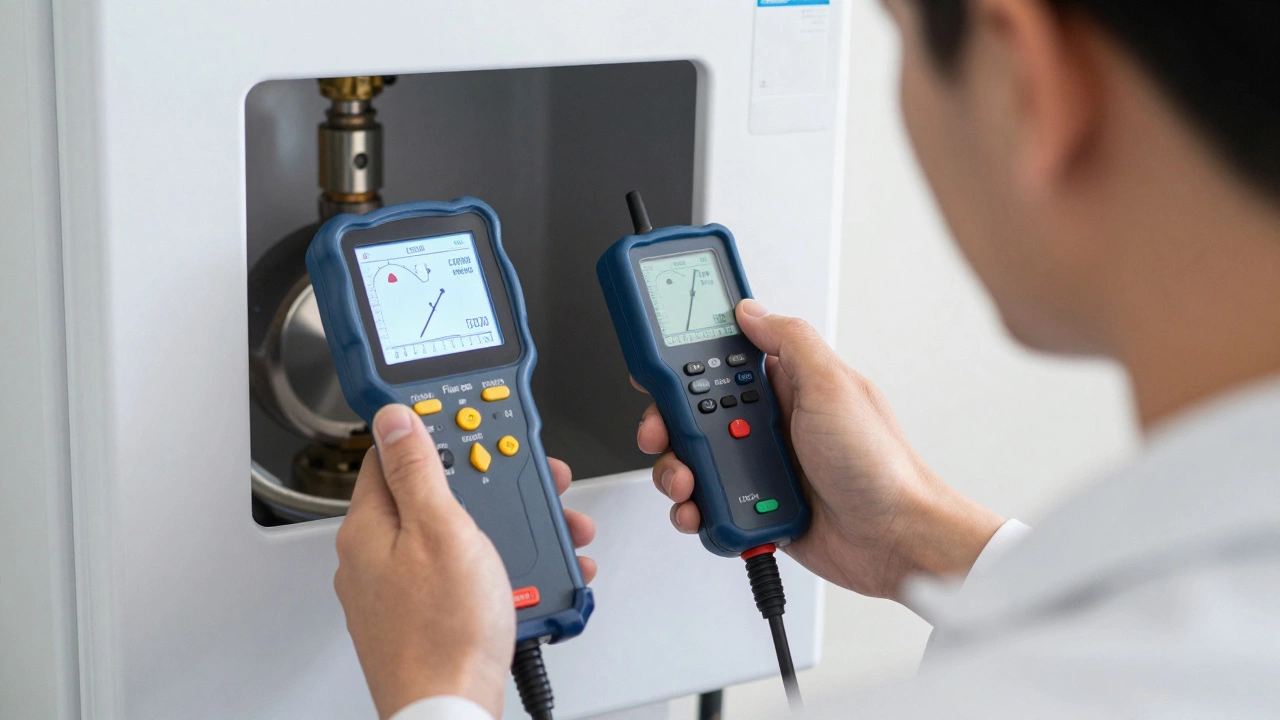
What YOU Actually Can Do (The Safe Stuff)
Just because you can't dismantle the combustion chamber doesn't mean you're helpless. There are several maintenance tasks that keep your system running smoothly without risking your life.- Bleeding Radiators: If your radiators have cold spots at the top, they have air trapped in them. You can use a radiator key to let that air out. This improves heat distribution and makes the boiler more efficient.
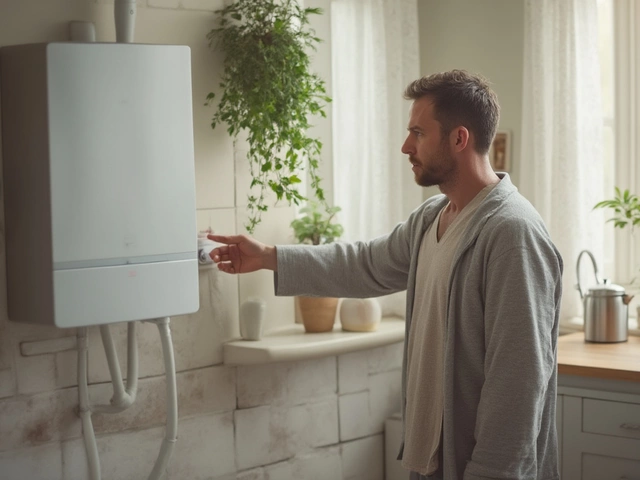
- Checking System Pressure: Most boilers have a pressure gauge. If it drops below 1 bar, your radiators might not heat up. Topping up the pressure via the filling loop is a basic task that's generally safe for homeowners.
- Visual Leak Check: Keep an eye on the pipes leading into and out of the boiler. If you see dampness or green corrosion (verdigris) on copper joints, call a pro immediately. Don't try to tighten them yourself, as you could crack the fitting.
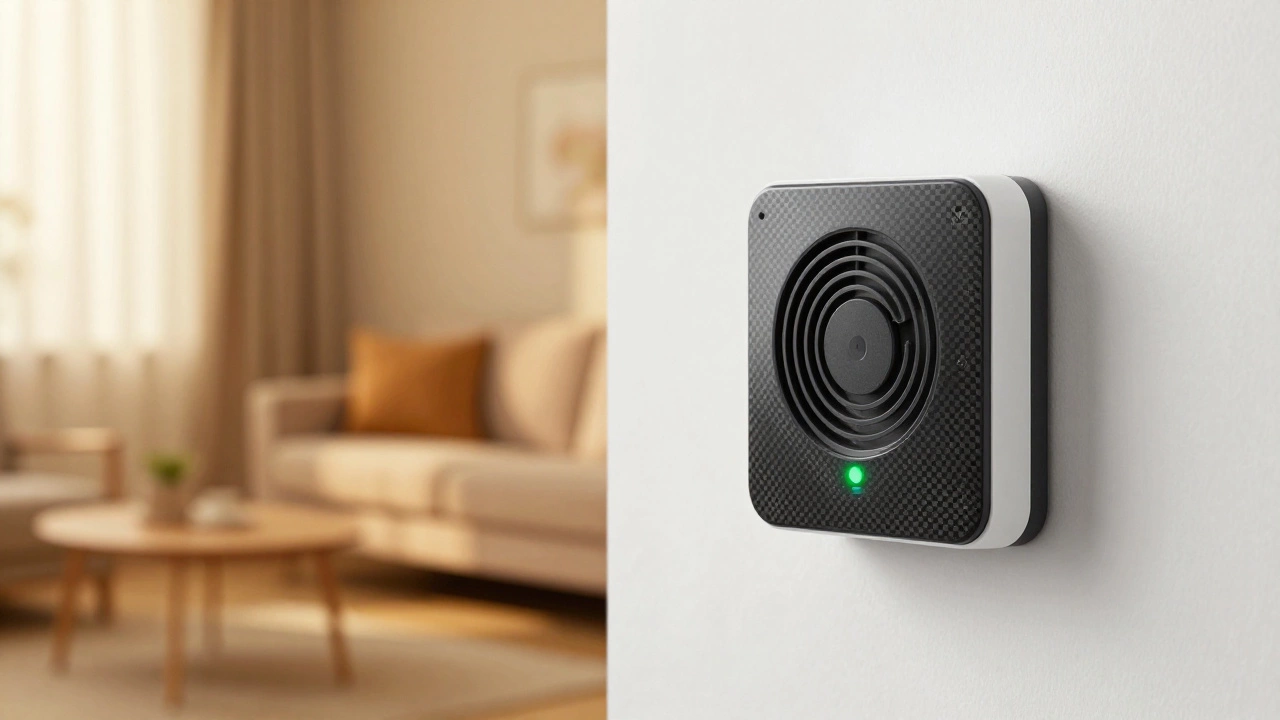
- Installing CO Alarms: This is the most important thing you can do. Buy a high-quality carbon monoxide detector and place it in the same room as the boiler. Test it every month.
When to Stop and Call the Experts
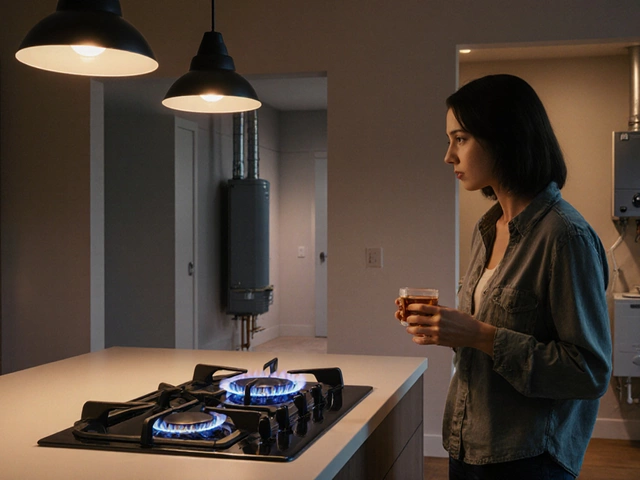
There are certain red flags that mean you should step away from the boiler and pick up the phone. If you notice any of the following, your system is potentially dangerous:- Yellow Flame: A healthy gas flame should be crisp and blue. If it's yellow or orange, the fuel isn't burning properly, and you're likely producing carbon monoxide.
- Soot Marks: If you see brownish or black streaks around the boiler casing or the flue, you have a combustion problem.
- Frequent Kettle-like Noises: If the boiler sounds like it's boiling a pot of water (kettling), you likely have a massive buildup of limescale or sludge in the Heat Exchanger.
- Repeated Lockouts: If your boiler keeps shutting down and showing an error code, don't just reset it. The boiler is telling you something is wrong with the flame or the pump.
The Long-Term Cost of 'Saving' Money
Imagine you skip a professional service for three years to save $300. During that time, a small amount of corrosion develops on a pipe. Because it wasn't spotted during a professional inspection, it turns into a major leak that floods your utility room and destroys your flooring. Now you're looking at a $2,000 repair bill plus insurance deductibles. Furthermore, a well-maintained boiler lasts longer. A system that is serviced annually can easily run for 15-20 years. A neglected system often fails after 10. The cost of replacing a whole boiler is exponentially higher than the cost of an annual check-up. It's a classic case of 'penny wise, pound foolish.'Can I just watch a YouTube video and service my boiler?
Absolutely not. YouTube videos cannot replace the specialized tools (like flue gas analyzers) or the years of training required to identify subtle safety risks. More importantly, following a video doesn't make you a licensed professional, meaning you are still legally liable and likely voiding your warranty.
Will my insurance cover me if I do my own boiler service?
In most cases, no. Most home insurance policies require that gas work be carried out by a certified professional. If a fire or leak occurs and the insurance company finds you performed the maintenance yourself, they can deny your claim entirely.
How often should a boiler be professionally serviced?
Typically, once a year. Annual servicing ensures the unit is running at peak efficiency, catches small problems before they become expensive failures, and keeps your warranty valid.
What is the most dangerous part of a boiler to touch?
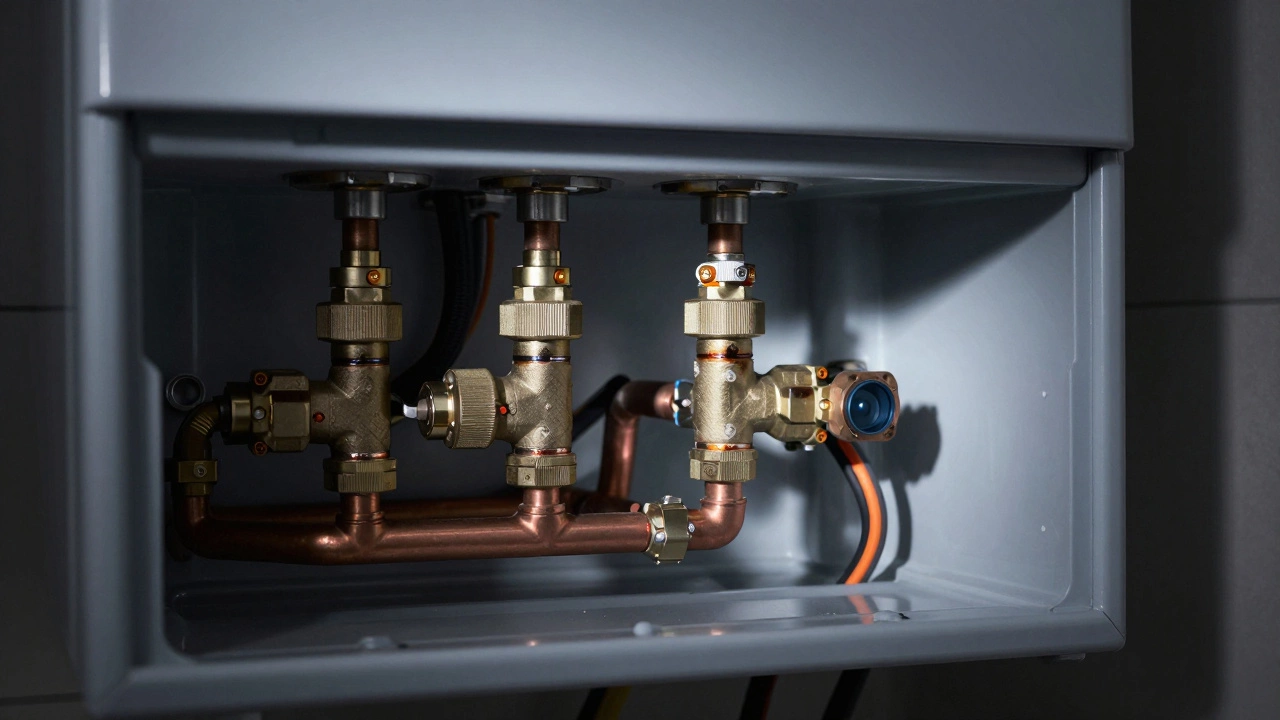
The gas valve and the combustion chamber are the most dangerous. Any error in sealing or adjusting these components can lead to gas leaks or carbon monoxide poisoning.
Can I change the boiler filter myself?
Depending on the model, some magnetic system filters are accessible and can be cleaned by a homeowner. However, if you're unsure, check your manual. If you have to open the main sealed combustion unit to reach it, call a professional.