Anode Rod Health & Replacement Calculator
Inspection Details
Results will appear here
Enter your inspection details and click Analyze.
You wake up for a morning shower, turn the handle, and instead of clean hot water, you get a stream that smells like rotten eggs. Or maybe your water heater has been making strange banging noises lately. Before you panic or call for a full unit replacement, there is a small, often overlooked component inside your tank that might be the culprit: the anode rod. This sacrificial metal bar designed to protect your water heater tank from rust and corrosion is the unsung hero of your hot water system. When it fails, your tank follows shortly after.
Most people never think about their anode rod until it’s too late. By then, the tank is already leaking, and you’re staring at a flooded floor and a hefty bill for a new water heater. The good news? You can spot the warning signs early. Knowing how to tell if your anode rod is bad can save you thousands in repairs and extend the life of your appliance by years.
The Role of the Sacrificial Anode Rod
To understand why this part matters, you need to know what it actually does. Inside every standard storage water heater, there is a steel tank holding hundreds of liters of heated water. Steel, when exposed to oxygen and water, wants to rust. If left unchecked, the bottom of your tank would corrode into a sieve within a few years.
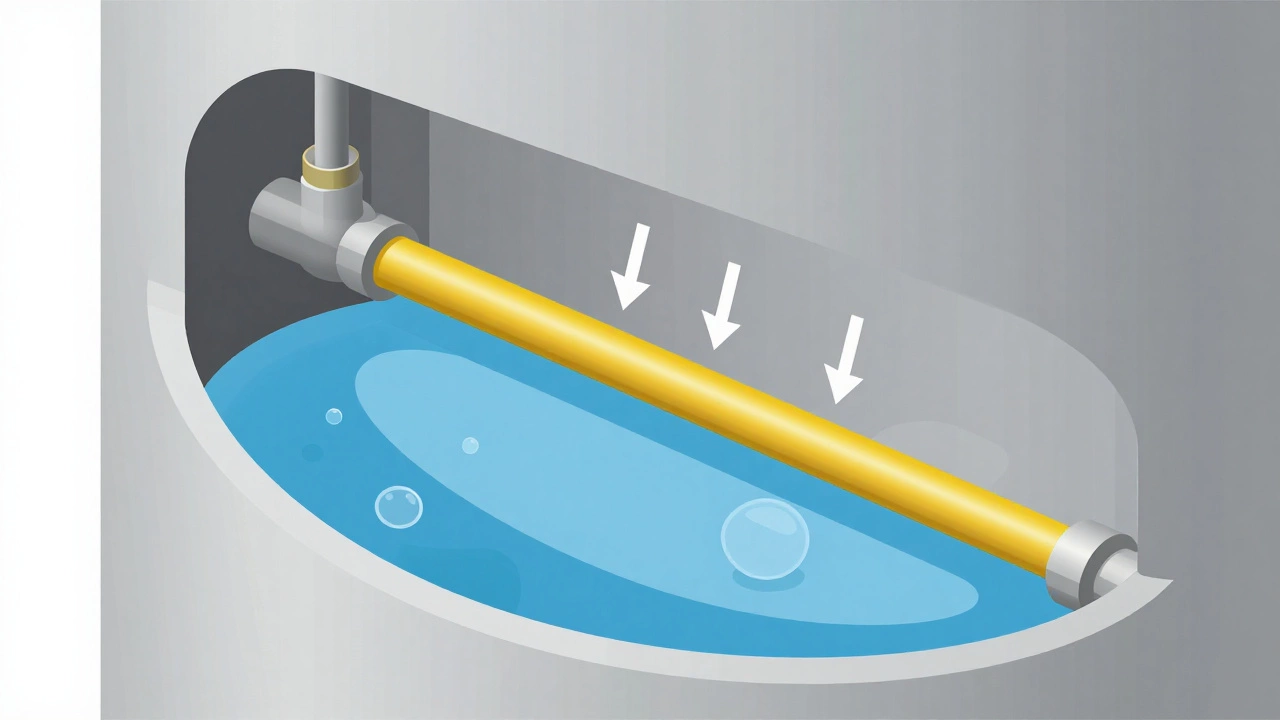
This is where the sacrificial anode comes in. It is made of a more chemically active metal than steel-usually magnesium, aluminum, or zinc. In chemistry, we say these metals are "less noble." When electricity flows through the water (a natural process called electrolysis), the current seeks the path of least resistance. Because the anode rod is more reactive, it attracts the corrosive elements instead of the steel tank. Essentially, the rod takes the hit so your tank doesn’t have to. It sacrifices itself to keep your home dry.
Once the rod is fully consumed, the corrosive forces turn their attention to the steel tank. That is the point of no return. Checking the rod regularly is the single most effective maintenance task you can perform on your water heater.
Top 5 Signs Your Anode Rod Is Failing
You don’t always need to open the tank to know something is wrong. There are clear external symptoms that indicate your anode rod is nearing the end of its life or has already failed.
- Rotten Egg Smell: This is the most common complaint. If your hot water smells like sulfur or decaying eggs, but your cold water is fine, your anode rod is likely involved. Specifically, this happens with magnesium rods. Certain bacteria in the water feed on the magnesium, producing hydrogen sulfide gas as a byproduct. While not dangerous, it is incredibly unpleasant.
- Increased Sediment Buildup: As the anode rod corrodes, it sheds particles. Over time, these particles mix with minerals from your local water supply (especially hard water areas like parts of Queensland) and settle at the bottom of the tank. You might notice reduced water pressure or sputtering from the taps.
- Noises from the Tank: A healthy tank is relatively quiet. If you hear popping, rumbling, or banging sounds, it’s usually due to sediment layers trapping steam. While this indicates a dirty tank, excessive corrosion from a dead anode accelerates this buildup.
- Age of the Unit: If your water heater is older than five years and you’ve never replaced the anode rod, assume it is compromised. In soft water, a magnesium rod can last 3-5 years. In hard water, it might only last 1-2 years.
- Visible Rust in Hot Water: If you see reddish-brown tint in your hot water, the protective layer may have breached, and the tank itself might be starting to corrode. This is a late-stage warning sign.
How to Test Your Anode Rod: Step-by-Step
If you suspect issues, visual inspection is the only way to be sure. This is a DIY-friendly task if you follow safety protocols. You will need a bucket, a wrench, and some rags.
- Turn Off the Power: For electric heaters, switch off the circuit breaker. For gas heaters, turn the thermostat to "Pilot" or "Off."
- Shut Off the Water Supply: Close the cold water inlet valve located at the top of the tank.
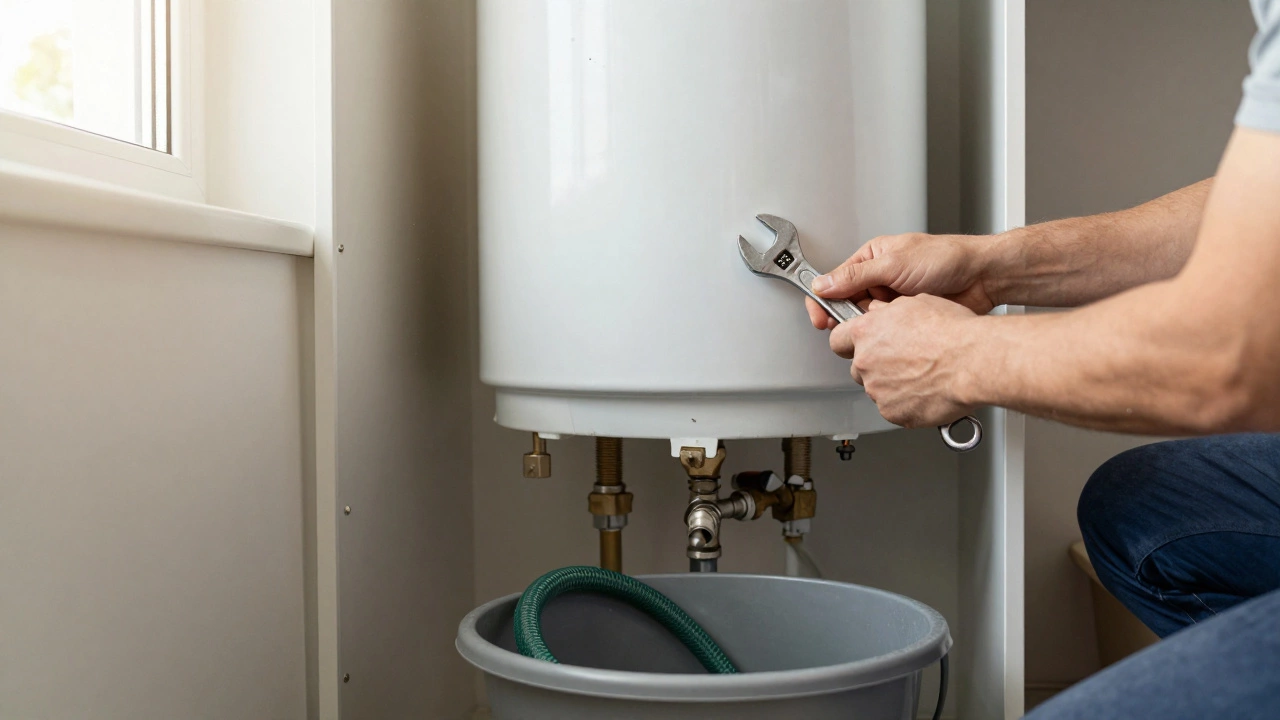
- Drain the Tank: Connect a garden hose to the drain valve at the bottom of the tank and run it to a floor drain or outside. Open the valve and let the tank empty completely. Opening a hot water tap elsewhere in the house helps break the vacuum and speeds up draining.
- Locate the Anode Rod: Look at the top of the tank. You’ll see two large pipes (inlet/outlet) and a smaller hexagonal nipple, usually on the side opposite the thermocouple or heating element. This is the anode rod access point.
- Remove the Rod: Use a wrench to loosen the nut. Be prepared for some residual water to spill out. Pull the rod straight up.
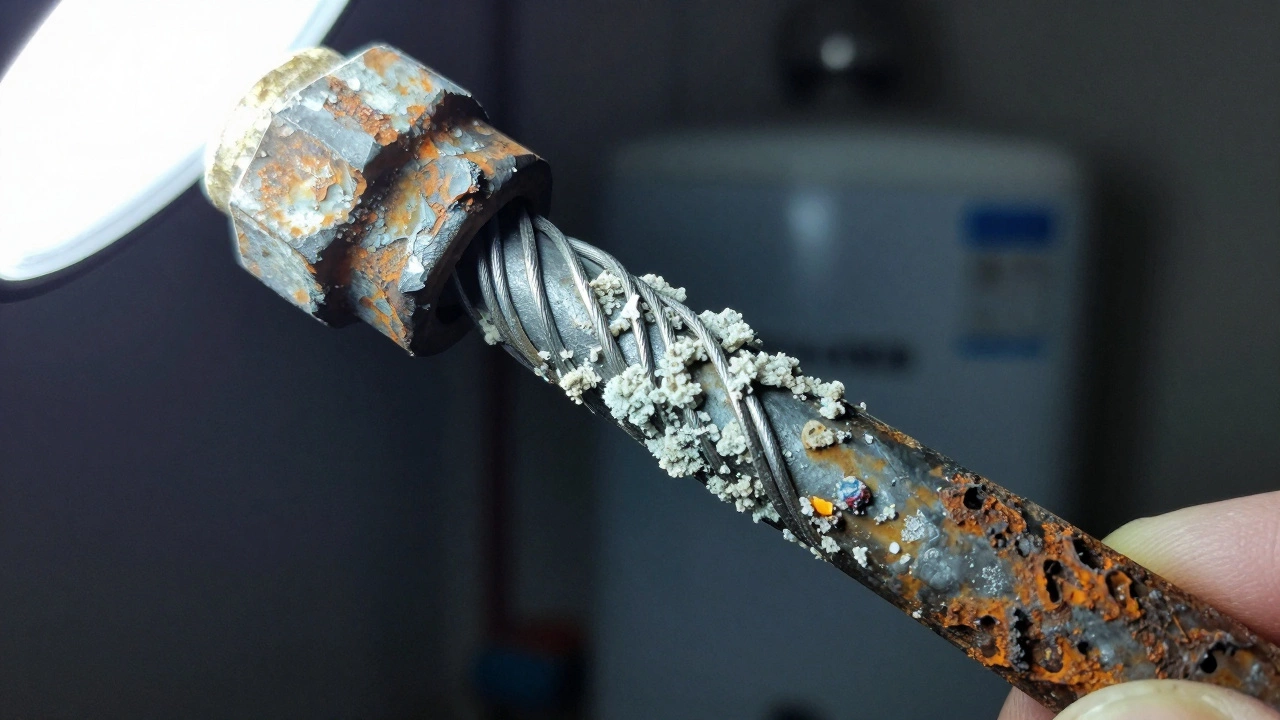
- Inspect the Condition: Hold the rod up to the light. A good rod should look solid, thick, and uniform. A bad rod will look skeletal, covered in white crusty deposits, or broken in half.
Interpreting What You See
When you pull the rod out, compare it against these criteria:
| Condition | Appearance | Action Required |
|---|---|---|
| Healthy | Solid core visible, minimal coating, diameter > 3/4 inch | None. Reinstall and seal. |
| Fair | Significant coating, wire core slightly visible, diameter ~ 1/2 inch | Replace soon (within 6 months). |
| Poor | Wire core exposed, brittle, crumbling, or broken | Replace immediately. |
| Critical | Only fragments remain, tank interior shows rust spots | Replace rod and inspect tank integrity. |
If the steel wire core is visible anywhere along the length of the rod, it is time for a replacement. If the rod is coated in heavy calcium carbonate (white scale), you can sometimes knock it off with a hammer to reveal the metal underneath. If the metal beneath is still thick, you might squeeze another year out of it, but replacement is safer.
Magnesium vs. Aluminum vs. Zinc: Choosing the Right Replacement
Not all anode rods are created equal. Choosing the right material depends on your local water quality and specific problems.
- Magnesium Rods: These are the most aggressive protectors. They sacrifice themselves quickly to offer maximum protection to the tank. Ideal for soft water areas. However, they react with sulfate-reducing bacteria to cause that rotten egg smell. If you hate the smell, avoid magnesium.
- Aluminum Rods: These are less reactive than magnesium. They last longer and do not produce sulfur odors. They are the best choice for hard water areas or if you are dealing with odor issues. However, they are not as effective in very soft water.
- Zinc-Aluminum Hybrid: A newer option that combines the longevity of aluminum with the odor-neutralizing properties of zinc. Excellent for households with sensitive noses and moderate water hardness.
- Powered (Impressed Current) Anodes: For commercial units or extreme water conditions, these use electricity to force the protection process. They last decades but require professional installation and wiring.
In Brisbane, where water can vary between soft and moderately hard depending on the suburb, many plumbers recommend switching from magnesium to aluminum if you haven't had odor issues before, or using a hybrid rod if you have.
Replacing the Anode Rod: Best Practices
Installing a new rod is straightforward, but mistakes here can lead to leaks. Follow these steps carefully:
- Clean the Threads: Before inserting the new rod, wipe the threads inside the tank opening. Remove any old Teflon tape or pipe dope residue.
- Apply Sealant: Wrap the male threads of the new rod with PTFE tape (Teflon tape) clockwise, or apply a thin layer of non-hardening pipe compound. Do not overdo it; excess material can fall into the tank and clog valves.
- Insert Hand-Tight: Screw the rod in by hand first to ensure it starts straight. Cross-threading can damage the tank neck permanently.
- Torque Down:** Use a wrench to tighten it snugly. Do not crank it down with excessive force, as the plastic washers inside can crack. A quarter-turn past hand-tight is usually sufficient.
- Refill and Flush:** Close the drain valve. Open the cold water supply. Let the tank fill completely. Open a hot water tap in the house to bleed air out. Once water flows steadily from the tap, close it.
- Restore Power/Gas:** Only now can you turn the power or gas back on. Never heat an empty tank; it will warp the heating elements or burn out the burner.
When to Call a Professional
While checking the anode rod is a manageable DIY task, certain scenarios warrant calling a licensed plumber. If the anode rod port is seized and won’t budge, forcing it can strip the threads in the tank, requiring a costly tank replacement. Additionally, if you discover significant rust inside the tank during inspection, the structural integrity may be compromised. A professional can assess whether the tank is safe to keep or if it’s better to upgrade to a modern, energy-efficient model.
Regular maintenance is key. Aim to check your anode rod every two years. It takes less than an hour and costs under $50 in parts. Compare that to the $1,500+ cost of a new water heater and the hassle of emergency plumbing calls. It’s a small price to pay for peace of mind.
How often should I replace my anode rod?
You should inspect your anode rod every two years. Replacement frequency depends on water quality. In soft water, magnesium rods may need replacing every 3-5 years. In hard water, they can deplete in 1-2 years. Aluminum rods generally last longer, around 5-7 years.
Can I flush my water heater without removing the anode rod?
Yes, you can flush the tank via the drain valve at the bottom without touching the anode rod. However, flushing removes loose sediment but does not remove the corrosive byproducts attached to the anode. For thorough maintenance, removing the rod allows you to inspect its condition and clean the tank interior more effectively.
Why does my hot water smell like rotten eggs?
The smell is caused by hydrogen sulfide gas produced when sulfate-reducing bacteria interact with a magnesium anode rod. Switching to an aluminum or zinc-aluminum hybrid anode rod typically eliminates the odor because these metals do not react with the bacteria in the same way.
What happens if I don't replace a bad anode rod?
Without a functioning anode rod, the steel tank becomes the primary target for corrosion. This leads to pinhole leaks, eventual tank failure, and potential water damage to your home. Replacing the rod is significantly cheaper than replacing the entire water heater.
Is it safe to check the anode rod myself?
Yes, it is generally safe if you follow proper safety procedures: turn off power/gas, shut off water supply, and drain the tank completely. If you are uncomfortable working with tools or electrical components, or if the rod is stuck, hire a professional plumber.