Freezer Health Checker
How Does Your Freezer Feel?
Check all signs that apply to determine if your freezer needs repair. This tool uses your input to calculate the likelihood of a failure based on the 7 clear signs from our article.
Ice cream is soft, meat is thawing, or frozen vegetables clump together.
Loud buzzing, grinding, or rhythmic clicking sounds.
Thick ice covering shelves or blocking airflow.
Cracked, warped or sticky gasket.
Compressor runs 24/7 without cycling.
Interior light fails while cooling stops.
Power bill increased 20%+ with no usage changes.
Diagnostic Result
Select symptoms to see your results
If your freezer isn’t keeping food frozen, you’re not just dealing with a nuisance-you’re risking spoiled meat, ice cream that’s gone mushy, and maybe even a costly replacement. Many people wait too long to act, hoping it’ll fix itself. But freezers don’t recover on their own. Here’s how to know for sure if yours is broken, and what to do next.
1. Your food isn’t frozen anymore
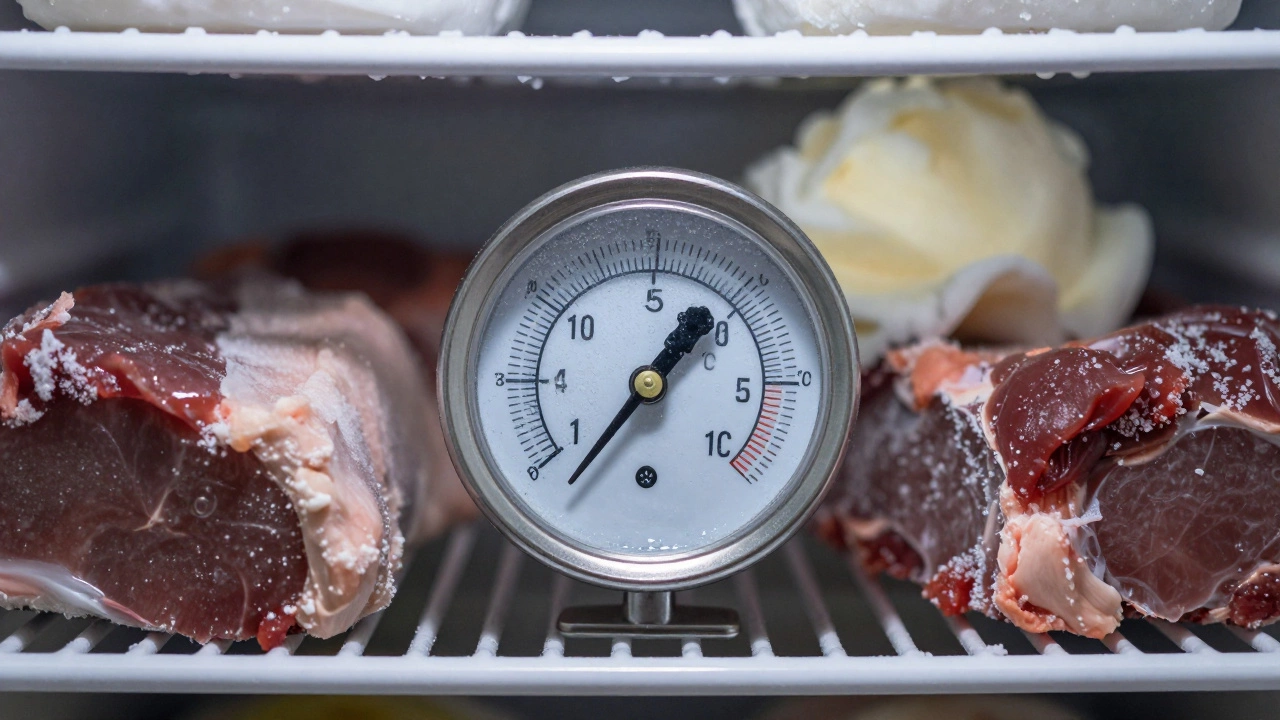
This is the most obvious sign. If ice cream is soft, meat is thawing, or frozen vegetables are sticking together in a clump, your freezer isn’t doing its job. But don’t just guess-check the temperature. Use a standalone freezer thermometer (not the one on the door). Place it between two frozen packages and wait 24 hours. If it reads above -18°C (0°F), your freezer is failing. The Australian Therapeutic Goods Administration recommends this temperature to prevent bacterial growth in frozen foods. Anything warmer than that puts your food at risk.
2. You hear strange noises
A quiet hum is normal. A loud buzzing, grinding, or clicking? Not so much. If your freezer suddenly sounds like a jackhammer, the compressor might be struggling. If you hear a rhythmic clicking every few minutes with no cooling, it could be the start relay or capacitor failing. These are common issues in older units, especially those over 8 years old. In Brisbane’s humid climate, moisture can corrode electrical parts faster than in drier regions. A compressor that runs constantly but doesn’t cool is a red flag-it’s working harder than it should, and it won’t last much longer.
3. Frost is building up inside
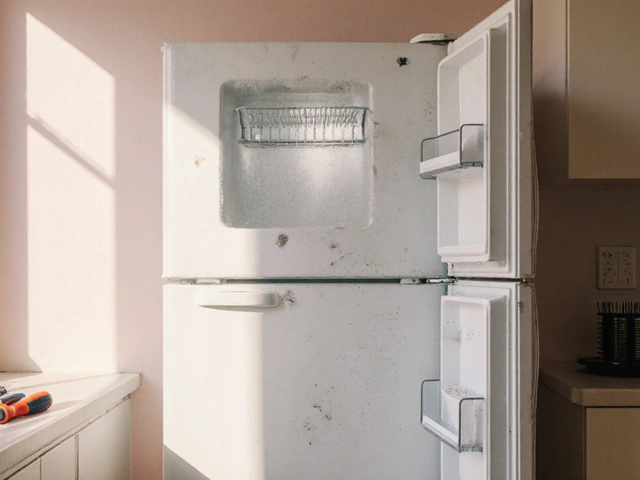
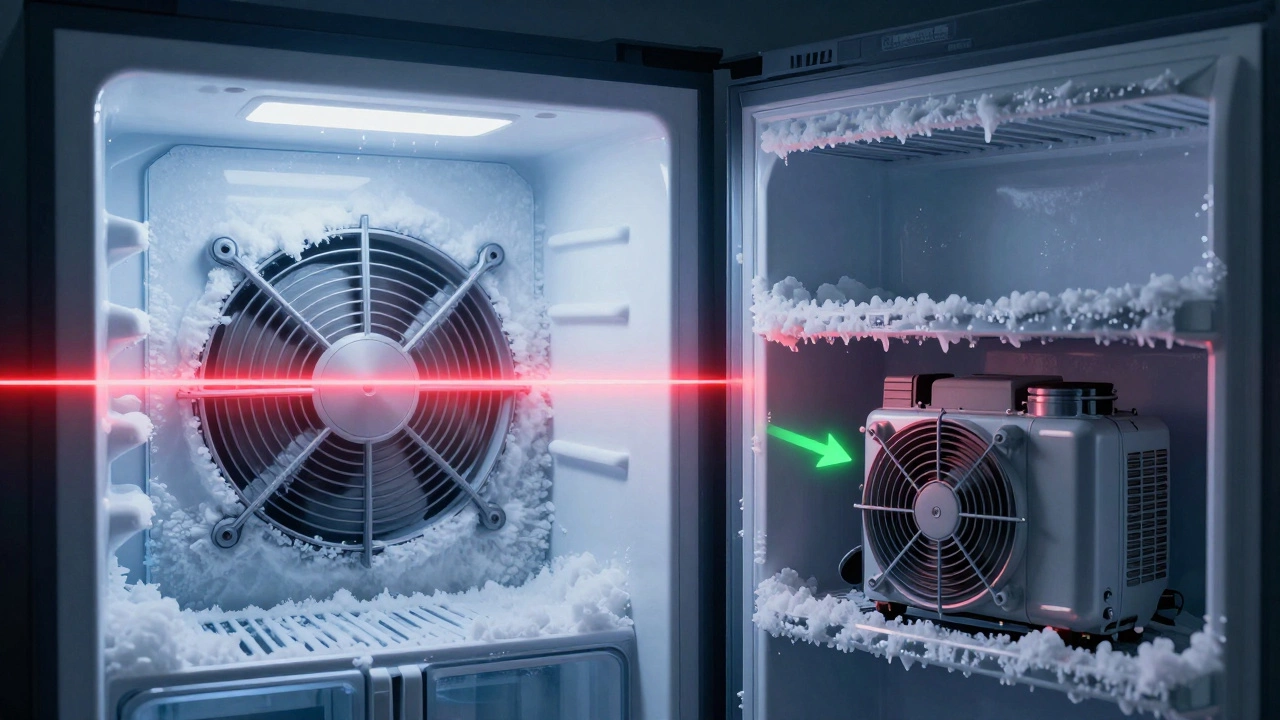
A little frost on the back wall is normal. Thick ice covering shelves, walls, or even the fan? That’s a problem. Frost buildup usually means the door seal (gasket) is leaking warm air. But it can also point to a faulty defrost timer or heater. If you’ve cleaned the seal and the frost keeps coming back, the defrost system is likely broken. In a self-defrosting freezer, the heater should melt ice every 6-12 hours. If it doesn’t, ice builds up, blocks airflow, and stops cold air from circulating. You’ll notice the top shelves are cold, but the bottom is warm.
4. The door seal is cracked, warped, or sticky
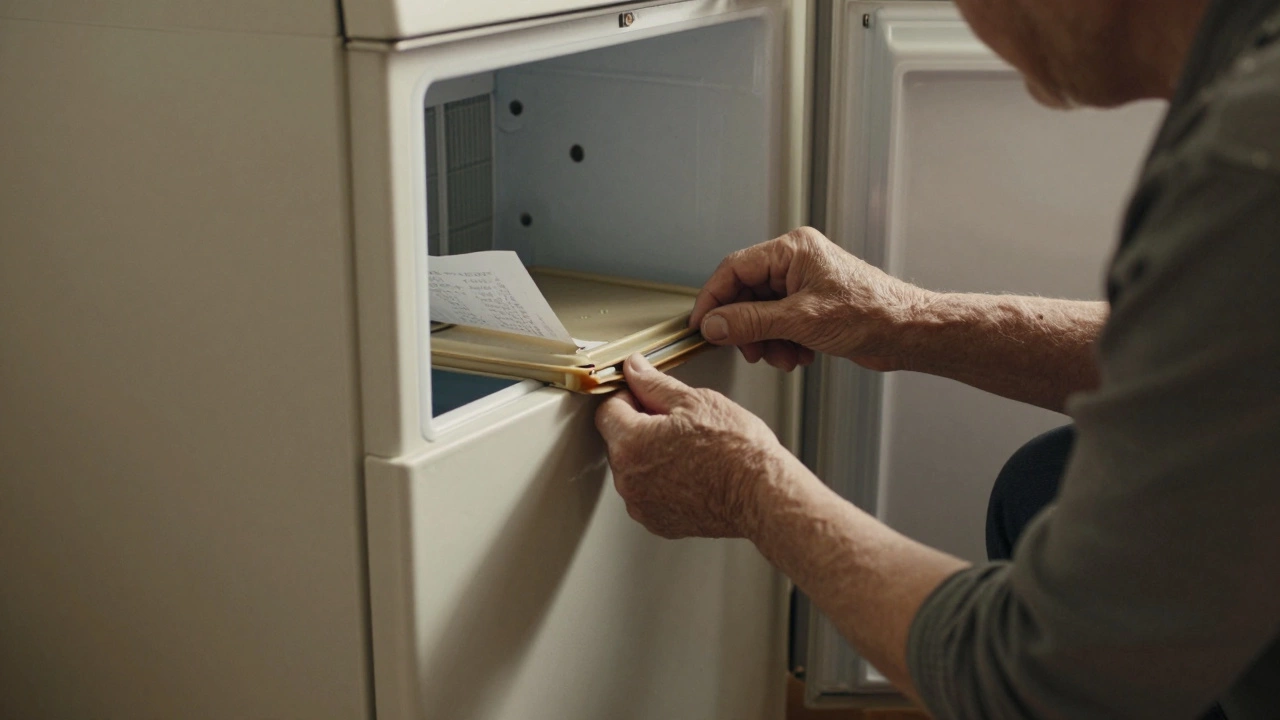
Check the rubber gasket around the door. Run your finger along it. If it’s cracked, brittle, or peeling away from the frame, cold air escapes and warm air gets in. A simple test: close the door on a piece of paper. Try to pull it out. If it slides out easily, the seal is weak. Replace it. Gaskets cost under $50 and are easy to install. But if you’ve replaced the seal and the freezer still isn’t cold, the problem is deeper-probably in the cooling system. In older freezers, a bad seal is the #1 cause of premature failure.
5. The freezer runs non-stop
If you can hear the compressor running constantly, even when the room is cool, something’s wrong. A healthy freezer cycles on and off-usually every 15-30 minutes. If it’s running 24/7, it’s trying to compensate for a leak, a dirty condenser coil, or low refrigerant. Dirty coils are common in homes with pets or dusty environments. Unplug the unit, pull it out, and vacuum the coils at the back or bottom. If that doesn’t help, refrigerant levels may be low. That’s not something you fix yourself-it requires a licensed technician. Refrigerant leaks are illegal to handle without certification in Australia.
6. The interior light doesn’t turn on
This one seems minor, but it’s a clue. If the light doesn’t work and the freezer isn’t cooling, the problem might be with the main control board. Modern freezers use electronic boards to manage temperature, defrost cycles, and power. A failed board can shut down cooling while still letting the light work-or it can kill both. If the light works but the freezer is warm, the board is likely fine. If neither works, the issue is electrical. Try plugging it into a different outlet. If it still doesn’t turn on, the problem is internal.
7. Your energy bill spiked
If your power bill jumped 20% or more in the last few months and you haven’t changed your habits, your freezer could be the culprit. A failing freezer works harder, draws more power, and wastes electricity. Check your appliance’s energy rating label. Most modern freezers use 30-60 watts. If yours is pulling over 100 watts continuously, it’s inefficient. That’s a sign it’s nearing the end of its life. In Queensland, electricity prices rose 18% in 2024. Running a broken freezer could cost you $200+ extra a year.
What to do next
Don’t rush to replace it. First, unplug the freezer and clean the coils. Check the door seal. Test the temperature with a thermometer. If it’s still not cold after these steps, call a repair technician. Most appliance repair services in Brisbane offer a $49 diagnostic fee, which is often waived if you book the repair. Repairs like replacing a start relay, thermostat, or defrost heater typically cost between $150-$300. If your freezer is over 10 years old, replacement might make more sense. New models are 30-40% more energy efficient.
When to replace instead of repair
Here’s a quick rule: if the repair cost is more than half the price of a new unit, walk away. A basic chest freezer costs $400-$600. A built-in model runs $1,000-$1,800. If your unit is 12+ years old, has multiple issues, or uses R12 or R22 refrigerant (phased out since 2010), replacement is smarter. New freezers use R600a, a safer, greener refrigerant. They’re quieter, use less power, and come with better warranties.
How to prevent future problems
- Keep the freezer at least 3/4 full-empty space means more warm air enters when you open the door.
- Defrost manually if it’s a manual-defrost model, every 6 months.
- Clean the condenser coils every 6 months, especially if you have pets.
- Don’t overload the freezer. Air needs to circulate.
- Check the door seal every 3 months. Wipe it with warm water and mild soap.
Most freezer failures happen slowly. You don’t wake up to a broken freezer-you wake up to slightly softer ice cream, then slightly warmer meat, then a full thaw. Catching it early saves money and food.
Can a freezer break without making noise?
Yes. Many failures, like a refrigerant leak, a faulty thermostat, or a broken defrost heater, happen silently. The freezer might run normally but never get cold. Always check the temperature with a thermometer instead of relying on sound.
How long should a freezer last?
Most freezers last 10-15 years. Chest freezers often last longer-up to 20 years-because they have fewer moving parts and better insulation. Upright models wear out faster due to more frequent door openings and complex cooling systems. Age matters more than brand. A 12-year-old freezer is nearing the end of its life, even if it still works.
Is it safe to use a freezer that’s not cold?
No. If the temperature rises above -18°C, bacteria can grow on frozen meat, fish, and prepared foods. Even if it looks fine, it’s unsafe. Discard any food that’s been above freezing for more than 2 hours. Never taste-test to check. When in doubt, throw it out.
Why does my freezer frost up so fast?
Fast frost buildup usually means warm air is leaking in. The most common cause is a damaged door seal. Other causes include leaving the door open too long, putting warm food inside, or a failed defrost system. If the seal is intact and you’re not overloading the freezer, the defrost heater or timer is likely broken.
Can I recharge the refrigerant myself?
No. In Australia, only licensed technicians can handle refrigerants under the Ozone Protection and Synthetic Greenhouse Gas Management Regulations. Attempting to recharge it yourself is illegal, dangerous, and can damage the system further. Refrigerant leaks also harm the environment.
Final tip: Don’t ignore the warning signs
Freezers don’t die suddenly. They fade. The first sign is often subtle-ice cream that’s a little softer than usual. That’s your cue to check the temperature, clean the seal, and look at the coils. Fixing a small problem now can save you hundreds later. If you’ve checked all seven signs and it’s still not working, don’t waste time. Call a pro. Your food-and your wallet-will thank you.