Oven Repair vs. Replace Decision Tool
Our Recommendation:
Quick Takeaways
- Replacing an element is almost always cheaper than buying a new oven.
- If your oven is under 10 years old, a repair is usually the smart financial move.
- Check if only one element (bake vs. broil) is dead before calling a pro.
- DIY replacement is possible for those comfortable with basic electrical safety.
How to tell if your element is actually dead
Before you start shopping for parts, you need to be sure the element is the culprit. Sometimes a tripped circuit breaker or a faulty thermostat is the real problem. A dead heating element is a metal coil or sheath that converts electrical energy into heat through resistance. When these break, they usually leave a clue.
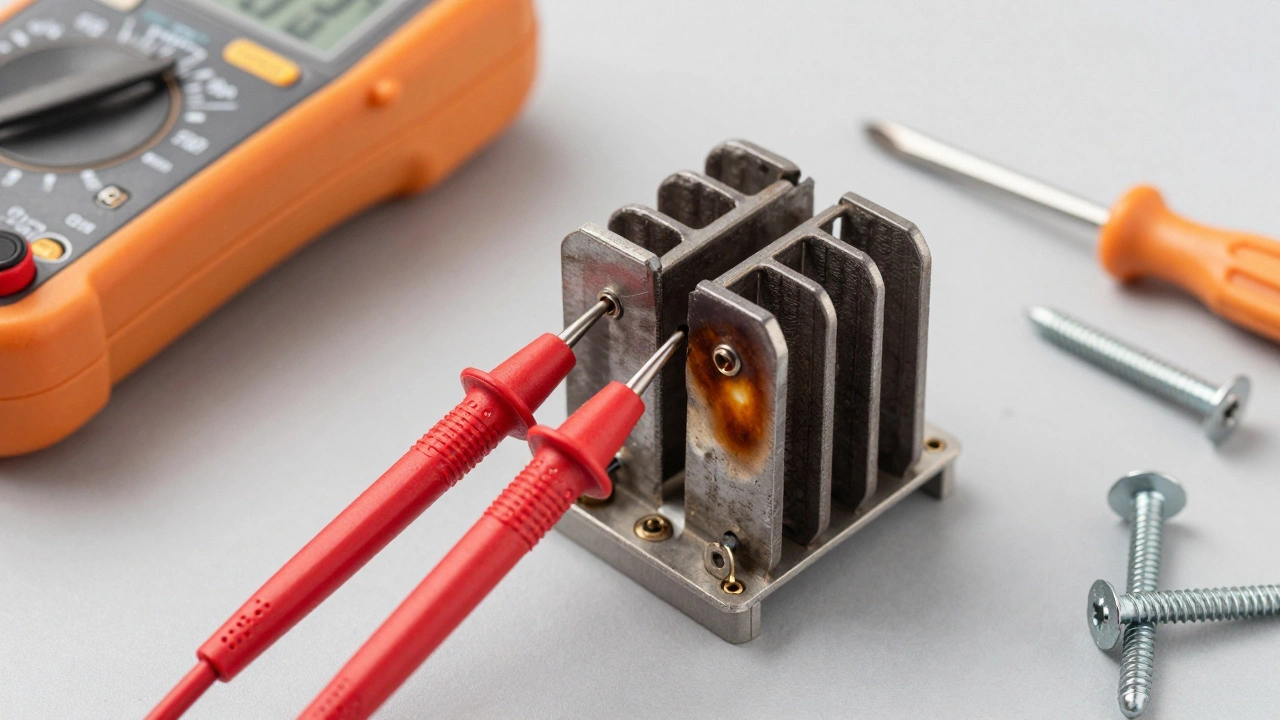
Look for visible signs of failure. If you see a blister, a crack, or a scorched spot on the coil, it's a gone. If you're feeling adventurous, you can use a Multimeter to test for continuity. If the meter shows an "open loop" or infinite resistance, the internal wire has snapped. If the oven is simply taking forever to heat up but eventually gets there, you might have a partial failure or a calibration issue with the Temperature Sensor.
The cost breakdown: Repair vs. Replace
The biggest question is the money. Let's look at the math. A genuine replacement element typically costs between $50 and $150, depending on the brand. If you hire a licensed technician, you're looking at another $100 to $200 for labor and the call-out fee. Total cost? Roughly $150 to $350.
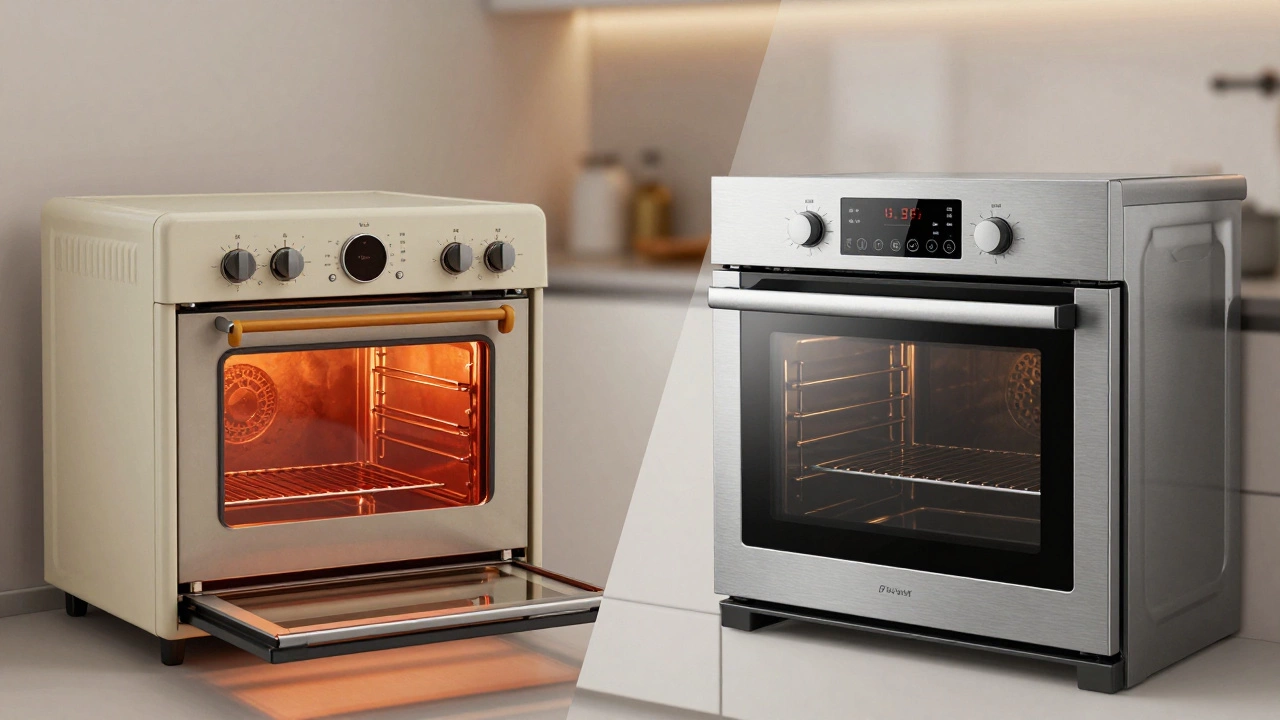
Now, compare that to a new electric oven. Even a budget-friendly model will run you $600 to $1,200, and high-end wall ovens can easily cross the $2,000 mark. If your oven is generally in good shape-the seals are tight, the racks aren't rusted through, and the electronics work-spending $200 to get another five years of life out of it is a no-brainer.
| Factor | Replacing Element | Buying New Oven |
|---|---|---|
| Estimated Cost | $150 - $350 | $600 - $2,500+ |
| Time to Resolve | 1 - 2 Hours | Days (Ordering/Delivery) |
| Lifespan Extension | 3 - 7 Years | 10 - 15 Years |
| Environmental Impact | Low (Small part waste) | High (Large appliance scrap) |
When is it NOT worth the fix?
There are a few scenarios where throwing the oven in the scrap heap is the right move. First, consider the "Cascade Failure." If you've replaced the heating element last year, and now the Control Board is acting up, you're seeing a trend. When the internal wiring or the main computer starts failing, the cost of repairs starts to approach the value of the machine.
Second, look at efficiency. Older ovens from 15-20 years ago leak heat like a sieve. Modern Energy Star certified appliances are significantly more efficient. If your electricity bills are skyrocketing and your oven is an ancient beast, upgrading to a newer model might actually save you money on your monthly utility bills, regardless of the repair cost.
Can you do this yourself?
If you're handy with a screwdriver and a nut driver, replacing an element is one of the easier electric oven repair jobs. Most elements are held in by a couple of screws and a few wire connectors. However, electricity is unforgiving. If you aren't 100% sure how to isolate the power, don't touch it.
Here is the basic process for a typical bake element:
- Kill the Power: Shut off the oven at the circuit breaker. Don't just turn off the dial.
- Remove the Element: Unscrew the mounting plate at the back of the oven.
- Disconnect Wires: Gently pull the wires from the terminals. Note where they go!
- Swap and Secure: Slide in the new element, tighten the screws, and reattach the wires.
- Test Run: Turn the power back on and set it to 350°F to ensure it glows red and heats up.
The biggest pitfall for DIYers is buying the wrong part. Elements are not universal. You need the exact model number of your oven to ensure the wattage and size match. Using an underpowered element will lead to uneven baking, and an overpowered one could damage the oven's internal wiring.
Common pitfalls to avoid
One mistake people make is ignoring the Oven Gasket while they are fixing the element. If your element burned out because the oven was working double-time to keep up with heat loss, a new element will just burn out again. Check the rubber seal around the door. If it's cracked or brittle, replace it at the same time. It's a cheap part that makes a massive difference in how hard your element has to work.
Also, avoid the temptation to buy the cheapest generic element you find online. Low-quality alloys in "no-name" parts tend to oxidize faster and fail within a year. Stick to OEM (Original Equipment Manufacturer) parts or highly rated third-party brands that offer a warranty.
How long do oven heating elements usually last?
On average, an element lasts between 5 and 10 years. Factors like how often you use the self-cleaning cycle (which uses extreme heat) can shorten this lifespan significantly.
Is it dangerous to use an oven with a partially burnt element?
Yes. A damaged element can cause electrical shorts or, in worst-case scenarios, lead to an electrical fire. If you see sparks or smell burning plastic (not food), shut it off immediately.
Why did my element burn out so quickly?
Frequent use of the self-clean mode is the most common cause, as it pushes the element to its maximum temperature for hours. Other causes include voltage spikes in your home's wiring or simply a manufacturing defect.
Can I just replace the coil instead of the whole element?
No. Modern oven elements are sealed units. The coil is encased in a protective sheath to prevent shocks and keep the environment clean. You must replace the entire assembly.
How do I know if it's the bake or broil element that's broken?
Try turning the oven to "Broil" and check if the top element glows. Then try a standard "Bake" setting and check the bottom. If only one fails to heat, you only need to replace that specific element.
What to do next
If you've decided to fix it, your first step is to locate the model number sticker-usually found inside the oven door frame or on the side of the storage drawer. With that number, you can find the exact part online or at a local appliance store.
If you're not comfortable with the electrical side of things, call a local repair service. It's better to pay for a professional installation than to risk frying your control board or causing a short circuit. If you're leaning toward a new oven, start by measuring your current cutout dimensions. Modern ovens vary slightly in size, and you don't want to buy a fancy new machine only to find it doesn't fit in your cabinetry.