Control Board Symptoms
When dealing with control board symptoms, the warning signs that an appliance’s electronic control board is failing. Also known as control board issues, it often shows up as random shutdowns, incorrect temperature settings, or the machine simply won’t start. These clues matter because the control board is the brain of any modern washer, dryer, fridge or oven, directing power to motors, heaters, and sensors. If you catch the signs early, you can avoid a costly replacement and maybe repair the board yourself or with a local pro. The first thing most homeowners notice is an appliance control board, a printed circuit board that receives inputs and sends commands to the rest of the unit that begins to flicker or emit a faint buzzing sound. This is often accompanied by a blinking error code, a numeric or alphanumeric alert displayed on the appliance’s panel that points to a specific fault line.
How to Read the Signs and Run a Quick Test
Most manufacturers embed a simple diagnostic testing, a built‑in self‑check routine that can be triggered by a button combo into the product’s firmware. Running this routine will flash a series of codes, each linked to a particular sensor or circuit. For example, a code that repeats “F05” on a dryer usually means the thermal fuse isn’t closing, which in turn points to a board that’s not interpreting temperature data correctly. Another common symptom is the appliance refusing to power on despite a good plug; that often signals an electrical fault on the board, such as a blown fuse or a damaged voltage regulator. Knowing the difference between a bad sensor and a board‑level fault saves you time: replace the cheap sensor first, then move on to the board if the problem persists. Many DIYers also use a multimeter to check continuity on the board’s major traces; a zero‑ohm reading indicates a short, while an infinite reading suggests an open circuit.
Below you’ll find a range of articles that walk through real‑world examples of these symptoms. From identifying why a fridge keeps resetting its temperature to decoding the cryptic codes on a modern oven, each post breaks down the symptom, the likely cause, and the step‑by‑step fix or when to call a professional. Whether you’re comfortable opening a panel or just want to know what the technician will likely do, the collection gives you the context you need to make an informed decision. With these insights, you’ll be able to spot a failing control board before it leaves your kitchen or laundry room in pieces.
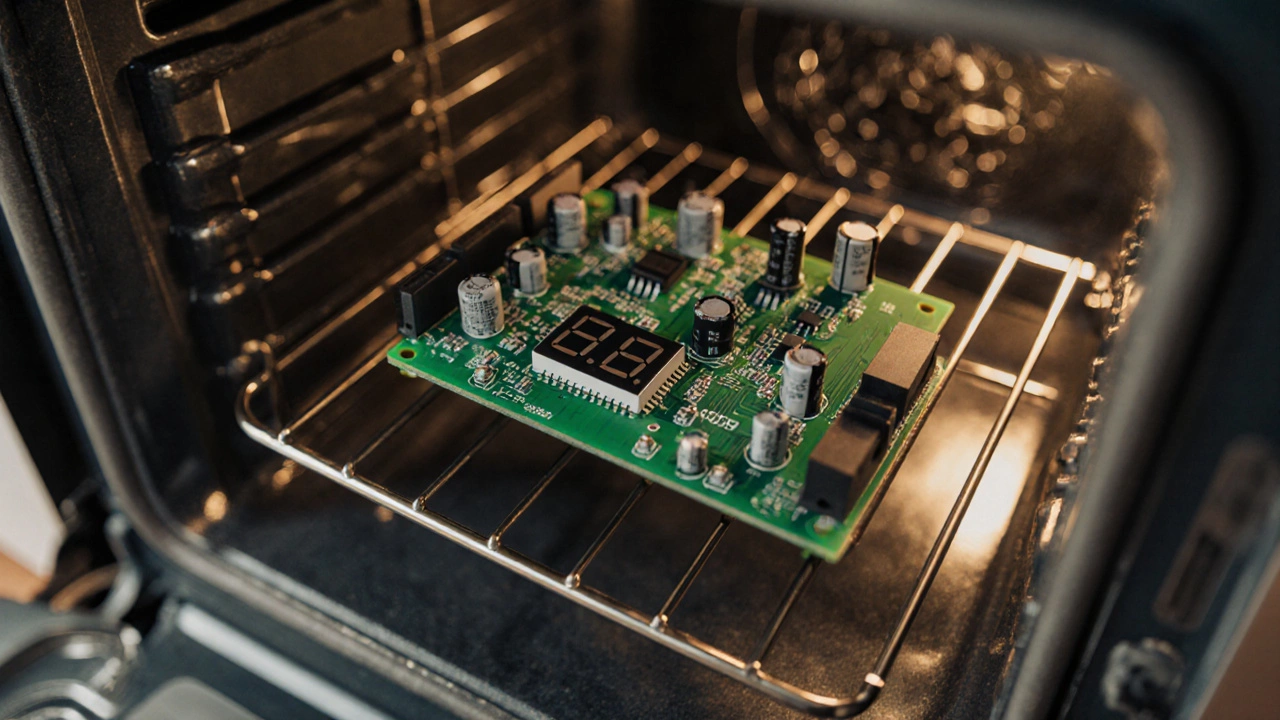
How to Tell If Your Oven Control Board Is Faulty
Learn how to spot a faulty oven control board, run simple voltage tests, decide between repair or replacement, and keep your electric oven running smoothly.
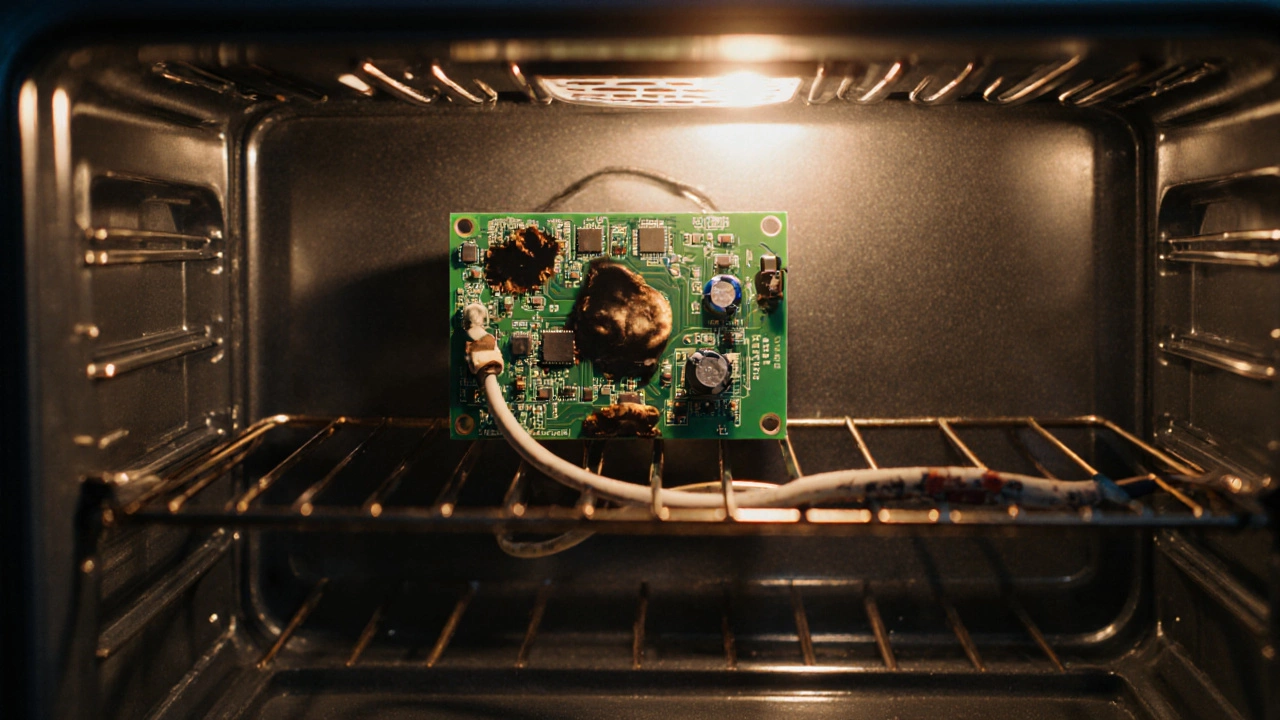
Diagnosing a Bad Oven Control Board: Signs, Tests, and Fixes
Learn how to spot a failing oven control board, run simple tests with a multimeter, and safely replace it. Includes symptom checklists, troubleshooting steps, and FAQs.