Electric Oven Safety: Practical Tips to Prevent Fires and Shocks
When working with electric oven safety, the practice of preventing burns, electrical faults, and kitchen fires while using an electric oven. Also known as oven safety, it helps keep your home safe by focusing on proper installation, regular maintenance, and safe cooking habits. If you’ve ever wondered why a simple spark can turn dinner into a disaster, you’re not alone. Below we break down the most common risks and show how a few easy checks can protect your family and your wallet.
One of the biggest related factors is electrical wiring, the network of cords and connections that power the oven. Bad wiring can cause overheating, short‑circuits, or even a house‑wide fire. Another key piece is temperature controls, the thermostat and sensor system that tells the oven how hot to get. When the thermostat drifts or the sensor fails, the oven may stay on far longer than intended, creating a hidden fire hazard. Finally, think about cooking hazards, issues like grease buildup, metal cookware misuse, and unattended cooking. Each of these elements directly influences electric oven safety, so treating them together builds a stronger defense.
Key Areas to Check for Safe Oven Use
First, inspect the power cord and plug. Look for frayed insulation, scorch marks, or loose connections. A quick visual check can catch problems before the oven even turns on. Second, test the oven’s temperature accuracy. Place an oven‑safe thermometer inside and compare the reading to the dial; a variance of more than 25 °F means the thermostat might need calibration or replacement. Third, keep the interior clean. Grease splatters can ignite the heating elements, especially if they’re left to carbonize over weeks. Wipe the oven after each use, and schedule a deeper clean every few months.
Remember, safety isn’t just about fixing things after they break. It also means creating habits that stop accidents before they start. Always stay in the kitchen while the oven is heating, use cookware that’s rated for high temperatures, and never place aluminum foil directly on the bottom of the oven unless the manufacturer says it’s safe. If you hear a buzzing sound or notice flickering lights when the oven cycles, that’s a sign the electrical wiring may be stressed – call a qualified technician right away.
To sum up, electric oven safety brings together proper wiring, reliable temperature controls, and mindful cooking habits. By checking the power cord, verifying temperature accuracy, and keeping the oven spotless, you dramatically cut the risk of fires and shocks. Below you’ll find a curated list of articles that dive deeper into each of these topics – from diagnosing a faulty control board to spotting early signs of a dangerous wiring issue. Use them as a toolbox to keep your kitchen running smoothly and safely.
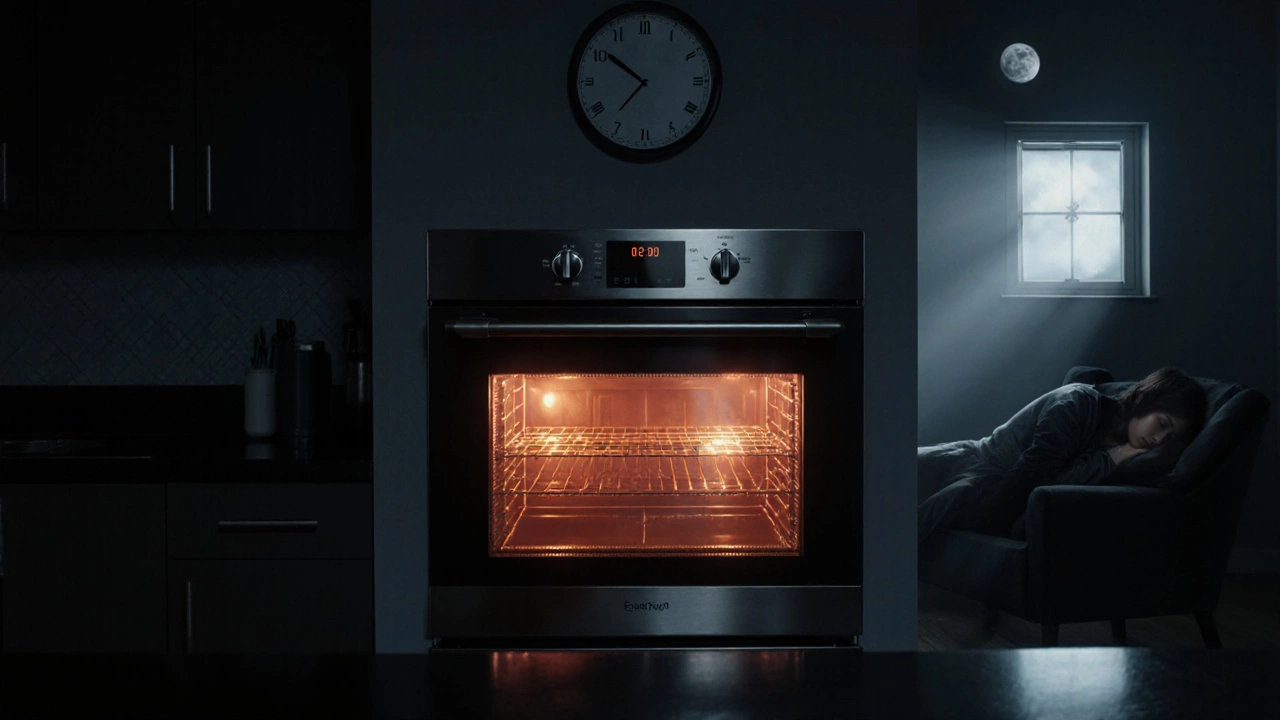
Leaving an Electric Oven On Overnight: Risks, Costs & Safety Tips
Leaving an electric oven on overnight can cause fires, high electricity bills, and premature wear. Learn the risks, costs, safety tips, and when to call a repair pro.