Freezer Door Seal: Fixes, Signs of Failure, and When to Replace
When your freezer door seal, the rubber strip around the freezer door that keeps cold air in and warm air out. Also known as a freezer gasket, it’s one of the most overlooked parts in your kitchen. But when it fails, your fridge works harder, your bills go up, and your food starts thawing. It’s not just about convenience—it’s about safety, efficiency, and saving money.
A bad seal doesn’t always scream for help. Sometimes it just sneaks up on you. You might notice frost building up inside, your freezer running constantly, or the door feels sticky when you open it. Try the dollar bill test: close the door on a bill. If you can pull it out easily, the seal is worn. That’s not normal. Most freezer seals last 5 to 10 years, but heat, dirt, and frequent use can shorten that. If you’ve got a freezer older than 8 years and the seal looks cracked, brittle, or uneven, it’s probably time to replace it. You don’t need to replace the whole freezer—just the seal. It’s one of the cheapest fixes with the biggest payoff.
Replacing a freezer gasket, the flexible rubber component that creates an airtight barrier around the freezer door is usually a DIY job. Most seals snap or screw into place. You just need the right part number—check your freezer’s model tag—and a little patience. Don’t just buy any seal. Make sure it matches your brand and model. A mismatched seal won’t seal properly, no matter how hard you push. And don’t ignore the frame around the seal. If it’s warped or damaged, the new gasket won’t fix the problem. That’s when you need to look at the whole door assembly.
And while you’re at it, check the freezer door alignment, how the door sits in its frame to ensure even pressure across the seal. If the door hangs unevenly, the seal won’t contact the frame evenly. That creates gaps. A misaligned door can be fixed with a simple hinge adjustment. No tools? Sometimes just tightening a screw or two is enough. But if the door won’t close straight, even after adjusting the hinges, the issue might be deeper—like a sagging shelf or a damaged hinge pin. Those are signs you might need professional help.
Leaving a bad seal alone costs you more than you think. A faulty seal can increase your energy use by up to 30%. That’s hundreds of pounds over a few years. It also makes your compressor work overtime, which shortens the life of your whole freezer. And if the temperature rises even a little, your frozen food starts to degrade—ice crystals form, texture changes, flavor fades. You don’t want to toss out a bag of frozen berries or a whole turkey because the seal failed.
There are plenty of posts below that cover the exact issues you’re facing. You’ll find step-by-step guides on how to test your seal, where to buy the right replacement part, how to remove and install it without breaking anything, and when it’s smarter to just replace the whole unit. Some people think a new freezer is the only answer. But more often than not, it’s just the seal. Fix that, and your freezer can last another five years. Don’t waste money. Don’t waste food. Just fix the seal.
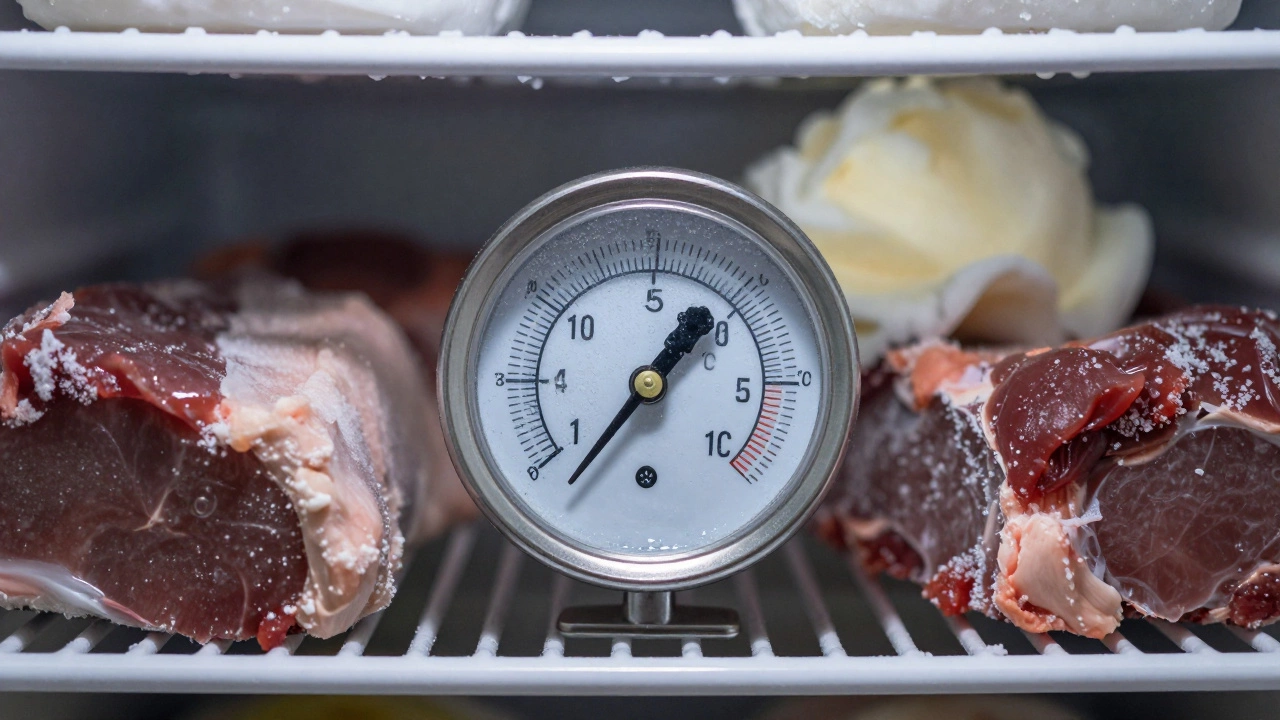
How to Tell If Your Freezer Is Broken: 7 Clear Signs You Need Repair
Learn the 7 clear signs your freezer is broken, from temperature issues to strange noises and frost buildup. Know when to repair or replace before your food spoils.