Hot Water Heater Element – What It Is, How It Fails, and When to Repair
When dealing with hot water heater element, the metal coil that converts electricity into heat inside a water heater tank. Also called the heating coil, it is the heart of any electric water heater, a household appliance that stores and heats water for showers, kitchens and laundry. The element itself is a type of heating element, a component that generates heat when electrical current passes through its resistance wire. In simple terms, the hot water heater element lets you enjoy hot showers on demand, but when it quits working you’re left with cold water and a chilly morning. This page explains why that happens, how to spot it, and what to do next.
One of the most common reasons an element quits is sediment buildup. Tiny particles from hard water settle at the bottom of the tank and cling to the element, acting like insulation and forcing it to work harder. When the element overheats, its resistance wire can burn out. Another culprit is a failing thermostat, the control that tells the element when to turn on and off based on water temperature. If the thermostat is stuck “on,” the element never rests and burns out quickly. The anode rod, a sacrificial metal piece that attracts corrosion, protecting the tank and element also plays a role; a depleted anode lets corrosion eat away at the element’s contacts. In short, sediment influences element lifespan, a faulty thermostat triggers overheating, and a worn anode rod accelerates corrosion. These three factors form a chain that often ends with a burnt‑out element.
Detecting a bad element is easier than you think. First, feel the tank – if it’s unusually hot on the outside, the element may be shorted and heating continuously. Next, turn off power at the breaker and use a multimeter to check resistance; a healthy element reads between 10 and 30 ohms, while a dead one reads infinite. Look for visual signs too: corrosion, white “scale” rings, or a faint metallic smell. If you spot any of these, the next step is removal. Drain the tank, disconnect the wiring, and unscrew the element from the tank’s side. Replacement parts are inexpensive, and most homeowners can swap them in under an hour with basic tools. Always replace with the same wattage and size to keep the system balanced.
Maintenance Tips to Keep Your Element Working Longer
Regular upkeep can stop many failures before they start. Flushing the tank once a year removes mineral deposits that would otherwise cling to the element. While you’re at it, inspect the anode rod and replace it every 2‑3 years if it looks corroded – it’s a cheap insurance policy for both the tank and the element. Checking the thermostat’s accuracy with an external thermometer can catch a drift early; if the tank’s water is too hot or too cold compared to the set temperature, the thermostat may need calibration or replacement. Finally, keep the power supply clean and tight; loose connections cause arcing, which can melt the element’s leads. By following these simple steps you’ll extend the life of the element and avoid surprise cold showers.
Now that you understand what the hot water heater element does, why it fails, and how to keep it healthy, you’re ready to dive into the detailed guides below. Whether you need a step‑by‑step repair, a cost comparison for replacement, or early‑warning signs to watch for, the articles ahead cover the full spectrum of issues you might face. Let’s explore the practical advice that will get your hot water back on track fast.
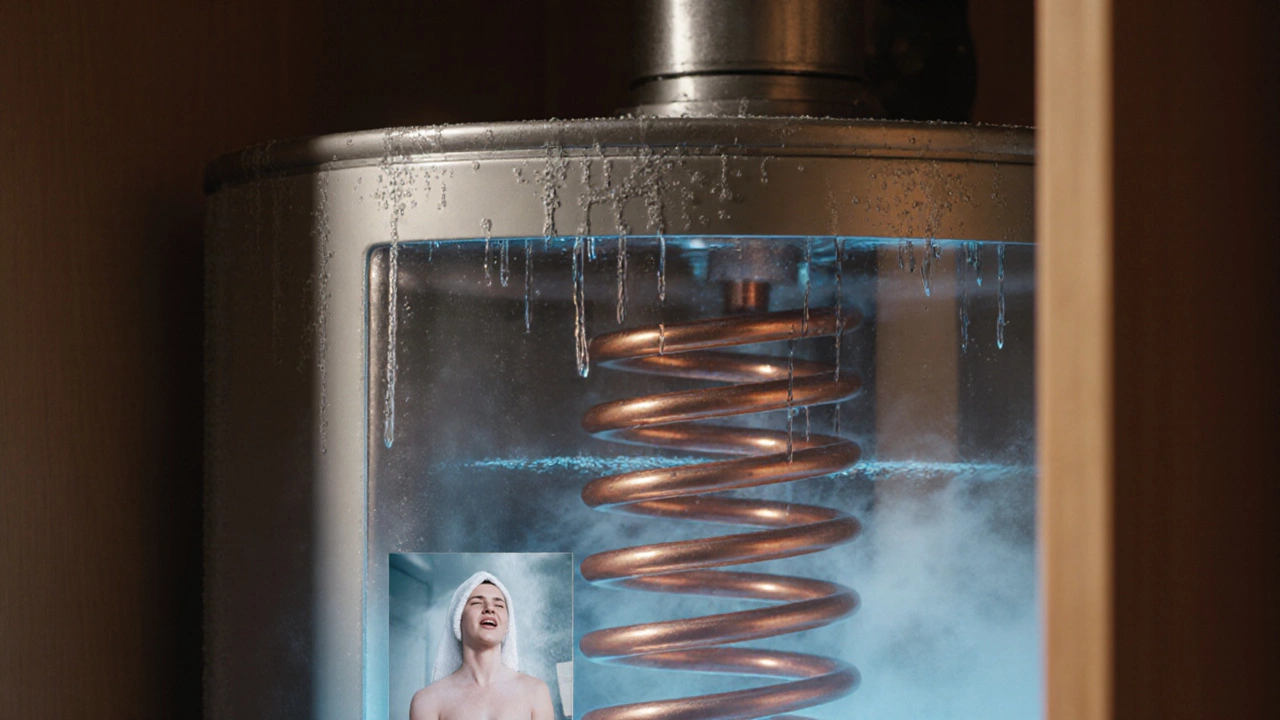
How to Identify a Bad Hot Water Heater Element - Simple DIY Test
Learn how to spot a bad hot water heater element, test it with a multimeter, and decide when to replace it or call a pro.