Oven Life Expectancy: How Long Should Your Oven Last?
When you buy a new oven, you expect it to last. But how long is oven life expectancy really? Most ovens last between 10 to 15 years, the typical lifespan of a standard electric or gas oven under normal use. That’s not forever—and it’s not forever for a reason. Heat, wear, electrical parts, and even how often you clean it all play a part. If your oven is pushing 10 years old, you’re already in the zone where small problems can turn into big ones. And that’s when you start asking: should I fix it, or just replace it?
It’s not just about age. The oven repair, the process of fixing broken heating elements, control boards, or thermostats can extend your oven’s life, but only if the cost makes sense. A $300 repair on a 12-year-old oven? That’s like putting new tires on a car with a rusted frame. You’re spending money to delay the inevitable. On the other hand, a $75 heating element replacement on a 5-year-old oven? That’s a no-brainer. The oven replacement, the decision to buy a new oven instead of repairing the old one isn’t just about money—it’s about safety, efficiency, and how much time you want to waste waiting for uneven baking or strange smells.
Here’s what actually kills ovens: dirty burners, failing control boards, cracked heating elements, and moisture getting into the electronics. If your oven takes forever to heat up, the light flickers when you turn it on, or you smell burning plastic, those aren’t just annoyances—they’re warning signs. Some people ignore them until the oven stops working completely. Others call a repair tech right away. The difference? One group saves money. The other ends up buying a new oven anyway, plus paying for an emergency service call.
And don’t fall for the myth that newer ovens last longer. Modern ovens have more electronics, which means more things that can break. Older ovens were simple, sturdy, and easy to fix. Today’s models are packed with touchscreens and smart features—but if the control board dies, you’re looking at a repair bill that’s almost half the price of a new unit. That’s why knowing your oven’s age and its repair history matters more than you think.
If you’ve had the same oven for over a decade, keep an eye on the bills. Is your electricity usage creeping up? Are you preheating twice just to get the temperature right? Those are quiet signals your oven is working harder than it should. It’s not broken yet—but it’s getting close. You don’t need to panic. But you do need to start thinking ahead.
Below, you’ll find real stories from people who faced the same choice: fix or replace. Some saved hundreds by fixing a simple part. Others saved even more by walking away before the next breakdown. Whether your oven is 3 years old or 15, you’ll find the facts you need to make the right call—no fluff, no sales pitch, just what actually happens in homes across Glastonbury.
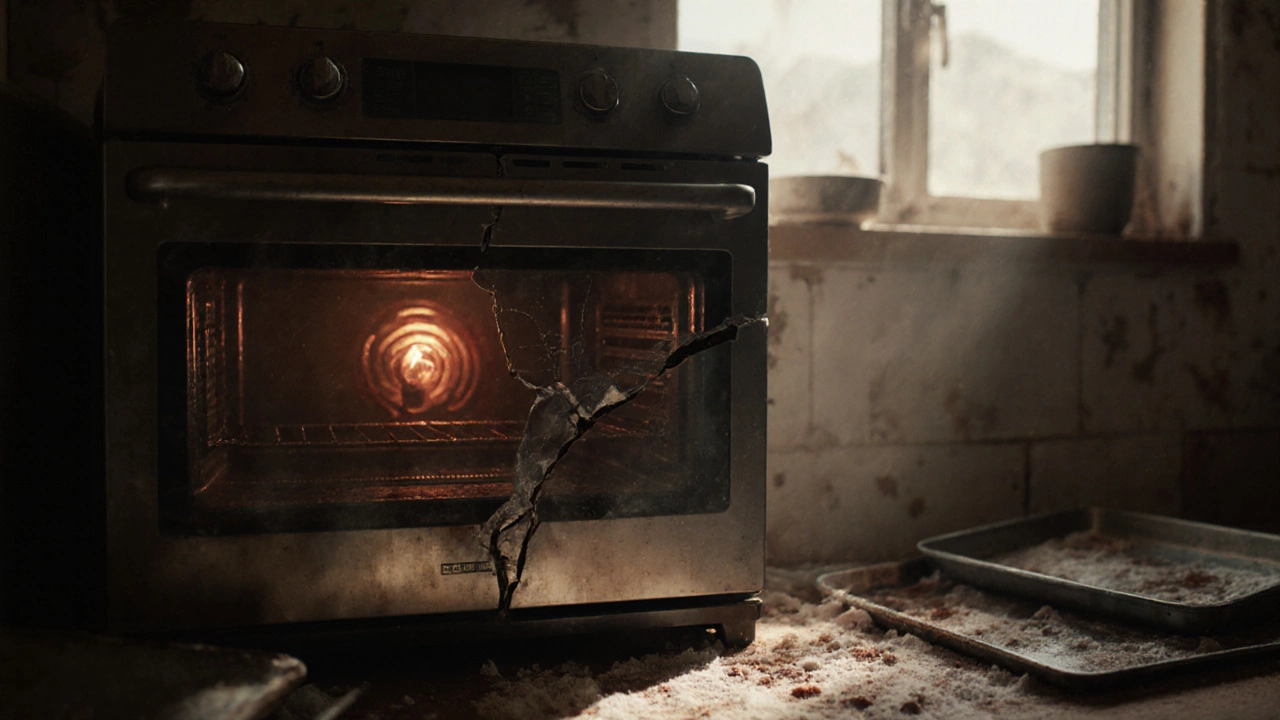
What Is the Life Expectancy of an Oven? Real-World Durability and When to Replace
Most ovens last 10 to 15 years, but signs like uneven heating, high energy bills, or repeated repairs mean it’s time to replace. Learn how to extend your oven’s life and when to walk away.