Replace Extractor Fan: When, Why, and How to Do It Right
When you hear your extractor fan, a ventilation device used to remove moisture and odors from kitchens and bathrooms. Also known as exhaust fan, it plays a quiet but critical role in keeping your home healthy and dry. If it’s noisy, slow, or just doesn’t seem to pull air anymore, you’re not imagining it—your fan might be done. Most extractor fans last between 6 and 10 years, but if you haven’t cleaned it in years, it could be failing way sooner. Hard water, grease buildup, and dust clog the blades and motor, making it work harder until it gives out. And when it does, you don’t just lose ventilation—you risk mold, mildew, and even structural damage over time.
Before you replace extractor fan, ask yourself: is this a fixable problem or a full replacement job? Sometimes, all it needs is a good clean. Dust, grease, and spider webs can choke airflow and make the motor strain. But if the fan is over 8 years old, the bearings are worn, or the motor hums but won’t spin, it’s not worth repairing. Replacing it is cheaper in the long run. A new fan uses less energy, runs quieter, and moves air more efficiently. Plus, modern models come with timers, humidity sensors, and better insulation to stop condensation from forming on your walls. You’ll also want to match the fan’s size and airflow (measured in cubic feet per minute) to your room. A tiny fan in a large bathroom won’t cut it, and a giant one in a small kitchen will sound like a jet engine.
Don’t ignore the signs. If your bathroom mirror stays foggy after a shower, or your kitchen smells like last night’s fried food hours later, your fan isn’t doing its job. Visible rust, strange noises like grinding or buzzing, or a fan that turns on but doesn’t pull air—these aren’t just annoyances. They’re warnings. And if you’ve had to repair it more than once in the last two years, you’re throwing money into a sinking ship. Replacing it isn’t a luxury—it’s a smart home upgrade. You’ll notice the difference right away: less dampness, fewer odors, and a quieter, more reliable system.
Below, you’ll find real-world advice from people who’ve been there. Whether you need to diagnose why your fan stopped working, learn how long these things actually last, or see step-by-step guides for replacing one yourself, the posts here give you everything you need—no fluff, no guesswork. Just clear, practical info to help you decide when to fix it, when to replace it, and how to do it right the first time.
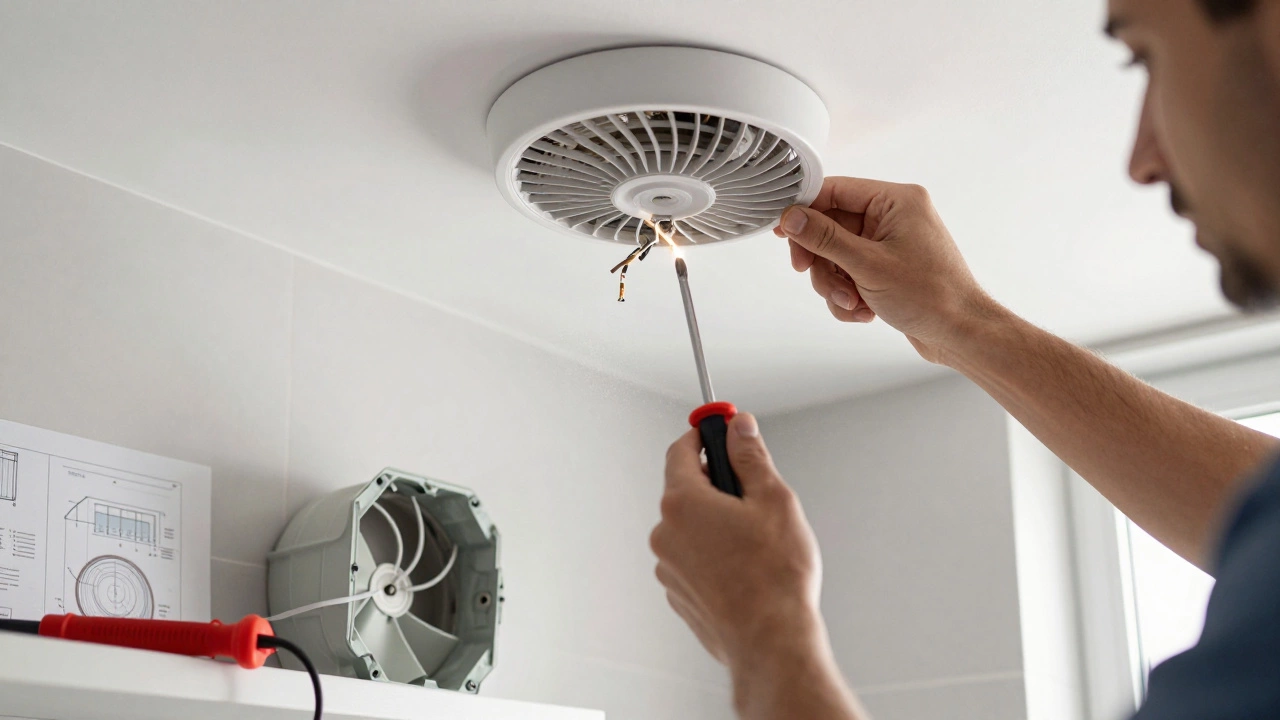
Are Extractor Fans Easy to Replace? A Practical Guide for Homeowners
Replacing an extractor fan is often a simple DIY job that saves money and prevents mould. Learn how to safely swap out your bathroom or kitchen fan with step-by-step guidance and key tips for success.