Water Heater Life Expectancy Estimator
Enter details to see results.
You’re standing in the shower, waiting for that cold blast of reality to hit. It’s not just a bad morning; it’s a signal. Water heaters are the unsung heroes of our homes, working silently behind drywall or in garage corners until they fail. Most homeowners treat them like furniture-set and forget-until the floor is flooded with scalding water. The truth? Your unit has an expiration date, but you can push it further if you know what to look for.
| Type | Average Lifespan | Key Factor |
|---|---|---|
| Standard Tank (Gas/Electric) | 8-12 years | Sediment buildup & anode rod condition |
| Tankless (On-Demand) | 20+ years | Scale accumulation in heat exchanger |
| Heat Pump | 10-15 years | Compressor health & humidity levels |
| Solar Hot Water | 15-20 years | Pump failure or collector degradation |
The Hard Numbers: What to Expect
Let’s cut through the marketing fluff. If you have a standard storage-tank water heater, whether gas or electric, you’re looking at 8 to 12 years. That’s the industry standard. Some units die at six; others limp along to fifteen. Why the variance? It comes down to three things: water quality, usage patterns, and maintenance neglect.
Tankless water heaters, on the other hand, are built differently. Because they don’t store water, there’s no constant corrosion eating away at the tank walls. With proper annual descaling, these units can easily hit 20 years or more. However, they aren’t invincible. In areas with hard water, mineral scale builds up inside the heat exchanger faster than you might think, choking efficiency and eventually causing failure.
If you’ve upgraded to a heat pump water heater, expect a lifespan of 10 to 15 years. These systems move heat rather than generating it, making them incredibly efficient. But here’s the catch: they rely on a compressor similar to your fridge. If that compressor fails, the whole system is usually done for, as repair costs often exceed replacement value.
Why Yours Might Die Younger
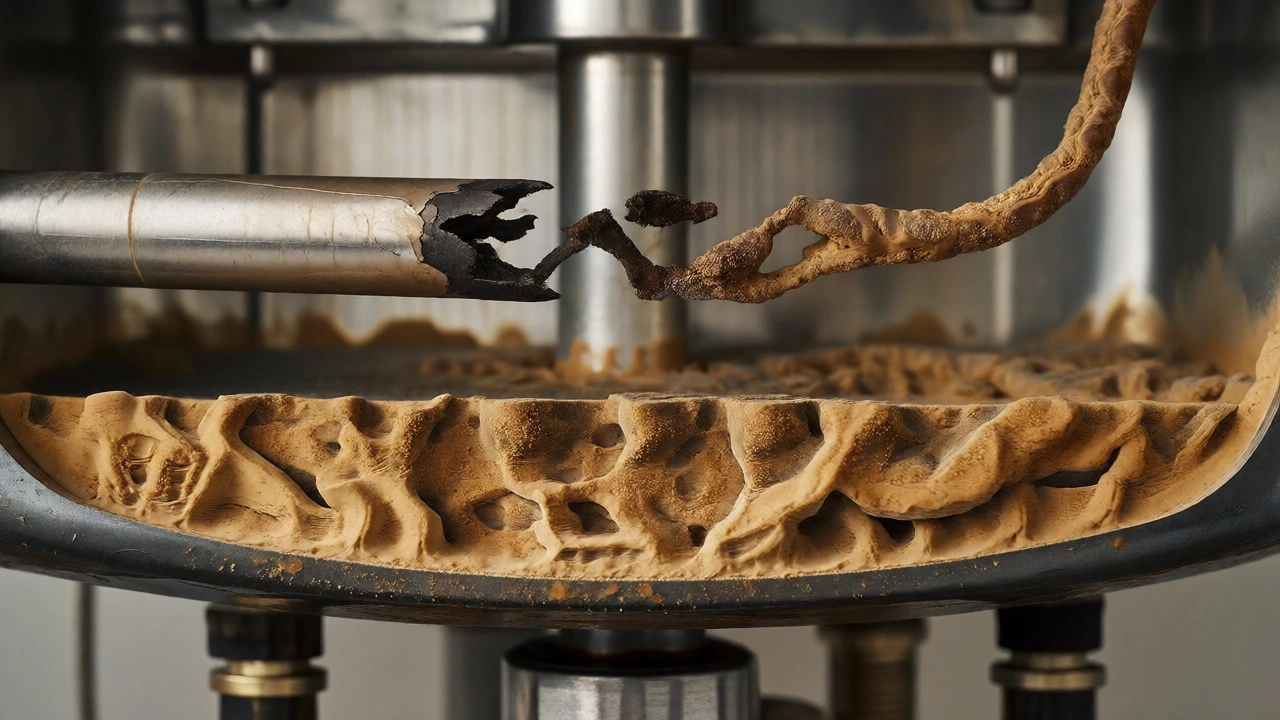
Not all water heaters age gracefully. If you live in Brisbane or anywhere with hard water, your unit is fighting a losing battle against calcium and magnesium deposits. This sediment settles at the bottom of the tank, insulating the heating element from the water. For electric models, this means the element burns out trying to heat the metal instead of the water. For gas models, the sediment traps heat, weakening the steel bottom until it cracks.
Then there’s the sacrificial anode rod. Think of this as the bodyguard for your tank. It’s a metal rod designed to corrode so the tank doesn’t have to. Once it’s fully consumed, rust starts eating the tank interior. Many people never check this rod. By the time they do, it’s too late-the tank is already perforated.
- Hard Water: Accelerates sediment buildup and reduces lifespan by 2-3 years.
- High Usage: A family of five using more hot water daily will wear out components faster than a single occupant.
- Incorrect Sizing: A tank that’s too small runs constantly, overheating elements and shortening their life.
Signs You’re Near the End
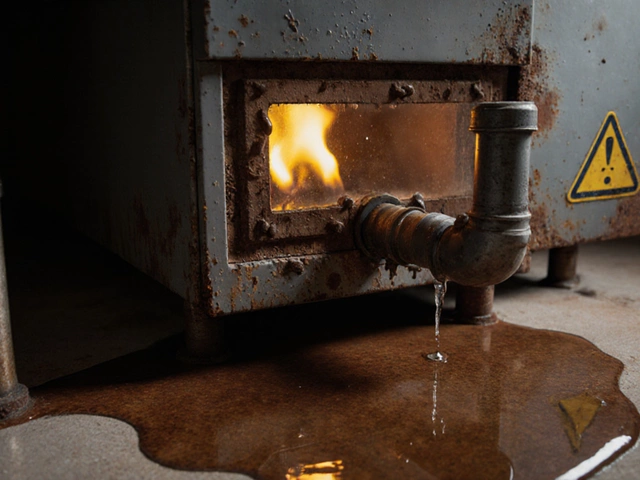
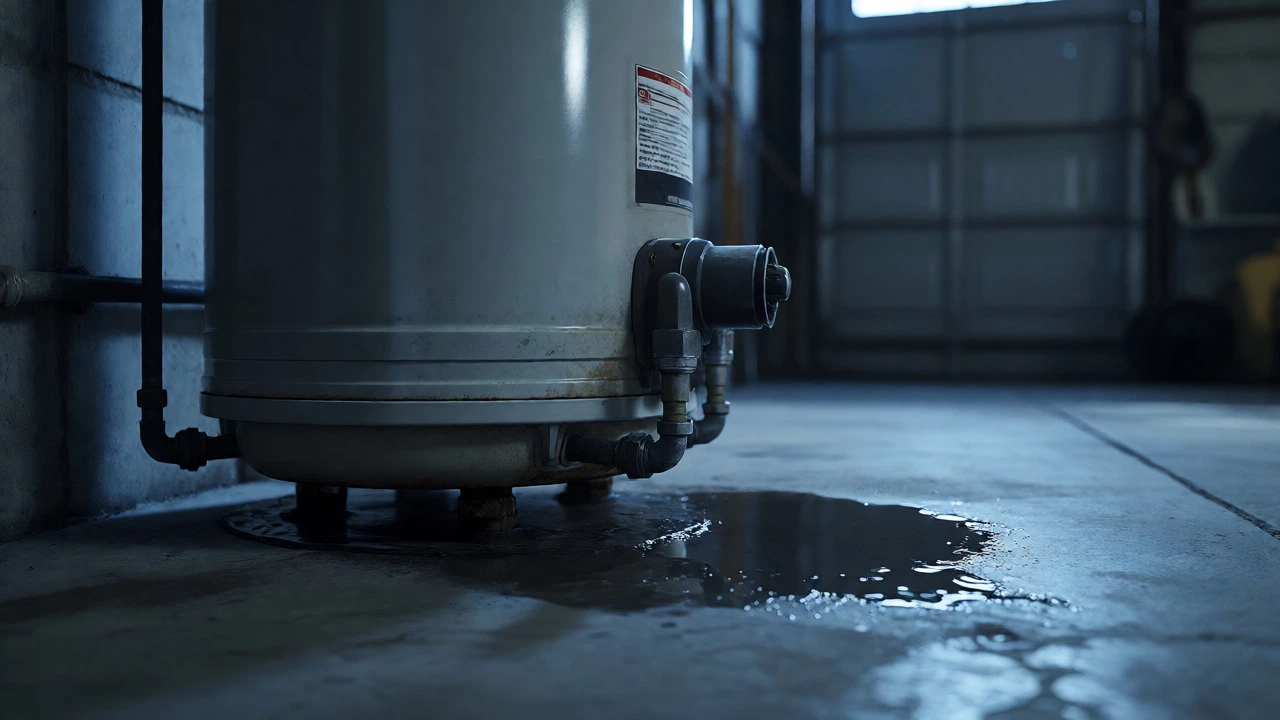
How do you know when it’s time to call a plumber versus when you can wait another year? Watch for these red flags. First, check for moisture around the base. Even a slow drip means the tank is compromised. You can’t patch a corroded tank effectively; replacement is the only real fix.
Second, listen to the noise. Popping, banging, or rumbling sounds indicate significant sediment buildup. While flushing the tank might quiet it down temporarily, the structural integrity is likely weakened. Third, monitor your energy bills. If your gas or electricity costs for hot water have spiked without a change in usage habits, your heater is struggling to transfer heat efficiently.
Finally, consider the age. If your unit is over 10 years old and starts leaking, don’t waste money on repairs. Parts for older models are harder to find, and labor costs add up quickly. At this stage, investing in a new, high-efficiency model saves money long-term.
Making It Last Longer
You can’t stop time, but you can slow down the decay. Start by checking the pressure relief valve annually. Lift the lever slightly; if water discharges properly, it’s working. If nothing happens, replace it immediately. A stuck valve can cause dangerous pressure buildup or prevent safe release during thermal expansion.
Next, inspect the anode rod every two years. If less than half of the core wire remains visible, replace the rod. It’s a cheap part (under $50) that can double your tank’s lifespan. For those in hard water areas, consider installing a water softener or adding a magnetic descaler, though results vary. Regularly flushing the tank once a year removes sediment before it causes damage.
Can I extend the life of my water heater?
Yes, primarily by replacing the sacrificial anode rod regularly and flushing sediment from the tank annually. These simple maintenance steps can add several years to the lifespan of a standard tank unit.
Is it better to repair or replace an old water heater?
If the unit is under 8 years old and the issue is minor (like a faulty thermostat), repair is cost-effective. If it’s over 10 years old and leaking or having major component failures, replacement is almost always cheaper in the long run due to improved efficiency and reliability.
Do tankless water heaters really last longer?
Generally, yes. Tankless units lack the large storage tank that corrodes over time. With regular descaling to remove mineral buildup, they typically last 20 years or more compared to 8-12 years for traditional tanks.
What kills a water heater fastest?
Hard water is the biggest killer. Mineral deposits accumulate rapidly, causing overheating, element burnout, and tank corrosion. Lack of anode rod maintenance is the second most common cause of premature failure.
Should I turn off my water heater when away?
For short trips, leave it on. Turning it off and back on frequently causes thermal stress on components. For vacations longer than a week, turning it off saves energy and reduces risk, but modern insulation makes standby losses minimal anyway.
Final Thoughts on Replacement Timing
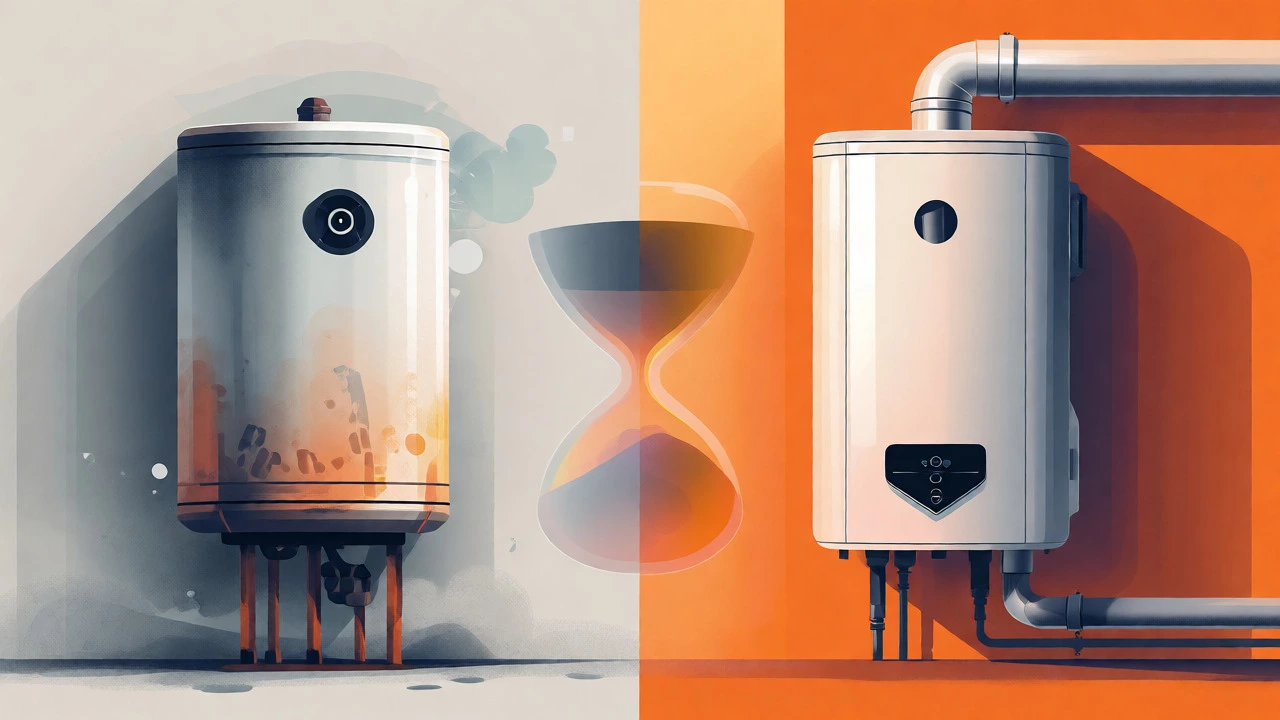
Don’t wait for the flood. If your water heater is approaching the 10-year mark, start budgeting for replacement. New models are significantly more efficient, potentially saving you hundreds of dollars a year on utility bills. Plus, avoiding emergency replacements prevents the panic and higher labor costs associated with after-hours plumbing calls.