Boiler Maintenance Cost Calculator
Use this tool to estimate how much you could save by investing in regular annual boiler servicing compared to the risks and costs of neglect.
Results Summary
Based on industry data showing 10-20% efficiency loss per year without maintenance:
- Lost Efficiency Cost: $0
- Potential Repair Risk: $0
- Total Estimated Loss: $0
- Annual Service Cost: $0
- Net Savings (Efficiency + Repairs): $0
- ROI Percentage: 0%
Key Insights
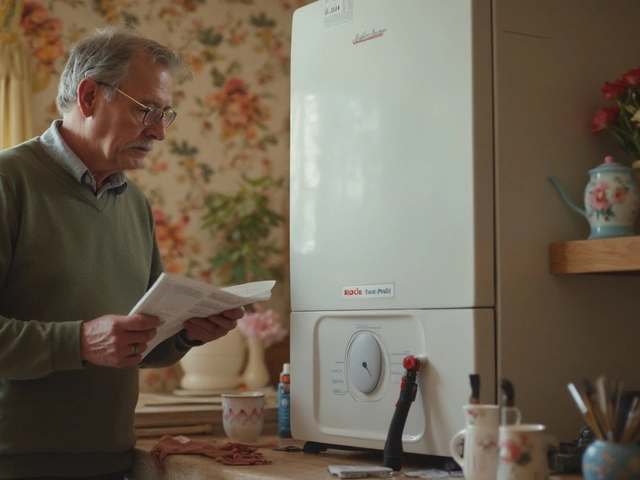
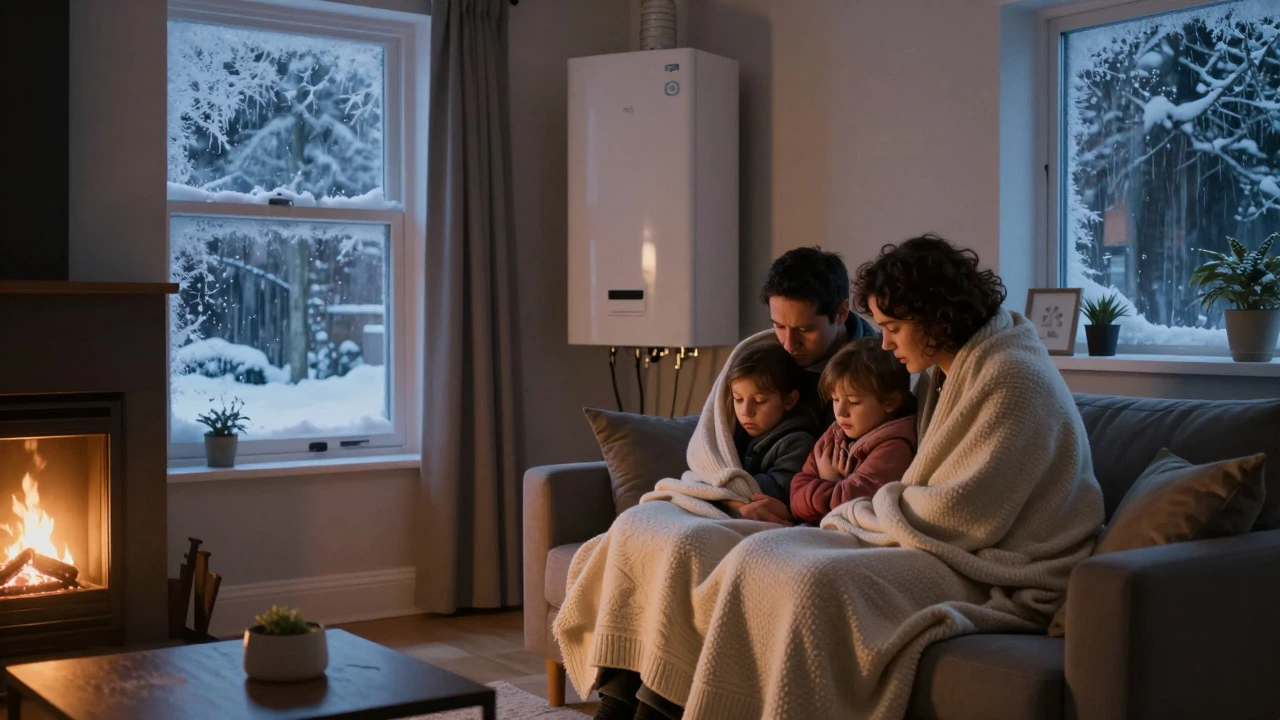
Imagine coming home on a freezing night in Brisbane to find your heating system has completely failed. The water is lukewarm, the air is cold, and you’re left shivering in your socks. This isn’t just an inconvenience; it’s a costly emergency that could have been prevented with one simple annual task. Skipping boiler servicing might save you a few hundred dollars today, but it often costs thousands tomorrow in repairs, energy bills, or even worse.
We tend to ignore appliances until they break. But boilers are different. They burn gas every time you turn on the hot tap or heat your living room. That combustion process creates byproducts-carbon monoxide, soot, and carbon deposits-that can silently accumulate over time. Without regular inspection and cleaning, these byproducts don't just disappear. They degrade your equipment, spike your bills, and potentially endanger your family.
The Silent Killer: Carbon Monoxide Leaks
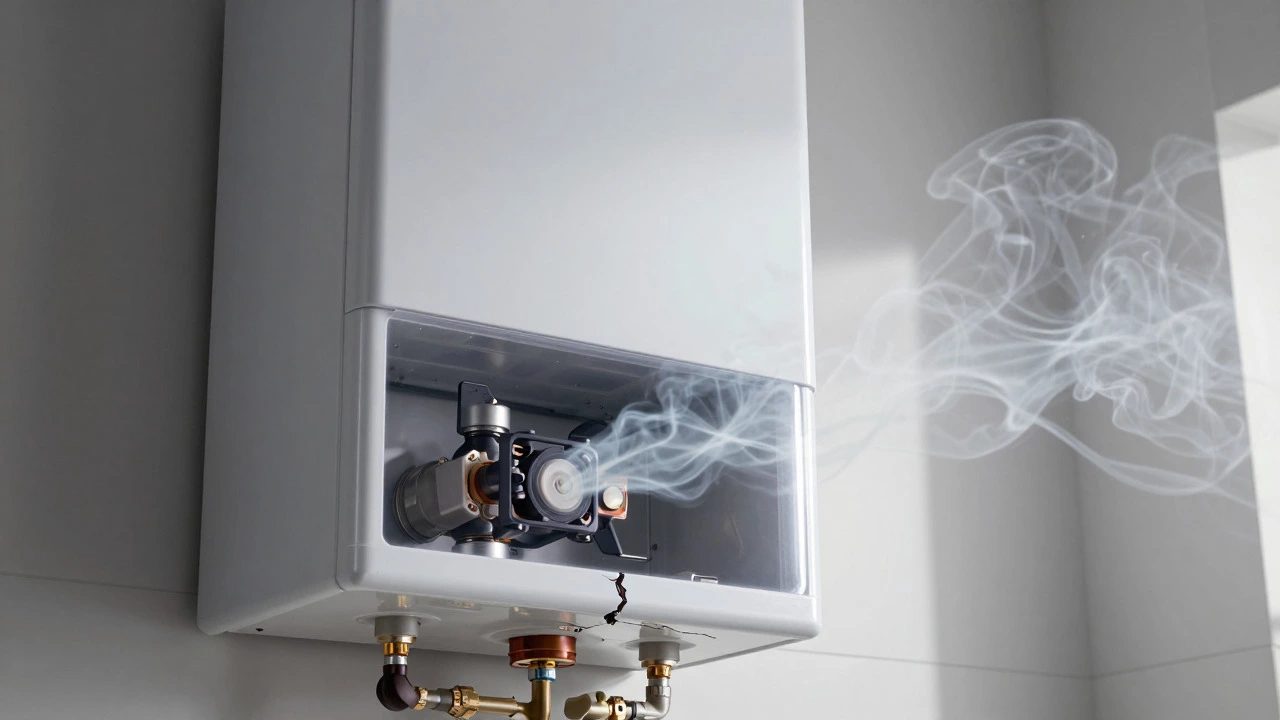
The most critical reason to service your boiler is safety. Gas boilers produce carbon monoxide (CO) as a natural byproduct of combustion. In a properly functioning unit, this deadly gas is vented safely outside through the flue. However, if the flue becomes blocked by bird nests, leaves, or corrosion, or if the internal seals crack due to age and lack of maintenance, CO can leak into your home.
Carbon monoxide is known as the 'silent killer' because it is odorless, colorless, and tasteless. You won't see it, smell it, or hear it. Early symptoms mimic the flu: headaches, dizziness, nausea, and fatigue. If you and your family all feel sick at home but better when you leave, suspect CO poisoning immediately. A serviced boiler includes a rigorous check of the flue integrity and combustion analysis to ensure no dangerous gases are escaping into your living space.
How do I know if my boiler is leaking carbon monoxide?
You cannot detect it with your senses. Install battery-operated carbon monoxide alarms near sleeping areas and near the boiler. If you experience unexplained headaches, nausea, or drowsiness that improve when you leave the house, evacuate and call emergency services. Regular servicing checks the flue and combustion levels to prevent this.
Efficiency Drops and Skyrocketing Energy Bills
Safety aside, your wallet will feel the pain of neglect. A boiler that hasn't been serviced for several years operates like a car with a clogged air filter. It works harder to produce the same amount of heat. Inside the combustion chamber, carbon deposits build up on the heat exchanger. These deposits act as an insulator, preventing heat from transferring efficiently to the water.
As a result, your boiler burns more gas to achieve your desired temperature. Industry data suggests that an unserviced boiler can lose between 10% and 20% of its efficiency annually. Over five years, you could be paying hundreds of extra dollars in energy bills for heat that never made it into your home. Servicing involves cleaning the burner and heat exchanger, restoring optimal combustion ratios, and ensuring the system runs at peak efficiency.
In Australia, where energy prices fluctuate, maintaining high efficiency is not just about comfort-it's about financial stability. A well-maintained condensing boiler extracts latent heat from exhaust gases. If the condensate trap gets blocked or the heat exchanger is dirty, this secondary heat recovery fails, wasting fuel directly out of the flue.
Increased Risk of Breakdowns and Costly Repairs
Think of boiler servicing as preventive medicine. When a technician services your unit, they don't just clean it; they inspect dozens of components. They check pressure valves, test safety devices, examine electrical connections, and listen for unusual noises. Many small issues-a slightly worn pump seal, a corroded electrode, or a loose wire-are easy and cheap to fix during a service.
If ignored, these minor problems escalate. A small leak in the primary circuit can rust the metalwork, leading to catastrophic failure. A failing pump can overheat and seize, damaging the motor. What might have cost $50 to replace during a routine visit can turn into a $1,500 replacement bill when the whole system breaks down mid-winter. Emergency call-out fees are also significantly higher than scheduled maintenance visits.
| Scenario | Estimated Annual Cost | Risk Level |
|---|---|---|
| Annual Service | $150 - $250 | Low |
| Emergency Repair (Pump Failure) | $400 - $800 | Medium |
| Heat Exchanger Replacement | $1,200 - $2,500 | High |
| New Boiler Installation | $3,000 - $6,000+ | Critical |
Voiding Your Warranty
Most modern boilers come with a manufacturer's warranty, typically ranging from two to seven years. However, these warranties almost always include a condition: the boiler must be serviced annually by a qualified technician. If your boiler fails within the warranty period and you cannot prove it was regularly maintained, the manufacturer may deny the claim.
This means you foot the entire bill for parts and labor. Keep records of every service. Reputable technicians provide a detailed report after each visit. Store these documents digitally. When making a warranty claim, having a clear paper trail of maintenance history is often the difference between a free repair and a massive expense.
Reduced Lifespan of the Appliance
A boiler is a significant investment. With proper care, a quality gas boiler can last 15 to 20 years. Neglect cuts this lifespan short. Constant strain from inefficient operation accelerates wear on moving parts like pumps and fans. Corrosion eats away at internal pipes and tanks. By skipping services, you're essentially aging your appliance faster than necessary. Replacing a boiler prematurely is a major disruption and expense that regular maintenance helps avoid.
What Does a Professional Service Actually Involve?
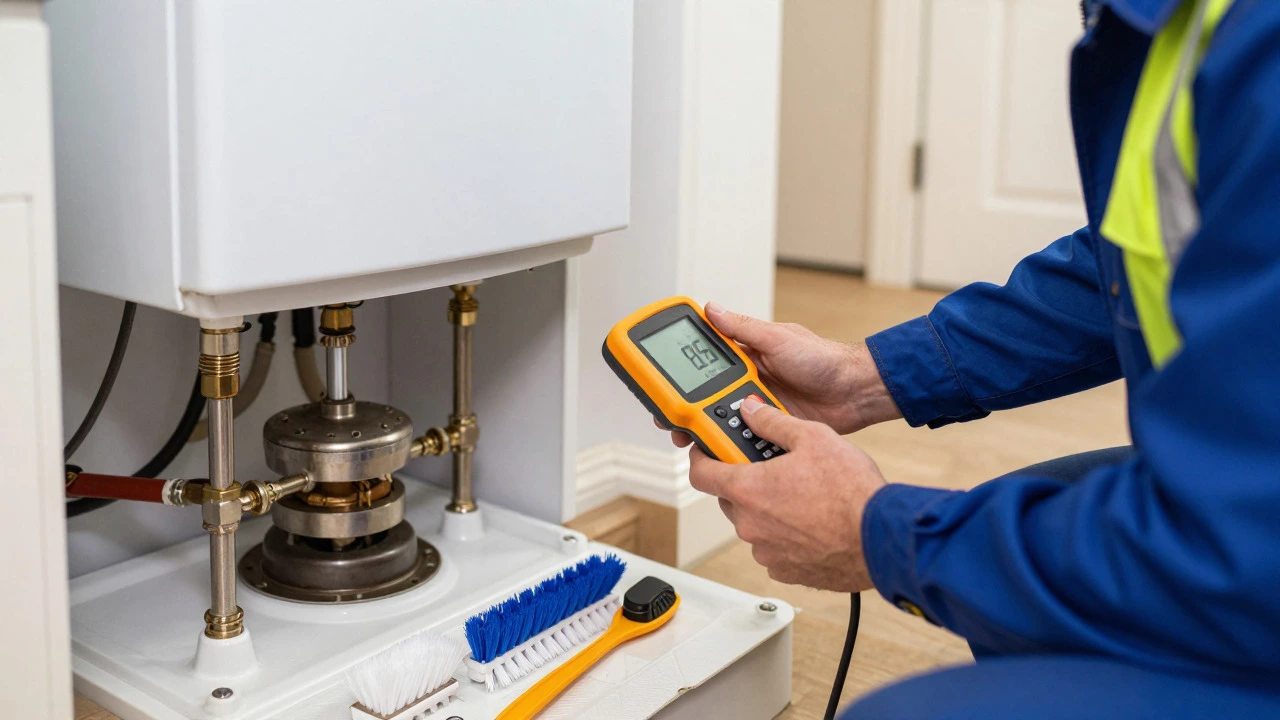
Many homeowners wonder what they are paying for. A comprehensive boiler service typically takes 45 to 90 minutes and includes:
- Visual Inspection: Checking for leaks, corrosion, or signs of tampering.
- Combustion Analysis: Using specialized tools to measure gas consumption and emission levels, ensuring safe and efficient burning.
- Cleaning: Removing dust, debris, and carbon buildup from the burner, fan, and heat exchanger.
- Safety Checks: Testing the flame failure device, pressure relief valve, and carbon monoxide detection systems.
- Pressure Test: Ensuring the system pressure is within the optimal range (usually 1-1.5 bar).
- Flue Check: Verifying that exhaust gases are being expelled safely outdoors.
After the service, you should receive a certificate of compliance. This document is crucial for insurance purposes and resale value of your home.
Signs Your Boiler Needs Immediate Attention
Even if you haven't reached the annual service date, certain signs indicate trouble. Don't wait. Call a professional if you notice:
- Noise: Kettling (rumbling sounds), whistling, or banging indicates sludge buildup or air locks.
- Drops in Pressure: Frequent need to repressurize suggests a leak.
- Yellow Flame: A healthy gas flame should be blue. A yellow or orange flame indicates incomplete combustion and potential CO risk.
- Cold Radiators: If some radiators are hot and others are cold, your system may be unbalanced or suffering from circulation issues.
- Condensation: Excessive moisture around the boiler unit can signal a blockage in the condensate pipe.
DIY vs. Professional Servicing
While you can bleed radiators and check pressure yourself, internal boiler servicing requires certification. In Australia, gas work is regulated. Only licensed gas fitters should perform combustion analysis and internal inspections. Attempting DIY internal repairs can be dangerous and may void your insurance coverage. Stick to basic monitoring and let the experts handle the internals.
How often should I service my boiler?
Annually. Most manufacturers recommend a full service once a year, ideally before the winter heating season begins. This ensures the system is ready for peak demand and catches any issues early.
Is boiler servicing mandatory by law?
For landlords, yes. Rental properties require a Gas Safety Certificate annually. For homeowners, it's not legally mandatory but is strongly advised for safety, warranty validity, and insurance purposes.
What happens if my boiler breaks down without a service history?
You may face higher repair costs, voided warranties, and potential difficulties claiming on home insurance. Insurers may argue negligence if a lack of maintenance contributed to the damage.
Can I service my own boiler?
No. Internal servicing of gas appliances requires specific licenses and tools. DIY attempts can lead to gas leaks, carbon monoxide poisoning, or fire hazards. Leave internal work to certified professionals.
How much does a boiler service cost in Brisbane?
Prices vary by provider and boiler type, but generally range from $150 to $250 AUD for a standard domestic unit. Premium brands or complex systems may cost slightly more. Always get a quote upfront.