Water Heater Failure Diagnosis Tool
Check Symptoms
Select the symptoms you're experiencing to identify what might be broken.
Most people don’t think about their water heater until the hot water stops flowing. By then, it’s already broken - and you’re stuck with a cold shower. The truth is, water heaters don’t just wear out randomly. They fail in predictable ways, and knowing what usually breaks can save you time, money, and a lot of frustration.
The Anode Rod - First to Go
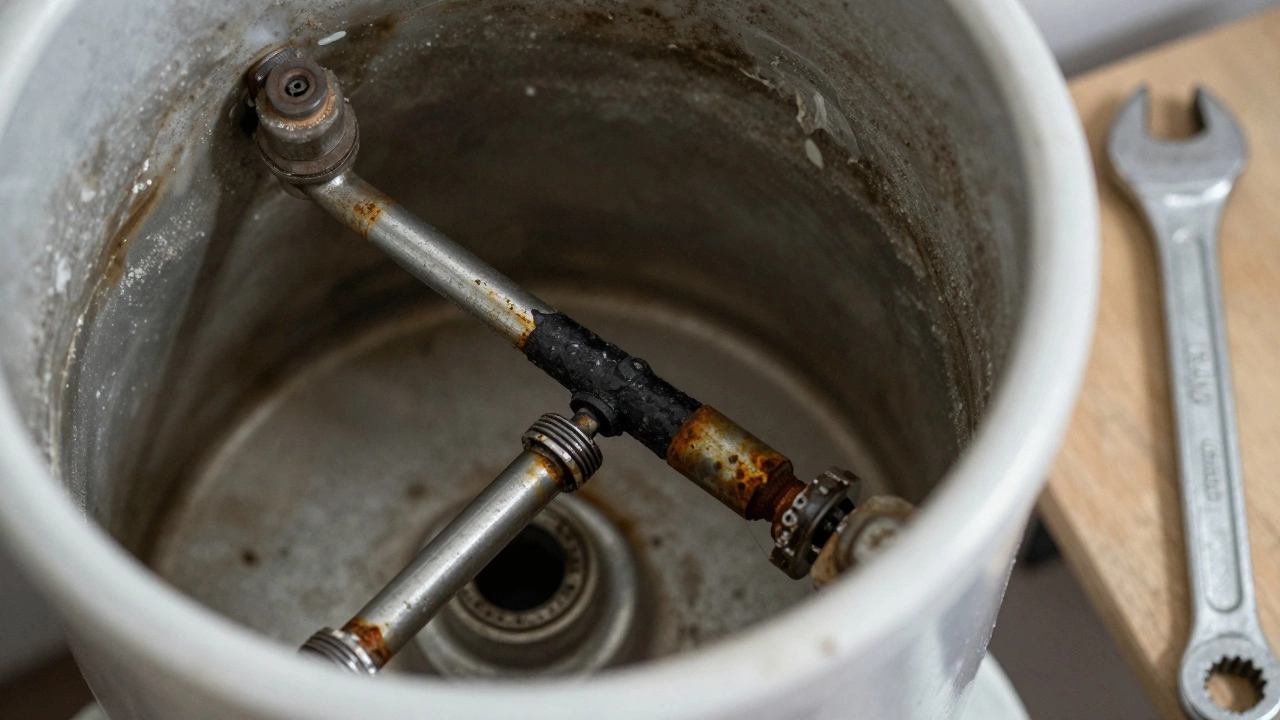
The anode rod is the unsung hero of your water heater. It’s a long metal stick, usually made of magnesium or aluminum, that hangs inside the tank. Its job? To attract corrosive elements in the water so they eat away at the rod instead of the tank itself. Think of it like a sacrificial lamb for your tank.
But here’s the catch: once the anode rod is gone, the tank starts rusting from the inside. And that’s irreversible. Most anode rods last 3 to 5 years, depending on water hardness. If you live in an area with hard water - think Midwest or Southwest U.S. - it might only last 2 years.
Signs it’s dead: rusty water, metallic smell, or sediment buildup. If you haven’t checked the rod in over 3 years, you’re already playing Russian roulette with your tank’s lifespan.
The Heating Element - Electric Models’ Weak Spot
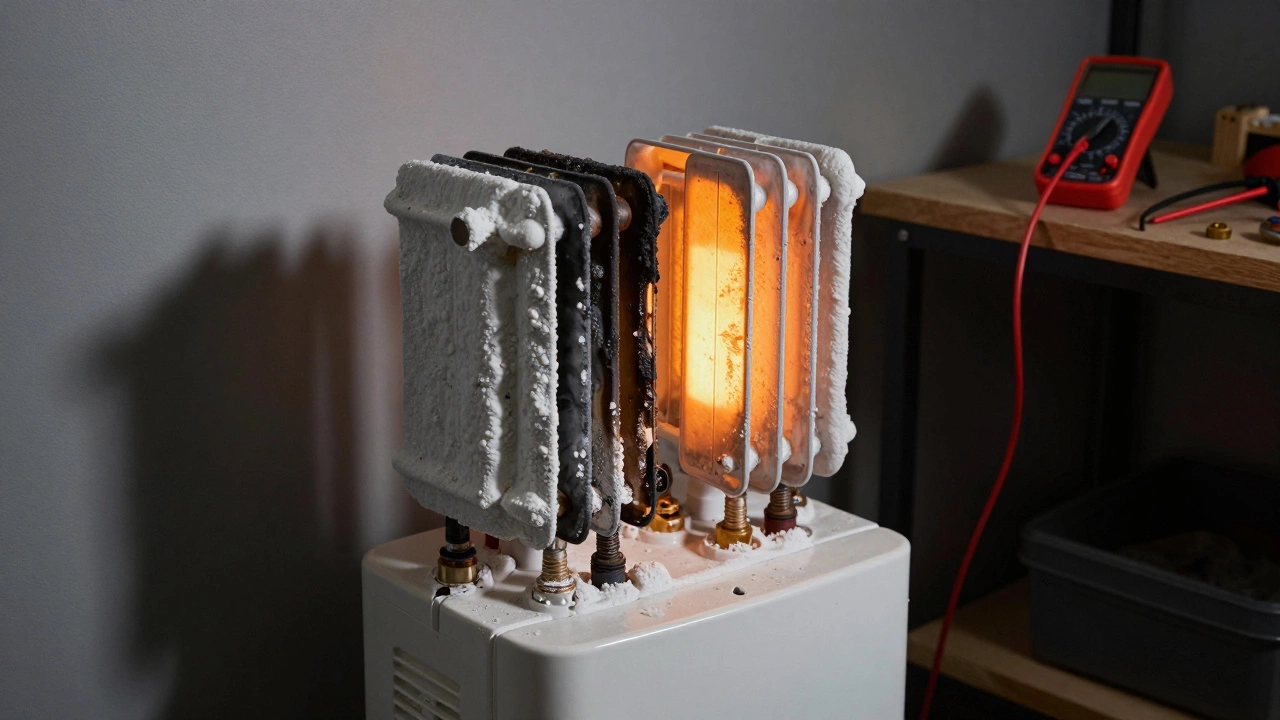
If you have an electric water heater, the heating elements are the most common point of failure. These are the metal coils that heat the water. Over time, mineral buildup coats them, causing them to overheat and burn out.
A single element can go bad, leaving you with lukewarm water instead of hot. Both elements failing means no hot water at all. The fix? Replace the element. It’s not expensive - $20 to $40 - and you can do it yourself if you turn off the power and drain the tank.
But here’s the trap: people replace one element and assume the other is fine. If one burned out, the other is likely close behind. Most pros recommend replacing both at the same time. It saves you from having to drain the tank twice.
The Thermostat - The Misleading Culprit
When the water isn’t hot enough, the first thing people blame is the thermostat. And sometimes, they’re right. But more often than not, it’s not the thermostat itself. It’s the wiring, the reset button, or even a faulty heating element that’s making the thermostat look broken.
Electric water heaters have two thermostats - one for the top element, one for the bottom. If the top one fails, you get hot water for a few minutes, then nothing. If the bottom one fails, the water starts cold and gets barely warm.
Test it with a multimeter. If it reads zero continuity, it’s dead. But if it reads fine, don’t replace it yet. Check the elements first. Replacing a thermostat without checking the rest is a waste of money.
Corrosion and Leaks - The Silent Killer
Leaks are scary. A puddle under your water heater usually means one thing: the tank is rusted through. That’s not a repair job. That’s a replacement.
Most water heater tanks last 8 to 12 years. If yours is older than 10 and you’re seeing even a small leak, you’re not saving money by waiting. You’re risking a flood. Water damage to your floor, walls, or basement can cost thousands.
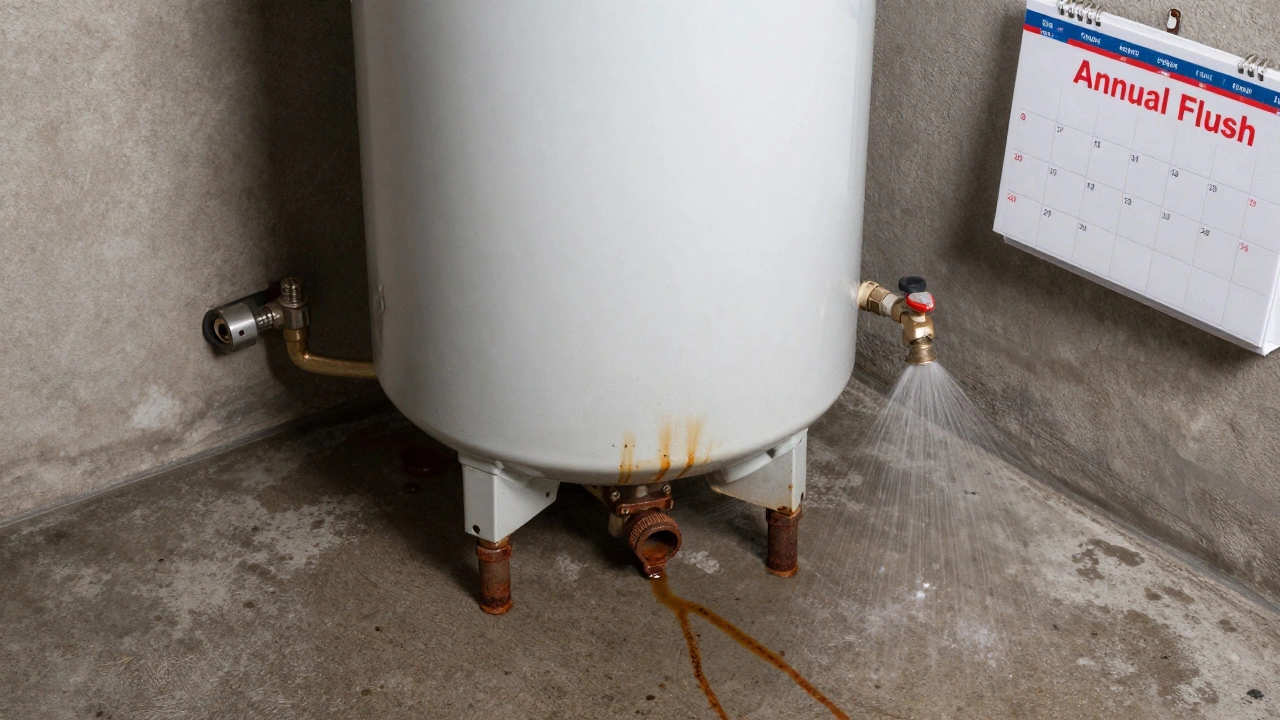
Check for rust on the tank’s exterior - especially near the bottom. If you see flaking, peeling, or rust-colored drips, the tank is compromised. Even if the leak stops after you turn off the water, the damage is already done. Corrosion doesn’t heal.
The Pressure Relief Valve - A Safety Feature You Ignore
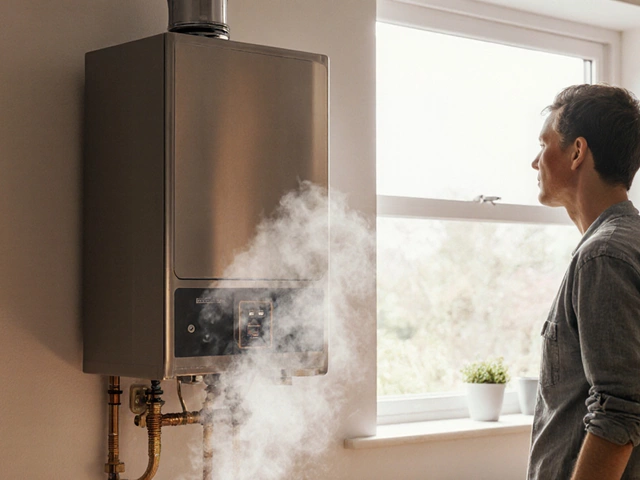
The pressure relief valve (PRV) is designed to save your life. If pressure builds up too high - say, because the thermostat stuck on - the valve opens and lets steam or water escape. If it fails, your water heater can explode.
Most people never test it. That’s dangerous. You should lift the lever on the valve once a year. You should hear a rush of water. If nothing comes out, or if it drips constantly after you test it, replace it. It costs less than $20.
Don’t assume it’s working just because it looks clean. Mineral buildup can clog it silently. A failed PRV is a ticking bomb.
Sediment Buildup - The Slow Poison
Every time water heats up, minerals drop out of solution and sink to the bottom. Over time, this layer of sediment builds up - sometimes several inches thick. It acts like insulation, making the heater work harder. That means higher bills and a shorter lifespan.
Worse, the sediment traps heat against the tank’s bottom, causing hot spots. That’s what leads to premature tank failure. It’s also why you hear banging or popping noises - the water trapped under the sediment boils.
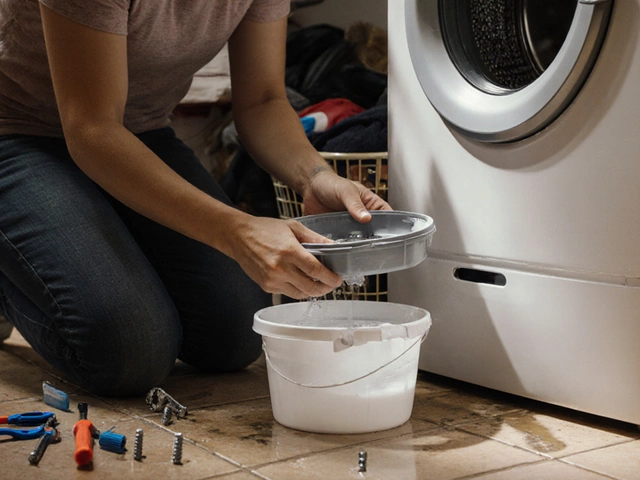
Flushing the tank once a year removes 80% of this buildup. All you need is a garden hose and a bucket. Turn off the power, shut the cold water inlet, attach the hose to the drain valve, and let it run until the water clears. It takes 15 minutes. Do it. It’s the single best thing you can do to extend your heater’s life.
What Doesn’t Usually Break - And Why
People often blame the control panel, the pilot light, or the gas valve on gas heaters. But those rarely fail unless they’ve been neglected for years. A pilot light going out? Usually just a draft or a dirty thermocouple. A gas valve sticking? That’s rare unless the unit is over 15 years old.
What’s more common is that homeowners panic and replace the whole unit because the pilot won’t stay lit. But a $15 thermocouple and 30 minutes of cleaning can fix that. Don’t jump to replacement unless you’ve ruled out the simple fixes.
When to Replace vs. Repair
Here’s a rule of thumb: if your water heater is older than 10 years and you’re spending more than $300 on repairs, it’s time to replace it. That’s not a hard number - it’s a cost-benefit balance.
Replacing a $200 element? Fine. Replacing the tank? No. Replacing the anode rod? Yes. Replacing the whole unit because of a leak? Absolutely.
Modern water heaters are 20% to 30% more efficient than models from 10 years ago. That means lower bills. Plus, new units come with 6- to 12-year warranties. You’re not just fixing a problem - you’re upgrading.
Prevention Is the Best Fix
Most water heater failures are preventable. You don’t need to be a plumber. Just do three things:
- Flush the tank once a year.
- Check the anode rod every 3 years (or sooner if you have hard water).
- Test the pressure relief valve annually.
That’s it. No fancy tools. No special skills. Just routine care. If you do this, your water heater will last 15 years instead of 8. And you’ll never be caught off guard by a cold shower.
Why does my water heater make popping noises?
Popping or banging sounds usually mean sediment has built up on the bottom of the tank. When the heating element turns on, the water trapped under the sediment heats up and boils, creating those noises. Flushing the tank removes the sediment and stops the noise.
Can I replace the anode rod myself?
Yes. Turn off the water and power, drain a few gallons, and unscrew the old rod using a socket wrench. Install the new one the same way. It takes about 30 minutes. Most home centers sell replacement rods for under $50.
Is it worth repairing a 12-year-old water heater?
Generally, no. Water heaters start losing efficiency after 10 years. Even if you fix one issue, another is likely coming. Replacement is more cost-effective long-term and comes with a warranty. Plus, newer models use 20% less energy.
Why is my water rusty or smells bad?
Rusty water or a rotten egg smell usually means the anode rod is fully consumed. The magnesium or aluminum rod has worn out, and now the tank is corroding. The smell comes from sulfur bacteria reacting with leftover minerals. Flush the tank and replace the anode rod immediately.
How often should I flush my water heater?
Once a year. If you have hard water (high mineral content), do it every 6 months. Sediment buildup reduces efficiency and shortens the tank’s life. Flushing is simple and prevents most major failures.