Cooker Safety Risk Analyzer
Select the warning signs you are observing in your kitchen to analyze the potential risk and get immediate prevention advice.
Identify Warning Signs:
Please select a category on the left to see the risk analysis and prevention steps.
CRITICAL RISK: Gas Explosion
Fuel accumulation in a confined space can lead to a rapid expansion of air upon ignition, causing structural failure.
- DO NOT touch any light switches or electrical devices.
- Open all windows and doors immediately.
- Evacuate the premises and call a certified technician.
- Check hoses for cracks or pest damage using soapy water.
MODERATE RISK: Thermal Shock
Rapid temperature changes cause tempered glass to contract unevenly, leading to sudden shattering.
- Avoid splashing cold water on a hot oven door.
- Keep the kitchen warm in winter to avoid freezing air blasts.
- Inspect glass for "spider-webbing" or microscopic nicks.
- Ensure the unit has proper clearance for airflow.
LOW-MODERATE RISK: Electrical Fault
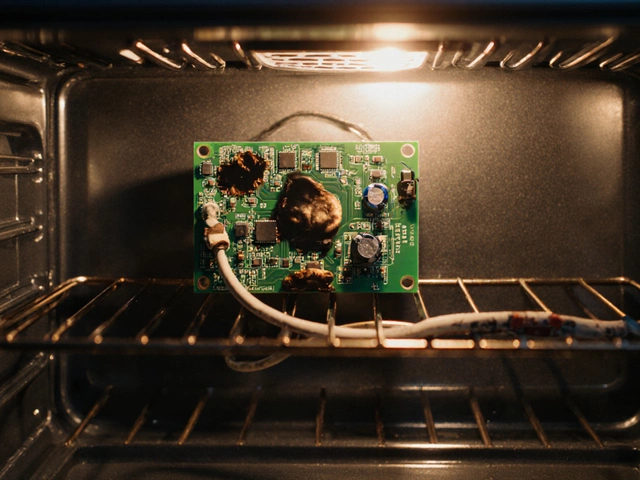
Component failure (capacitors/elements) can cause "pops" or electrical fires if grease is present.
- Clean all grease buildup from the oven floor to prevent ignition.
- If the circuit breaker trips frequently, stop use immediately.
- Check for smells of ozone or burnt plastic near the control board.
- Replace damaged heating elements professionally.
The Danger of Gas Accumulation
If you have a gas-powered appliance, the most dangerous cause of a burst is a gas leak. Gas cookers rely on a precise flow of fuel, usually Natural Gas or LPG (Liquefied Petroleum Gas), to create a controlled flame. When a leak occurs, the gas doesn't just vanish; it fills the kitchen or settles inside the oven cavity.Why does this lead to an explosion? Gas needs a specific ratio of oxygen to ignite. If a leak allows gas to pool in the room, the moment you flip a light switch or try to ignite the burner, a spark triggers the entire volume of gas at once. This creates a rapid expansion of air, which is what causes windows to blow out and oven doors to fly off their hinges. A common culprit here is a perished Gas Hose. Over time, rubber hoses can crack or be chewed by pests, allowing fuel to seep out slowly until the concentration reaches a critical level.
Thermal Shock and Glass Shattering
Not every "burst" involves fire. Many people report their cooker "exploding" when, in reality, the tempered glass door has shattered. This is called thermal shock. Tempered glass is designed to handle high heat, but it struggles with sudden, extreme temperature changes.For example, if you have a scorching hot oven and you accidentally splash cold water on the glass, or if you open the door and a blast of freezing winter air hits the panel, the glass contracts unevenly. This internal stress can cause the panel to implode or burst outward into thousands of tiny pieces. While it doesn't cause a house-level explosion, the sound is loud enough to mimic one, and the shards can be dangerous.
The Role of Blocked Burners and Venting
Ever noticed a yellow flame instead of a crisp blue one? That's a sign of incomplete combustion. When the Burner Cap is misaligned or clogged with grease and food debris, the gas doesn't ignite immediately. Instead, it builds up around the burner.If the gas accumulates for a few seconds before finally catching, it can create a "mini-burst." This is a sudden puff of flame that can singe eyebrows or blow a pot of boiling water off the stove. In more extreme cases, if the ventilation in the kitchen is poor and the appliance is malfunctioning, these small pockets of unburnt gas can lead to larger, more volatile incidents.
Comparing Combustion vs. Structural Failures
| Feature | Gas Explosion | Thermal Shattering | |
|---|---|---|---|
| Primary Cause | Fuel leak / Gas buildup | Rapid temperature change | |
| Material Involved | Fuel (Natural Gas/LPG) | Tempered Glass | |
| Warning Signs | Rotten egg smell, hissing sound | Visible cracks, warping | |
| Risk Level | High (Structural damage/Injury) | Moderate (Cuts/Shards) |
Electrical Faults and Component Failure
In electric cookers, the risk of a gas explosion is gone, but you still face the risk of component bursts. The Heating Element is a coil of wire wrapped in a protective sheath. If the insulation fails or if the element is damaged, it can cause a short circuit.A severe electrical surge or a failing Capacitor in the control board can literally pop. While this won't blow the oven door off, it can cause a loud bang, a flash of light, and a smell of ozone. If this happens alongside a grease fire, the electrical failure can act as the ignition source that turns a small flare-up into a major burst of flame.
Preventing a Kitchen Disaster
Most cooker bursts are avoidable if you follow a few basic rules of maintenance. First, never ignore the smell of gas. Natural gas is odorless, so utility companies add a chemical called mercaptan to make it smell like rotten eggs. If you smell that, don't touch any switches-just get out and call a professional.Second, keep your appliance clean. Grease buildup isn't just gross; it's flammable. If grease leaks from a pan and collects at the bottom of the oven, it can ignite and cause a rapid fire that puts immense pressure on the oven's seal, potentially causing the door to fail. Finally, ensure your cooker is installed with the correct clearance. If an oven is shoved too tightly into a cabinet without proper airflow, the heat can't escape, increasing the internal pressure and stressing the materials.
When to Call a Professional
If you notice any of the following, stop using your cooker immediately:- The flame on your gas hob is orange or yellow instead of blue.
- You hear a faint hissing sound near the gas connection.
- The oven door glass feels excessively hot to the touch even on medium settings.
- The appliance frequently trips the circuit breaker in your home.
- You see small cracks or "spider-webbing" on the glass panels.
Can a cooker burst if I leave it on too long?
Generally, no. Cookers are designed to operate for long periods. However, if the thermostat fails and the oven overheats beyond its design limits, the extreme heat can cause structural components to warp or the glass to shatter due to thermal stress.
Is it common for oven glass to explode?
It's not "common," but it happens. It usually occurs when cold liquid hits a hot glass pane or when the glass has a pre-existing microscopic nick that expands under heat, leading to a sudden structural failure.
What is the safest way to check for gas leaks?
Never use a flame to check for leaks. Use a dedicated gas leak detector spray or a soapy water solution. Apply the soap to the joints and hoses; if bubbles form, you have a leak.
Can a pressure cooker cause a kitchen explosion?
Yes. While different from a built-in cooker, a pressure cooker can burst if the safety valves are blocked by food residue, preventing steam from escaping and causing the pot to fail under immense internal pressure.
How often should I get my gas cooker serviced?
It is recommended to have a certified technician inspect your gas connections and burners every 12 to 24 months to ensure there are no slow leaks and that the combustion is efficient.