Kitchen Extractor Fan Troubleshooter
Select the symptoms your extractor fan is exhibiting to identify potential causes and recommended actions.
Please select a symptom above to see diagnosis results.
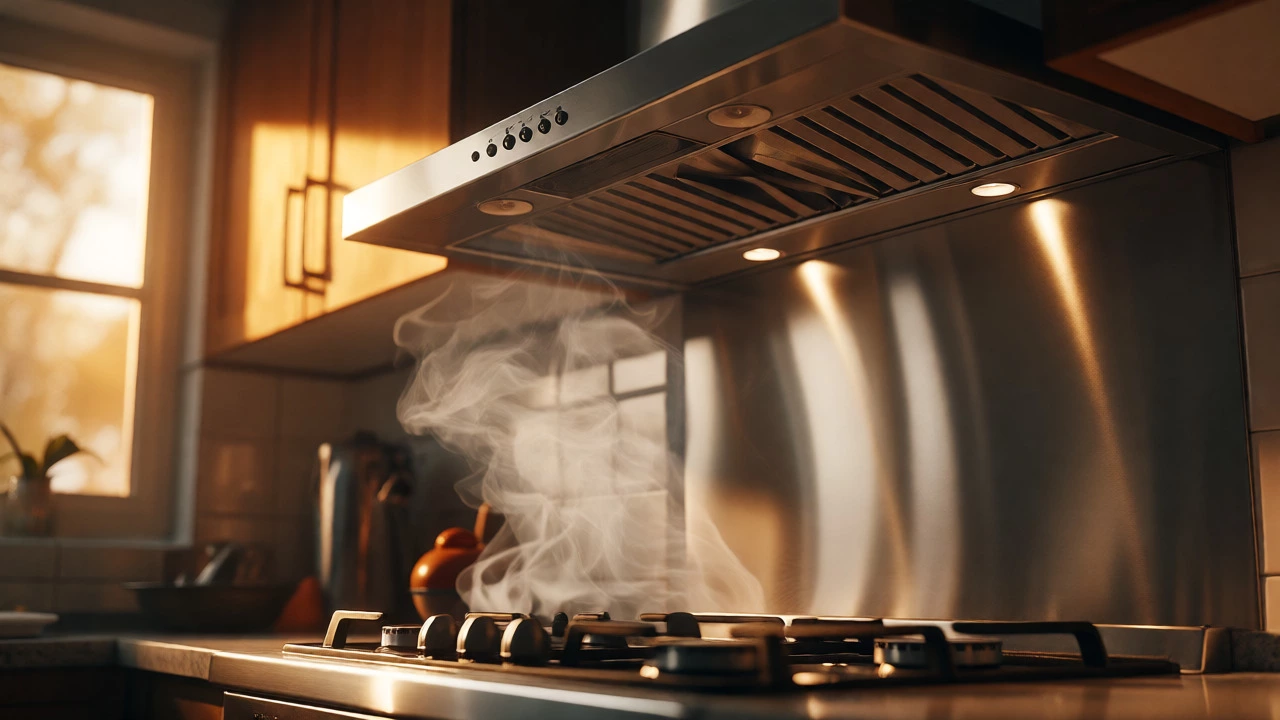
You turn on your kitchen hood, expecting the usual hum to suck away the smell of burnt toast or frying onions. Instead, silence. Or worse, a rattling noise that sounds like a lawnmower stuck in a bag of marbles. It’s frustrating, especially when you’re mid-cook and the smoke alarm is about to go off again. The truth is, most kitchen extractor fans don’t just die randomly. They fail because of specific, often fixable issues ranging from simple grease buildup to worn-out motors.
Before you call an engineer or buy a new unit, it helps to know what’s actually happening inside that metal box above your stove. Is it the power supply? A seized motor? Or just a clogged filter choking the airflow? This guide breaks down the most common reasons why extractor fans stop working, how to diagnose them safely, and when you can handle it yourself versus when you need professional help.
Key Takeaways
- Check the basics first: Always verify the power supply, circuit breaker, and switch functionality before assuming mechanical failure.
- Grease is the enemy: Over time, fat accumulates on blades and filters, causing imbalance, noise, and eventual motor burnout.
- Motor capacitors are frequent culprits: If the fan hums but doesn’t spin, a failed capacitor is likely the issue-a cheap part to replace.
- Duct blockages reduce efficiency: Birds’ nests or crushed flexible ducting can stall airflow, making the fan work harder until it fails.
- Safety first: Always isolate the electrical supply before removing panels or touching internal components.
The Power Supply: Is It Actually Getting Electricity?
It sounds obvious, but you’d be surprised how many "broken" fans are just unplugged or tripped breakers. Before diving into the mechanics, rule out the easy stuff. Check if other appliances on the same circuit are working. If the fuse box has tripped, reset it. If it trips again immediately, you have a short circuit, which requires a pro.
Many modern hoods use touch controls or remote switches. Sometimes, the control panel itself fails while the motor remains fine. Try using the manual override switch (if available) or check if the display lights up. If the lights work but the fan doesn’t, the issue is likely isolated to the fan circuit or motor, not the main power feed.
Blocked Filters and Grease Buildup
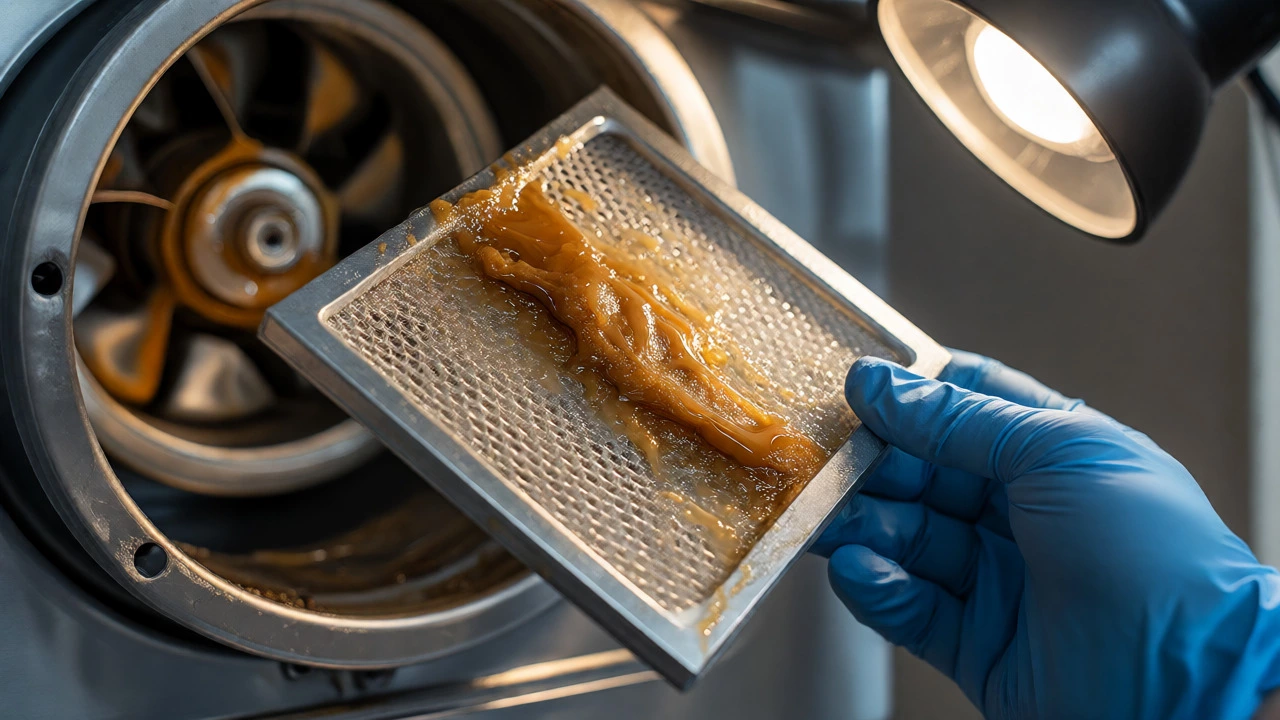
If your fan still runs but feels weak, loud, or vibrates excessively, look at the filters. Most extractors use aluminum mesh filters to trap grease before it enters the motor housing. When these get saturated with oil, they restrict airflow. The motor then works harder to pull air through, overheating and eventually burning out.
Here’s a quick test: remove the filters and run the fan briefly (without cooking). If it suddenly becomes quieter and more powerful, your filters were the problem. Soak them in hot water with degreasing detergent for an hour. For severe buildup, a dishwasher cycle on a high heat setting usually does the trick. Replace carbon filters (used in recirculating models) every three to six months, as they cannot be washed.
The Motor: Humming, Seizing, or Burning Smells
The Electric Motor is a machine that converts electrical energy into mechanical energy to drive the fan blades. It’s the heart of your extractor. When motors fail, they usually show distinct symptoms.
- Humming but no spin: This often points to a faulty start capacitor. The motor gets power but lacks the initial torque to start rotating.
- Burning smell: Indicates overheated windings. This is usually terminal; the motor needs replacement.
- Rattling or grinding: Suggests worn bearings or debris caught in the impeller. If cleaning doesn’t fix it, the bearings may be shot.
Replacing a motor can cost between £40 and £150 depending on the brand, plus labor. If your hood is over ten years old, compare this cost against buying a new unit. Often, newer models are significantly more energy-efficient and quieter.
Faulty Capacitors: The Cheap Fix You Might Miss
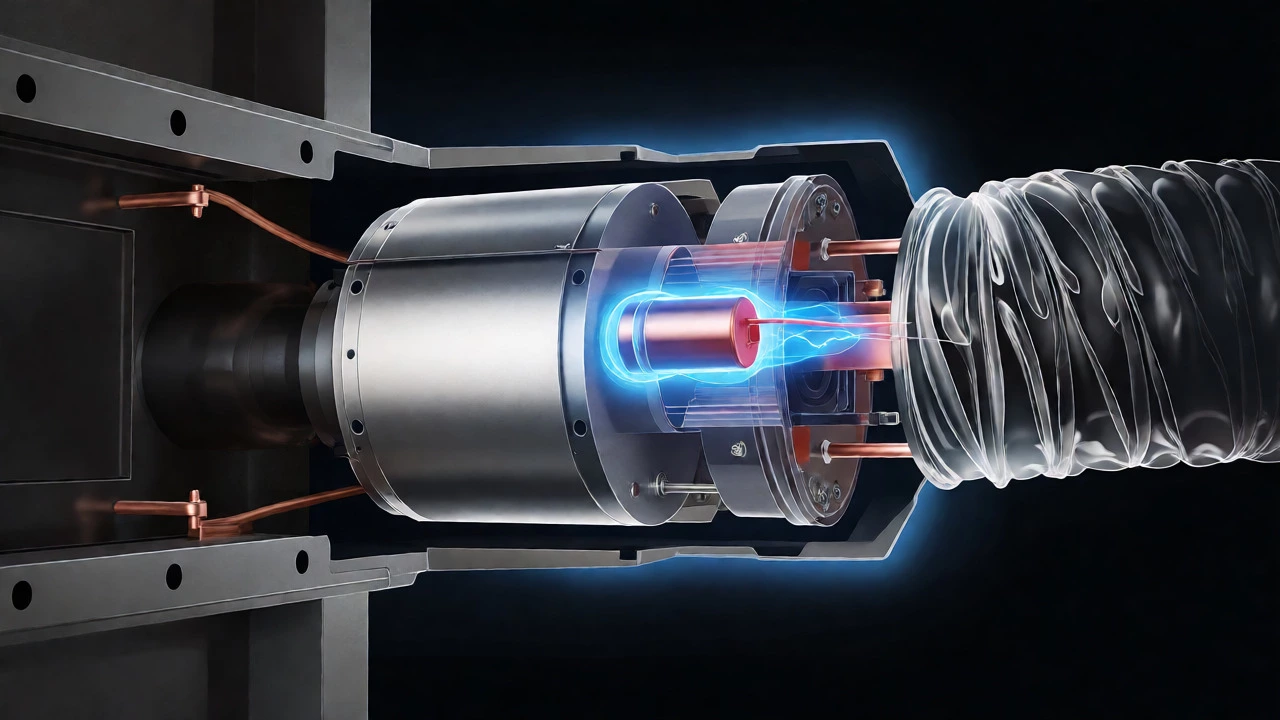
A Capacitor is a passive electronic component that stores electrical energy in an electric field, used here to provide the initial kick to start the motor. Think of it like a starter motor in a car. If the capacitor dies, the fan might not start at all, or it might need a gentle push on the blade to get going.
This is one of the cheapest repairs. A replacement capacitor costs roughly £5-£10. However, working with capacitors involves stored electricity. Even when unplugged, they can hold a charge. Discharge them carefully with an insulated screwdriver before handling. If you’re uncomfortable with electronics, leave this to a technician.
Ducting Issues: Blockages and Crushed Pipes
External venting systems rely on clear ducting to expel air outside. Over time, flexible foil ducts can sag, creating pockets where grease collects. Worse, birds or insects might nest in the external vent cap. A blocked exit creates backpressure, forcing the motor to strain against resistance.
Inspect the external flap. Does it open freely when the fan is on? If it’s stuck shut due to rust or debris, clean it or lubricate the hinge. Inside, check the ducting for kinks. Rigid metal ducting is better than flexible plastic because it maintains airflow and resists crushing. If you find heavy grease buildup deep in the duct, a professional chimney sweep service can clean it effectively.
Switches and Control Boards
Mechanical switches wear out after thousands of clicks. If the fan only works on certain speeds, or not at all despite having power, the rotary switch or speed selector might be broken. These parts are relatively inexpensive (£10-£20) and easy to swap for DIY-savvy homeowners.
Modern digital hoods use printed circuit boards (PCBs). Moisture from steam can corrode these boards, causing intermittent failures. If the display flickers or buttons feel unresponsive, the PCB might need replacing. Unfortunately, sourcing specific PCBs for older models can be tricky, sometimes making a full unit replacement more practical.
Comparison: DIY vs. Professional Repair
| Issue | DIY Feasibility | Estimated Cost (Parts) | Recommended Action |
|---|---|---|---|
| Dirty Mesh Filter | High | £0 (Cleaning) | Soak and wash regularly |
| Carbon Filter Saturation | High | £10-£20 | Replace every 3-6 months |
| Faulty Switch | Medium | £10-£25 | Test with multimeter, then replace |
| Failed Capacitor | Medium | £5-£15 | Discharge safely, match specs exactly |
| Seized Motor | Low | £40-£150 | Consider new unit if >8 years old |
| Control Board Failure | Low | £50-£120 | Check availability of spare parts first |
Troubleshooting Checklist
Follow this order to diagnose your fan efficiently without wasting time or money:
- Isolate Power: Turn off the circuit breaker for the kitchen.
- Visual Inspection: Remove the cover. Look for loose wires, burnt components, or obvious debris.
- Check Filters: Clean or replace them. Test airflow.
- Test Continuity: Use a multimeter to check if the switch allows current to pass.
- Spin the Blade: With power off, try to spin the impeller by hand. It should move freely. Resistance suggests bearing failure.
- Listen: Restore power briefly. Note any humming, clicking, or grinding noises.
When to Call a Professional
Call a qualified electrician or appliance repair specialist if:
- You suspect a wiring fault within the wall or ceiling.
- The motor smells burnt or shows visible scorch marks.
- You are unsure about discharging capacitors safely.
- The unit is under warranty (opening it might void coverage).
Preventive Maintenance Tips
To avoid future breakdowns, adopt a simple routine. Wipe down the exterior and accessible interior surfaces weekly with a degreaser. Run the fan for five minutes after cooking finishes to clear residual moisture and smoke. Schedule a deeper clean of the internal impeller and motor housing once a year. This small effort extends the life of the motor significantly by preventing sticky residue from seizing the bearings.
Can I clean my extractor fan myself?
Yes, for most basic maintenance. You can easily remove and wash mesh filters in hot soapy water or a dishwasher. For internal cleaning, ensure the power is off, then wipe accessible blades with a damp cloth and degreaser. Avoid spraying liquid directly onto the motor.
Why is my extractor fan making a loud noise?
Loud noises usually stem from three causes: accumulated grease weighing down the blades causing vibration, a loose screw or panel, or worn-out motor bearings. Tighten screws first, then clean the blades. If the noise persists, the bearings likely need replacing or the motor is failing.
How long do kitchen extractor fans last?
With proper maintenance, a quality extractor fan typically lasts between 7 to 10 years. Budget models may fail sooner due to lower-quality motors and plastics. Regular cleaning of filters and avoiding continuous operation at maximum speed can extend lifespan.
Is it worth repairing an old extractor fan?
It depends on the age and cost of the repair. If the fan is less than 5 years old and the issue is a cheap part like a capacitor or switch, repair is worthwhile. If it's over 8 years old and needs a new motor, compare the repair cost to a new energy-efficient model. New units often save on electricity bills too.
What happens if I don't clean the extractor fan?
Neglect leads to reduced airflow, increased noise, and higher energy consumption. More critically, excessive grease buildup is a fire hazard. The accumulated fat can ignite if exposed to high heat from the hob or electrical sparks from a struggling motor.