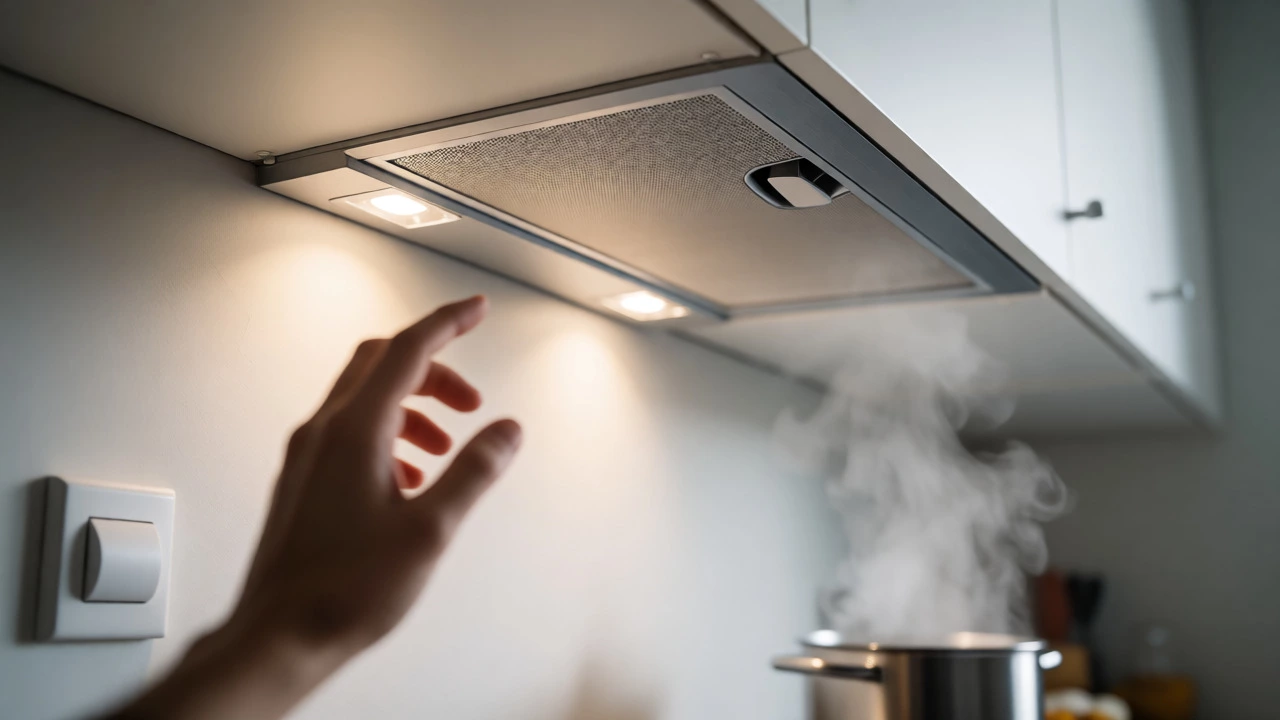
Extractor Fan Troubleshooter
Select the symptoms your extractor fan is showing to identify potential causes and solutions.
Likely Diagnosis
You turn on the switch, expect that familiar hum, and get... silence. Or worse, a grinding noise followed by nothing. It’s frustrating when your extractor fan stops working, especially if you’ve just cooked up a storm of garlic and onions. Before you call a professional or rush to buy a new unit, know this: most extractor fan failures are simple issues you can diagnose yourself in under an hour. From clogged filters to dead capacitors, the problem is rarely as complex as it seems.
The Most Obvious Culprit: Power Supply Issues
Before blaming the mechanics, check the electricity. It sounds basic, but it solves about 30% of cases. Start with the fuse box. If the breaker has tripped, reset it. If it trips again immediately, you have a short circuit somewhere in the wiring or the motor itself.
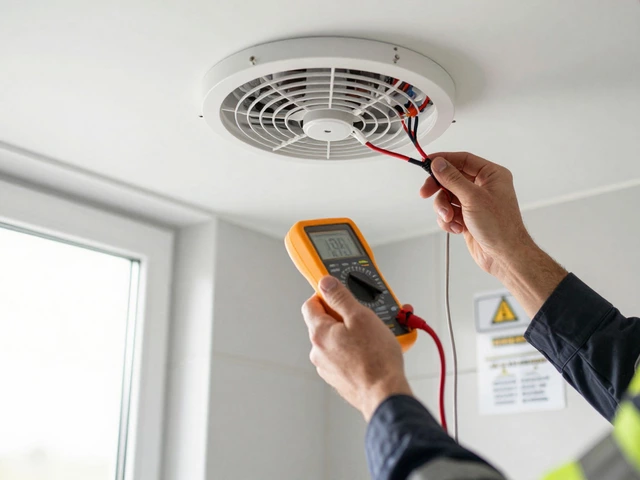
If the breaker is fine, check the wall switch. Is it loose? Does it click? A faulty switch might not be sending power to the fan. You can test this with a multimeter if you’re comfortable working with live circuits (always ensure safety first). Another sneaky issue involves timer units. Many modern fans have built-in timers that delay shutdown after cooking. If the timer mechanism fails, the fan might never start, even if the switch is on.
Dirty Filters and Blocked Ducts: The Silent Killers
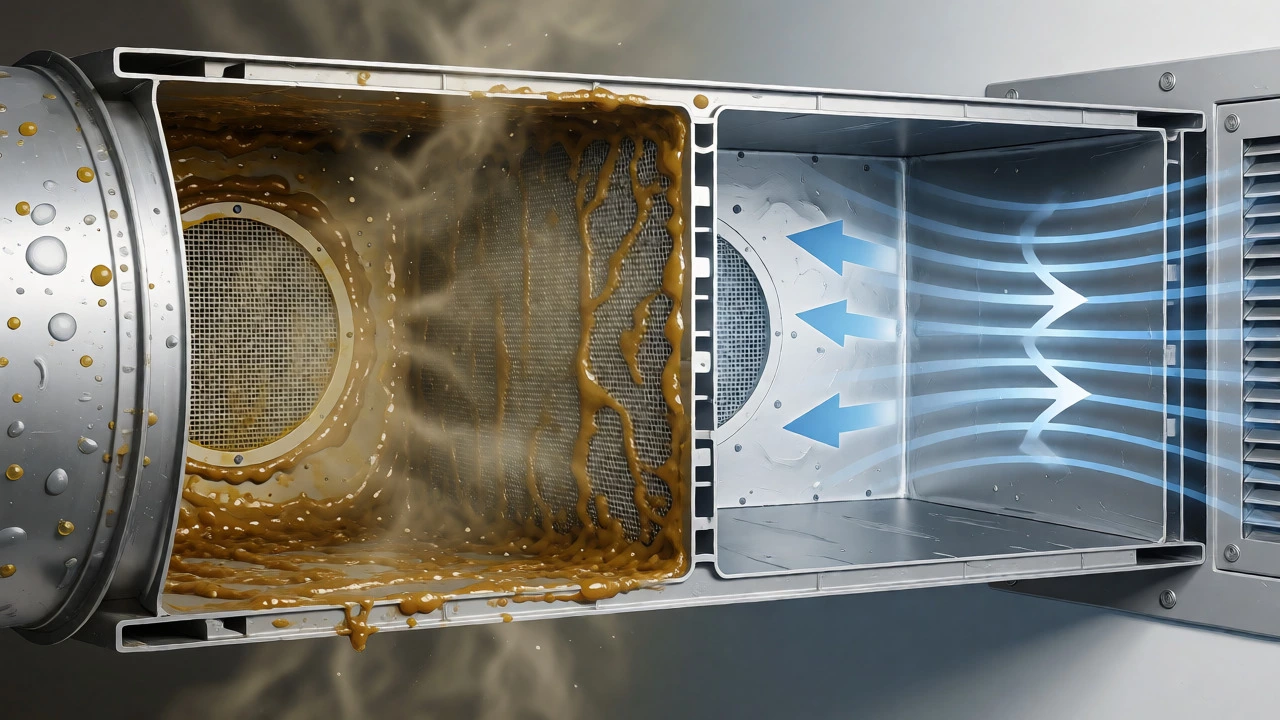
Grease is the enemy of ventilation. Over time, fat particles from cooking coat the fan blades and filters. This buildup doesn’t just make the fan noisy; it weighs down the motor. If the motor struggles too hard for too long, it overheats and burns out.
Here’s how to check:
- Remove the cover: Most fans have a clip-on or screw-on front panel.
- Inspect the filter: Metal mesh filters should be washed in hot soapy water. Charcoal filters (in recirculating models) need replacement every 3-6 months.
- Check the ducting: If air isn’t moving, the external vent flap might be stuck shut due to rust or debris. Birds’ nests are also common culprits in exhaust vents.
A blocked duct forces the fan to work against high pressure. This reduces efficiency drastically and strains the motor. If cleaning the filters doesn’t restore airflow, inspect the duct run outside. You might need to clear leaves or snow blocking the exterior grille.
Faulty Motor Capacitor: The Cheap Fix
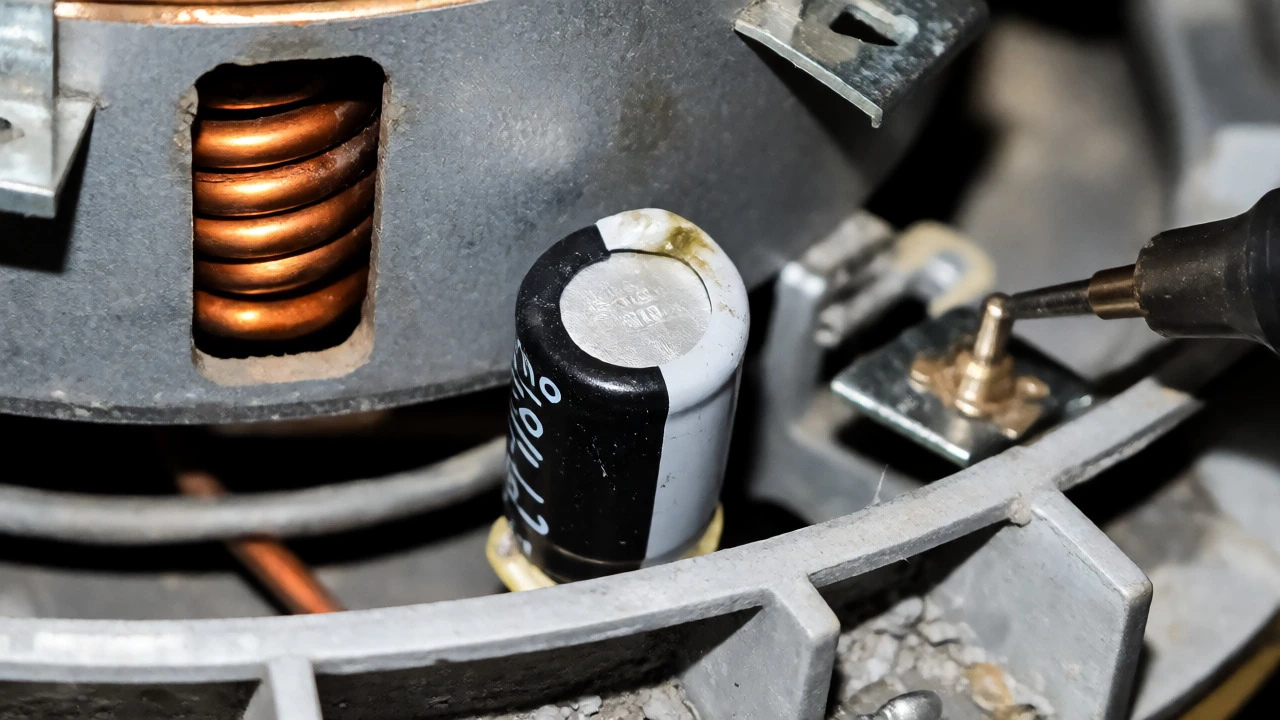
If the fan makes a humming sound but the blades don’t spin, or if you have to manually push the blades to get them going, the culprit is likely the capacitor. This small component gives the motor the initial torque needed to start spinning.
Capacitors degrade over time, especially in hot environments like kitchens. Replacing one costs less than £10 ($15) and takes minutes. Here’s what to look for:
- Unplug the fan.
- Locate the capacitor (usually a small cylinder attached to the motor).
- Check for physical signs of damage: bulging tops or leaking fluid.
- Test with a multimeter set to capacitance mode. Compare the reading to the value printed on the side (e.g., 1.5µF).
If the measured value is significantly lower than the rated value, replace it. Match the microfarad (µF) rating exactly, though voltage ratings can be equal or higher.
| Symptom | Likely Cause | DIY Fixability |
|---|---|---|
| No sound, no movement | Power supply, faulty switch, or burnt-out motor | Medium (requires multimeter) |
| Humming, blades stuck | Failed start capacitor or seized bearings | High (capacitor is cheap/easy) |
| Loud rattling/vibration | Loose screws, unbalanced blades, or worn bearings | High (tighten or clean) |
| Poor extraction despite running | Clogged filters, blocked duct, or reverse polarity | High (cleaning/maintenance) |
Worn Bearings and Mechanical Seizure
Older fans use oil-impregnated sleeves or ball bearings. Grease dries out, leading to friction. You’ll hear a squealing or grinding noise before the fan stops entirely. If the motor shaft feels stiff when you try to turn it by hand (with power off), the bearings are shot.
For sleeve bearing motors, you can sometimes revive them by cleaning out old grease and applying fresh machine oil. However, if the shaft is scored or the housing is worn, replacement is better. Ball bearings generally last longer but are harder to service. In many budget-friendly fans, the motor is sealed, meaning bearing failure equals motor replacement.
Control Board and Wiring Failures
Modern smart extractors with humidity sensors or touch controls rely on electronic boards. Moisture from steam can corrode connections on these boards. If your fan works intermittently or only responds to certain buttons, inspect the control board for green corrosion or burnt traces.
Loose wire connectors are another frequent issue. Vibrations from the fan can wiggle plugs loose over years of operation. Reseating all internal connectors often resolves "ghost" problems where the fan acts up randomly.
When to Call a Professional vs. DIY
You can handle cleaning, capacitor swaps, and filter changes easily. But if you smell burning plastic, see smoke, or find scorched wiring, stop. These indicate electrical faults that pose fire risks. Also, if the fan is integrated into a complex HVAC system or requires dismantling ceiling tiles in a suspended ceiling, hiring an electrician saves time and ensures compliance with local building codes.
Consider the age of the unit. If your extractor is over 10 years old and needs a new motor, compare the repair cost to a new model. New fans are quieter and more energy-efficient. For example, replacing a £40 motor plus labor might cost nearly as much as buying a brand-new, high-efficiency unit with a warranty.
Preventive Maintenance Tips
To avoid future breakdowns, adopt these habits:
- Clean monthly: Wipe visible grease from covers and wash filters.
- Run longer: Let the fan run for 15-20 minutes after cooking to clear residual moisture and odors.
- Check external vents: Ensure nothing blocks airflow outside once a year.
- Listen early: Address strange noises immediately rather than waiting for total failure.
Can I replace an extractor fan capacitor myself?
Yes, provided you disconnect the power source completely. Use a multimeter to discharge the capacitor safely before handling. Match the microfarad (µF) rating exactly to the original part.
Why does my extractor fan smell like burning?
A burning smell usually indicates overheating components. This could be dust accumulating on the motor windings, a failing capacitor releasing gas, or insulation melting on wires. Turn off the fan immediately and inspect for scorch marks.
How often should I replace charcoal filters?
Charcoal filters cannot be washed and typically need replacement every 3 to 6 months, depending on usage frequency. Heavy cooking accelerates saturation, reducing odor absorption effectiveness.
Is it worth repairing an old extractor fan?
If the repair cost exceeds 50% of the price of a new unit, replacement is usually smarter. Newer models offer better energy efficiency and lower noise levels, providing long-term savings.
What causes an extractor fan to vibrate excessively?
Excessive vibration often results from loose mounting screws, accumulated grease causing blade imbalance, or worn motor bearings. Tightening fixtures and cleaning blades usually resolves minor vibrations.