🔍 Fridge Cooling Failure Diagnostic Tool
Step 1: Describe Your Symptoms
Select all symptoms that apply to your refrigerator. The more accurate your selection, the better the diagnosis.
Diagnosis Results
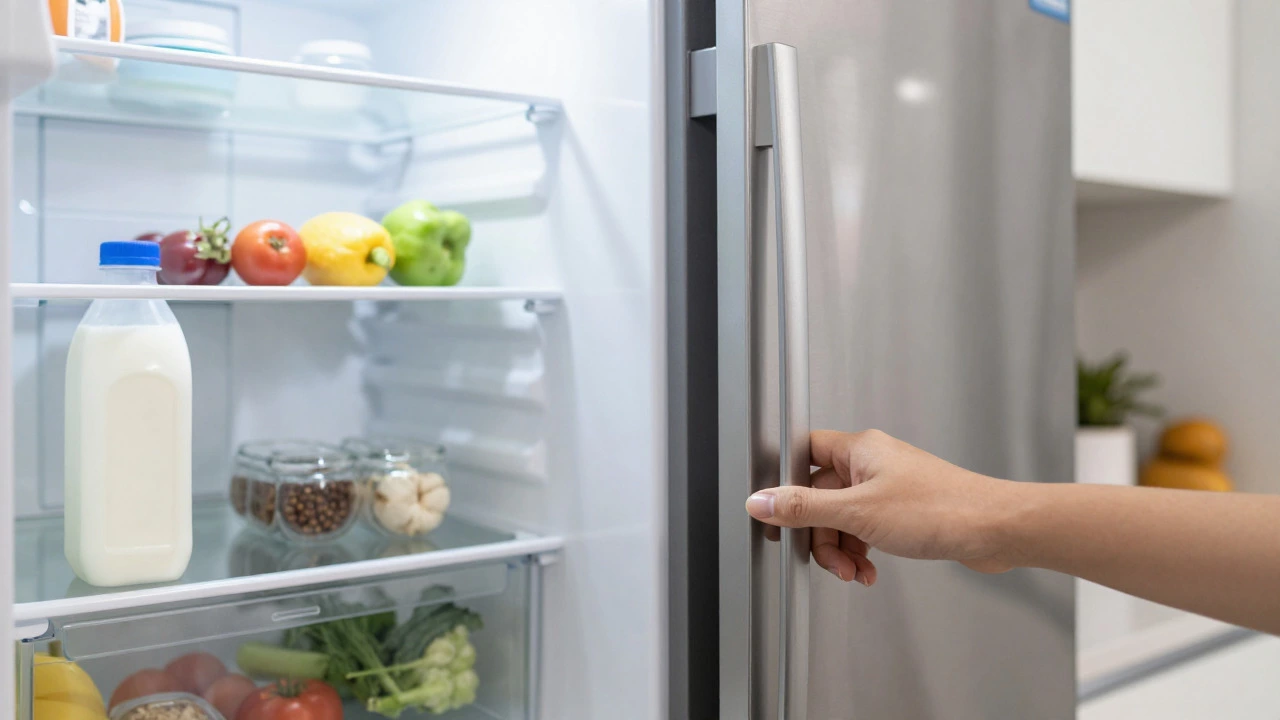
It’s the worst feeling in the kitchen. You open the door to grab a cold drink, the interior light flickers on brightly, but the air inside feels like a warm room. Your food is at risk, and you’re wondering if you need a new appliance or just a quick fix. This specific symptom-light working, no cooling-is one of the most common issues reported by homeowners in Brisbane and across Australia. It usually points to a mechanical or electrical fault within the refrigeration cycle rather than a power supply problem.
Since the light works, we know your fridge is getting electricity. The issue lies in how that electricity is being converted into cold air. Below, we break down the exact components likely causing this, how to test them safely, and when it’s time to call a professional.
Quick Summary / Key Takeaways
- The light being on confirms power is reaching the unit, isolating the fault to the cooling mechanism itself.
- The three most common culprits are a failed compressor, a stopped evaporator fan, or a blocked defrost drain.
- You can diagnose many of these issues with simple listening tests and visual checks before calling a repairer.
- Compressor failures are expensive; check simpler fixes like condenser coil cleaning first.
- If the compressor hums but doesn’t run, the start relay or capacitor may be the cheap part that needs replacing.
Understanding the Refrigeration Cycle Failure
To understand why the cooling stopped, you need to grasp the basic loop of a refrigerator. Refrigerant is a chemical fluid that circulates through pipes, absorbing heat from inside the box and releasing it outside via the back coils. This process relies on two main mechanical drivers: the compressor and the fans.
When the light is on but the fridge isn’t cold, the circuit is broken somewhere in this loop. The electricity flows to the bulb (which has low resistance) but fails to drive the heavy-duty components needed for compression and airflow. Think of it like a car where the dashboard lights work, but the engine won’t turn over. The battery (power source) is fine, but the starter motor (compressor/fan) is stuck.
Step 1: Check the Compressor Status
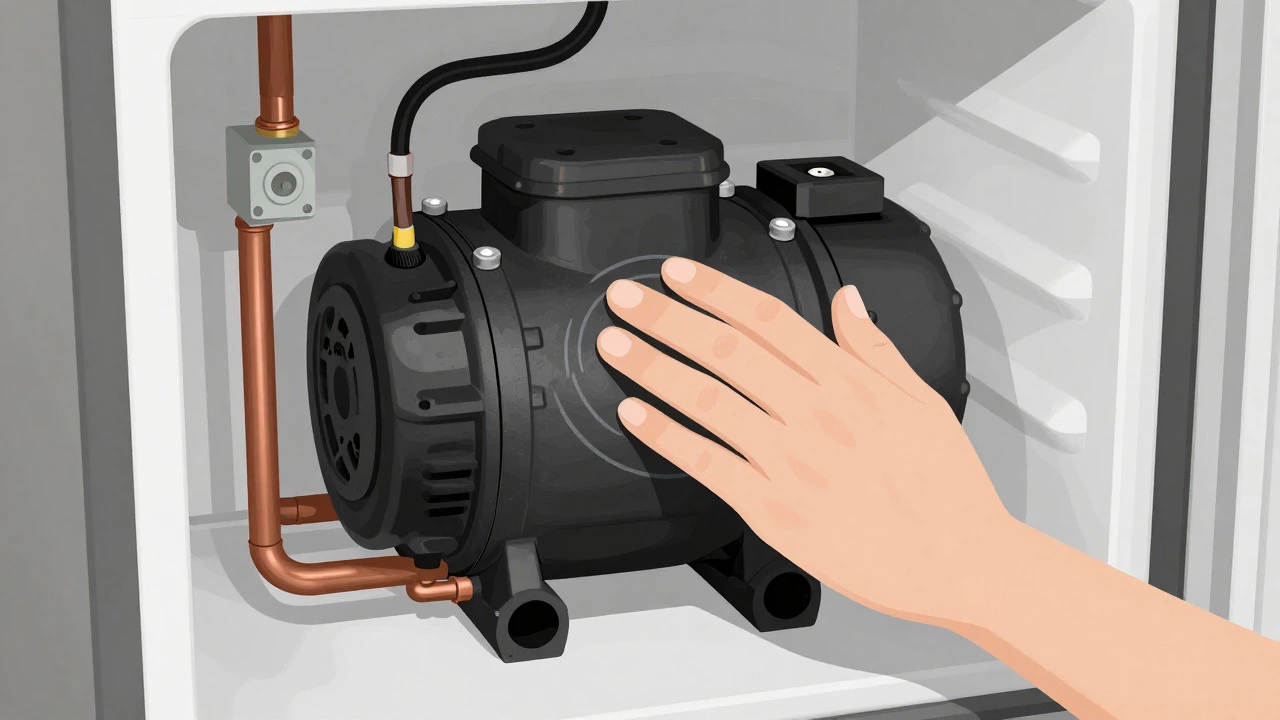
The compressor is the heart of the fridge. It pumps the refrigerant. If it stops, cooling stops immediately. Since the light is on, the fridge knows it should be running. Here is how to check if the compressor is alive:
- Listen closely: Go to the back or bottom of the fridge. Stand still for 30 seconds. Do you hear a deep, steady hum? Or a clicking sound every few seconds?
- Feel the vibration: Place your hand gently on the compressor housing. If it’s vibrating, the motor is trying to spin.
- Check the temperature: If the compressor is hot to the touch, it might be seized or short-circuited. If it’s cold and silent, it’s not receiving the signal to start.
Scenario A: Clicking Sound. If you hear a rhythmic *click... click... click* followed by silence, the compressor is trying to start but failing. This usually indicates a faulty Start Relay or a component that provides the initial jolt to get the compressor motor spinning. This is a relatively cheap fix ($50-$100 including parts) compared to replacing the whole compressor.
Scenario B: Silent Compressor. If there is no noise at all, the control board might not be sending power to the compressor. This could be a tripped thermal fuse or a failed control board. Thermal fuses are safety devices that cut power to the compressor if it overheats. They are inexpensive but require multimeter testing to confirm.
Step 2: Investigate the Evaporator Fan Motor
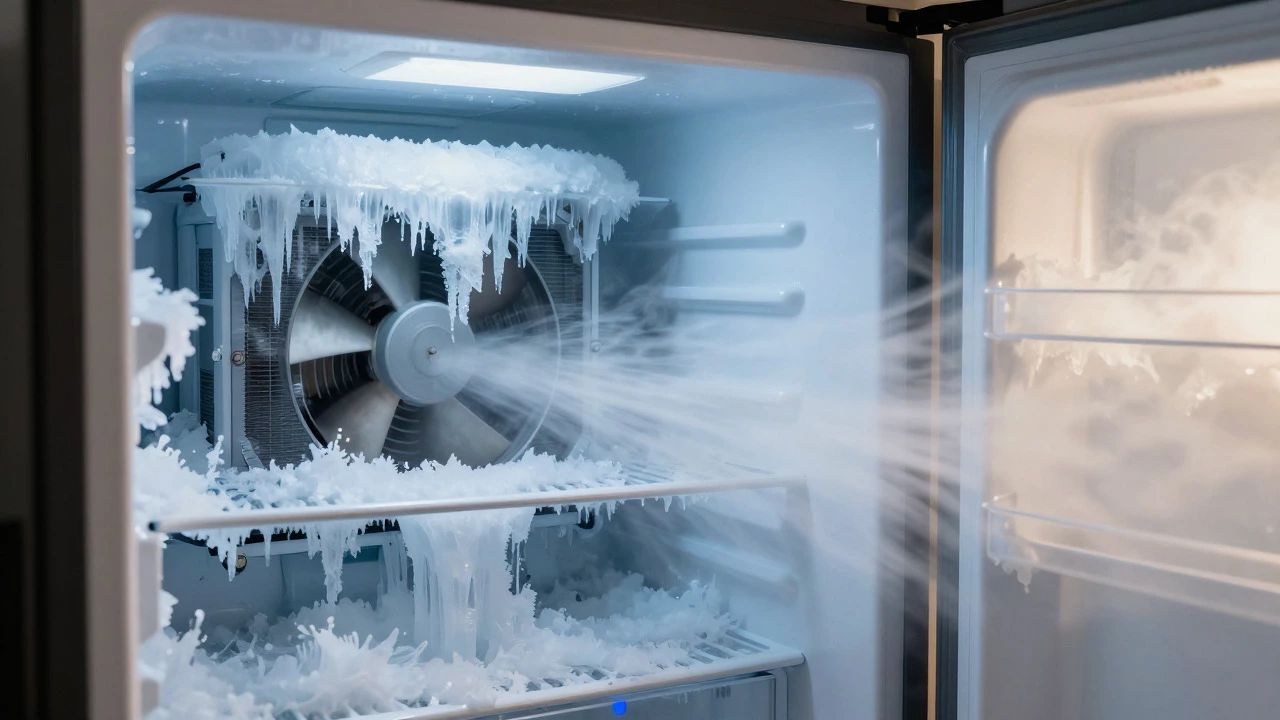
In many modern fridges, especially those with frost-free systems, an Evaporator Fan is a small electric motor located behind the freezer panel that blows cold air over the ice-coated coils and pushes it into the fridge compartment. If this fan dies, the freezer might stay cold for a while (due to residual ice), but the fresh food section will warm up quickly because the cold air isn’t circulating.
How to test this:
- Open the freezer door and listen. Do you hear a whirring sound? If it’s silent, the fan might be off.
- Look for ice buildup. If the fan is blocked by ice, it will stop spinning. This often happens when the defrost system fails (see next section).
- Check the airflow. Put your hand near the vents in the freezer. Can you feel air moving? If not, the fan is likely dead or obstructed.
A dead evaporator fan motor is a common replacement. It’s a sealed unit that usually costs between $80 and $150 for parts and labor. However, don’t replace it blindly if the defrost heater is also broken, as the ice will build up again and kill the new fan.
Step 3: Defrost System Malfunctions
Frost-free fridges have a timer that periodically shuts off the compressor and turns on a heating element (the Defrost Heater) to melt ice off the evaporator coils. If this system fails, ice builds up on the coils until they are completely covered.
When the coils are encased in ice, the refrigerant can’t absorb heat, and the fan gets blocked. The result? The light stays on, but the fridge stops cooling. Signs of a defrost failure include:
- Thick layers of ice on the back wall of the freezer.
- The fridge runs constantly without cycling off.
- Loud gurgling sounds stopping abruptly.
The defrost system consists of three main parts: the defrost heater, the defrost thermostat (or bimetal strip), and the defrost timer (or control board). Any of these can fail. Testing requires a multimeter to check for continuity. If the heater has no continuity, it’s burnt out. If the thermostat opens when it shouldn’t, it’s faulty. These parts are generally affordable, making this a very cost-effective repair if diagnosed correctly.
Step 4: Condenser Coil Cleaning
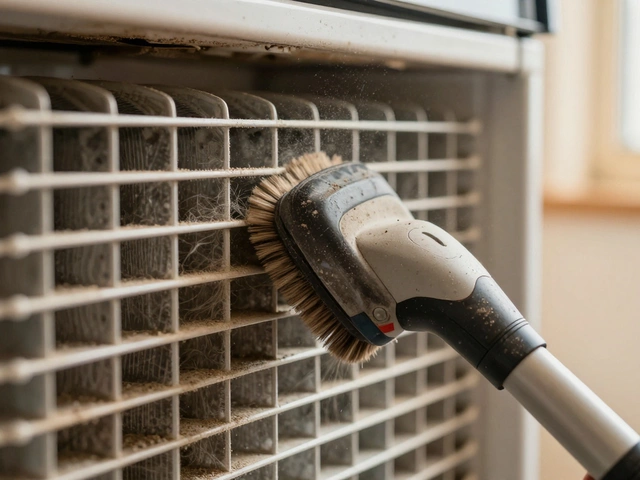
Before you tear anything apart, try the simplest fix: clean the condenser coils. Located at the back or under the front grille of your fridge, these coils release heat. If they are clogged with dust, pet hair, or debris (common in households with pets), the compressor has to work much harder. Eventually, it may overheat and shut down via the thermal protector, leaving the light on but the cooling off.
Cleaning these coils takes 15 minutes and costs nothing. Use a vacuum with a brush attachment or a specialized coil comb. If the fridge starts cooling after cleaning, you’ve solved the problem. If not, move to the electrical diagnostics above.
Comparison of Common Faults
| Component | Symptom Indicator | Estimated Repair Cost (AUD) | DIY Difficulty |
|---|---|---|---|
| Dirty Condenser Coils | Compressor hot, high energy bill, gradual warming | $0 - $50 (Service fee only) | Easy |
| Failed Start Relay | Clicking sound, compressor won't start | $150 - $300 | Moderate |
| Dead Evaporator Fan | No air movement in freezer, light on | $200 - $400 | Moderate |
| Defrost Heater/Timer | Heavy ice buildup, constant running | $250 - $450 | Hard |
| Seized Compressor | Silent or loud humming, no cooling, high amperage draw | $600 - $1,200+ | Professional Only |
When to Call a Professional
While some of these fixes are DIY-friendly, others involve handling pressurized gas or complex electronics. You should call a licensed appliance repair technician if:
- The compressor is silent and the thermal fuse is blown (indicates a deeper electrical issue).
- You suspect a refrigerant leak (oil stains around the compressor).
- The fridge is older than 10 years and the compressor fails (repair cost may exceed replacement value).
- You are uncomfortable using a multimeter or accessing internal components.
In Brisbane, average service call-out fees range from $90 to $150, plus parts. Always ask for a quote before major repairs. If the compressor needs replacing, weigh the cost against buying a new energy-efficient model, which may save you money on electricity bills over time.
Frequently Asked Questions
Can I fix my fridge myself if the light is on but it's not cooling?
Yes, for issues like dirty coils, a bad start relay, or a frozen defrost drain. These are accessible and safe for most homeowners. However, compressor replacement and refrigerant refills require a licensed technician due to pressure and environmental regulations.
Why does my fridge make a clicking sound but not cool?
A repeating click usually means the start relay is failing. The relay tries to engage the compressor, fails, trips the overload protector, and then tries again. Replacing the start relay kit is a standard and relatively inexpensive repair.
Is it worth repairing an old fridge with a compressor failure?
Generally, no. If your fridge is over 10 years old, the repair cost (often $600+) is close to the price of a new entry-level model. Newer models are also more energy-efficient, which offsets the purchase price over a few years. For newer units (under 5-7 years), repair is usually worthwhile.
Does the freezer stay cold if the fridge isn't cooling?
It depends on the type of failure. If the evaporator fan is dead, the freezer might stay cold initially because the coils are right there. If the compressor fails, both sections will warm up eventually. If the defrost system fails, the freezer may actually get colder due to ice buildup blocking airflow, while the fridge warms up.
How long does a fridge repair take?
Most diagnostic visits take 30-60 minutes. Simple repairs like changing a start relay or cleaning coils can be done in under an hour. Complex repairs involving defrost systems or compressor replacement may take 2-4 hours, depending on access and part availability.