Water Heater Safety & Reset Simulator
Step 1: Symptom Check
Select any symptoms you are currently experiencing with your water heater.
Your symptoms indicate a serious hazard (electrical short, leak, or structural failure). Pressing the reset button may be dangerous.
No critical hazards detected. Follow the guided reset procedure below carefully.
Waiting for instructions...
Safety Checklist
Ready to Reset
Ensure all checkboxes above are marked. Click the red button below firmly until you hear a click.
Reset Successful!
The High Limit Switch has been re-engaged.
- Replace insulation and access panels securely.
- Restore power/gas.
- Set thermostat to 120°F (49°C).
- Monitor for 24 hours. If it trips again, call a pro.
You step into the shower, expecting a warm rinse after a long day. Instead, you get an icy blast that makes you jump back. You check the dial-it’s set correctly. You look at the unit and see a small red button labeled "Reset." It seems like the obvious fix. But before you reach out and press it, ask yourself: is this actually safe?
The short answer is yes, but only if you understand why the button tripped in the first place. That reset button isn’t just a convenience feature; it’s a critical safety device called the High Limit Switch (HLS). It trips when your water heater gets dangerously hot. If you just press it without checking for underlying issues, you might be ignoring a serious hazard.
What Exactly Is That Red Button?
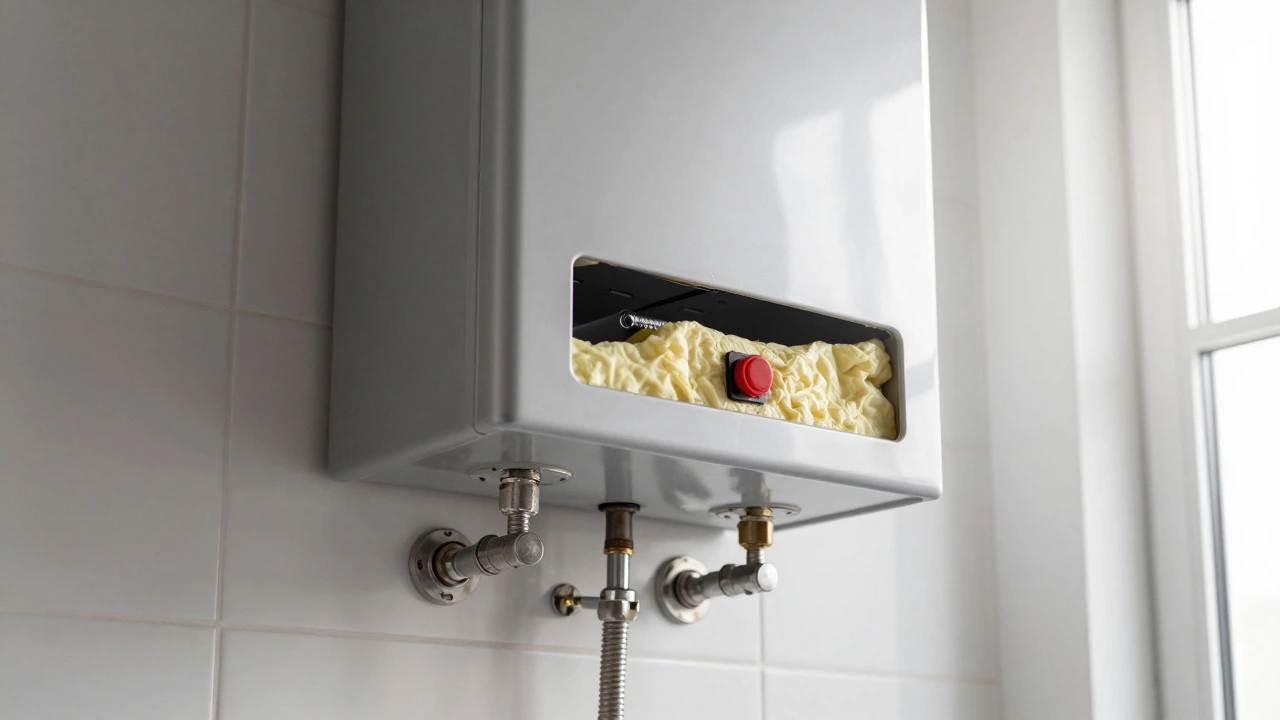
To understand if pressing the button is safe, you need to know what it does. Inside your tank-style water heater, there are two thermostats controlling heating elements (in electric models) or gas valves (in gas models). The lower thermostat handles daily heating. The upper thermostat works with the High Limit Switch.
The High Limit Switch is designed to cut power or gas flow if the water temperature exceeds a safe limit-usually around 150°F to 160°F (65°C to 71°C). When this happens, the switch physically pops out. This is the "trip." It prevents the tank from overheating, which could lead to scalding injuries or, in extreme cases, a rupture of the tank due to excessive pressure.
Think of it like a circuit breaker in your home’s electrical panel. When a circuit overloads, the breaker flips to stop the current. You can flip it back on, but if the overload was caused by a short circuit, flipping it back on without fixing the wire will just cause it to trip again-or worse, start a fire.
Why Did the Button Trip in the First Place?
Before you touch that button, you need to diagnose the trigger. There are three common reasons a high limit switch trips:
- A Faulty Thermostat: This is the most common culprit. If the thermostat fails, it might keep sending power to the heating element even after the water reaches the desired temperature. The water keeps getting hotter until the safety switch kicks in.
- Sediment Buildup: Over years, minerals from hard water settle at the bottom of the tank. This layer of sediment acts as an insulator between the heating element and the water. The element gets superheated because it can’t transfer heat efficiently, causing localized overheating that trips the switch.
- Electrical Shorts or Wiring Issues: In older units, frayed wires or loose connections can cause arcing or inconsistent power delivery, confusing the thermostat and leading to overheating.
If you don’t address these root causes, pressing the reset button is temporary. The heater will run for a few hours or days, then trip again. Repeatedly resetting a faulty system wears down the components and increases the risk of failure.
Step-by-Step: How to Safely Reset Your Water Heater
If you’ve determined that the issue might be a simple glitch rather than a major mechanical failure, here is how to proceed safely. Safety is paramount because you are dealing with electricity, gas, and very hot water.
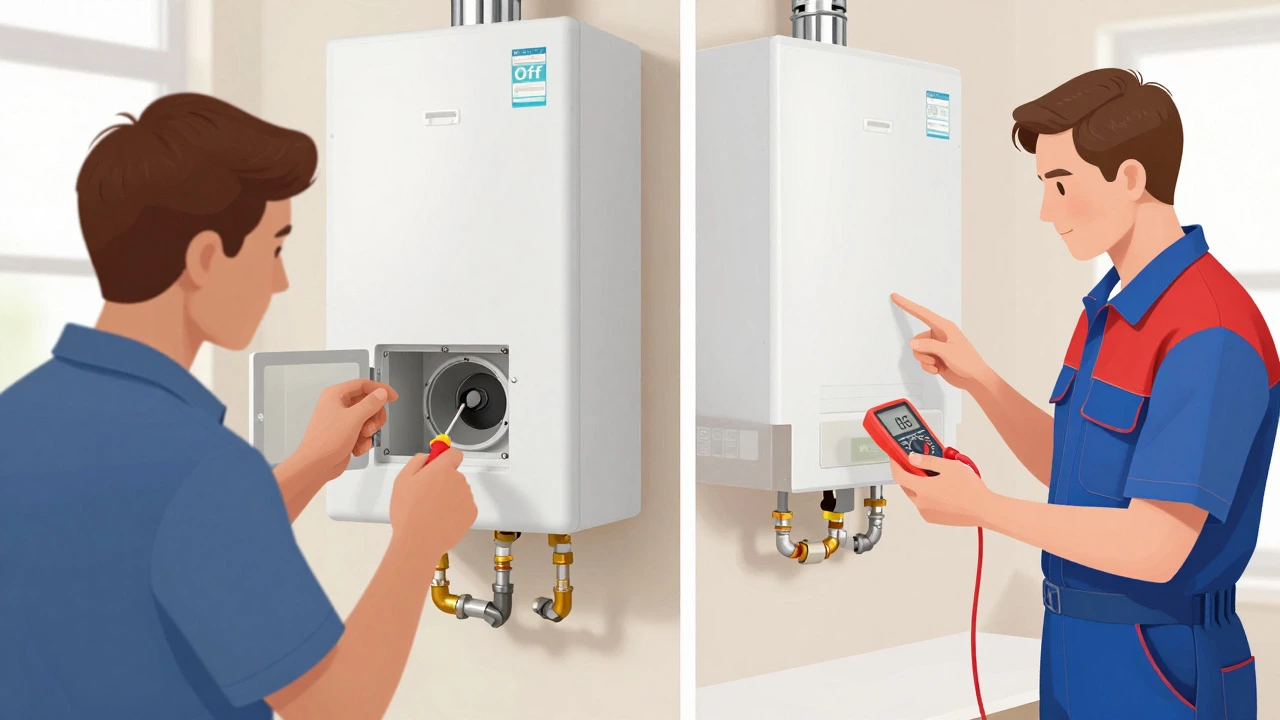
- Turn Off the Power Source: For electric heaters, go to your main circuit breaker box and flip the switch for the water heater to "Off." For gas heaters, turn the gas control valve to "Pilot" or "Off." Never work on an energized unit.
- Wait for Cooling: Give the tank at least 30 minutes to cool down. This reduces internal pressure and protects you from burns when removing access panels.
- Remove Access Panels: Use a screwdriver to remove the metal covers near the top of the tank where the thermostat and reset button are located. You’ll likely find insulation behind them; pull it back gently.
- Check for Gas Leaks (Gas Units Only): If you have a gas heater, use a soap-and-water solution on the gas line connections. Bubbles indicate a leak. If you smell gas or see bubbles, do not reset anything. Call a professional immediately.
- Press the Reset Button: Locate the red button. It should be recessed. Press it firmly until you hear a click. This indicates the switch has re-engaged.
- Restore Power/Gas: Replace the insulation and access panels securely. Turn the circuit breaker back on or the gas valve to "On." Set the thermostat to a normal setting, usually 120°F (49°C).
When Should You NOT Press the Button?
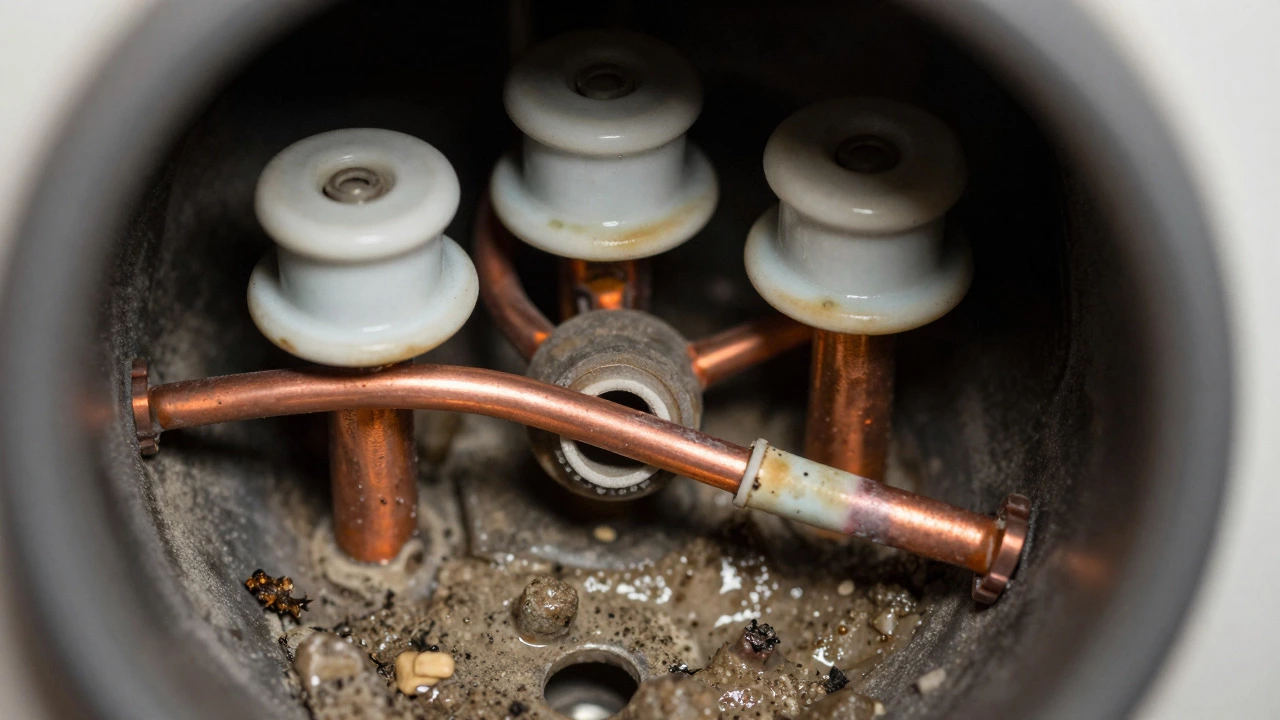
There are specific scenarios where pressing the reset button is a bad idea. Ignoring these signs can lead to costly damage or danger.
| Symptom | Likely Cause | Risk Level |
|---|---|---|
| Burning smell or smoke | Electrical short or melted wiring | High |
| Visible water leakage from tank | Corroded tank or failed pressure relief valve | High |
| Button trips repeatedly within hours | Faulty thermostat or severe sediment buildup | Medium |
| Popping or rumbling noises | Heavy sediment scale | Low-Medium |
| Unit is over 10-12 years old | General wear and tear, potential corrosion | Medium |
If your water heater is leaking, the problem is structural. No amount of resetting will fix a hole in the tank. If the button trips again within a few hours, your thermostat is likely stuck in the "on" position. Continuing to reset it puts stress on the heating elements and the tank itself.
The Hidden Danger: Sediment and Efficiency
Even if the reset works, you might be dealing with sediment buildup. This is especially common in areas with hard water. As mentioned earlier, sediment insulates the heating element. This means your water heater has to work harder and longer to heat the same amount of water.
This inefficiency spikes your energy bills. According to the Department of Energy, water heating accounts for about 18% of a home’s energy usage. A heavily scaled tank can increase this cost by 10-20%. Flushing the tank annually removes this sediment, improves efficiency, and prevents the overheating that triggers the reset button.
To flush the tank, attach a garden hose to the drain valve at the bottom of the heater, run the other end to a floor drain, and open the valve. Let the water run until it comes out clear. This maintenance task takes less than an hour and can extend the life of your unit by several years.
Electric vs. Gas: Does It Matter?
The principle of the reset button is similar for both electric and gas water heaters, but the risks differ slightly.
In electric water heaters, the primary risk is electrical shock. Always ensure the breaker is off before touching any internal components. The heating elements themselves can fail independently of the thermostat, so if one element burns out, it can cause uneven heating and trip the high limit switch.
In gas water heaters, the risk involves combustion gases. If the pilot light goes out or the thermocouple fails, gas might build up. While the reset button deals with temperature limits, ensuring proper ventilation and combustion is crucial. If you notice soot around the burner or a yellow flame instead of blue, call a technician. These are signs of incomplete combustion, which produces carbon monoxide.
Cost-Benefit Analysis: DIY Reset vs. Professional Service
Pressing the button costs nothing. However, if the underlying issue persists, you face recurring inconvenience. A professional plumber or HVAC technician can diagnose the root cause quickly.
Replacing a thermostat typically costs between $100 and $300, including labor. Replacing a heating element is similar. If the tank itself is corroded, replacement is the only option, which ranges from $1,000 to $3,000 depending on capacity and type (tankless vs. storage). Comparing the cost of a service call ($75-$150) against the risk of a flooded basement or electrical fire often makes professional diagnosis the smarter financial choice for older units.
How many times can I press the reset button on my water heater?
You can press it as many times as needed, but if it trips more than once or twice in a short period, stop. Repeated tripping indicates a persistent fault like a bad thermostat or heavy sediment buildup. Continued resetting without fixing the cause can damage the unit further.
Will pressing the reset button void my warranty?
Generally, no. Resetting the high limit switch is considered basic user maintenance. However, if you remove panels incorrectly and damage components, or if you ignore a covered defect that leads to further damage, the warranty might be affected. Check your manufacturer's manual for specific terms.
What is the difference between the reset button and the thermostat?
The thermostat controls the target temperature and turns the heating element on and off. The reset button (High Limit Switch) is a safety backup that cuts power if the thermostat fails and the water gets too hot. They work together, but the reset button is purely for emergency shutoff.
Can a tripped reset button cause a fire?
The button itself prevents fires by cutting power during overheating. However, if the wiring behind the button is damaged or if you reset it while a short circuit exists, it could potentially contribute to an electrical fire. Always inspect for burn marks or smells before resetting.
How often should I flush my water heater to prevent resets?
It is recommended to flush your water heater once a year. In areas with very hard water, flushing every six months may be necessary. Regular flushing removes sediment that causes overheating and extends the lifespan of the heating elements.