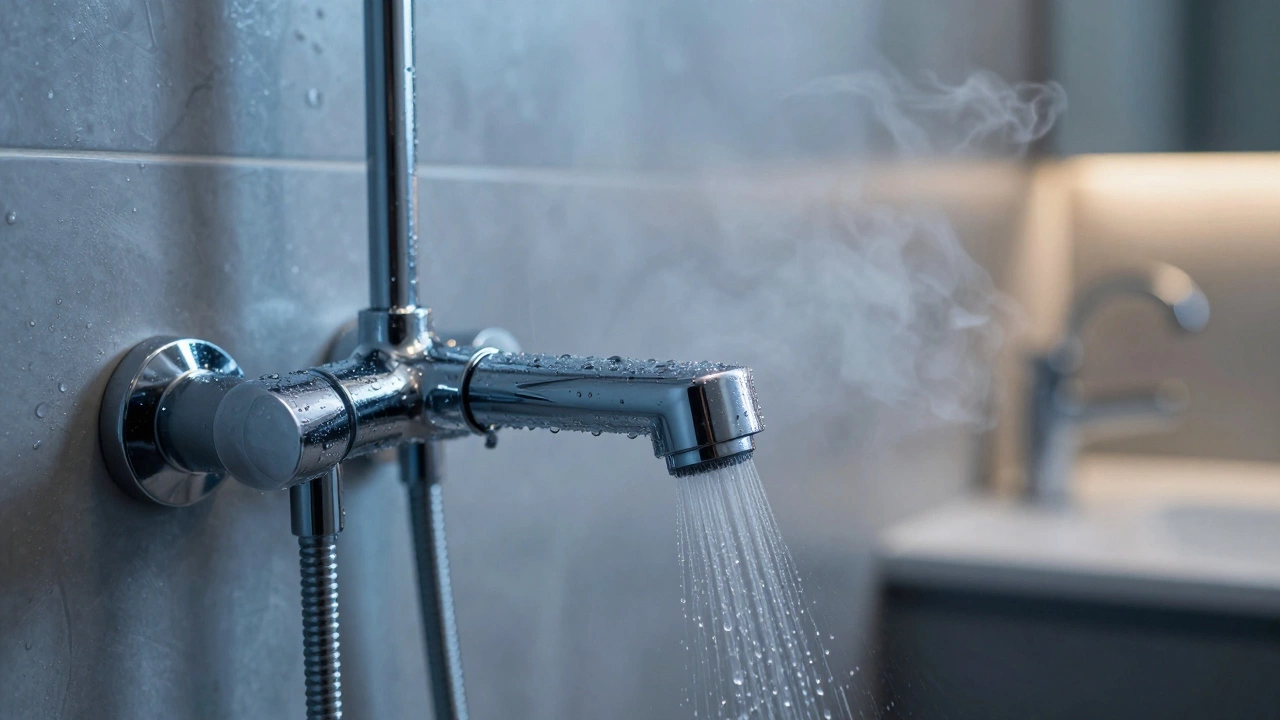
Shower Troubleshooting Assistant
1. Initial Check
CurrentVerify hot water elsewhere.
2. Showerhead Test
PendingCheck for clogs.
3. Diverter Test
PendingTest tub spout flow.
4. Air Lock Test
PendingBleed the system.
5. Mixing Valve Check
PendingAnalyze temperature control.
Quick Summary / Key Takeaways
- If your kitchen sink and bath have hot water but the shower is cold, your water heater is likely fine. The issue is almost always in the plumbing connections specific to the shower.
- The most common culprit is a stuck or broken diverter valve, which fails to redirect water from the tap to the showerhead.
- A faulty mixing valve can also cause temperature issues, often due to debris buildup or worn seals inside the wall.
- Cold water supply lines getting crossed or restricted flow can mimic a heating failure even when the tank is working perfectly.
- Simple fixes include cleaning aerators and checking diverters; complex fixes like replacing internal valves require professional plumbing work.
You turn on the shower, expecting warmth, but only icy water comes out. You check the kitchen tap-hot. You check the bathtub-hot. It’s frustrating because it feels like your entire home’s heating system has failed, yet the evidence points elsewhere. This specific scenario-cold shower but hot water everywhere else-is one of the most common plumbing mysteries homeowners face. Since you live in Brisbane, where we rely heavily on our showers year-round, this problem disrupts daily life quickly.
The good news? Your water heater is probably doing its job just fine. If hot water reaches other fixtures, the tank is heating up, the thermostat is set correctly, and the main gas or electric supply is active. The bottleneck is localized between your water heater and that specific shower fixture. Let’s walk through exactly why this happens and how to fix it without unnecessary panic or expensive guesses.
The Diverter Valve: The Usual Suspect
In many homes, especially those with traditional tub-and-shower combos, the water doesn’t come directly from the pipes into the showerhead. Instead, it travels to the tub spout first. A small mechanism called a diverter valve sits above the spout. When you lift the handle or pull the knob, this valve closes off the path to the tub spout and redirects the water upward to the showerhead.
Here is the catch: if the diverter valve gets stuck, clogged with mineral deposits, or breaks internally, it might fail to close the tub spout completely. Or worse, it might not open the path to the showerhead at all. In some cases, water leaks past the diverter into the tub spout (which you might see as a slow trickle) while barely any pressure reaches the shower. But sometimes, the issue is subtler. The diverter might be allowing cold water to mix in incorrectly, or it simply isn’t engaging the hot water line properly due to wear and tear.
To test this, try running the shower for a minute. Then, quickly switch the diverter back to the tub spout position. Does hot water rush out of the tub spout now? If yes, your diverter is likely failing to seal or redirect properly. This is a cheap part to replace, but accessing it usually requires removing the trim plate and possibly drilling out old caulk. It’s a DIY-friendly fix if you’re handy, but don’t force it-plastic components can crack under pressure.
Mixing Valve Malfunctions
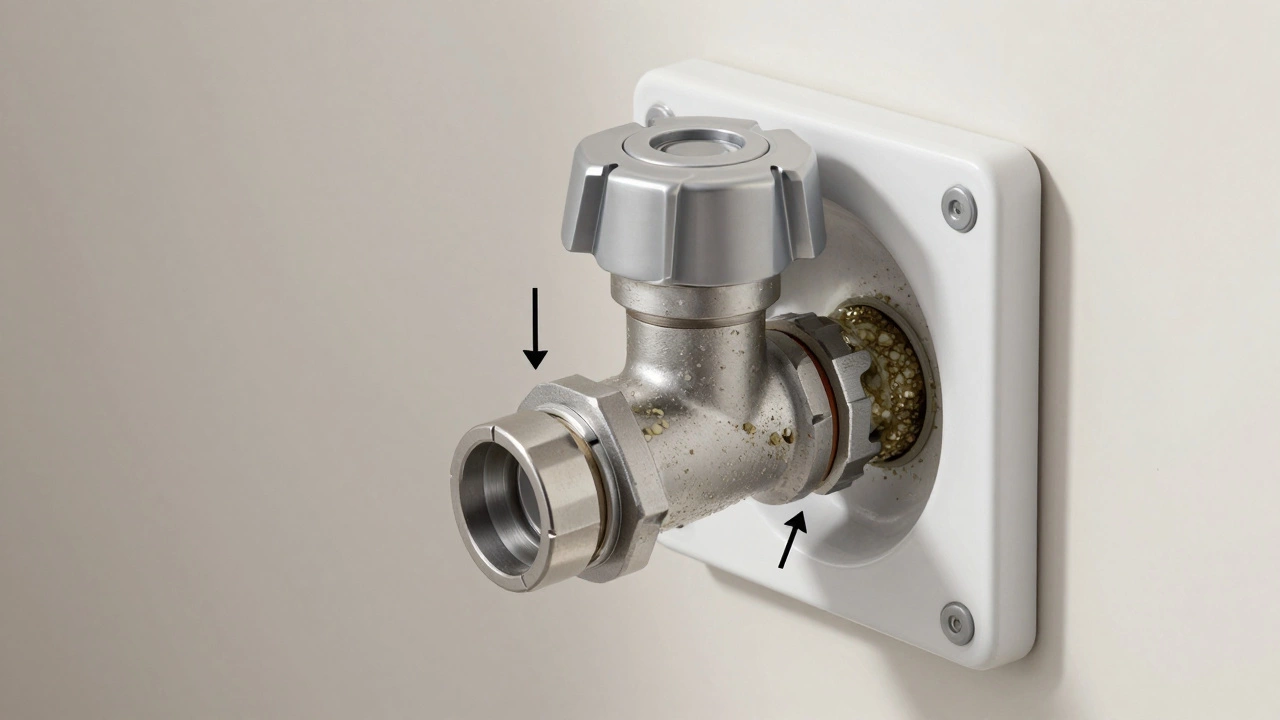
If you have a modern shower setup, particularly one with a single-handle control or a thermostatic mixer, the problem might lie deeper in the wall. A mixing valve combines hot and cold water before sending it to the showerhead. These valves contain rubber washers, springs, and ceramic discs that regulate flow and temperature.
Over time, these internal parts degrade. Rubber seals harden, springs lose tension, and sediment from your local water supply (even treated Brisbane water has minerals) can build up inside the valve body. If the hot water side of the mixing valve gets blocked by debris, no amount of heat from your tank will reach the showerhead. The cold water flows freely, but the hot water path is obstructed. This explains why other taps work-they have their own separate valves or direct feeds.
Symptoms of a bad mixing valve include:
- Temperature fluctuates wildly when you adjust the handle slightly.
- No hot water at all, despite the handle being fully turned to 'hot'.
- Low pressure specifically in the shower, while other fixtures maintain normal flow.
Fixing a mixing valve is more involved than a diverter. You’ll need to shut off the water supply to the house, drain the lines, and cut into the drywall behind the shower panel to access the valve body. For most people, this is a job for a licensed plumber. Attempting it without proper tools can lead to leaks inside the wall, causing mold or structural damage-a nightmare in our humid climate.
Crossed Supply Lines or Air Locks
Less commonly, but still possible, the issue could be related to how the pipes are connected. During previous renovations or repairs, it’s possible for the hot and cold supply lines to the shower to get swapped. If the plumber accidentally connected the cold line to the hot inlet of your shower valve, you’d get cold water regardless of the setting. However, since you mentioned hot water works *everywhere else*, this suggests the main distribution is correct. So, look closer at the shower-specific connections.
Another possibility is an air lock. If you recently had water service interrupted or did maintenance on the heater, air bubbles might have trapped themselves in the pipe leading to the shower. Air is compressible and can block water flow entirely. Try turning on the shower and then briefly opening a nearby hot water tap (like the laundry sink). Sometimes, changing the pressure dynamics helps push the air bubble out. If the water starts flowing normally after this, you’ve solved it without calling anyone.
When It Might Actually Be the Water Heater
We said earlier that the water heater is likely fine, but there are edge cases. If your home uses a heat pump water heater or a large storage tank, consider the distance. Showers are often far from the heater. If the dip tube inside the tank is broken, cold water might be entering the top of the tank instead of sinking to the bottom. This means the first few liters of water drawn are scalding, but once that layer is gone, only lukewarm or cold water remains. If your shower takes longer to warm up than usual, or never gets truly hot, check the dip tube. However, this usually affects *all* fixtures eventually, not just the shower.
Also, check your thermostat. Some older heaters have dual thermostats. If one is set too low, it might not recover fast enough for high-flow demands. Turn on the shower and see if the water stays hot for five minutes. If it drops significantly, your recovery rate is insufficient, or the element is failing. But again, this would impact the kitchen too. Stick to the shower-specific diagnostics first.
DIY Troubleshooting Steps
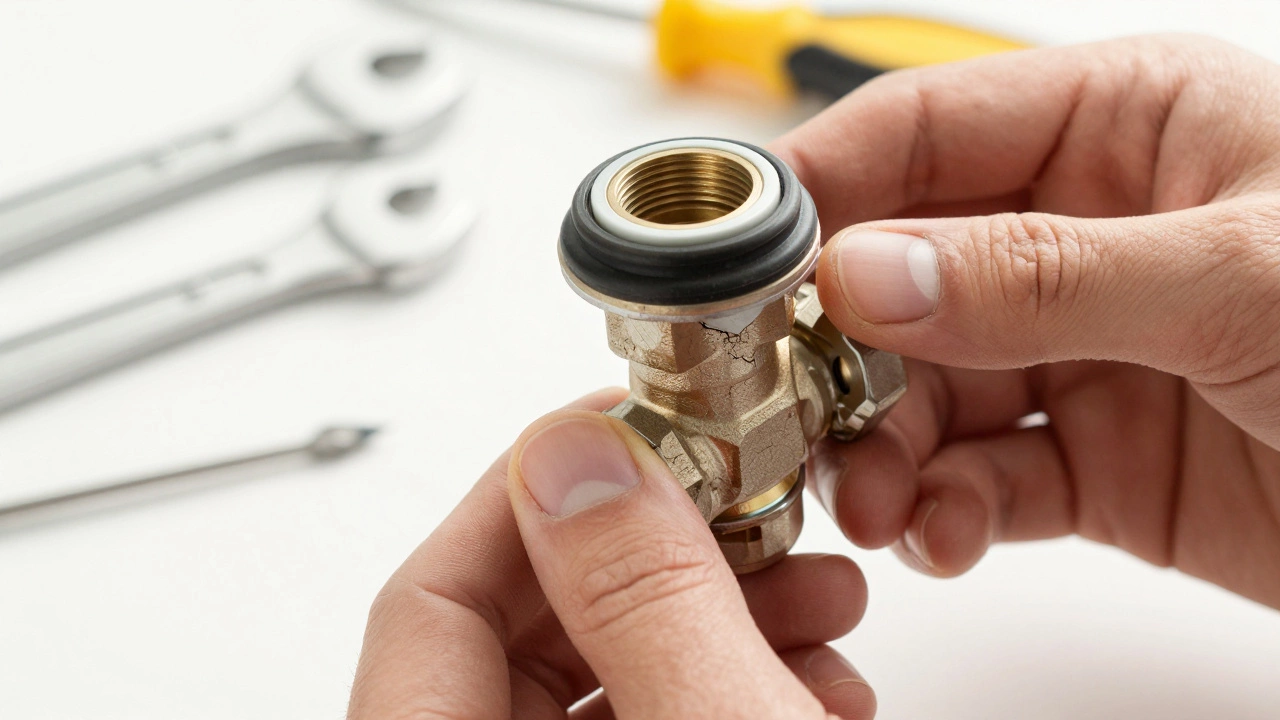
Before calling a pro, try these simple checks. They cost nothing and might save you a service fee.
- Check the Showerhead: Remove the showerhead and run the water through the hose. If it’s hot, the showerhead itself is clogged with limescale. Soak it in vinegar overnight.
- Test the Diverter: As mentioned, switch between tub and shower modes. Listen for hissing sounds, which indicate a leaky seal.
- Compare Pressure: Run the shower and another hot tap simultaneously. If the shower pressure drops drastically, you have a flow restriction in the shower line.
- Bleed the System: Open all hot water taps in the house for two minutes to flush out any air pockets.
Comparison Table: Common Causes vs. Symptoms
| Possible Cause | Key Symptom | Difficulty Level | Estimated Cost |
|---|---|---|---|
| Stuck Diverter Valve | Trickle from tub spout; weak shower flow | Easy-Medium | $50 - $150 (parts + labor) |
| Clogged Showerhead | Uneven spray pattern; low pressure | Easy | $0 - $30 (vinegar or new head) |
| Faulty Mixing Valve | No hot water; temperature swings | Hard | $300 - $800 (plumber required) |
| Air Lock | Sputtering water; intermittent flow | Easy | $0 |
| Broken Dip Tube | Hot water lasts only a few seconds | Medium | $150 - $400 |
When to Call a Professional
If you’ve ruled out the showerhead and the diverter, and bleeding the system didn’t help, the issue is likely inside the walls. Trying to dismantle a mixing valve without experience can lead to catastrophic leaks. In Brisbane, water damage repair costs are high due to humidity and mold risks. Hire a licensed plumber who specializes in water heater repair and general plumbing. Ask them to inspect the mixing valve seals and check for hidden corrosion in the supply lines. They can also verify if your water pressure is balanced correctly across all fixtures.
Don’t ignore the problem. A failing valve can worsen, potentially damaging your bathroom tiles or subfloor. Addressing it early keeps repair costs manageable and ensures you enjoy hot showers again soon.
Can a broken dip tube cause only the shower to be cold?
Usually, a broken dip tube affects all fixtures because it mixes cold water into the entire tank. However, if your shower is the furthest point from the heater, it might be the first to feel the drop in temperature as the hot water layer depletes. Other taps closer to the tank might retain heat longer.
How do I know if my diverter valve is bad?
Signs include water leaking from the tub spout when the shower is on, a hissing sound when switching modes, or weak pressure in the shower. If lifting the diverter handle feels loose or doesn't click firmly, the internal mechanism is likely worn out.
Is it expensive to replace a mixing valve?
Yes, it can be costly. Parts range from $100 to $300, but labor is significant because the plumber must access the valve inside the wall. Expect total costs between $300 and $800 depending on accessibility and the brand of the valve.
Could my water heater be broken if other taps have hot water?
It’s unlikely. If multiple fixtures have hot water, the heater is functioning. The issue is isolated to the shower's plumbing path. Focus on the showerhead, diverter, and mixing valve first.
Can mineral deposits block hot water flow?
Absolutely. Limescale can accumulate in the mixing valve cartridges or showerhead nozzles, restricting hot water flow more than cold due to temperature differences in expansion. Cleaning with vinegar or descaling agents often resolves this.