Magnetron Failure Diagnostic Tool
Check the boxes below that apply to your microwave's current behavior. This tool will help you assess the likelihood of a magnetron fault and provide a cost comparison for repair vs. replacement.
Select symptoms and click Analyze
There is a specific sound that every homeowner dreads. It’s not the hum of the fridge or the click of the kettle; it’s the high-pitched, metallic screech coming from your kitchen corner while your dinner sits cold on the counter. You press 'Start', wait ten seconds, and then hear nothing but a faint buzzing. The food isn't hot. The light works. The turntable spins. So, what gives?
In most cases where the microwave runs but fails to heat, the culprit is the magnetron is the vacuum tube component responsible for generating microwaves that excite water molecules in food to produce heat. Unlike other appliances where a broken part often stops the machine entirely, a failing magnetron can keep the unit running while quietly dying inside. This makes diagnosis tricky for the average user. Knowing exactly what to look for saves you from buying a new $400 appliance when a simple part replacement might fix it, or conversely, from wasting money on a capacitor when the core generator is toast.
The Primary Sign: No Heat with Power On
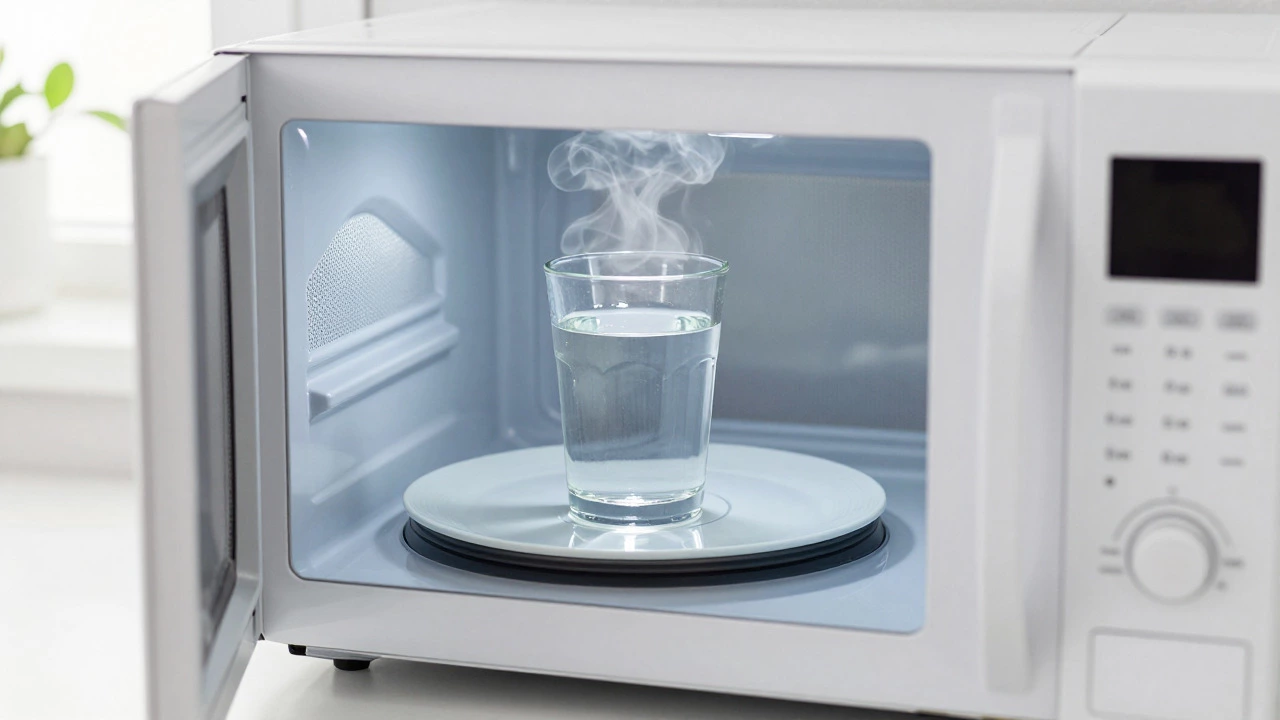
The most obvious symptom is a lack of temperature increase. If you put a cup of water in the microwave for two minutes and it remains room temperature, your heating system has failed. However, this alone doesn't confirm a bad magnetron. It could be a tripped thermal fuse, a blown diode, or a faulty door switch. To isolate the magnetron, you need to observe the behavior of the rest of the unit.
- Light and Turntable Work: If the interior light stays on and the plate rotates, the main control board is likely sending power correctly. This points strongly toward the high-voltage section, specifically the magnetron or its immediate neighbors (diode/capacitor).
- No Humming Sound: A healthy magnetron produces a low-frequency hum or buzz. If you open the door immediately after pressing start (carefully) and hear silence, the magnetron may not be receiving voltage at all.
- Partial Heating: Sometimes food heats unevenly or only slightly. This can indicate a magnetron that is losing efficiency due to internal arcing or filament degradation.
Auditory Cues: What the Noise Tells You
Your ears are your best diagnostic tool here. A failing magnetron rarely dies instantly; it degrades. Listen closely during the first few seconds of operation.
- High-Pitched Squeal or Screech: This is often caused by arcing inside the magnetron's cavity or loose connections on the high-voltage terminals. It indicates severe damage and usually means the part is beyond repair.
- Loud Buzzing or Rattling: If the noise sounds like a fan blade hitting something or a heavy vibration, the magnetron's cooling fan might be jammed, or the metal housing has warped. Overheating without proper airflow kills magnetrons quickly.
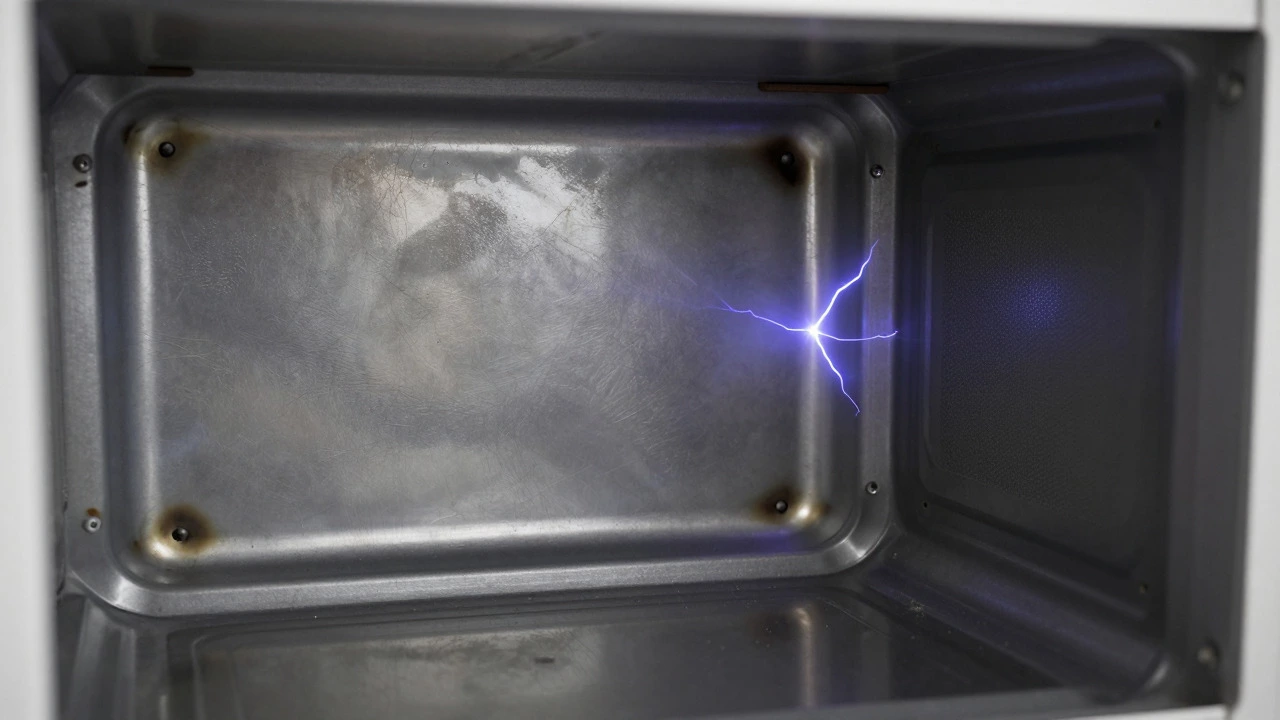
- Crackling or Popping Sounds: Similar to arcing, these sharp noises suggest electrical discharge inside the vacuum tube. If you see blue sparks near the waveguide (the metal duct leading into the cooking chamber), shut it off immediately. Arcing damages the waveguide and the magnetron simultaneously.
Visual Inspection: Signs of Physical Damage
Before opening the back panel (which requires disconnecting the power), check the exterior and the interior cavity. While the magnetron itself is hidden behind metal shielding, its effects are visible elsewhere.
Look at the waveguide cover is the thin metal sheet covering the duct that channels microwaves into the oven cavity. If you see burn marks, holes, or melted plastic on this cover, the magnetron has been arcing for some time. This is a definitive sign that the magnetron is failing or has already failed. Additionally, check the cooling vents on the side or back of the unit. If they are clogged with dust or grease, the magnetron has been running hotter than designed, accelerating its failure. Poor ventilation is the number one cause of premature magnetron death in household units.
Testing the Magnetron: DIY vs. Professional
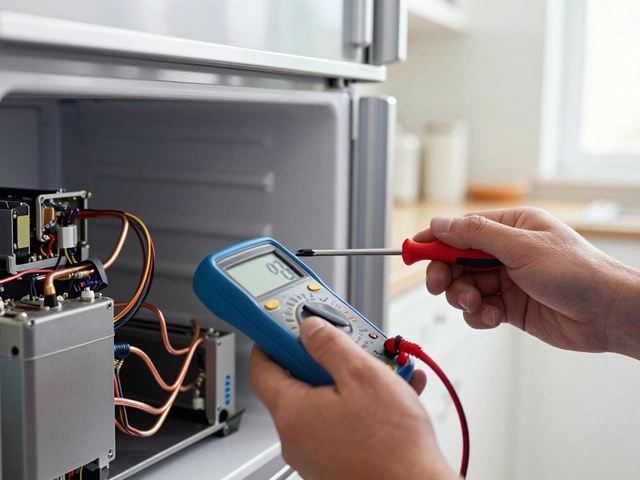
Can you test a magnetron yourself? Technically, yes, but with major caveats. The high-voltage capacitor is a component that stores dangerous electrical charges even when the microwave is unplugged. It can hold up to 2,000 volts long enough to kill you. If you are not comfortable discharging capacitors with an insulated screwdriver and verifying zero charge with a multimeter, do not open the back panel.
If you have the tools and knowledge, the standard test involves measuring the resistance across the magnetron's filament pins. A good magnetron should show very low resistance (near 1 ohm). If you measure infinity (open circuit), the filament is broken. However, a low resistance reading doesn't guarantee the magnetron works; it only proves the filament is intact. The real test is whether it generates microwaves under load, which requires specialized equipment or a careful observation of heating performance after replacing the diode and capacitor first.
| Symptom | Possible Cause | Magnetron Probability |
|---|---|---|
| No heat, light works, plate spins | Magnetron, Diode, Capacitor, Door Switch | High (if others tested OK) |
| High-pitched squealing | Magnetron Arcing, Waveguide Damage | Very High |
| Burning smell, no operation | Thermal Fuse Blown, Magnetron Shorted | Medium-High |
| Uneven heating | Turntable Motor, Magnetron Degradation | Low-Medium |
| Clicking sound, no start | Door Switch, Relay, Control Board | Low |
Cost-Benefit Analysis: Repair or Replace?
This is the question that keeps many homeowners up at night. A new magnetron typically costs between $80 and $150 AUD depending on the brand and wattage. Labor for a professional technician in Brisbane ranges from $90 to $120 per hour. If the job takes one hour, your total repair cost is roughly $170 to $270.
Compare this to the price of a new microwave. Basic models start around $150, but mid-range units with sensors and convection features run $300 to $600. If your microwave is less than five years old and holds sentimental value or fits a custom cabinet cutout, repairing the magnetron is often worth it. If the unit is older than seven years, or if other components (like the transformer or control board) also show signs of wear, replacing the entire appliance might be more economical in the long run. Also, consider the energy efficiency of newer models; modern inverter microwaves use significantly less electricity than older transformer-based designs.
Preventing Future Magnetron Failures
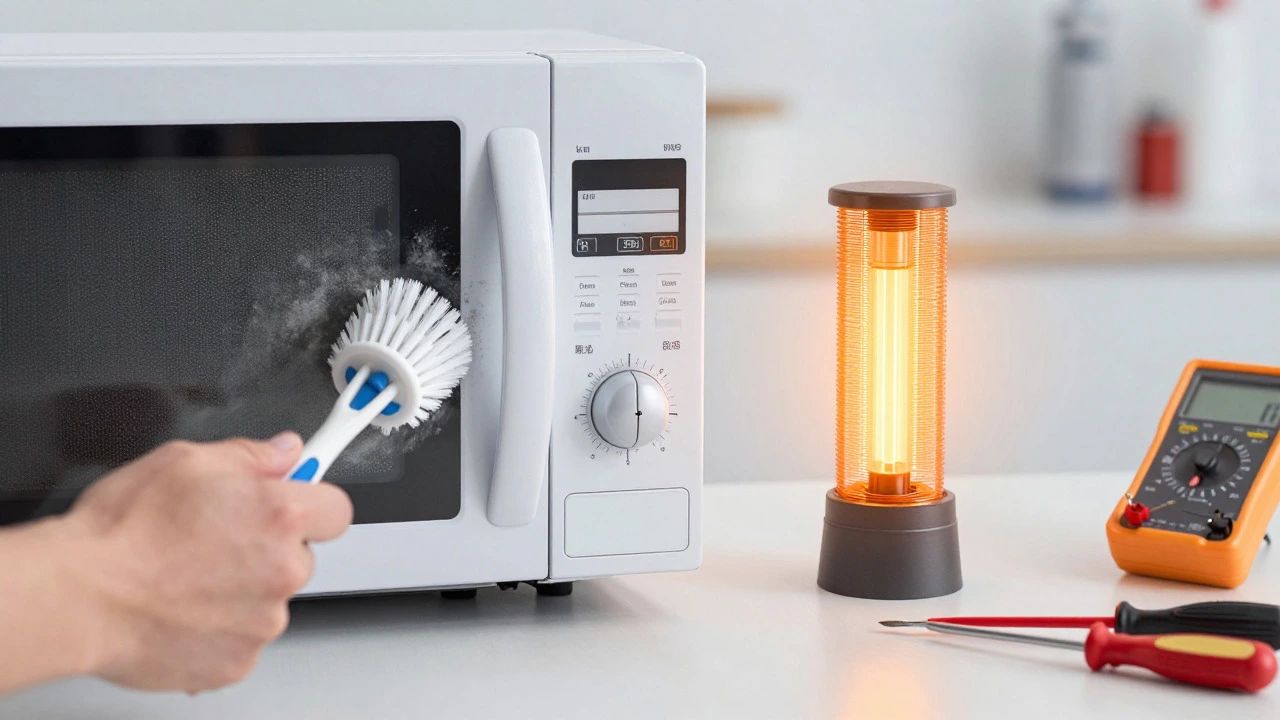
Most magnetron failures are preventable through basic maintenance. The primary enemy is heat. Ensure the ventilation grilles on the back or sides of the microwave are clean. Use a soft brush or vacuum attachment to remove dust buildup every six months. Never run the microwave empty; the lack of moisture to absorb the microwaves causes intense reflection that can overheat and destroy the magnetron instantly. Finally, avoid using metal containers or foil improperly. Even small pieces of foil can create arcs that travel back up the waveguide and damage the magnetron's internal structure.
By keeping the unit cool and ensuring there is always something to heat, you extend the life of the magnetron significantly. Most quality magnetrons last between 5,000 to 10,000 hours of use. With normal household usage, that translates to 10 to 15 years. If yours is failing earlier, it’s likely due to overheating or electrical stress from poor maintenance.
Frequently Asked Questions
How long does a microwave magnetron last?
On average, a magnetron lasts between 5,000 and 10,000 hours of operation. For a typical household using the microwave once or twice a day, this equates to approximately 10 to 15 years. Factors like poor ventilation and running the unit empty can shorten this lifespan significantly.
Is it safe to touch the magnetron when the microwave is off?
Yes, the magnetron itself is safe to touch when the unit is unplugged. However, the high-voltage capacitor connected to it can store a lethal charge for days after being unplugged. Always discharge the capacitor before touching any internal components to avoid serious electric shock.
Can I replace just the magnetron or do I need other parts too?
Often, yes. If the magnetron is confirmed dead, you can replace just that part. However, because the high-voltage diode and capacitor share the same circuit, technicians often recommend testing or replacing them as well if they show signs of wear. Replacing all three ensures the new magnetron doesn't fail prematurely due to weak supporting components.
Why does my microwave make a humming sound but not heat?
A humming sound without heat usually indicates that power is reaching the high-voltage section, but the microwaves aren't being generated or absorbed. This is a classic sign of a failing magnetron, a shorted diode, or a leaking capacitor. The transformer is working, but the conversion to microwave energy is blocked.
Does cleaning the vents really help prevent magnetron failure?
Yes, absolutely. The magnetron generates significant heat during operation. It relies on a small cooling fan and external air intake to dissipate this heat. If the vents are clogged with dust or grease, the internal temperature rises, causing the insulation inside the magnetron to degrade faster. Regular cleaning is the single most effective way to prolong magnetron life.