Electric Oven Repair vs. Replacement Calculator
Enter the details of your oven below to determine if repairing is financially smarter than replacing.
$800 – $1,200
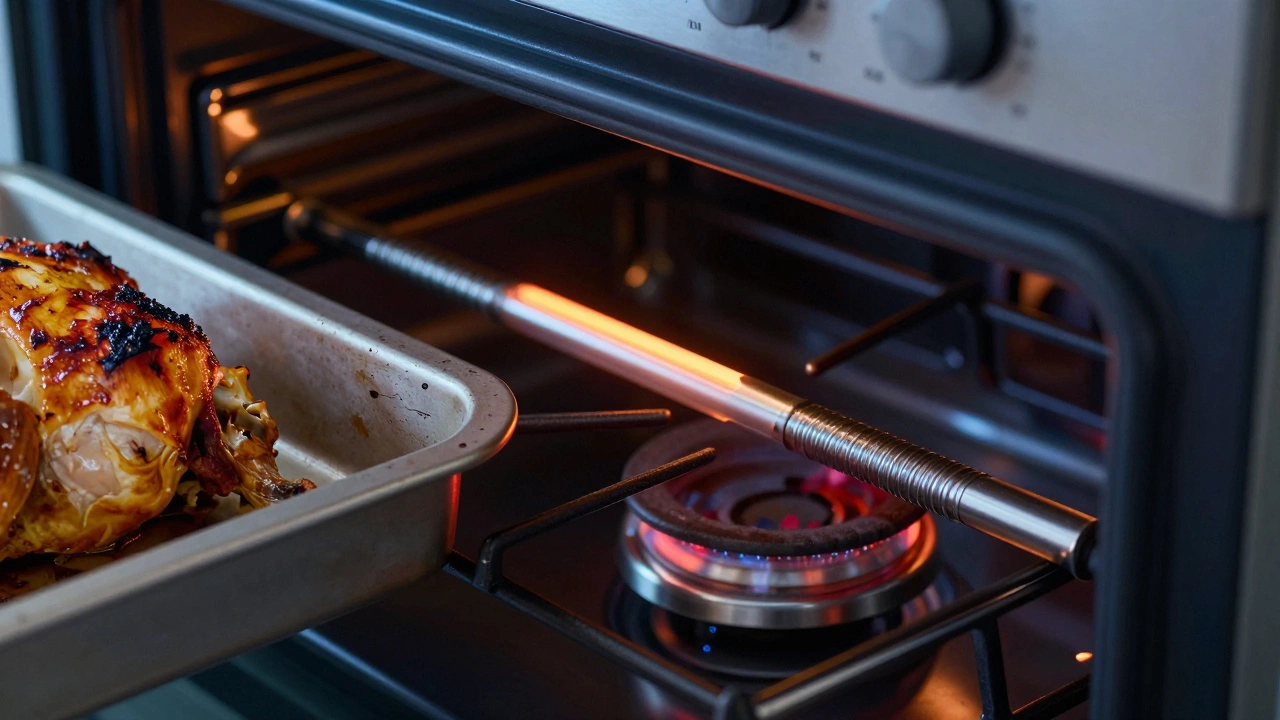
That moment when you pull the tray out and the chicken is raw on one side and charred on the other is frustrating. Or worse, you press the start button and nothing happens. No heat, no light, just silence. Your first thought is usually panic: Is this thing dead? Do I need to buy a new $1,500 oven?
The short answer is yes, an electric oven can almost always be fixed. In fact, replacing a whole appliance because of a minor electrical fault is one of the most common money-wasters in home maintenance. Most oven failures are caused by cheap, replaceable parts like heating elements or door seals, not catastrophic internal damage.
Before you call a technician or head to the hardware store, let’s break down what’s actually going wrong inside your oven, how much it costs to fix, and when it finally makes sense to throw in the towel and upgrade.
Common Electric Oven Problems and Quick Fixes
Electric ovens are surprisingly simple machines. They have a power source, a switch to turn that power on, a sensor to tell the temperature, and a coil to create the heat. When one of these links breaks, the oven stops working properly. Here are the most frequent culprits.
Heating Elements are the metal coils inside the oven cavity that glow red to generate heat. These are the workhorses of your oven. If your oven won’t heat up at all, or if only the top part heats while the bottom stays cold (or vice versa), the element has likely developed a crack or broken internally. You can often spot this with a visual inspection. Look for blisters, dark spots, or visible gaps in the coil. Replacing an element is straightforward; they usually screw into place or clip onto brackets.
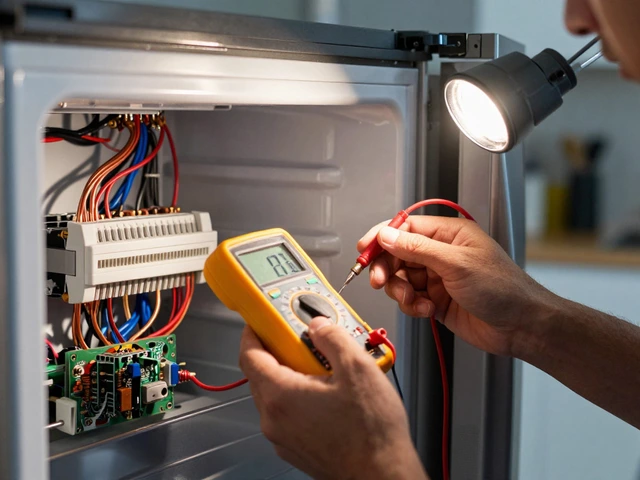
Oven Thermostats are temperature sensors that regulate the heat cycle to maintain the set degree. If your food burns even though you set it to 180°C, or if the oven never seems to get hot enough, the thermostat might be drifting. This is less obvious than a broken element. You’ll need a multimeter to check for continuity. If the thermostat isn’t sending the signal to cut power, the oven will overheat. If it cuts off too early, your roast will stay pink.
Door Seals (Gaskets) are rubber or silicone strips around the oven door that keep heat contained. A damaged seal doesn’t stop the oven from heating, but it ruins the cooking performance. Heat escapes, so the oven works overtime, wasting electricity and creating uneven temperatures. Check this by closing the door on a piece of paper. If you can pull the paper out easily without resistance, your seal is compromised. These are inexpensive and easy to snap back into place.
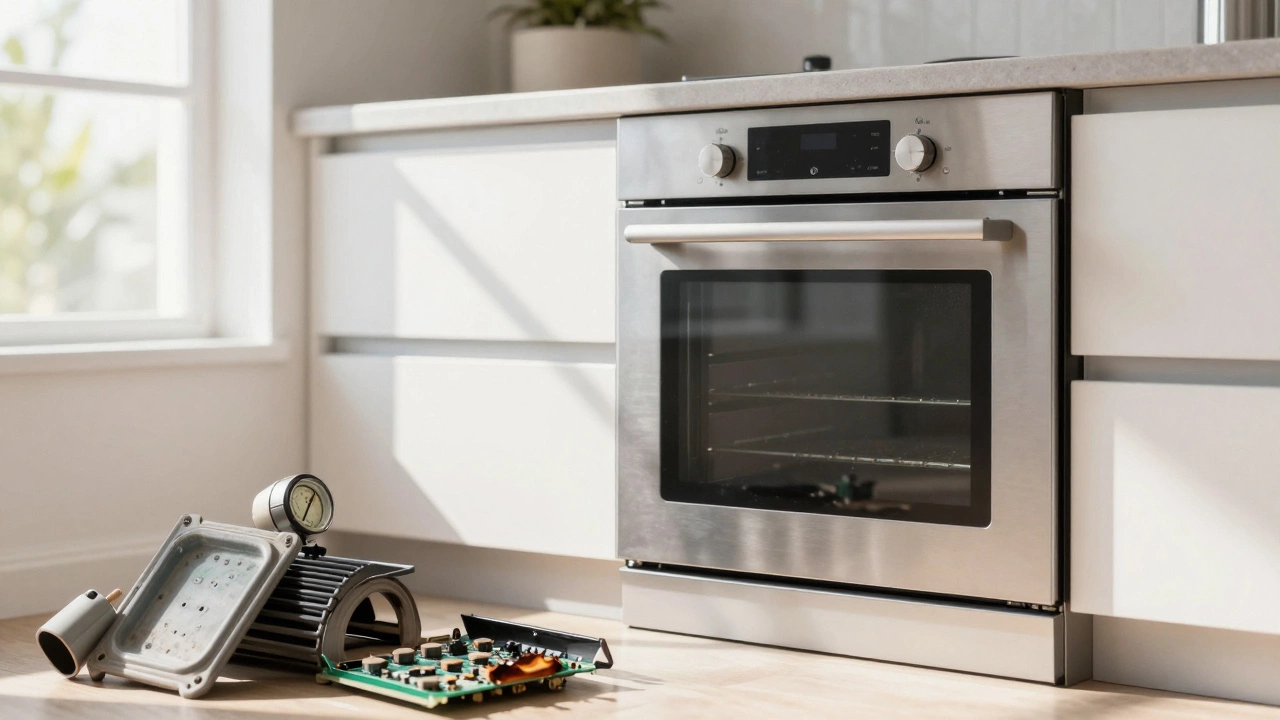
Another common issue is the Clock Control Board, which is the electronic brain that manages timers, displays, and ignition signals. If your display is blank, buttons don’t respond, or the oven starts randomly, the control board may have failed due to a power surge or age. This is a more complex repair involving wiring harnesses and sometimes reprogramming.
When to DIY vs. Call a Pro
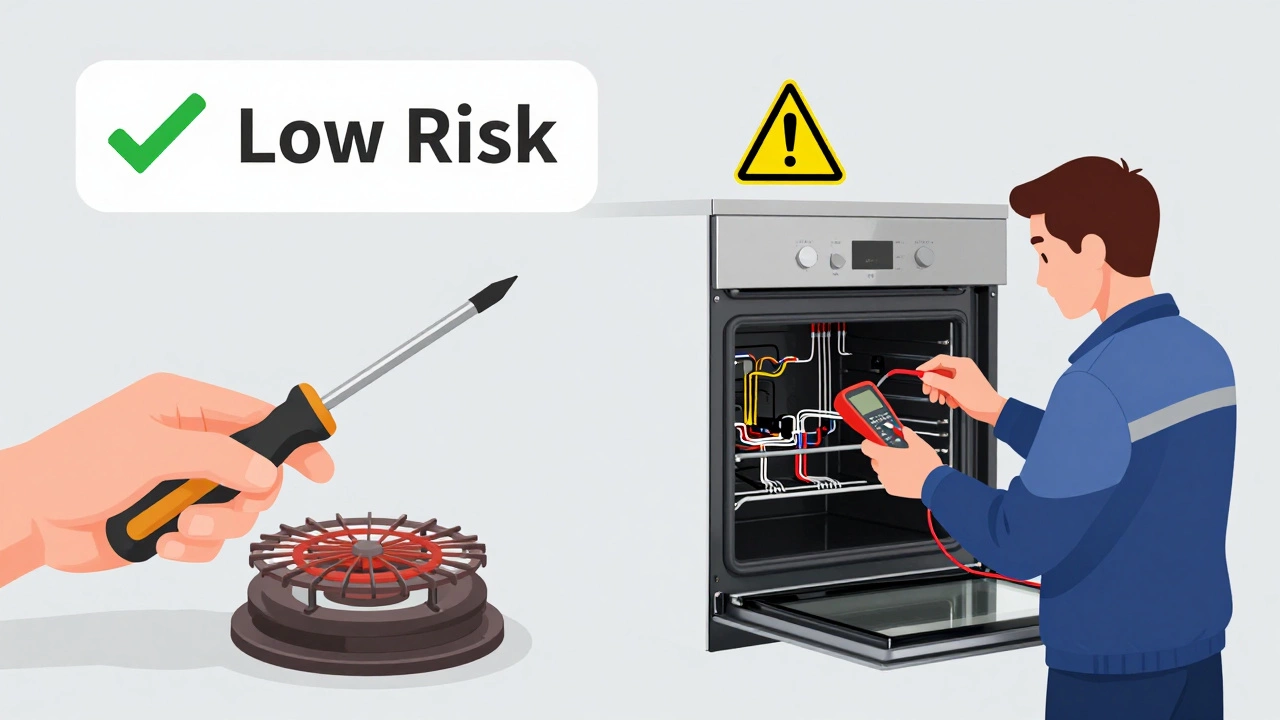
You might be tempted to open the back panel and tinker. While some repairs are beginner-friendly, electricity and high heat don’t mix well with guesswork. Here is a practical rule of thumb for deciding who should handle the job.
| Problem Type | Difficulty Level | Who Should Fix It? | Risk Factor |
|---|---|---|---|
| Burnt Heating Element | Low | DIY | Low (if power is disconnected) |
| Broken Door Seal | Low | DIY | None |
| Thermostat Calibration | Medium | Pro or Advanced DIY | Medium (requires multimeter skills) |
| Control Board Failure | High | Professional | High (electrical shock risk) |
| Wiring Harness Issues | High | Professional | High (fire hazard) |
If you’re comfortable turning off the circuit breaker, using a screwdriver, and following a YouTube tutorial, swapping an element is a great weekend project. However, if the problem involves the internal wiring, the main power supply, or the electronic control board, hire a licensed electrician or appliance repair technician. In Brisbane, where humidity can accelerate corrosion in older units, professional diagnosis saves time in the long run.
Repair Costs vs. Buying New
This is the big question. How do you know if fixing your oven is worth it? Let’s look at the numbers. As of 2026, labor rates for appliance technicians in Australia typically range from $90 to $120 per hour, plus a call-out fee of around $60 to $80. Parts vary wildly depending on the brand.
- Heating Element: $30 - $80 for the part.
- Thermostat: $50 - $120 for the part.
- Control Board: $150 - $400 for the part.
- Door Hinges/Seals: $20 - $60 for the part.
A typical repair bill for a heating element or thermostat will land between $150 and $250 total. If your oven is five years old or newer, this is a no-brainer. You extend the life of a good machine for a fraction of the cost of replacement.
However, if your oven is 10+ years old and the control board fails, the repair could cost $400-$600. A new mid-range electric oven starts around $800-$1,200. In this scenario, you’re spending half the price of a new unit to fix an old one that might break again next year. That’s when replacement becomes the smarter financial move.
Also consider energy efficiency. Older ovens leak heat and use more electricity. Modern models have better insulation and precise digital controls. If your electricity bills are creeping up, a new oven might pay for itself in savings over three years.
Safety First: Essential Precautions
Before you touch anything, safety must be your priority. Electric ovens carry significant voltage. Even when turned off, capacitors can hold a charge, and residual heat can cause burns.
- Disconnect Power: Never rely on the oven’s switch. Go to your main fuse box or circuit breaker and switch off the power to the kitchen appliances. Verify it’s off with a non-contact voltage tester if you have one.
- Let It Cool: If the oven was recently used, wait at least two hours for the interior and elements to cool completely. Touching a warm element can cause severe burns.
- Check for Gas Leaks (If Applicable): If you have a dual-fuel cooker (gas hob, electric oven), ensure the gas supply to the hob is also isolated if you’re moving the unit.
- Use Proper Tools: Avoid using makeshift tools. Use insulated screwdrivers and pliers. Metal tools can slip and short-circuit live components.
If you smell burning plastic or see smoke, evacuate the area and call emergency services. Do not attempt to diagnose electrical fires yourself.
Maintenance Tips to Prevent Future Breakdowns
Most oven failures are preventable. Regular maintenance keeps your appliance running smoothly and extends its lifespan. Here are simple habits that make a big difference.
- Clean Spills Immediately: Sugary sauces and cheese drips bake onto the floor of the oven, creating insulating layers that trap heat and cause elements to overwork. Wipe spills with a damp cloth while the oven is still warm (but not hot).
- Inspect Door Seals Monthly: Clean the gasket with mild soap and water. Check for cracks or tears. A clean seal fits tighter and lasts longer.
- Avoid Thermal Shock: Don’t pour cold water into a hot oven to clean it. The rapid temperature change can crack the glass door or warp the enamel interior.
- Use the Self-Clean Feature Sparingly: While convenient, self-cleaning cycles reach extremely high temperatures (over 500°C) that stress the door hinges and thermal insulation. Use it only once or twice a year.
- Keep Vents Clear: Many ovens have vents at the back or sides to release excess heat. Ensure nothing blocks these vents during installation or cleaning. Overheating damages internal electronics.
FAQ
How much does it cost to repair an electric oven in Brisbane?
In Brisbane, expect to pay between $150 and $250 for common repairs like replacing a heating element or thermostat. This includes labor and parts. More complex issues involving control boards can cost $400 or more.
Is it worth repairing a 10-year-old electric oven?
It depends on the repair cost. If the fix is under $200, it’s usually worth it. If the repair exceeds $300, consider buying a new oven, especially since newer models are more energy-efficient and come with warranties.
Why is my electric oven not heating evenly?
Uneven heating is often caused by a faulty thermostat, a damaged door seal letting heat escape, or a partially broken heating element. Rotating your food halfway through cooking can help temporarily, but checking these components is necessary for a permanent fix.
Can I replace an oven heating element myself?
Yes, replacing a heating element is a DIY-friendly task. You need to disconnect the power, remove the old element (usually held by screws or clips), and install the new one. Ensure you buy the exact model number specified in your oven’s manual.
What causes an electric oven to spark inside?
Sparks inside an electric oven are usually caused by food debris touching the heating elements. This is normal but should be cleaned promptly. If sparks occur without food present, it could indicate a serious electrical fault, and you should stop using the oven immediately and call a professional.
How long does an electric oven last?
With proper maintenance, an electric oven typically lasts 10 to 15 years. Factors like frequency of use, cleaning habits, and quality of installation affect longevity. Signs of aging include inconsistent heating, strange noises, and frequent error codes.