Dishwasher Repair vs. Replace Calculator
Enter the details below based on quotes received or estimated costs in AUD.
Ready to Calculate
Enter values and click analyze to see if you should fix or replace.
That moment when your dishwasher stops draining or starts making a noise like a garbage disposal is never fun. You’re standing there with a sink full of dirty plates, wondering if you just bought a new appliance for $1,200 or if a quick fix will save the day. The short answer is yes, most dishwashers can be repaired. In fact, unless the unit is ancient or has suffered catastrophic physical damage, fixing it is usually the smarter financial move.
We’ve all been there in Brisbane’s humid climate, where appliances work overtime. I remember helping a neighbor troubleshoot her Bosch model that wouldn’t heat water. It turned out to be a simple heating element issue, costing less than $50 in parts and an hour of labor. That’s a fraction of what she would have paid for a replacement. Before you throw in the towel, let’s look at how to decide between repair and replacement, what costs you might face, and which problems you can actually handle yourself.
Is it worth repairing an old dishwasher?
It depends on the age and cost. If your dishwasher is under seven years old, repair is almost always worth it. Modern units are built to last longer, and parts are readily available. For older models, use the '50% rule': if the repair costs more than half the price of a new machine, consider replacing it. However, high-end brands like Miele or Asko often justify repairs even at higher costs due to their longevity.
The 50% Rule: When to Repair vs. Replace
Deciding whether to fix or buy new isn’t just about gut feeling; it’s math. Industry experts generally recommend the 50% rule. If the estimated repair cost exceeds 50% of the price of a comparable new dishwasher, it’s time to upgrade. But don’t stop there. You also need to factor in the age of the appliance.
Average dishwasher lifespan sits around ten to fifteen years. If your unit is five years old and needs a $300 pump replacement, go ahead and fix it. You likely have another decade of service left. But if that same pump fails on a twelve-year-old Whirlpool, you’re gambling. The next failure could be the control board or the motor, pushing you into a cycle of repairs that quickly outweighs the value of keeping the old machine.
Also consider energy efficiency. Newer dishwashers meet stricter Australian energy standards. An old model might use 15-20% more water and electricity per cycle. Over two years, those savings can offset the difference in repair costs versus buying new. Check the energy rating label inside your current door. If it’s a three-star or lower, upgrading makes economic sense beyond just the immediate repair bill.
Common Dishwasher Problems and Their Costs
Not all breakdowns are created equal. Some issues are minor nuisances you can fix with a wrench and some patience. Others require professional diagnosis and specialized parts. Understanding what typically breaks helps you budget and set expectations.
| Problem | Typical Cause | Repair Cost Range | DIY Difficulty |
|---|---|---|---|
| Not Draining | Clogged filter, kinked hose, faulty drain pump | $80 - $250 | Low to Medium |
| Poor Cleaning | Clogged spray arms, low water pressure, bad detergent | $0 - $150 | Low |
| No Water Intake | Faulty inlet valve, closed water supply | $100 - $200 | Medium |
| Loud Noise | Broken rack wheels, foreign object in pump | $50 - $300 | Low to High |
| Leaking Water | Worn door gasket, cracked tub | $100 - $400 | Medium |
| Won’t Start | Tripped breaker, faulty latch, dead control board | $150 - $350 | High |
Drainage issues are the most common complaint. Often, it’s not a broken part but a clog. Food debris builds up in the filter or gets stuck in the drain hose. This is a free fix if you know where to look. Poor cleaning performance is another frequent issue, usually solved by descaling the interior or replacing worn spray arm nozzles. These maintenance tasks keep your dishwasher running efficiently without calling a technician.
Electrical failures, like a dead control board or malfunctioning timer, are pricier. Control boards act as the brain of the dishwasher. When they fail, the machine won’t respond to buttons or complete cycles. Replacement parts for premium brands can run $200-$400 alone, plus labor. This is where the 50% rule becomes critical. If your basic model costs $600 new, a $300 board repair pushes you right to the tipping point.
DIY Fixes: What You Can Handle Yourself
You don’t need to be an electrician to solve many dishwasher woes. In fact, attempting a repair before calling a pro can save you a hefty service fee. Most technicians charge a call-out fee of $70-$100 just to show up. If you can diagnose and fix the problem, that’s instant savings.
Start with the basics. Is the dishwasher plugged in? Did you accidentally turn off the kitchen circuit breaker? Check the water supply valve under the sink-is it fully open? These simple oversights cause more "breakdowns" than actual mechanical failures. Next, inspect the filter. Remove it from the bottom of the tub and rinse it under hot water. A clogged filter restricts water flow and causes drainage backups. Clean the spray arms too. Poke the holes with a toothpick to remove mineral deposits or food particles blocking the jets.
If the door won’t latch, check for obstructions. A fork handle or small utensil can jam the locking mechanism. Sometimes, realigning the door hinges solves the issue. For leaks, examine the door gasket (the rubber seal around the edge). If it’s cracked or torn, replacement is straightforward. Order the part online using your model number, peel off the old seal, and press in the new one. No tools required.
However, know your limits. Anything involving internal wiring, the main motor, or complex electronic diagnostics should be left to professionals. Mishandling electrical components can void warranties, create safety hazards, or worsen the damage. If you’re uncomfortable removing panels or testing voltage with a multimeter, call a licensed appliance repair technician.

Hiring a Pro: What to Expect
When DIY isn’t enough, finding a reliable technician matters. In Brisbane, look for certified appliance repair services with good reviews and transparent pricing. Ask for an upfront quote including parts and labor. Avoid companies that demand payment before diagnosing the issue.
A professional visit typically involves three steps: diagnosis, part sourcing, and repair. Diagnosis takes 15-30 minutes. If the problem is obvious, like a burnt-out heating element, they might fix it on the spot if they carry common parts. Otherwise, they’ll order the component and schedule a return visit. Turnaround time varies by brand. Major manufacturers like Samsung, LG, and Bosch have local distributors, so parts arrive within days. Obscure or discontinued models may take weeks.
Ask about warranties on repairs. Reputable technicians offer a 90-day to one-year warranty on both parts and labor. This protects you if the same issue recurs shortly after the fix. Keep records of all repairs. If you plan to sell your home, a well-maintained appliance history adds value. Conversely, multiple recent repairs on an old unit signal to buyers that replacement is imminent.
While we focus on household mechanics here, it’s worth noting that resourcefulness extends beyond appliances. Whether you're troubleshooting a leaky faucet or navigating local services, knowing where to find verified information saves time. For instance, if you ever need to locate specific local directories or services outside your usual scope, checking curated platforms like this directory demonstrates how structured listings simplify decision-making-much like choosing the right repair technician based on verified reviews rather than guesswork.
Preventive Maintenance: Extending Lifespan
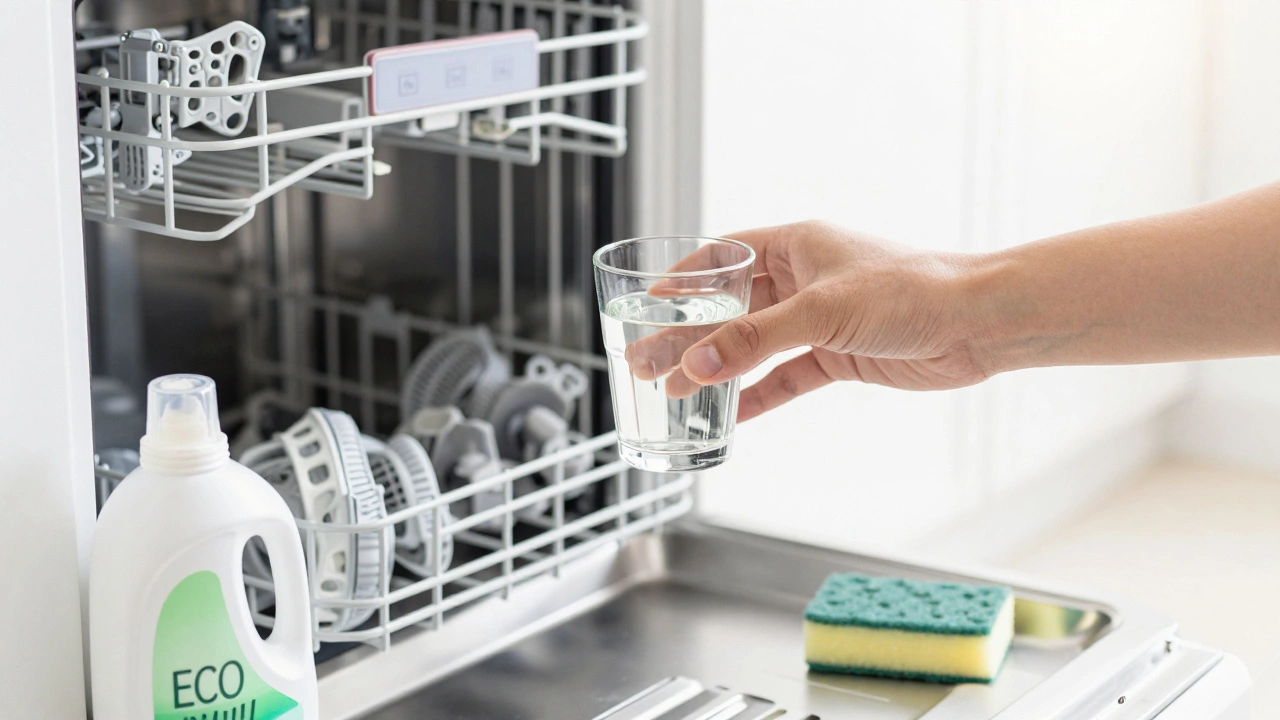
The best repair is the one you avoid. Regular maintenance keeps your dishwasher running smoothly for years. Run a vinegar cycle monthly to dissolve mineral buildup. Place a cup of white vinegar on the top rack and run a hot water cycle without dishes. This cleans the interior, removes odors, and prevents scale accumulation on heating elements.
Rinse dishes before loading. While modern detergents claim to handle heavy soil, pre-rinsing reduces strain on the pump and filter. Scrape off large food chunks instead of washing them down the sink. Install a mesh screen over your kitchen sink drain to catch debris before it enters the plumbing system. Clogs in the household pipes often back up into the dishwasher, causing drainage failures.
Use the right detergent. Powdered detergents work well for light loads, while pods offer convenience but may contain additives that leave residue. Rinse aids help sheets dry faster and reduce spotting. Adjust settings based on load size and soil level. Using a heavy-duty cycle for lightly soiled glasses wastes energy and wears out components unnecessarily.
Inspect the door seal quarterly. Wipe it clean with a damp cloth to remove grease and food particles. Check for tears or stiffness. A compromised seal lets water escape during cycles, leading to cabinet damage and inefficient cleaning. Replace it promptly if damaged.
Environmental Impact: Repair vs. Replace
Choosing repair over replacement isn’t just about money; it’s about sustainability. Manufacturing a new dishwasher consumes significant resources: steel, plastic, glass, and rare earth metals for electronics. Transporting these materials and the finished product generates carbon emissions. Landfills already struggle with e-waste and bulky appliances. Extending the life of your existing unit reduces this environmental footprint.
Every year you keep a dishwasher operational, you divert waste from landfills and conserve raw materials. Even if a repair uses new parts, the overall impact is far lower than producing a complete new machine. Plus, older models were often built with heavier, more durable components. Cheaper, newer units prioritize thin profiles and sleek designs over longevity. By repairing, you support a circular economy where products are maintained rather than discarded.
Consider recycling options if replacement is unavoidable. Many local councils in Queensland offer bulk waste collection services for appliances. Ensure hazardous components like refrigerants (if applicable) are handled properly. Don’t toss your old dishwasher in regular trash. Proper recycling recovers valuable metals and prevents toxic substances from contaminating soil and water.
Conclusion: Making the Right Choice
So, can dishwashers usually be repaired? Absolutely. Most issues are fixable, affordable, and extend the life of your appliance significantly. Use the 50% rule, assess the age, and weigh energy savings. Try DIY solutions first for simple clogs and seals. Call a pro for electrical or mechanical complexities. Maintain regularly to prevent future headaches. And remember, repairing isn’t just economical-it’s responsible. Your wallet and the planet will thank you.
How long does a typical dishwasher repair take?
Simple fixes like cleaning filters or replacing door seals take 30-60 minutes. Complex repairs involving pumps or control boards may require two visits: one for diagnosis and part ordering, and another for installation. Total turnaround time ranges from one to five days depending on part availability.
Can I repair a dishwasher under warranty myself?
No. Attempting DIY repairs on a warrantied appliance usually voids the coverage. Manufacturers require authorized technicians to perform service. Always check your warranty terms before opening panels or replacing parts. Unauthorized tampering leads to denied claims and out-of-pocket expenses.
Why is my dishwasher leaking water onto the floor?
Leaks commonly stem from a worn door gasket, loose hose connections, or a cracked tub. Inspect the rubber seal around the door for tears. Check inlet and drain hoses for tightness. If the leak persists after tightening fittings, the tub itself may be damaged, requiring professional assessment or replacement.
What causes a dishwasher to make loud grinding noises?
Grinding sounds often indicate a foreign object trapped in the pump impeller, such as a glass shard or bone fragment. Alternatively, worn rack rollers or a failing motor bearing can cause noise. Remove the lower rack and inspect the pump area for debris. If clear, consult a technician for motor evaluation.
Should I hire a general handyman or a specialist for dishwasher repair?
Always choose a specialist appliance repair technician. General handmen lack training in electrical diagnostics and proprietary parts systems. Specialists carry correct tools, access genuine components, and understand manufacturer protocols. This ensures accurate diagnosis, proper fixes, and valid warranties on work performed.