Appliance Repair vs. Replace Calculator
Result
Verdict goes here
Detailed Analysis:
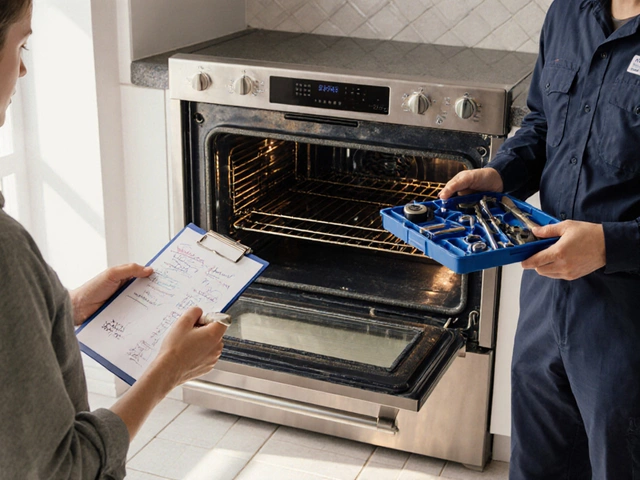
Your washing machine stops spinning. Your fridge hums loudly but doesn't cool. You stare at the error code blinking on your oven display and wonder if you just bought a new one or if this is fixable. This is where an appliance technician steps in. But what exactly do they do behind the scenes? It’s more than just swapping out broken parts.
An appliance technician is a skilled tradesperson who diagnoses, repairs, and maintains household and commercial machines. From your humble toaster to complex central heating systems, these professionals keep our modern lives running smoothly. In Brisbane, where summer heat can push air conditioners to their limits and humidity wreaks havoc on dryers, understanding this role helps you hire the right person for the job.
Quick Summary / Key Takeaways
- Appliance technicians diagnose electrical, mechanical, and electronic faults in major home appliances.
- Their work requires specific trade qualifications (like an electrician's license) and manufacturer-specific training.
- They handle everything from routine maintenance to complex board-level circuit repairs.
- Safety is paramount; they deal with high voltage, gas lines, and refrigerants that require certified handling.
- A good technician saves you money by extending the life of your appliances rather than recommending immediate replacement.
The Core Job: Diagnosis Before Action
Most people think appliance repair is about fixing things. In reality, it starts with detective work. When you call a technician because your dishwasher isn't draining, they don't immediately rip open the back panel. They ask questions first. Did it start after a power surge? Is there a strange smell? Does it make noise during the fill cycle?
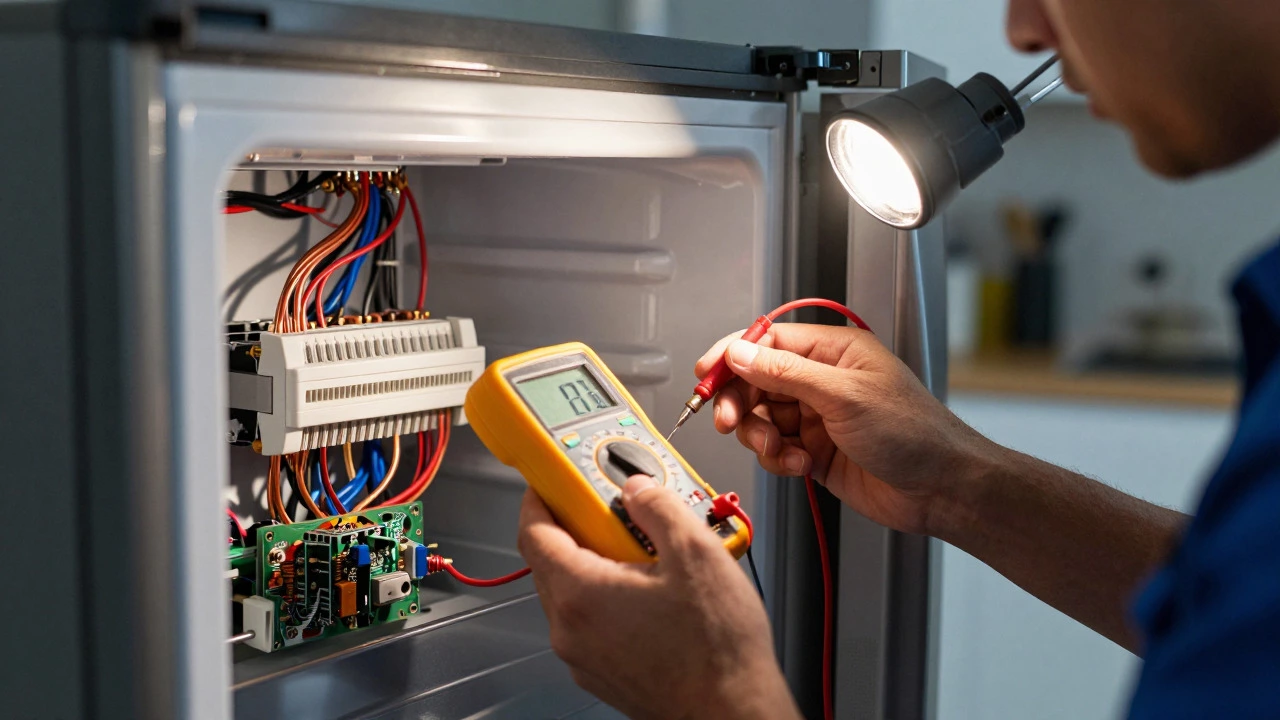
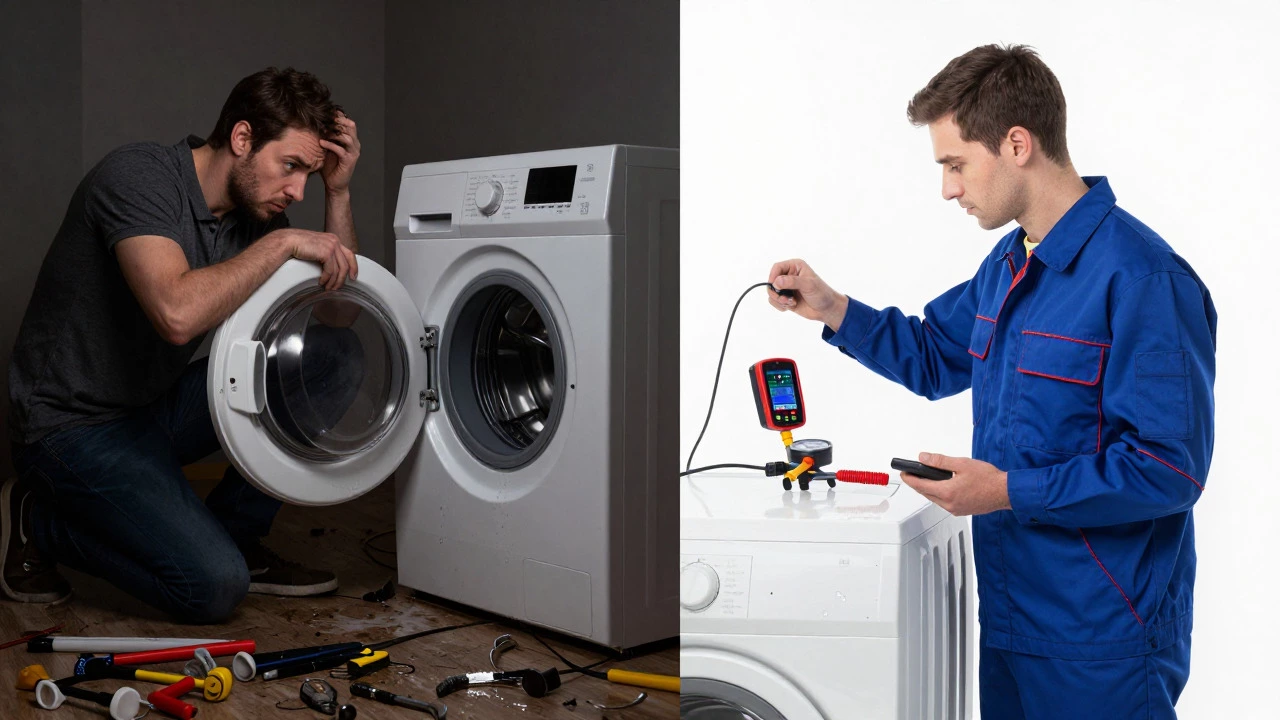
This diagnostic phase is crucial. An experienced technician uses multimeters, pressure gauges, and thermal cameras to pinpoint the exact failure point. For example, a fridge not cooling could be a bad compressor, a clogged condenser coil, or a simple thermostat issue. Misdiagnosing this leads to wasted time and unnecessary part costs. The technician isolates variables systematically until the root cause is found.
| Appliance Type | Common Failure Points | Diagnostic Tools Used |
|---|---|---|
| Refrigerator | Compressor failure, sealed system leaks, defrost heater issues | Manifold gauge set, multimeter, leak detector |
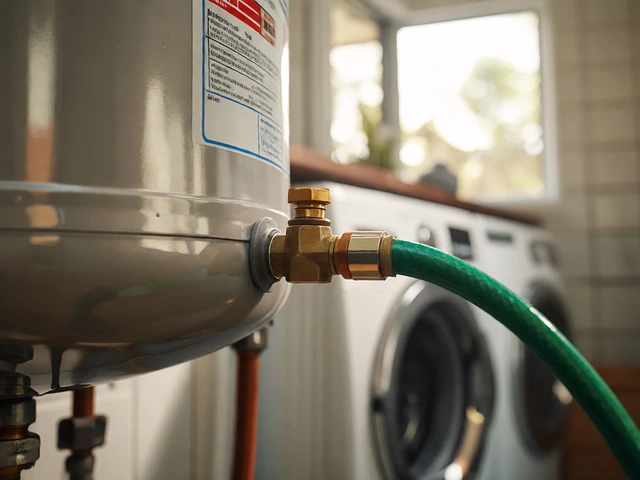
| Washing Machine | Belt wear, drain pump blockage, control board glitches | Multimeter, visual inspection tools |
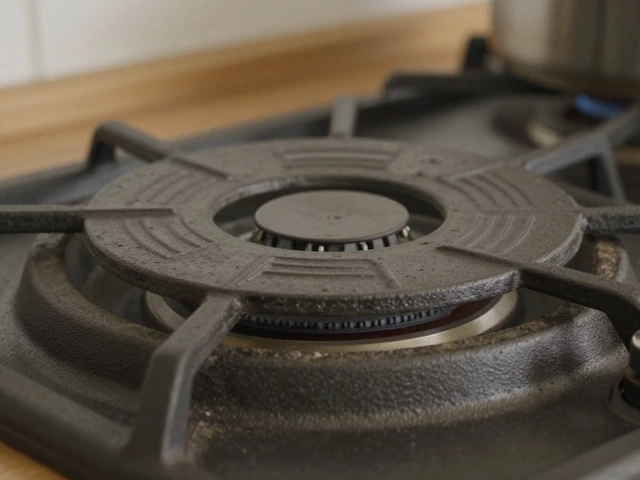
| Gas Oven | Igniter failure, gas valve obstruction, thermocouple issues | Gas pressure gauge, continuity tester |
| Air Conditioner | Low refrigerant, capacitor failure, fan motor burnout | Vacuum pump, refrigerant scale, clamp meter |
Technical Skills and Qualifications Required
You can’t just watch a few YouTube videos and become a competent appliance technician. The field demands formal training and ongoing education. In Australia, most technicians hold a Certificate III in Electrotechnology Electrician or a similar trade qualification. This ensures they understand electrical safety standards, which is non-negotiable when working with mains voltage.
For appliances involving gas-like cooktops, ovens, and heaters-technicians need additional gas fitting licenses. Handling natural gas or LPG incorrectly can lead to leaks or explosions. Similarly, working on air conditioners and fridges requires certification to handle refrigerants like R32 or R410A. These gases are potent greenhouse gases, and improper release is illegal under environmental regulations.
Manufacturers also provide specialized training. Brands like Bosch, Samsung, and Miele have proprietary control boards and software. A technician might need to update firmware or use brand-specific diagnostic codes to unlock hidden error messages. This continuous learning keeps them relevant as appliances become smarter and more connected.
Safety First: Protecting You and Your Home
Appliances are powerful machines. They combine electricity, water, gas, and moving parts. A faulty connection can cause a fire. A leaking gas line can poison your family. An ungrounded washing machine can electrocute you. Technicians are trained to mitigate these risks before touching a screwdriver.
Before starting any repair, a technician will lock out and tag out power sources if necessary. They test circuits for live voltage. They check gas lines for pressure integrity using soap solution or electronic detectors. They ensure proper ventilation when working with combustion appliances. This rigorous safety protocol protects both the technician and the homeowner.
In Brisbane, older homes often have outdated wiring. A technician must assess whether the existing electrical infrastructure can safely support modern high-draw appliances. If not, they’ll recommend upgrades alongside the repair, preventing future hazards.
Maintenance vs. Repair: Extending Appliance Life
Many homeowners wait until an appliance breaks completely. But a proactive technician focuses on maintenance. Regular servicing prevents catastrophic failures. For instance, cleaning dryer vents reduces fire risk and improves efficiency. Descaling water heaters removes mineral buildup that strains the heating element. Checking refrigerator door seals ensures cold air stays in, saving energy bills.
Think of it like car maintenance. You change the oil to avoid engine seizure. Similarly, technicians clean coils, lubricate motors, and calibrate sensors to keep appliances running efficiently. This extends their lifespan significantly. A well-maintained fridge can last 15 years or more, while a neglected one might fail in five.
Technicians also advise on usage habits. Overloading a washing machine strains the suspension springs. Using harsh chemicals in dishwashers damages internal seals. Small changes in behavior, guided by expert advice, reduce breakdown frequency.
When to Call a Pro vs. DIY Fixes
Not every problem needs a technician. Changing a light bulb in your fridge or cleaning a filter is safe DIY. But here’s how to tell when to call a professional:
- Electrical Issues: Burning smells, tripped breakers, or sparks mean stop immediately. Electricity kills.
- Gas Leaks: Smell of rotten eggs? Evacuate and call emergency services, then a licensed gas fitter.
- Refrigerant Lines: Hissing sounds or ice buildup suggest a leak. Only certified techs can recharge systems.
- Complex Electronics: Control boards require schematics and soldering skills. Guesswork ruins components.
- Warranty Validity: Unauthorized repairs void warranties. Manufacturers require authorized technicians.
If you’re unsure, err on the side of caution. A small service call fee is cheaper than replacing a destroyed compressor or facing an insurance claim denial due to improper repair.

The Business Side: Pricing and Transparency
Hiring a technician involves costs. Reputable companies charge a call-out fee plus hourly labor and parts. Some offer flat-rate pricing for common jobs. Always ask for a detailed quote before work begins. Hidden fees erode trust.
In Queensland, prices vary based on urgency and complexity. Emergency weekend calls cost more. Rare parts may take weeks to arrive. A transparent technician explains why a part is needed and shows you the old component. They also discuss alternatives-repairing versus replacing-based on cost-effectiveness.
Check reviews and credentials. Look for members of industry bodies like the Master Plumbers Association or Electrical Contractors Association. Verified badges indicate adherence to ethical standards and quality workmanship.
Future Trends: Smart Appliances and IoT
Appliances are getting smarter. Wi-Fi-enabled fridges send alerts when filters need changing. Washing machines diagnose errors via apps. This shift changes the technician’s role. They now troubleshoot connectivity issues, update software, and integrate devices into home automation systems.
However, core mechanical and electrical skills remain essential. Software glitches won’t fix a worn-out bearing. Technicians must balance digital literacy with hands-on craftsmanship. As smart features increase, so does the need for specialized training in network protocols and cybersecurity basics.
Frequently Asked Questions
How much does an appliance technician charge in Brisbane?
Call-out fees typically range from $80 to $150. Hourly labor rates average $90 to $120. Total costs depend on the appliance type, part availability, and repair complexity. Always request a written estimate before authorizing work.
Do I need to be home during the repair?
Ideally, yes. Being present allows you to describe symptoms accurately and approve decisions. However, many technicians can work independently if you grant access and authorize a maximum spend limit beforehand.
Can an appliance technician fix any brand?
General technicians handle most brands. Authorized specialists focus on specific manufacturers like Bosch or LG. For warranty-covered repairs, use authorized techs. For out-of-warranty units, independent experts often offer better value.
How long does a typical repair take?
Simple fixes like filter replacements take 30 minutes. Complex diagnostics and part swaps can take 2-4 hours. If rare parts are needed, expect delays of several days while waiting for delivery.
Is it worth repairing an old appliance?
If repair costs exceed 50% of a new unit's price, replacement is usually smarter. Also consider energy efficiency gains in newer models. A technician can help calculate long-term savings versus upfront repair expenses.