Kitchen Extractor Fan Repair Cost Estimator
Use this tool to determine if repairing your extractor fan is financially viable compared to buying a new one.
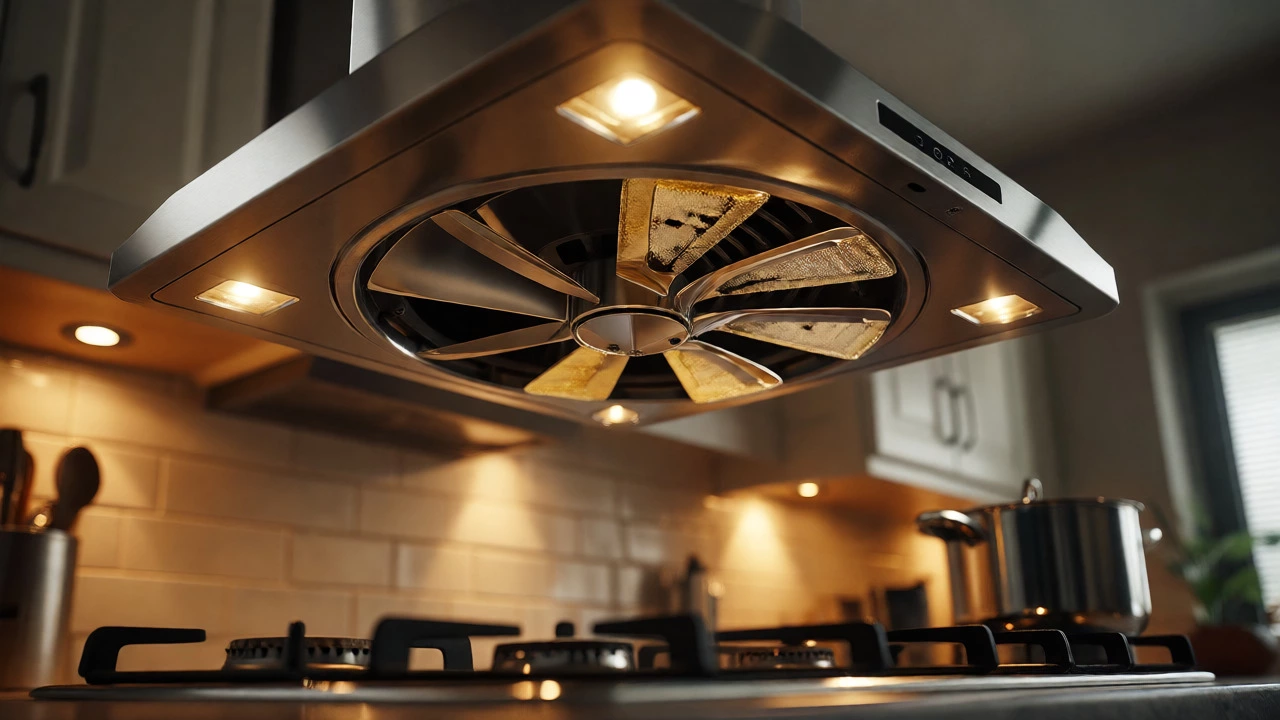
You turn on your kitchen extractor fan and hear a grinding noise, or worse, silence. It’s a common panic moment for homeowners. The immediate thought is often, "Do I need to replace the whole unit?" But here is the good news: in most cases, kitchen extractor fans can be repaired. They are relatively simple machines consisting of a motor, a fan blade, a switch, and sometimes a heating element or light. Unlike complex smart appliances, there are very few electronic boards to fry. If you know what to look for, you can save yourself hundreds of pounds on a new installation.
Before you grab your screwdriver, it helps to understand why these units fail. Most breakdowns aren't catastrophic; they're usually caused by accumulated grease, worn-out bearings, or a failed capacitor. Understanding the anatomy of your specific model-whether it's an inline ducted system, a wall-mounted chimney style, or a built-in recirculating hood-is the first step toward a successful fix. This guide walks you through diagnosing the issue, deciding if it's worth fixing, and performing the repairs that actually work.
The Anatomy of Your Extractor Fan
To fix something, you have to know how it works. An extractor fan isn't just one big block. It has distinct components, each with its own failure modes. Knowing which part is acting up saves time and money.
- The Motor: The heart of the system. If this burns out, replacement is often cheaper than rewinding it. Motors typically last 5-10 years depending on usage.
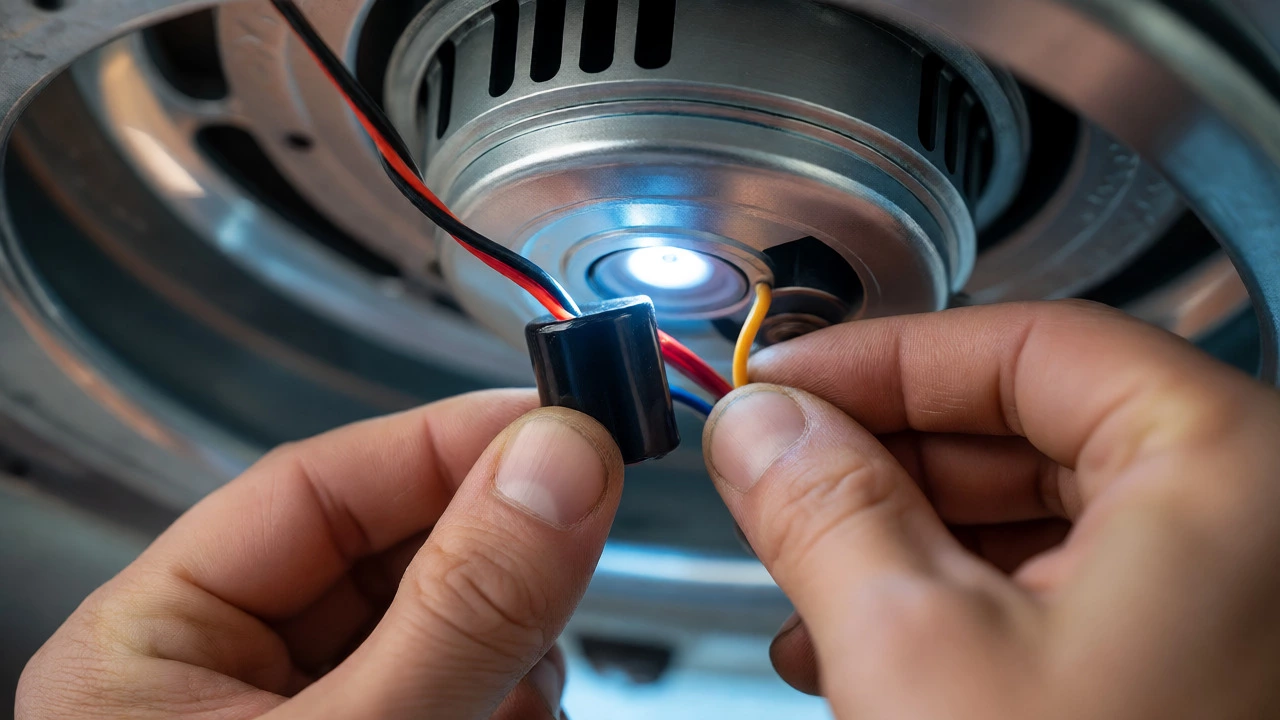
- The Capacitor: A small cylindrical component that gives the motor the initial kick to start spinning. If the fan hums but doesn't spin, this is likely the culprit. It’s a cheap part (often under £10).
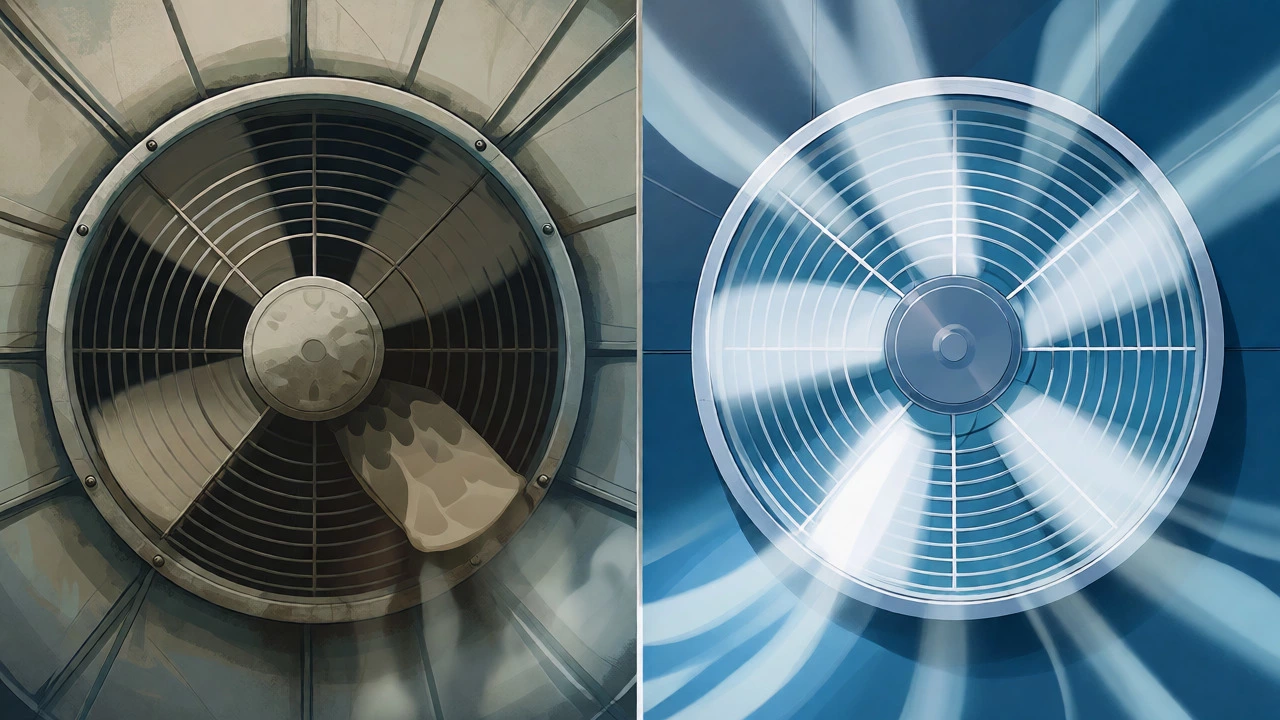
- Fan Blades/Wheel: These accumulate sticky grease over time. If they become too heavy or unbalanced, they strain the motor and cause vibration.
- Switches and Controls: Mechanical switches wear out. If pressing the button does nothing, the switch might be broken rather than the motor.
- Ducting: While not part of the electrical unit, blocked ducts cause back-pressure, overheating the motor and reducing efficiency.
Most DIY repairs focus on cleaning the blades, replacing the capacitor, or swapping the motor. Replacing the entire housing is rarely necessary unless the plastic casing has melted or cracked due to heat exposure from the hob below.
Common Symptoms and What They Mean
Diagnosis is half the battle. Listen to your fan and observe its behavior. Here is a quick troubleshooting table to help you identify the problem before you buy parts.
| Symptom | Likely Cause | Repair Difficulty |
|---|---|---|
| Fan hums but doesn't spin | Seized bearings or failed capacitor | Easy to Medium |
| Loud rattling or vibration | Loose mounting, dirty blades, or bent fan wheel | Easy |
| No power at all | Blown fuse, faulty switch, or dead motor | Medium |
| Poor suction but motor runs | Blocked filters, clogged ducting, or non-return flap stuck | Easy |
| Burning smell | Overheating motor or grease buildup on heater | Medium |
If you hear a humming sound but the blades won't move, try giving them a gentle push with a chopstick (while the power is off, then on again carefully). If it starts spinning after a push, your capacitor is likely weak or the bearings are seized. This is a classic sign that the unit is repairable.
Step-by-Step Repair Process
Once you've identified the issue, follow these steps. Always disconnect the power supply at the fuse box before touching any wires. Safety first.
Cleaning and Maintenance Fixes
Often, the "repair" is just a deep clean. Grease acts as glue, trapping dust and weighing down the fan blades.
- Remove Filters: Take out the metal mesh filters. Soak them in hot water with degreaser or dishwasher tablets. Scrub gently.
- Clean the Housing: Wipe down the inside of the hood. Pay attention to the area around the motor where grease tends to drip.
- Check the Non-Return Flap: This little flap prevents outside air from blowing back into your kitchen. If it's stuck shut by grease, the fan can't push air out. Clean it until it swings freely.
- Inspect Ducting: If you have an external vent, check the end outside your house. Birds' nests or lint can block airflow completely.
Replacing the Capacitor
This is the most common electrical fix. The capacitor is usually located near the motor. Look for a bulging top or leaking fluid on the old one.
- Disconnect power.
- Note the wiring configuration (take a photo!).
- Desolder or unscrew the old capacitor.
- Install the new one with matching microfarad (µF) rating.
- Reconnect power and test.
Motor Replacement
If the motor is dead (no hum, no movement), replacement is the next step. Check the label on the motor for voltage, amperage, and RPM specifications. You don't need the exact same brand, but the specs must match. Universal motors are widely available online. Swapping them usually involves unplugging a connector or cutting and re-splicing two wires.
When to Replace Instead of Repair
Not every fan is worth saving. Here is when you should cut your losses and buy a new unit:
- Age: If the unit is over 10-15 years old, parts may be hard to find. Newer models are also significantly quieter and more energy-efficient.
- Cost Ratio: If the repair parts cost more than 50% of a new basic model, replace it.
- Housing Damage: Cracked plastic or melted casings can't be safely repaired. Heat damage indicates potential fire risk.
- Availability: For discontinued models, finding a compatible motor or switch can take weeks. If you need ventilation now, replacement is faster.
A basic wall-mounted extractor costs between £40 and £80. If a motor costs £30 and you spend two hours on labor, the math favors replacement. However, for high-end integrated hoods costing £500+, repairing the motor or capacitor is almost always the right choice.
DIY vs. Professional Help
Should you call an electrician? If you are comfortable changing a plug or a light fixture, you can likely handle an extractor fan repair. However, consider hiring a pro if:
- The unit is hard-wired directly into the mains without a visible isolation switch nearby.
- You suspect wiring issues within the ceiling void.
- The fan is part of a complex central ventilation system.
- You are unsure about isolating the circuit safely.
Professional extraction fan repair services typically charge £60-£100 for a call-out plus parts. For simple capacitor swaps, DIY saves significant money. For complex ducting issues or motor replacements in tight spaces, professional help ensures safety and proper sealing.
Preventing Future Breakdowns
The best repair is prevention. Kitchen extractor fans fail prematurely mostly due to neglect. Follow these rules to extend the life of your unit:
- Clean Filters Monthly: Don't wait for grease to build up. Run metal filters through the dishwasher once a month.
- Run After Cooking: Let the fan run for 10-15 minutes after turning off the hob. This clears residual steam and smoke, preventing condensation and mold inside the ducts.
- Check External Vents Annually: Ensure leaves or snow haven't blocked the outlet.
- Listen Early: Address squeaks or changes in pitch immediately. A small lubrication job now prevents a motor burnout later.
By maintaining your kitchen ventilation system, you ensure better air quality and lower electricity bills. A well-maintained fan uses less energy because it doesn't have to fight against resistance from dirt and blockages.
How much does it cost to repair a kitchen extractor fan?
DIY repairs are inexpensive, typically costing £10-£30 for parts like capacitors or switches. Professional repairs range from £60 to £120 depending on labor rates and part complexity. Comparing this to a new unit (£50-£300+) helps decide the best path.
Can I replace the motor myself?
Yes, if you have basic handyman skills. You need to match the voltage, wattage, and physical dimensions of the original motor. Always disconnect power before starting. If the motor is sealed or proprietary, sourcing a replacement might be difficult.
Why is my extractor fan making a loud noise?
Loud noises usually indicate loose mounting screws, dirty fan blades causing imbalance, or worn-out bearings in the motor. Cleaning the blades and tightening mounts often solves the issue. If the noise persists, the bearings may need lubrication or the motor replaced.
How long do kitchen extractor fans last?
With regular maintenance, a quality extractor fan lasts 5 to 10 years. Cheap models may fail sooner due to inferior motors. Heavy use in commercial-style kitchens shortens lifespan. Regular cleaning of filters and ducts significantly extends longevity.
Is it safe to run a noisy extractor fan?
Generally yes, but it signals a problem. Ignoring unusual noises can lead to motor failure or even fire hazards if bearings seize completely. It is safer to stop using the fan and investigate the cause promptly.