Freezer Repair vs. Replace Calculator
Enter your details below to determine the best course of action according to the 50% rule and energy efficiency analysis.
Financial Breakdown
Fill in the details and click "Analyze Decision" to see your recommendation.
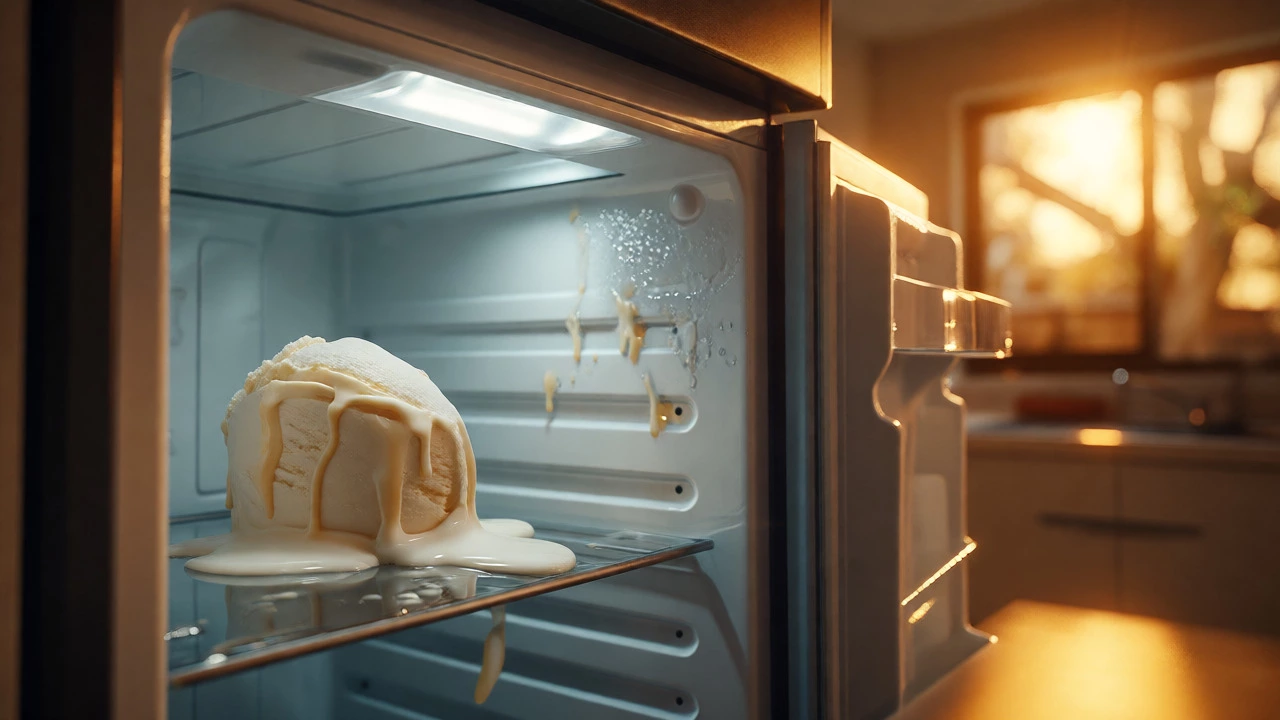
You open the door to find your ice cream has turned into a warm, milky soup. The freezer hums, or worse, sits in silent defiance. Your first instinct might be to call a technician immediately. But wait. Before you hand over your credit card, you need to answer one critical question: is it worth repairing a freezer, or should you just buy a new one?
This isn't just about saving money on a service call. It’s about understanding the lifespan of your appliances, the hidden costs of energy consumption, and the environmental impact of throwing away a working machine. As someone who has seen countless Brisbane households struggle with this exact dilemma, I can tell you that the answer is rarely black and white. It depends on age, the specific fault, and what kind of freezer you own.
The 50% Rule: A Quick Financial Check
Let’s start with the most common heuristic used by appliance technicians. If the cost of the repair exceeds 50% of the price of a comparable new unit, it is usually better to replace. Simple, right? Not quite. This rule assumes you are comparing apples to apples. A $300 repair on a $600 budget chest freezer is a bad deal. That same $300 repair on a $1,500 integrated column freezer might be a steal.
In Australia, the average cost for a standard upright freezer ranges from $800 to $2,000, depending on brand and capacity. Chest freezers often sit at the lower end of this spectrum, while built-in models command a premium. You also need to factor in the delivery and disposal fees for the old unit, which can add another $100-$150 to your total bill if you don’t have a tip run planned.
| Scenario | Recommended Action | Reasoning |
|---|---|---|
| Freezer is under 5 years old | Repair | Likely still under warranty; parts are readily available. |
| Freezer is 5-10 years old | Assess Cost | Apply the 50% rule strictly. Check energy ratings. |
| Freezer is over 10 years old | Replace | High risk of secondary failures; older units consume more power. |
| Compressor failure | Replace (usually) | Repair cost often rivals new unit price; high labor intensity. |
| Thermostat or fan motor issue | Repair | Cheap parts ($50-$150); quick fix restores full function. |
Understanding the Fault: What Actually Broke?
Not all breakdowns are created equal. Some faults are minor inconveniences; others are terminal diagnoses. Knowing the difference saves you from paying a call-out fee for a hopeless cause.
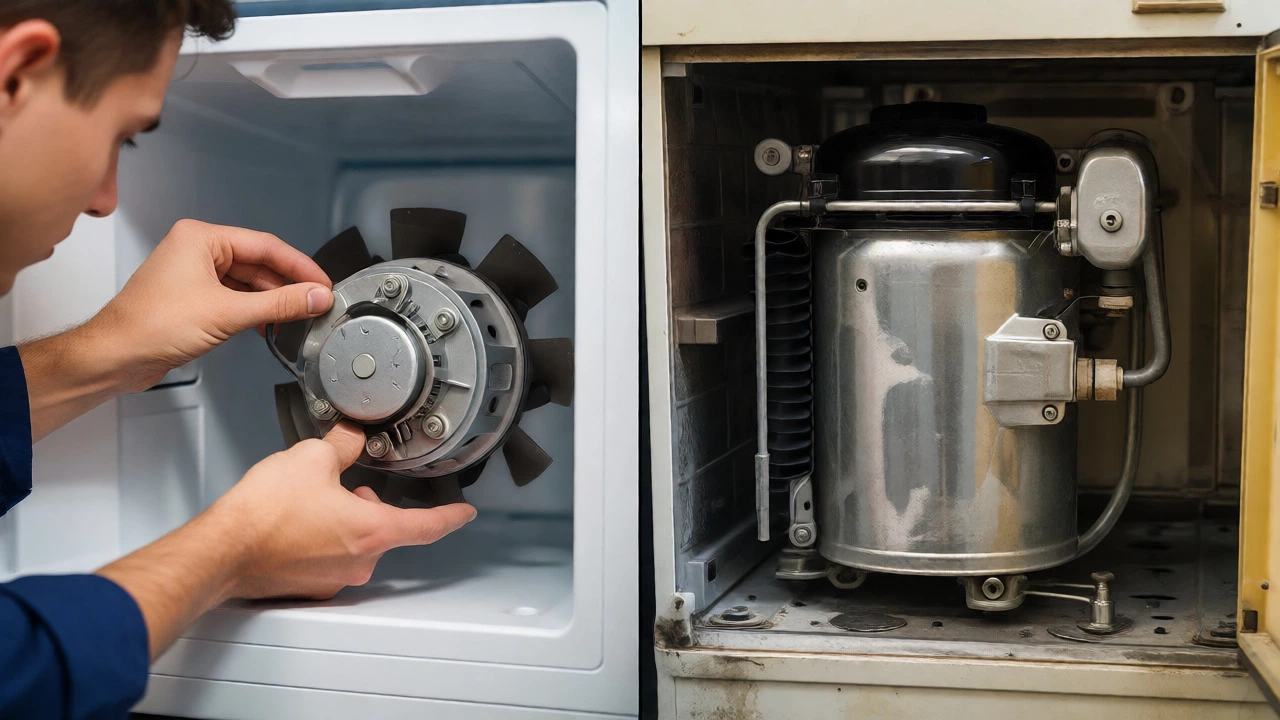
If your freezer is running but not cooling, the culprit could be the evaporator fan motor or the defrost timer. These are relatively inexpensive components. A fan motor typically costs between $40 and $90 for the part itself. Labor adds up, but a total bill of $250-$350 is common. For a mid-range freezer, this is often worth doing because the core system-the compressor-is still healthy.
However, if you hear a loud clicking noise followed by silence, or if the side panels are scorching hot while the interior stays warm, you might be looking at a compressor failure. The compressor is the heart of the freezer. It compresses refrigerant gas to release heat outside and absorb heat inside. When it dies, the repair involves evacuating the refrigerant, replacing the heavy mechanical unit, brazing new lines, and recharging the system. In Australia, this job can easily cost $400 to $700. Unless you have a high-end commercial-grade unit, this rarely makes financial sense compared to buying new.
Another common issue is a refrigerant leak. Finding a micro-leak in an aluminum coil can take hours of diagnostic labor. Once found, patching it requires specialized tools and materials. If the leak is in the sealed cabinet walls, repair is often impossible without cutting into the insulation, which compromises structural integrity and thermal performance. Here, replacement is almost always the smarter move.
The Hidden Cost of Energy Efficiency
Many homeowners ignore the ongoing operational costs when deciding to repair. An older freezer, say one manufactured in 2015, likely lacks the advanced insulation and variable-speed compressors found in modern 2026 models. Newer units are significantly more efficient due to stricter Australian Government energy rating standards.
Consider the math. An old inefficient freezer might consume 400 kWh per year. At current Australian electricity rates (averaging around 25c-30c per kWh depending on your state), that’s roughly $100-$120 annually. A new, highly-rated model might use only 250 kWh, costing you $60-$75 a year. Over five years, you save $150-$225 in energy bills alone. Add this potential saving to the resale value of a new appliance’s reliability, and the "repair" option looks less attractive if your unit is already aging.
Furthermore, newer models often come with features like fast-freeze modes, better temperature stability during power outages, and quieter operation. If your current freezer rattles enough to wake the baby, upgrading solves multiple problems at once.
Environmental Impact: Repair vs Recycle
We live in a time where sustainability matters. Throwing away a bulky appliance contributes to landfill waste. However, keeping a broken, inefficient freezer running via costly repairs also has an environmental footprint-mostly through wasted energy.
A good rule of thumb: if the freezer is less than 7 years old, repairing it is generally the greener choice. It extends the life of existing manufacturing resources. If it’s older than 10 years, the energy savings of a new unit usually offset the carbon cost of manufacturing a replacement within 3-5 years. Plus, reputable retailers offer take-back schemes where they recycle the old unit’s copper, steel, and plastics properly.
When to Call a Professional Immediately
Sometimes, DIY diagnosis fails. If you’ve checked the basics-cleaned the condenser coils at the back or bottom, ensured the door seals are tight, and verified the thermostat setting-and the unit still won’t hold temperature, you need a pro.
Look for signs of electrical issues. If the circuit breaker trips every time the freezer starts, do not keep resetting it. This indicates a short circuit or a failing start relay. Continuing to force it can burn out the compressor windings, turning a $100 repair into a $600 disaster. Similarly, if you see water pooling inside the freezer compartment, it’s likely a blocked drain tube. This is a cheap fix, but ignoring it leads to ice buildup that can jam the fan blades, causing further damage.
DIY Checks Before You Spend a Cent
Before booking a technician, spend 15 minutes checking these three things. They solve about 30% of "broken" freezer complaints.
- The Door Seal: Close the door on a piece of paper. If you can pull the paper out easily without resistance, your gasket is worn. Warm air enters, forcing the compressor to work overtime. Replacement gaskets cost $30-$60 and are easy to install.
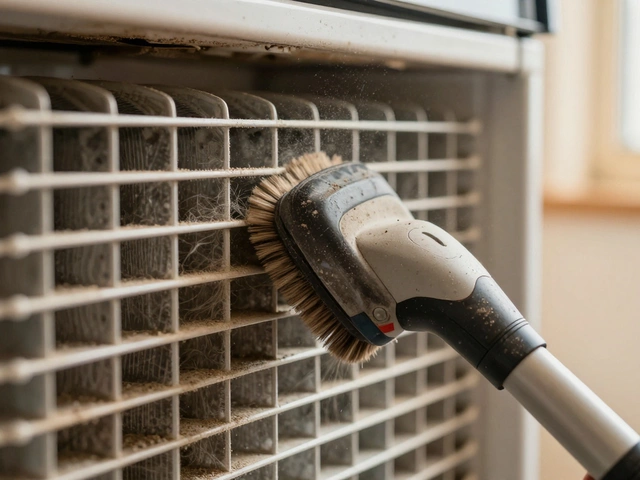
- Condenser Coils: Dust and pet hair insulate the coils, preventing heat dissipation. Use a vacuum brush attachment to clean them. If they’re caked in grime, cleaning them might restore cooling efficiency instantly.
- Ventilation Space: Is the freezer pushed flush against the wall? Most units need at least 5-10 cm of clearance for airflow. If it’s in a hot garage or laundry, it may simply be overheating.
Final Verdict: Making the Choice
So, is it worth repairing a freezer? If your unit is young, the fault is minor (fan, thermostat, seal), and the repair quote is under $300, yes. You’ll get several more years of reliable service for a fraction of the cost of replacement.
If your freezer is over a decade old, the compressor is dead, or the repair quote approaches half the price of a new model, no. Buy new. You’ll get better energy efficiency, a fresh warranty, and peace of mind. Don’t let sentimental attachment to an old appliance bleed your bank account dry. Sometimes, the most practical repair is the one you make to your budget by choosing replacement.
How long do freezers typically last?
The average lifespan of a household freezer is between 10 and 15 years. High-quality brands may last longer with regular maintenance, such as cleaning coils and checking seals. Budget models may fail sooner, often around the 8-year mark, especially if subjected to frequent power fluctuations or poor ventilation.
Can I fix a leaking freezer myself?
Yes, if the leak is from a blocked defrost drain. This is common in frost-free models. You can clear the drain hole using a turkey baster filled with warm water or a pipe cleaner. If the leak is coming from the back due to a cracked hose or loose connection, it might require professional attention, but often it's just a loose clamp that can be tightened with basic tools.
Is it cheaper to repair or replace a chest freezer?
Chest freezers are generally simpler mechanically than upright models, meaning fewer parts can break. Repairs are often cheaper. However, because chest freezers are often less expensive to buy new (starting around $500-$700 for decent sizes), the threshold for "worth repairing" is lower. If a repair costs more than $250 on a $600 chest freezer, replacement is usually the better financial decision.
What are the signs of a failed compressor?
Key signs include the freezer running constantly but never getting cold, loud humming or clicking noises followed by silence, excessive heat on the exterior sides, and tripping the circuit breaker. If the compressor runs but the freezer doesn't cool, it could also be a refrigerant leak, which shares similar symptoms but is diagnosed differently by a technician.
Do I need to dispose of my old freezer?
Most retailers offering delivery for a new freezer will remove the old one for a small fee (usually $50-$100) or sometimes for free during promotional periods. Alternatively, local councils in Australia often provide hard rubbish collection services for large appliances. Do not leave it on the kerb without checking local regulations, as illegal dumping can result in fines.